You are watching your toddler run across a playground in Prospect Park, but instead of a smooth stride, you notice their toes pointing inward, leading to yet another trip and a scraped knee. It’s a sight that makes any parent’s heart sink, especially when you start worrying about schoolyard teasing or potential clumsiness as they grow. We understand the deep concern that comes with seeing your child struggle to stay upright; we also know how frustrating it is to receive conflicting advice about whether you need professional treatment for intoeing in children Brooklyn. You want your child to move freely and without pain, and we are here to help you navigate these developmental milestones with confidence.
While many children eventually grow out of this condition by age eight or ten, certain structural misalignments require specialized attention to prevent lifelong mobility issues. This guide will help you identify the signs that your child’s “pigeon toes” need a closer look from a specialist. We will explore the common causes of intoeing, outline the exact ages when intervention becomes necessary, and introduce you to the patient-centered care offered by Dr. Waldemar Majdanski. Our goal is to provide a clear, comforting path toward recovery so your child can return to their active lifestyle with a steady, healthy gait.
Key Takeaways
- Understand the “chain of alignment” from the hip to the toes to determine the specific cause of your child’s gait pattern.
- Discover why age 8 is a pivotal milestone for permanent bone structure and when professional treatment for intoeing in children Brooklyn becomes necessary.
- Learn about conservative, non-surgical options like custom orthotics that help stabilize your child’s movement and prevent frequent falls.
- Identify the specific “red flags” that indicate intoeing is not just a passing phase but a structural issue requiring expert evaluation.
- Gain peace of mind by partnering with a trusted local specialist like Dr. Waldemar Majdanski to ensure your child’s healthy development and independence.
Understanding Intoeing: What Does “Pigeon Toed” Mean for Your Child?
Many parents first notice their child’s unique gait while watching them chase a ball in Prospect Park or run through the sprinklers at a local Brooklyn playground. You might see their feet turning inward rather than pointing straight ahead, a sight that often triggers immediate concern. Pigeon toe, also known as in-toeing, is a gait pattern where the feet point toward the body’s midline instead of forward. While this is a common developmental phase for many toddlers, persistent cases often lead families to seek professional treatment for intoeing in children Brooklyn to ensure their child’s long-term mobility isn’t compromised.
We believe it’s vital to distinguish between a toddler simply finding their balance and a structural alignment issue that causes frequent, painful falls. Many parents we meet feel a deep sense of anxiety about their child’s “clumsiness.” They worry about social teasing at school or their child being left behind during sports. It is important to remember that addressing these issues isn’t just about the mechanics of walking; it’s about protecting your child’s confidence and their physical independence as they grow.
Common Signs You Might Notice at Home
Identifying the early signs of intoeing can help you decide when it’s time to consult a specialist. Look for these specific patterns in your child’s daily movement:
- Frequent stumbling: Your child seems to trip over their own feet even on flat, unobstructed surfaces like your living room floor.
- Crescent moon shape: In infants or young toddlers, you might notice the outside edge of the foot is curved like a bow or a moon.
- Playground “clumsiness”: They appear less coordinated than their peers during high-energy activities or sports, often leading to frustration or a desire to sit out.
The Long-Term Outlook for Pediatric Gait
For years, the standard advice was to “wait and see” because most children eventually outgrow the condition. However, 2026 clinical standards prioritize early screening to catch underlying structural misalignments before they become permanent. If a child doesn’t naturally rotate into a neutral position, the constant inward pressure can lead to adult foot deformities. For example, untreated pediatric alignment issues are often a contributing factor to the need for Bunion Surgery in Queens later in life. By seeking treatment for intoeing in children Brooklyn early, you are investing in your child’s future comfort and preventing the need for more invasive clinical interventions in their adult years.
The Three Primary Causes of Intoeing in Children
To understand why your child walks with their toes pointed inward, we must look at the entire “chain of alignment.” This chain begins at the hip and extends through the thigh, the shin, and finally to the foot. Intoeing is not a single disease; it is a symptom of a rotation occurring at one of these levels. While the condition is rarely painful, it consistently affects mechanical efficiency, making your child more prone to tripping as their feet catch on one another. Most cases are linked to intrauterine positioning, where the baby was cramped in the womb, or simple genetic factors passed down through the family.
Getting a professional diagnosis is the first step toward peace of mind. During an exam, Dr. Waldemar Majdanski carefully evaluates each link in the alignment chain to pinpoint the exact origin of the twist. According to the American Academy of Orthopaedic Surgeons, while the majority of these cases resolve naturally with growth, distinguishing between a flexible developmental phase and a rigid structural issue is critical. If you are concerned about your child’s gait, you can schedule a consultation at our Brooklyn office to receive a personalized assessment.
Metatarsus Adductus: The Curved Foot
This condition originates in the foot itself and is often visible from the moment a child is born. You can identify it by looking at the outer margin of the foot; if it curves inward like a “C-shape” or a crescent moon, it is likely metatarsus adductus. In many infants, these curves are flexible and can be gently straightened with simple stretching at home. However, if the foot feels rigid or doesn’t improve as the child begins to pull themselves up, it may require more formal treatment for intoeing in children Brooklyn to ensure a straight foundation for walking.
Tibial Torsion: The Twisted Shin
Tibial torsion is the most frequent cause of intoeing for toddlers between the ages of one and three. It occurs when the tibia, or shin bone, has an inward twist. This rotation often becomes most apparent when a child starts to navigate the uneven NYC sidewalks or tries to run quickly. Because the twist is in the bone of the lower leg, the feet naturally follow that inward path. We typically see this improve without the need for braces or special shoes as the child’s bones grow and naturally rotate outward by age five.
Femoral Anteversion: The Twisted Thighbone
In children between the ages of three and ten, the rotation often stems from the hip. This is known as femoral anteversion, where the thighbone (femur) is twisted inward. It is more common in girls and is often identified by the “W-sitting” position. If your child prefers to sit on the floor with their knees together and their feet flared out to the sides, it is a significant red flag for hip rotation. This position is comfortable for them because of the bone’s alignment, but it can reinforce the inward gait and make professional monitoring essential during these peak growing years.
Normal Growth vs. Red Flags: When to See a Brooklyn Podiatrist
For many parents across Brooklyn, the advice to “just wait and see” feels insufficient when they watch their child struggle to keep up with friends on the playground. While it’s true that many cases of intoeing resolve as the musculoskeletal system matures, waiting too long can limit the effectiveness of non-surgical interventions. We view a professional podiatric exam as a vital tool for regaining independence. We want your child to focus on their soccer game or their walk to school without the constant anxiety of their next trip or fall. Establishing a clear timeline for your child’s development helps us ensure they are reaching their physical milestones on schedule.
The American Academy of Orthopaedic Surgeons on Intoeing confirms that the vast majority of cases resolve naturally by age eight. This age is a critical milestone because, by the time a child reaches eight to ten years old, their bone structure becomes significantly more permanent. If the inward rotation hasn’t corrected itself by this stage, the window for simple, non-invasive adjustments begins to close. Seeking professional treatment for intoeing in children Brooklyn before this milestone allows us to guide the growth process more effectively.
The “Wait and See” Window
The transition from a toddler’s first steps to a school-aged child’s steady gait is a complex process. In infants (0-12 months), a slight inward curve is often a remnant of their position in the womb. For toddlers aged 1-3 years, intoeing is frequently a normal part of how their bones rotate as they learn to navigate gravity. However, we recommend establishing baseline measurements during these early years. Tracking progress over time allows us to distinguish between a healthy developmental curve and a structural misalignment that might require active intervention. These benchmarks provide the peace of mind that your child’s development is on the right track.
Clinical Red Flags for NYC Parents
While we often monitor mild cases through regular check-ups, certain symptoms demand immediate attention. If you notice intoeing that only affects one leg, this asymmetry can signal a deeper neurological or structural issue that needs an expert eye. Pain, swelling, or a noticeable limp are never “normal” parts of growing up and should be evaluated right away. Additionally, if frequent tripping prevents your child from participating in sports medicine activities or physical education, it’s time for a professional consultation. We are dedicated to ensuring every Brooklyn child has the physical foundation to move with confidence and ease.

Treatment Options for Intoeing: From Observation to Custom Orthotics
We believe the most effective path to recovery starts with a conservative-first philosophy. Our team focuses on non-invasive methods that work with your child’s natural growth rather than against it. Every treatment plan is personalized based on your child’s age and the specific cause of their misalignment, whether it stems from the feet, shins, or hips. You won’t find the heavy, clunky corrective shoes of the past here. Instead, we use modern, discreet solutions that allow your child to stay active and confident. Surgery is a rare intervention, typically reserved for severe cases that haven’t resolved by age eight or ten, making it a true last resort for families seeking treatment for intoeing in children Brooklyn.
The Role of Custom Orthotics
A frequent question from parents involves the role of custom orthotics in managing pediatric gait. For school-age children, these specialized inserts are incredibly effective. We often prescribe “gait plates,” which are custom-molded devices designed with a specific extension. This extension encourages the foot to strike the ground in a more neutral, outward position. While store-bought inserts might provide some cushioning, they lack the structural integrity needed to influence bone alignment. Our custom devices ensure your child’s feet are supported precisely where they need it most, helping them keep up with their peers during school activities.
Physical Therapy and Stretching
Physical therapy and targeted stretching play a vital role in our holistic approach. We focus on exercises that improve hip and core strength, which provides a more stable foundation for the entire leg. We also work closely with families to correct postural habits at home, such as the “W-sitting” position. By partnering with local Brooklyn pediatric therapists, we ensure your child receives comprehensive care that addresses both the skeletal and muscular aspects of their condition. This collaborative effort helps build the strength necessary for a steady, independent stride.
Casting and Bracing for Severe Cases
In severe cases, particularly for infants with rigid metatarsus adductus, we may utilize serial casting. This involves a series of lightweight casts that are changed every week or two to gently and gradually straighten the foot. Night splints or braces may also be recommended, but only when we are certain they will provide a clinical benefit. We guide you through every step of this process, ensuring you know exactly what to expect as your child gains better structural support. If you are concerned about your child’s walking pattern, contact our team to explore these non-surgical options and start their journey toward better mobility.
Compassionate Pediatric Care at Local Foot Doc in Brooklyn
What to Expect During Your Child’s Consultation
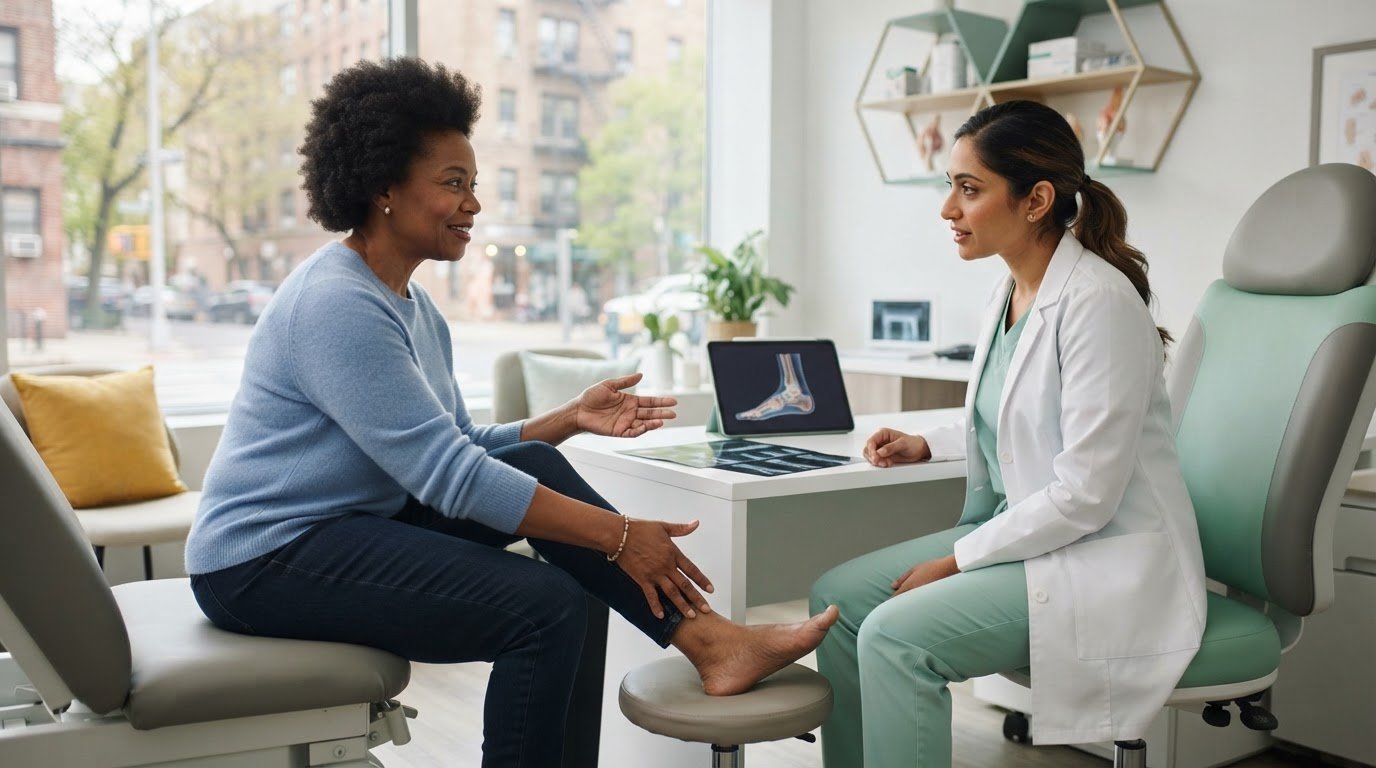
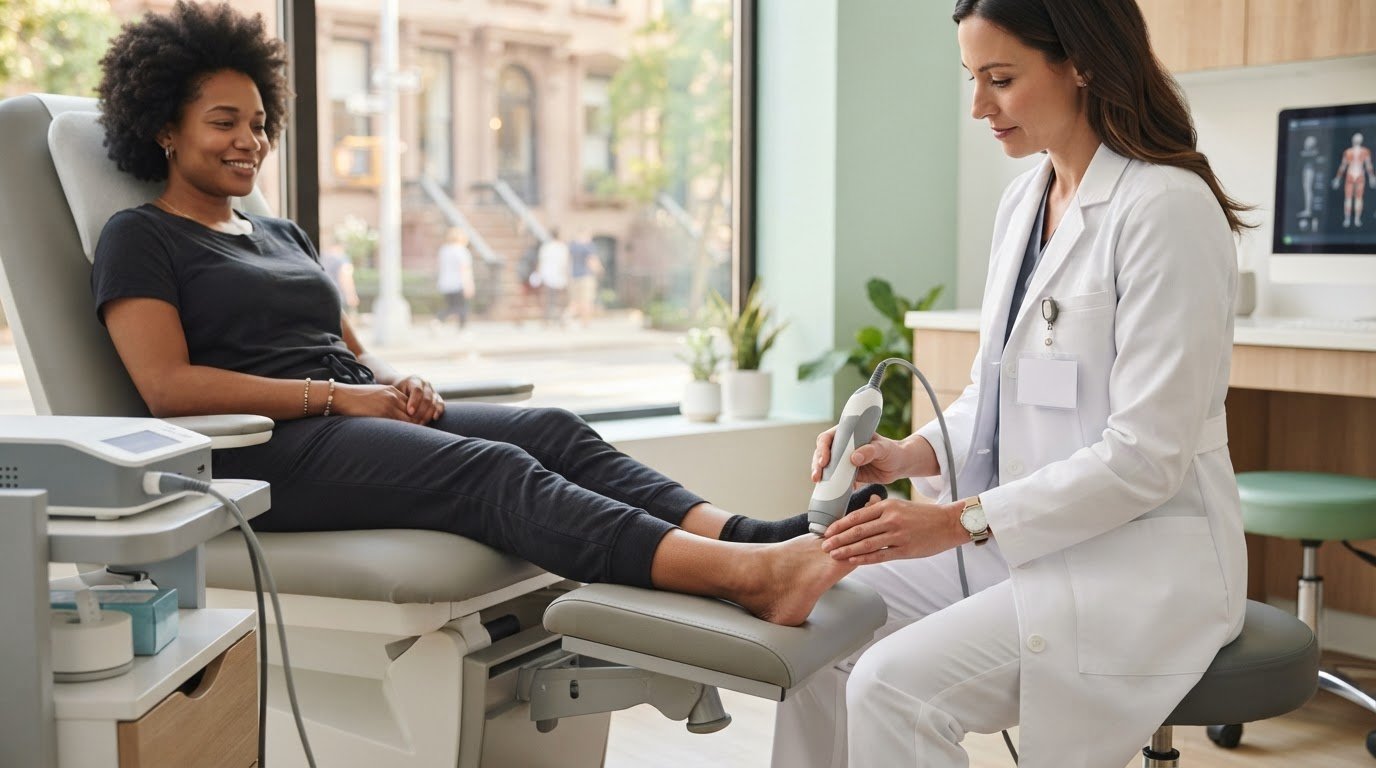
A visit to our office is designed to be a positive, stress-free experience for both you and your child. We start with a thorough gait analysis and physical examination, observing your child as they walk and move naturally in our hallways. This non-scary approach allows us to gather accurate data without causing the anxiety often associated with clinical settings. If further investigation is required, we utilize state-of-the-art diagnostic imaging performed right in our offices, which eliminates the need for extra trips to outside radiology centers. This immediate access to modern technology helps us create a clear, step-by-step treatment plan tailored to your child’s specific anatomy. We focus on practical, results-oriented solutions that restore your child’s independence and give them the physical confidence to run, jump, and play alongside their peers.
Establishing this sense of security is vital in all areas of pediatric health, including dental care. For parents looking for a similar commitment to a gentle, child-friendly atmosphere during check-ups, you can check out Christiania Tannlegesenter Frogner as an example of a clinic that prioritizes a positive patient experience.
Protecting Your Child’s Future Mobility
We view pediatric care as a long-term investment in your child’s quality of life. The alignment issues we address during these formative years can prevent a lifetime of discomfort and secondary complications, such as premature joint wear or adult foot deformities. Our practice remains dedicated to supporting your family’s health through every stage of life, offering everything from sports medicine to comprehensive diabetic foot care in Brooklyn for our older community members. By establishing a healthy, neutral foundation today, you are protecting your child’s future mobility and their ability to lead an active, unrestricted lifestyle. Most cases of intoeing are highly manageable with the right professional oversight and a bit of patience. We are here to guide you and your child every step of the way, ensuring they grow up with the strength and stability they deserve.
Secure Your Child’s Foundation for a Healthy Future
Watching your child navigate their world with confidence is one of the greatest joys of parenthood. While many inward-pointing gait patterns resolve naturally as a child grows, professional monitoring provides the certainty that their development is on the right track. By identifying structural misalignments early, we can implement conservative solutions like custom orthotics before bone structures become permanent around age eight. Our team is dedicated to providing specialized treatment for intoeing in children Brooklyn, ensuring that every step your child takes is steady and pain free.
Dr. Waldemar Majdanski brings over 20 years of local NYC clinical experience and board-certified surgical expertise to every consultation. With multiple convenient locations across Brooklyn and Queens, receiving high-quality pediatric care is accessible for every neighborhood family. Don’t let uncertainty about your child’s gait linger. Schedule a pediatric gait evaluation with Dr. Majdanski today to give your child the physical foundation they need for lifelong mobility. We look forward to helping your family move forward with confidence and strength.
Frequently Asked Questions
Is intoeing in children a sign of a serious medical condition?
Intoeing is rarely a sign of a serious medical condition; in most cases, it is a normal developmental phase that resolves as a child grows. While it usually stems from the way bones naturally rotate during early childhood, we occasionally see it linked to underlying neuromuscular issues. A professional evaluation at our office ensures that we rule out these rare concerns and focus on your child’s healthy physical progression.
At what age should I be concerned if my child is still pigeon-toed?
You should seek a specialist’s opinion if your child’s intoeing persists past the age of eight. By this stage, the bones have reached a more permanent level of maturity and natural self-correction becomes much less likely. Early screening before this critical milestone allows us to implement non-invasive treatments that are more effective while the musculoskeletal system remains flexible and responsive to guidance.
Can custom orthotics really fix intoeing?
Custom orthotics are highly effective at managing the symptoms of intoeing and encouraging a more neutral foot strike during daily activity. While they don’t “fix” the bone rotation itself, specialized gait plates provide the structural support necessary to prevent tripping and stabilize the walk. This is a primary method for treatment for intoeing in children Brooklyn, helping school-age children maintain their activity levels without the frustration of frequent falls.
Does intoeing cause pain or lead to arthritis later in life?
Intoeing itself is rarely painful for children, but the mechanical inefficiency it creates can lead to significant foot health issues in adulthood. If left unmonitored, the constant inward pressure and poor alignment may contribute to the development of bunions or premature joint wear later in life. Addressing these alignment concerns early helps protect your child’s long-term mobility and prevents the need for more complex clinical interventions as they age.
What is “W-sitting” and why should I discourage it?
“W-sitting” occurs when a child sits on their bottom with their knees together and their feet flared out to the sides in the shape of a “W.” You should discourage this position because it places excessive internal rotation on the hips and thighs, which can reinforce femoral anteversion. We recommend encouraging your child to sit “criss-cross” or with their legs straight out to promote healthier skeletal alignment and hip development.
Is surgery ever necessary to correct intoeing in a child?
Surgery is extremely rare and is considered a last resort for children between the ages of eight and ten who face significant walking difficulties. Most cases of pigeon toes are successfully managed through observation, stretching, or custom orthotics. We only discuss surgical options when a child’s quality of life is severely impacted and conservative methods have not provided the necessary correction during their peak growing years.
How long does a typical intoeing treatment plan take to show results?
The timeline for seeing results depends entirely on the underlying cause of the rotation and the age of your child. For infants using serial casting for rigid metatarsus adductus, you may see visible straightening within six to nine weeks. For school-age children using custom orthotics, the improvement in gait and reduction in tripping is often immediate, though structural monitoring continues until they reach their final growth milestones.
Do insurance plans in New York usually cover pediatric podiatry consultations?
Most New York health insurance plans, including Child Health Plus, generally cover pediatric podiatry visits and medically necessary treatment for intoeing in children Brooklyn. Coverage for specific devices like custom orthotics or serial casting can vary between different providers, so we always recommend checking your specific policy. Our team helps navigate these insurance details to ensure your child receives the essential care they need for healthy development.