

Flat Feet Treatment
Flat Feet Treatment Near You
Flat feet can affect the way your feet support your body when you stand, walk, or exercise. Some people have low arches without any pain, while others may develop aching, fatigue, swelling, or discomfort in the feet and ankles. Symptoms can appear gradually, so it may not always be easy to understand what is causing them.
At Local Foot Doc, we evaluate your foot structure and how your feet function during movement. Our podiatrist reviews your symptoms, medical history, daily activities, and previous injuries before recommending care. We focus on understanding what may be contributing to your symptoms and developing a treatment plan that fits your individual needs.
What Causes Flat Feet?
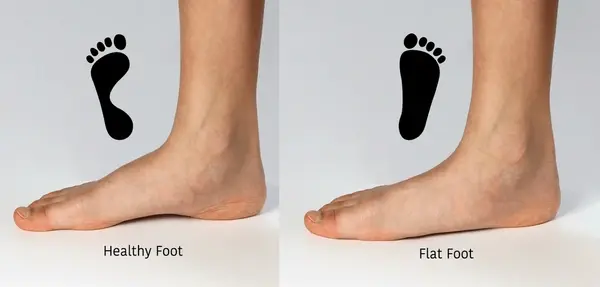
Flat feet can be present from childhood or develop later in life. In some cases, the shape of the foot is simply part of your natural anatomy. In others, changes to tendons, joints, bones, or ligaments can affect arch support.
Common factors associated with flat feet include:
Flexible flat feet
The arch may appear when you are not standing, but flatten when you put weight on your foot.
Posterior tibial tendon problems
Changes in this important supporting tendon can contribute to a collapsing arch.
Foot or ankle injuries
Previous injuries can affect the structures that support your foot.
Aging
Tendons and other tissues can gradually become less supportive.
Arthritis
Changes in the joints can affect foot alignment and movement.
Family history
Some people naturally have a foot structure that makes low arches more likely.
Identifying the reason for your flat feet helps us determine whether treatment is necessary and which approach may be most suitable for you.
What Symptoms Can Flat Feet Cause?
Many people with flat feet do not experience symptoms. When problems occur, they can range from mild fatigue to ongoing pain that affects everyday activities.
You may notice:
Arch discomfort
The inside or bottom of your foot may ache after activity.
Heel pain
Changes in foot mechanics can sometimes contribute to discomfort around the heel.
Ankle soreness
Altered alignment may place additional stress on the ankle.
Foot fatigue
Your feet may feel tired after prolonged standing or walking.
Swelling
Some patients develop swelling along the inside of the foot or ankle.
Walking changes
Changes in foot movement may affect the way you walk.
How Are Flat Feet Diagnosed?
We start by asking about your symptoms, activities, footwear, and any previous foot or ankle problems. Our podiatrist then examines your feet while you are standing and, when appropriate, while you walk.
The evaluation may include checking your arch height, alignment, flexibility, muscle strength, joint movement, and gait. We may also ask you to perform certain movements to see how your feet function under different conditions.
X-rays may be recommended when we need a closer look at the bones and joints. Additional imaging may be considered when there are concerns involving tendons or other soft tissues.
Flat Feet Treatment Options
Treatment depends on whether your flat feet are causing symptoms and what may be contributing to the problem. Many patients can manage their symptoms with conservative care, while surgery may be considered for selected cases with significant structural problems.
Treatment options may include:
Supportive footwear
Shoes with appropriate structure can help improve comfort during daily activities.
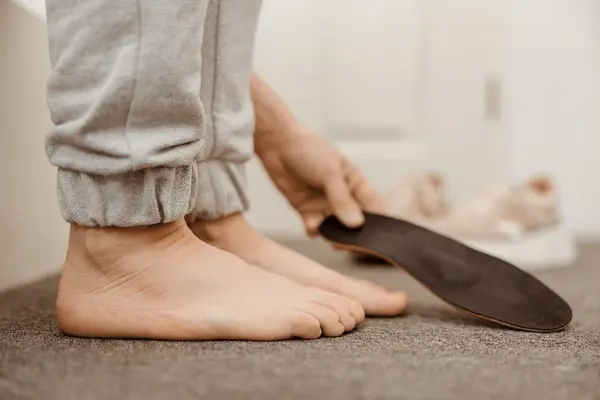
Custom orthotics
Prescription foot supports may help redistribute pressure and support the arch.
Stretching exercises
Targeted stretches can improve flexibility when tight muscles contribute to symptoms.
Strengthening exercises
Specific exercises may help improve foot and ankle function.
Physical therapy
Guided rehabilitation can address strength, flexibility, balance, and movement.
Activity modification
Changing activities that aggravate your symptoms can reduce stress on your feet.
Medication
Appropriate medication may help manage pain when medically suitable.
Surgical correction
Surgery may be considered when significant symptoms or structural problems do not improve with conservative treatment.
Your treatment plan is based on your symptoms, foot structure, activity level, and overall needs. We can also monitor your progress and adjust your care when necessary.
Locations We Serve
At Local Foot Doc, we provide podiatric care at three convenient office locations in Brooklyn and Queens.
Howard Avenue Brooklyn Office
Address: 802 Howard Ave 1st Floor, Brooklyn, NY 11212, United States
Phone: (718) 495-3668
Forest Hills Office
Address: 69-39 Yellowstone Blvd, Forest Hills, NY 11375, United States
Phone: (718) 575-3668
Astoria Office
Address: 23-18 Broadway, Long Island City, NY 11106, United States
Phone: (718) 545-0205
Why Patients Choose Local Foot Doc
At Local Foot Doc, we believe understanding your condition is an important part of receiving good medical care. Our team focuses on education, communication, and individualized treatment.
Personalized treatment
We consider your symptoms, foot structure, activities, and individual needs.
Informed participation
We provide the information you need to take an active role in treatment decisions.
Quality podiatric care
Our mission is to support your overall health through high-quality podiatric services.
Strong doctor-patient relationship
We value your knowledge and input when discussing your care.
Schedule a Flat Feet Evaluation
Flat feet do not always require treatment, but persistent pain, swelling, fatigue, or difficulty walking should not be ignored. At Local Foot Doc, our podiatrist can evaluate your feet, identify factors contributing to your symptoms, and explain appropriate treatment options. Contact us today to schedule an appointment.
FAQs
Are flat feet always a medical problem?
No. Many people have flat feet without pain or other limitations and may not need treatment.
Can flat feet cause pain in other parts of the body?
Changes in foot mechanics can sometimes affect the ankles, legs, knees, or other areas, although the relationship varies from person to person.
Can exercises help with flat feet?
Exercises may help improve strength, flexibility, and foot function in some patients, but they do not necessarily alter the arch’s underlying bone structure.
Can flat feet get worse with age?
Some types of flat feet can change over time, particularly when the tendons or joints that support them weaken or become damaged. A podiatrist should evaluate new or worsening symptoms.