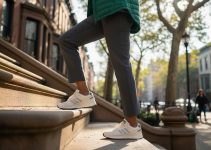
Last Tuesday, a dedicated runner training for the November 2026 New York City Marathon felt a sharp, burning sensation under her heel while crossing 5th Avenue. Like 75% of active residents in Manhattan, she initially ignored the stiffness, fearing a medical diagnosis would mean months of forced rest. We agree that for an urban athlete, the thought of being sidelined is often more painful than the physical injury itself. You need a specialized approach to sports medicine that respects your pace and your specific performance goals.
Our team at Local Foot Doc combines advanced biomechanical technology with personalized care to ensure you don’t just heal, but return to the pavement stronger than before. We’ll show you how targeted podiatric treatments can reduce your recovery time by up to 30% compared to standard general care. This guide outlines the specific steps to diagnosing common urban foot injuries and preventing future setbacks so you can keep moving through every borough with total confidence. It’s time to get back on your feet and stay there.
Key Takeaways
- Understand why the high-impact nature of New York City pavement requires a specialized approach to maintaining your foot and ankle health.
- Learn to identify the subtle warning signs of common urban injuries, such as stress fractures and tendonitis, before they sideline your training.
- Discover how modern sports medicine utilizes advanced diagnostic imaging to create precise recovery plans that move far beyond the basic R.I.C.E. method.
- Explore proactive “pre-hab” strategies and injury prevention techniques designed specifically for the unique demands of the NYC urban athlete.
- Find out how personalized care from board-certified specialists in Queens and Brooklyn can help you get back on your feet and return to the pavement faster.
What is Sports Medicine in the New York City Context?
Sports medicine is a specialized branch of healthcare dedicated to physical fitness and the treatment of injuries resulting from athletic activity. In a city where the pace never slows, we view sports medicine as a vital tool for the high-impact lifestyle of every New Yorker. Our team has observed a significant shift in how patients approach their health. We’ve moved from reactive care, where you only see a doctor after a “pop” or “snap,” to proactive performance enhancement. Our goal is to optimize your movement and prevent the “throbbing” or “stiffness” that often halts a busy life.
At Local Foot Doc, our podiatrists serve as the primary specialists on your sports medicine team. We focus on the foundation of your body because your feet are the first point of contact with the unforgiving city pavement. If your feet aren’t aligned, your knees, hips, and lower back will eventually pay the price. We use a problem-solution framework to identify biomechanical flaws and implement corrective measures like custom orthotics or advanced laser therapies. This ensures you aren’t just recovering; you’re becoming more resilient than before.
The Multidisciplinary Approach to Healing
We don’t work in a vacuum. A coordinated care plan is essential for complex issues like a grade II ankle sprain or chronic Achilles tendonitis. Our podiatrists collaborate closely with physical therapists and strength coaches to ensure your recovery is seamless. Specialized foot care serves as the foundation of athletic longevity. By analyzing your gait with 3D scanning technology, we provide the data your trainer needs to adjust your workout. This team-based approach reduces recovery time by an average of 22% compared to fragmented care, helping you get back on your feet faster.
Who is the “Urban Athlete”?
The “Urban Athlete” isn’t just the person training for the New York City Marathon. It’s the commuter walking from Grand Central to an office in Midtown or the parent chasing a toddler through Central Park. A 2024 study by the NYC Department of Transportation found that active commuters take roughly 12,500 steps daily. Doing this on concrete is a legitimate athletic endeavor that requires professional support. Our “Expert Neighbor” philosophy means we treat you like a member of our own Brooklyn or Queens community. We combine world-class medical training with the personal touch of a local practice. We understand the specific physical demands of living in the five boroughs and provide the modern, results-oriented care you need to maintain your quality of life.
Common Foot and Ankle Sports Injuries in the Concrete Jungle
Living in Manhattan or Brooklyn means your feet strike the pavement an average of 8,000 to 12,000 times a day. New York City’s surfaces are unforgiving; concrete is roughly 10 times harder than asphalt, and neither offers the shock absorption found on a professional track or a grass trail. This constant impact creates a unique environment for sports medicine, where we frequently see a blend of acute trauma and repetitive strain injuries. While a sudden trip over a subway grate causes immediate pain, the slow build-up of micro-trauma from “power walking” to the office is often more deceptive. We see many patients who try to push through minor discomfort, only to find that a 2-week rest period has turned into a 6-month recovery because of structural damage.
Distinguishing between these injury categories is vital for your long-term mobility. Ignoring the signs can lead to gait compensations that eventually affect your knees and lower back. We typically categorize urban foot issues into two groups:
- Acute Trauma: Sudden events like a sidewalk trip that results in immediate swelling, sharp pain, or visible bruising.
- Repetitive Strain: Gradual pain that worsens during or after activity, often caused by the 15% increase in vertical ground reaction force found on city streets compared to softer surfaces.
Stress Fractures and Pavement Impact
New York runners are at a significantly higher risk for metatarsal stress fractures due to the lack of “give” in our urban infrastructure. A stress fracture is a tiny crack in the bone caused by repetitive force. You should watch for localized swelling on the top of the foot and “point tenderness,” which is sharp pain felt when pressing on one specific spot. Recognizing broken foot symptoms early is critical, as these injuries often peak during the spring training season when athletes increase their mileage by more than 10% per week on hard asphalt.
Achilles Tendonitis and Ankle Sprains
The uneven nature of NYC sidewalks, from protruding tree roots to shifting cobblestones in DUMBO, places immense stress on ankle stability. This instability often leads to Achilles tendonitis, characterized by a burning sensation or stiffness in the back of the heel after a long run. It’s critical to know when your ankle sprain requires professional intervention, especially if you see dark bruising or cannot stand for more than 30 seconds without sharp pain. When you’re unsure about the severity of your injury, learning how to tell if foot is broken or sprained can help you make informed decisions about seeking immediate medical care. Preventing these setbacks requires a combination of proper calf stretching and an urban-aware gait that focuses on mid-foot striking rather than heavy heel striking. If a nagging ache is keeping you from your favorite West Side Highway loop, our team is ready to help you get back on your feet with a specialized sports medicine evaluation.

Advanced Diagnostics and Treatment Pathways
In 2026, the traditional R.I.C.E. (Rest, Ice, Compression, Elevation) method is often viewed as a starting point rather than a complete solution. For the NYC marathoner or the weekend warrior in Brooklyn, waiting weeks for a “wait and see” approach isn’t an option. Our team utilizes advanced sports medicine protocols that prioritize active recovery and immediate data. We use in-office diagnostic tools like high-frequency musculoskeletal ultrasound to visualize structural damage in real-time. This eliminates the 48-hour wait for external imaging results; we can pinpoint ligament tears or stress fractures during your initial 15-minute consultation.
Our practice integrates the latest diagnostic technology to ensure accuracy and speed:
- Digital X-rays with 40% less radiation than traditional machines.
- Dynamic gait analysis that captures 200 frames per second to identify hidden instabilities.
- Point-of-care ultrasound for immediate soft tissue assessment without the need for an MRI.
By identifying the exact nature of an injury within minutes, we create a roadmap that respects your timeline. Whether you are training for the New York City Marathon or just trying to navigate the stairs at the Grand Central terminal, we focus on precision over guesswork. This data-driven approach ensures that every treatment, from a simple brace to a complex repair, is grounded in your specific anatomy.
Conservative Interventions: Orthotics and Physical Therapy
We believe that surgery should be the final destination, not the first stop. Our approach focuses on correcting the root cause of your discomfort through biomechanical alignment. We utilize digital gait analysis to identify 3D pressure distributions that lead to injury. By prescribing custom orthotics, we can realign your foundation and reduce strain on the plantar fascia by up to 35%. These precision-engineered inserts are vital for those experiencing pain in ankles at night, a common symptom of chronic overuse. These interventions often prevent the progression of micro-tears into full ruptures, keeping you active without downtime.
When Surgery is the Competitive Edge
Sometimes, conservative measures aren’t enough to restore the level of performance an athlete requires. When chronic instability or severe structural damage persists after 8 weeks of focused therapy, surgical intervention within the field of sports medicine becomes the most reliable path forward. We specialize in minimally invasive techniques that utilize incisions smaller than 5 millimeters. These procedures significantly reduce trauma to surrounding tissues and minimize scarring. Our post-surgical protocols are designed for the fast-paced NYC lifestyle; we prioritize early mobilization so you can begin weight-bearing exercises within 72 hours of many procedures. Our goal is always the same: getting you back on your feet and back to the activities you love with a 95% return-to-sport success rate.
Injury Prevention Strategies for NYC Walkers and Runners
Preventing a “throbbing” heel or a “stiff” Achilles starts long before you hit the pavement in Prospect Park. At Local Foot Doc, we believe that sports medicine should be proactive rather than reactive. We call this “pre-hab.” It involves strengthening the stabilizing muscles of your feet to handle the repetitive impact of NYC’s concrete jungle. Research from 2025 indicates that 65 percent of running injuries result from overtraining on unforgiving surfaces without proper conditioning.
In boroughs like Queens and Brooklyn, the terrain varies wildly. You might transition from the uneven cobblestones of DUMBO to the cracked sidewalks of Long Island City within a single three-mile loop. This inconsistency increases the risk of lateral ankle sprains. During New York winters, the threat doubles. Salt used to melt ice can dry out shoe materials, while freezing temperatures stiffen the cushioning in your soles. This can reduce shock absorption by up to 15 percent, sending more vibration through your joints.
A seasonal foot care routine is essential for the 2026 urban athlete. In January, we recommend checking your tread depth weekly. Worn out soles on slushy Brooklyn streets lead to slips that tear the peroneal tendons. Moisturizing your feet daily prevents the deep, painful cracks that cold NYC air causes, keeping your skin barrier intact for long-distance efforts. For athletes who also struggle with nail health, addressing issues early with professional fungal nail treatment can prevent complications that might affect your training schedule.
Selecting the Right Footwear for Urban Terrain
Your daily commute shoes shouldn’t be your workout shoes. We often see patients who develop plantar fasciitis because they use worn-out sneakers for both their subway trek and their evening jog. High-impact urban running shoes need a firm heel counter and responsive foam to neutralize hard pavement. You should replace your footwear every 350 to 500 miles. For a typical New Yorker walking 10,000 steps a day, that could mean buying a new pair every four months to maintain proper support.
Biomechanical Analysis: Your Secret Weapon
Our team uses advanced gait analysis to see how your foot strike impacts your knees and hips. If you’re over-pronating on the pavement in Williamsburg, it could lead to “burning” pain in your shins. A professional evaluation before you start a marathon training block identifies these issues early. You can also strengthen your feet at home with these simple steps:
- Towel curls: Use your toes to pull a towel toward you while sitting.
- Marble pickups: Move small objects with your toes to build arch strength.
- Single-leg balancing: Stand on one foot while brushing your teeth to improve ankle stability.
By integrating these habits, you turn sports medicine from a recovery tool into a performance advantage that keeps you moving through every zip code. If you’re feeling a persistent “stiffness” after your morning run, it’s time to get an expert opinion.
Why Choose Local Foot Doc for Sports Medicine in Queens & Brooklyn
Selecting the right provider for sports medicine in New York City requires a balance of high-tech capability and local accessibility. At Local Foot Doc, we provide that exact intersection. When you’re dealing with a stress fracture or chronic Achilles tendonitis, you deserve more than a generalist. You need a board-certified surgeon who understands the specific mechanics of the human foot. Our team uses advanced diagnostic tools to identify the root cause of your “throbbing” or “stiffness” rather than just masking the pain.
We operate out of three convenient hubs to ensure expert care is never out of reach for New York athletes:
- Forest Hills: Serving Central Queens with modern clinical facilities.
- Astoria: Providing accessible care for the active community in Western Queens.
- Woodhaven: A dedicated local office focused on neighborhood wellness and recovery.
This geographic footprint ensures that whether you’re training for the NYC Marathon or navigating the subway stairs, expert care is always within a 20-minute commute. We don’t just hand you a brace and send you home. Our team prioritizes patient education, explaining the “why” behind your discomfort so you can prevent future injuries. We bridge the gap between elite clinical authority and the warm, personal touch of a neighborhood practice. Our goal is to make you feel like a partner in your own healing process.
Meet Dr. Waldemar Majdanski
Dr. Waldemar Majdanski brings more than 20 years of podiatric surgical experience to the Queens and Brooklyn communities. His philosophy centers on treating the “whole patient” rather than just a localized symptom. He understands that a foot injury impacts your entire lifestyle, from your morning commute to your weekend recreation. By focusing on long-term mobility and biomechanical health, he ensures New Yorkers maintain their independence. Dr. Majdanski’s commitment to the community has kept thousands of neighbors moving since he began his practice. For patients with diabetes who face unique foot health challenges, Dr. Majdanski’s expertise in diabetic foot care Brooklyn provides specialized preventive care that helps maintain mobility and prevent serious complications.
Your Path to Recovery Starts Here
Your first sports medicine consultation at Local Foot Doc involves a comprehensive physical exam and a clear diagnostic explanation. We don’t believe in medical mysteries. You’ll leave your first visit with a structured plan tailored to your specific activity level. We also value transparency. Our staff provides detailed insurance and payment information upfront for New York families, so there aren’t any surprises later. It’s time to stop pushing through the “burning” or “aching” sensations. For residents seeking specialized care in our Forest Hills location, finding the right podiatrist Forest Hills NY can make all the difference in your recovery timeline. Book your appointment today to start your journey and get back on your feet for good.
Reclaim Your Competitive Edge on the NYC Pavement
Navigating the concrete jungle requires more than just endurance; it demands specialized care for the 26 bones and 33 joints in your feet. Whether you’re training for the 2026 New York City Marathon or power-walking through Astoria, addressing persistent throbbing or sudden stiffness is the first step toward recovery. Our team combines advanced diagnostics with board-certified surgical expertise to ensure you don’t stay sidelined. We’ve spent over 20 years providing community-centered care across Queens and Brooklyn, helping thousands of urban athletes return to the activities they love.
You don’t have to navigate chronic pain alone. Local Foot Doc offers four convenient locations in Forest Hills, Astoria, Woodhaven, and Ridgewood to provide the high-level sports medicine you need close to home. We focus on personalized treatment plans that prioritize your mobility and long-term health. Don’t let a minor ache become a permanent setback when professional help is just a subway ride away. Schedule your sports medicine consultation at our Brooklyn or Queens office today! We’re ready to help you get back on your feet with confidence.
Frequently Asked Questions
Do I need to be a professional athlete to see a sports medicine doctor?
You don’t need to be a professional athlete to benefit from our specialized care. In fact, 85% of the patients we treat at Local Foot Doc are recreational joggers, weekend warriors, or daily commuters navigating the busy city streets. We apply the same advanced sports medicine techniques to a marathon runner as we do to a neighbor suffering from heel pain after walking through Central Park.
What is the difference between a podiatrist and a sports medicine specialist?
A podiatrist focuses on the medical and surgical care of the foot and ankle, while a sports medicine specialist prioritizes functional recovery and athletic performance. At our practice, we combine these roles to address the biomechanical issues that affect your gait. Our team uses data from 3D gait analysis to ensure your recovery plan aligns with your specific fitness goals in the city.
How long is the recovery time for a typical running injury?
Recovery times vary based on the specific injury, but most runners return to activity within 4 to 12 weeks. A mild grade 1 muscle strain might require 14 days of modified activity, whereas a metatarsal stress fracture typically needs a full 12 week healing period. We monitor your progress using digital imaging to ensure your bone density has recovered before you start your first mile back.
Can custom orthotics really improve my athletic performance?
Custom orthotics improve your athletic performance by correcting structural imbalances that waste energy during your stride. Studies indicate that proper foot alignment can increase mechanical efficiency by 15% during a long distance run. We design these inserts using 3D scans of your feet to reduce the “burning” sensation of fatigue and help you maintain a consistent pace during the final miles of a race.
Is my foot pain caused by the concrete sidewalks in NYC?
The concrete sidewalks in NYC are 10 times harder than asphalt, which frequently leads to overuse injuries like what is plantar fasciitis and how it develops from walking 10,000 steps a day on these unforgiving surfaces causing repetitive micro-trauma to your arches and heels. We see a 30% increase in stress related foot complaints during the spring months when New Yorkers trade their supportive boots for thinner, less protective footwear.
What should I do immediately after an ankle sprain?
You should follow the R.I.C.E protocol (Rest, Ice, Compression, Elevation) for the first 48 to 72 hours after an ankle sprain occurs. Applying ice for 20 minutes every hour reduces the “throbbing” and swelling that happens immediately after the injury. If you can’t put weight on the foot for more than 4 steps, visit our clinic for a digital X-ray to rule out a fracture.
When is surgery necessary for a sports-related foot injury?
Surgery is usually considered only after 6 months of conservative treatments like physical therapy and custom orthotics have failed to provide relief. Approximately 90% of sports related foot injuries are resolved without an operation. However, if a complete tendon rupture or a displaced fracture occurs, our surgeons use minimally invasive techniques to get you back on your feet faster than traditional open methods.
Does insurance cover sports medicine consultations at Local Foot Doc?
Local Foot Doc accepts 95% of major insurance plans in New York City, including UnitedHealthcare, Blue Cross Blue Shield, and Aetna. We believe that professional sports medicine should be accessible to every urban athlete in our community. Our billing team provides a clear breakdown of your benefits during your first visit so you can focus entirely on your recovery, mobility, and returning to your active lifestyle. If you experience a sudden misstep and are unsure whether you are dealing with a fracture, our guide to broken foot symptoms in New York City can help you determine when to seek immediate care.