

Brachymetatarsia Treatment
Brachymetatarsia Treatment Near You
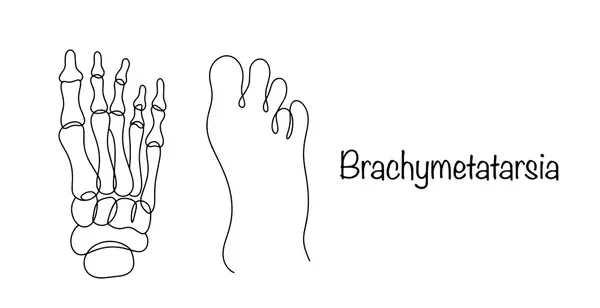
Brachymetatarsia is a foot condition in which one of the metatarsal bones is shorter than expected. The fourth metatarsal is most commonly affected. A shorter bone can change how pressure is placed on the front of the foot and may also make the affected toe appear shorter or sit differently from the neighboring toes. Some people have no pain, while others notice discomfort, calluses, or difficulty wearing certain shoes.
At Local Foot Doc, we start by carefully checking your foot shape, symptoms, and how your feet affect your daily activities. Our podiatrist looks at how a shorter metatarsal may affect the way you walk and place pressure on the front of your foot. During your brachymetatarsia treatment consultation, we will discuss your concerns, explain your options, and help you understand which treatment may be right for your needs.
What Causes Brachymetatarsia?
Brachymetatarsia usually develops when the growth plate of a metatarsal closes earlier than it should during childhood or adolescence. As a result, that bone stops growing while the surrounding bones continue developing. In many cases, the exact reason for early growth plate closure is not known.
Possible causes or associated factors include:
Genetic factors
Some cases occur as part of an inherited tendency or certain genetic conditions.
Growth plate problems
Early closure of the metatarsal growth plate can prevent normal bone lengthening.
Previous injury
Trauma involving the growth plate during childhood can sometimes affect bone development.
Infection
Certain childhood infections involving a growth area of bone may interfere with normal development.
Medical conditions
Some endocrine, metabolic, or skeletal conditions can be associated with abnormal bone growth.
An evaluation can help determine whether the shortened metatarsal is affecting your foot function or causing pressure in other areas.
What Symptoms Can Brachymetatarsia Cause?
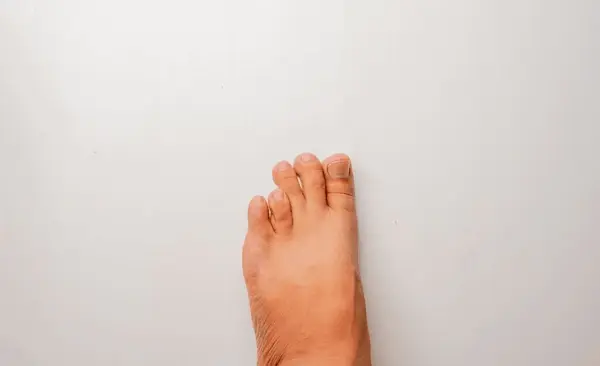
The appearance of a shortened toe may be the main concern, but the condition can also affect comfort and footwear. Symptoms vary from person to person and may depend on the degree of shortening of the affected metatarsal.
You may notice:
Shortened appearance
One toe may look noticeably shorter than the neighboring toes.
Forefoot discomfort
Extra pressure beneath the ball of the foot can cause soreness during standing or walking.
Calluses
Increased pressure under certain areas may lead to thickened skin.
Toe positioning changes
The affected toe may sit higher than the others or have a different position.
Shoe-fitting problems
Some shoes may feel uncomfortable because of changes in toe position or pressure.
Foot fatigue
Changes in weight distribution can contribute to tired or achy feet after extended activity.
Not everyone with brachymetatarsia develops pain or functional problems.
How Is Brachymetatarsia Diagnosed?
Diagnosis starts with a physical examination and a discussion about your symptoms, medical history, footwear concerns, and activity level. Our podiatrist examines the toes and forefoot, assessing joint movement, alignment, skin changes, and areas of tenderness.
Weight-bearing X-rays are commonly used to evaluate the metatarsal bones and measure length differences. They can also help assess the alignment of the surrounding bones and joints. Additional imaging may be considered when another foot problem needs further evaluation.
Brachymetatarsia Care and Treatment
Treatment depends on your symptoms, the amount of shortening, the effect on foot function, and your personal goals. If the condition is not causing significant problems, treatment may not be necessary.
Possible options include:
Footwear changes
Shoes with a roomy toe box can reduce crowding and pressure on the forefoot.
Custom orthotics
Orthotic devices can help redistribute pressure across the foot.
Protective padding
Gel pads or other cushioning may reduce irritation in areas exposed to increased pressure.
Activity adjustments
Changing activities that repeatedly aggravate your symptoms may improve comfort.
Surgical correction
Bone-lengthening or other reconstructive procedures may be considered when symptoms or structural concerns are significant.
Managing Brachymetatarsia at Home
Simple changes can help reduce pressure on the affected area during everyday activities.
Choose roomy footwear
Select shoes with enough width and depth for your toes to move comfortably.
Avoid restrictive shoes
Limit narrow-toe shoes and high heels if they increase pressure or discomfort.
Protect sensitive areas
Use appropriate cushioning where rubbing or pressure can irritate.
Follow orthotic instructions
Wear prescribed orthotics as directed to help manage pressure during activity.
Watch for skin changes
redness, calluses, blisters, or persistent irritation.
Locations We Serve
At Local Foot Doc, we provide podiatric care at convenient offices throughout Brooklyn and Queens.
Howard Avenue Brooklyn Office
Address: 802 Howard Ave 1st Floor, Brooklyn, NY 11212, United States
Phone: (718) 495-3668
Forest Hills Office
Address: 69-39 Yellowstone Blvd, Forest Hills, NY 11375, United States
Phone: (718) 575-3668
Astoria Office
Address: 23-18 Broadway, Long Island City, NY 11106, United States
Phone: (718) 545-0205
Why Patients Choose Local Foot Doc
At Local Foot Doc, we believe that good podiatric care starts with understanding your concerns and providing clear information about your condition.
Compassionate care
We provide attentive podiatric care in a comfortable and relaxed setting.
Patient education
Our podiatrist explains your condition and answers your questions about treatment.
Personalized care
We consider your symptoms, foot structure, activities, and individual goals when planning care.
Informed decisions
We give you the information needed to participate in decisions about your treatment.
Quality podiatric services
Our team focuses on delivering high-quality care to support your overall foot health.
Collaborative relationship
We value your concerns and input throughout your care.
Schedule a Brachymetatarsia Evaluation
If a shortened toe is causing pain, pressure, or difficulty finding comfortable shoes, an evaluation can help you understand your options. Local Foot Doc can assess your foot structure and discuss conservative and surgical approaches when appropriate. Contact our team to schedule an appointment at a convenient Brooklyn or Queens office.
FAQs
Does brachymetatarsia always cause pain?
No. Some people have a shortened metatarsal without pain or functional problems and may only notice a difference in the toe’s appearance.
Can brachymetatarsia get worse over time?
The shortened bone itself does not continue becoming shorter after growth has finished. However, changes in pressure distribution can contribute to discomfort, calluses, or other symptoms over time.
Can orthotics correct a shortened metatarsal?
Orthotics cannot lengthen a bone, but they may help redistribute pressure and improve comfort when appropriate for your foot structure.
Is surgery the only way to lengthen the toe?
Surgery is the treatment used to lengthen a shortened metatarsal. Non-surgical care can help manage pressure, discomfort, and shoe-fitting issues when bone lengthening is unnecessary or not desired.