

What if the pain that’s limiting your walks, work, or workouts needs a fresh explanation, not simply another treatment? A search for “getting a second opinion for chronic ankle pain Queens” often starts with practical questions: why does the ankle still hurt, and what should happen next?
When symptoms persist, it’s reasonable to ask whether the diagnosis explains them and whether other options may be appropriate. A second evaluation brings your symptoms, previous findings, and proposed care into one discussion. It may not change your diagnosis or plan, but it can help you understand what could be contributing to the pain and make informed decisions about next steps.
This guide covers when another evaluation may be useful, which records and questions to bring, and what to expect from a foot and ankle consultation in Queens. Local Foot Doc provides foot and ankle consultations, examinations, and in-office diagnostic imaging to help patients understand their concerns and discuss an individualized plan.
Key Takeaways
- Consider another evaluation when ankle pain persists, changes with activity, or continues to disrupt daily routines.
- A second opinion reviews your symptoms, examination findings, previous tests, and response to treatment. A different recommendation doesn’t automatically mean the first diagnosis was wrong.
- Compare treatment options by their reasoning, goals, limitations, and follow-up plan, not just by how intensive they sound.
- Prepare for getting a second opinion for chronic ankle pain Queens by summarizing your symptoms, listing treatments tried, and bringing imaging reports, available images, and prior notes.
- Learn how consultations, examinations, and in-office diagnostic imaging at Local Foot Doc’s Forest Hills, Astoria, and Woodhaven locations can help clarify next steps.
When chronic ankle pain in Queens deserves another opinion
A second opinion is an additional clinical evaluation, not proof that your first clinician was wrong. It gives another foot and ankle specialist a chance to review your symptoms, examine the ankle, and consider how your experience fits with previous findings. You can seek clarification even if you trust your current clinician, particularly when you’re deciding between treatment options.
Consider how long the pain has lasted, whether it’s improving or worsening, and what tends to bring it on. Symptoms that interfere with walking, work, exercise, or everyday routines deserve attention. Pain can have different causes, and the sensation alone can’t confirm what’s behind it. An in-person assessment can help evaluate the issue in the context of your history and examination.
What does chronic ankle pain feel like in everyday life?
Notice where the discomfort occurs and how it feels. Is it sharp, aching, stiff, or accompanied by a sense that the ankle might give way? Does it bother you while walking, after activity, or first thing in the morning? These details don’t diagnose a condition, but they help a clinician understand your experience and decide what may need further evaluation.
Also note practical changes. Perhaps stairs take more effort, you’re avoiding longer walks, or you need to pause during a shift at work. General information about ankle problems describes a range of possible causes, including arthritis and tendonitis. Your symptoms and examination are needed to assess what may apply to you.
When might another ankle evaluation be useful?
Reassessment may be useful when symptoms persist, the explanation you received is still unclear, or the plan hasn’t brought the improvement you expected. A second evaluation can help you understand how your history, examination, and earlier findings relate to the pain. The goal is a clearer picture, not a predetermined change in care.
You can also seek another perspective before deciding among proposed treatments. During a second opinion for chronic ankle pain in Queens, ask what each option is intended to address, what its limitations may be, and how progress will be reviewed. A different recommendation doesn’t automatically mean the first was an error, and it doesn’t mean surgery is necessary.
New severe symptoms or a sudden, major change in your ankle should be assessed promptly rather than waiting for a routine second-opinion visit. Otherwise, tracking your pain pattern and its effect on daily life can help make a planned evaluation more useful.
What a second opinion for chronic ankle pain can clarify
An additional evaluation brings the pieces of your ankle care together: your symptom history, examination findings, prior tests, and response to treatment. Rather than focusing on one scan or diagnosis alone, a foot and ankle specialist considers how these details relate to your pain. This can help clarify what the existing information supports and what may need further assessment.
Clinicians may interpret findings differently or discuss more than one reasonable approach. That doesn’t necessarily mean someone made an error. The purpose is to understand the reasoning behind each recommendation and how it fits your goals and circumstances.
Which parts of the first evaluation may be reviewed?
Be ready to discuss when symptoms began, any injury or change in activity, diagnoses you’ve received, relevant medical conditions, and treatments you’ve tried. Prior X-ray or MRI reports, the images themselves when available, examination notes, and treatment records can give the specialist useful context.
Test results are considered alongside your symptoms and a physical examination. If imaging could help answer a clinical question, an in-office evaluation may include diagnostic imaging. Imaging isn’t automatically needed for every patient. The decision depends on the findings and information already available.
What questions can an additional evaluation answer?
A second opinion can help you explore practical questions such as:
- Do the examination and available test results help explain where the pain occurs and how it behaves?
- Which non-surgical approaches or procedures might be reasonable to discuss for this particular case, and what are their goals and limitations?
- What changes should you monitor, and when should progress or the plan be reassessed?
These questions support a clearer conversation, but an evaluation can’t promise a particular diagnosis or outcome. Your next steps depend on your history, examination, and any relevant imaging. A useful discussion explains what is known, what remains uncertain, and why a proposed option may fit your situation.
For someone getting a second opinion for chronic ankle pain in Queens, bringing previous findings into a focused review can make it easier to connect them with day-to-day symptoms. Local Foot Doc provides foot and ankle consultations, examinations, and in-office diagnostic imaging in Queens. Learn more about foot and ankle consultations as you consider what may help clarify your next steps.
How to compare ankle pain diagnoses and treatment recommendations
Two clinicians may reach different conclusions without either one being careless or wrong. They may interpret the same findings differently, weigh your symptoms or activity needs differently, or see more than one reasonable path. Instead of choosing the plan that sounds most intensive, compare how clearly each recommendation connects to your examination, imaging, and priorities.
A side-by-side record can keep the discussion focused. Fill it in during or after each appointment, and ask for an explanation in everyday language if a detail isn’t clear.
| Proposed option | Clinical reasoning | Intended goal | Limitations | Follow-up |
|---|---|---|---|---|
| Recommendation 1 | What symptoms or findings support it? | What change is it meant to help achieve? | What uncertainties or downsides should you understand? | How and when will progress be reviewed? |
| Recommendation 2 | What symptoms or findings support it? | What change is it meant to help achieve? | What uncertainties or downsides should you understand? | How and when will progress be reviewed? |
What makes a treatment explanation clear and useful?
A useful explanation links examination or imaging findings to the symptoms you’ve described, rather than presenting a recommendation without context. It also describes the intended goal, possible limitations, and how the clinician will review your progress. You should have room to ask questions and understand alternatives in plain language. This clarity helps you judge whether the plan addresses your concerns, not just whether it sounds decisive.
How can you discuss conflicting recommendations?
Ask each clinician what evidence and reasoning led to the recommendation. Then consider whether both plans address the same pain pattern, daily activities, and priorities. One plan may focus on a different aspect of your symptoms, or the options may reflect different approaches to the same findings.
Don’t decide solely on urgency, procedure intensity, or a promise of a guaranteed result. Ask what each option is intended to accomplish, what could limit its benefit, and what would prompt a change in the plan. Getting a second opinion for chronic ankle pain in Queens can help you compare the explanations and identify what still needs clarification. The right choice depends on your individual assessment, not a universal ranking of treatments.

How to prepare for a chronic ankle pain second opinion
A little preparation can make your appointment more focused. Before getting a second opinion for chronic ankle pain in Queens, write a brief timeline of your symptoms and gather the records that show what’s already been assessed or tried. You don’t need to organize a perfect medical file. A clear summary is a useful starting point.
Which records and symptom details should you bring?
Collect imaging reports and, when available, the actual X-rays or MRI images, along with prior clinician notes, visit summaries, and medication details. Make a short list of treatments you’ve tried and how your ankle responded. If pain flares during sports or other activity, this sports medicine guidance for New York City athletes may help you identify the activities you want to discuss.
Keep a simple symptom log before the visit. Note when the pain began, where you feel it, what makes it better or worse, and whether your mobility has changed. Include effects on walking, work, exercise, sleep, or routine tasks. These observations describe your experience; they don’t establish a diagnosis.
Bring a short list of questions and identify what matters most to you, such as walking comfortably, returning to a specific activity, or understanding the choices ahead. Prioritizing your concerns can keep the discussion centered on your daily life.
What should you ask during the appointment?
Clear questions can help turn examination findings and prior records into a plan you understand. Consider asking:
- Which findings support the working diagnosis, and what remains uncertain?
- What options make sense for my individual situation, and what are their goals and limitations?
- How will we monitor progress, and when should the plan be reviewed?
- Which changes in my symptoms should prompt follow-up or a more urgent assessment?
Write down the answers or bring someone you trust to help take notes. If an explanation feels too technical, ask for it in plain language. You should leave with a clearer sense of what the evaluation found and what the next step is meant to address, even if further discussion is needed.
For a careful review of ongoing ankle symptoms and your prior care, plan a foot and ankle consultation with Local Foot Doc.
Getting a second opinion for chronic ankle pain in Queens with Local Foot Doc
Ongoing ankle pain can leave you unsure whether your diagnosis fully explains your symptoms or which option makes sense next. At Local Foot Doc, a second evaluation is an opportunity to review your concerns, understand your prior care, and discuss possible next steps with a foot and ankle specialist. The aim is a clearer understanding and an individualized conversation, not a promised diagnosis or outcome.
What to expect from a local foot and ankle evaluation
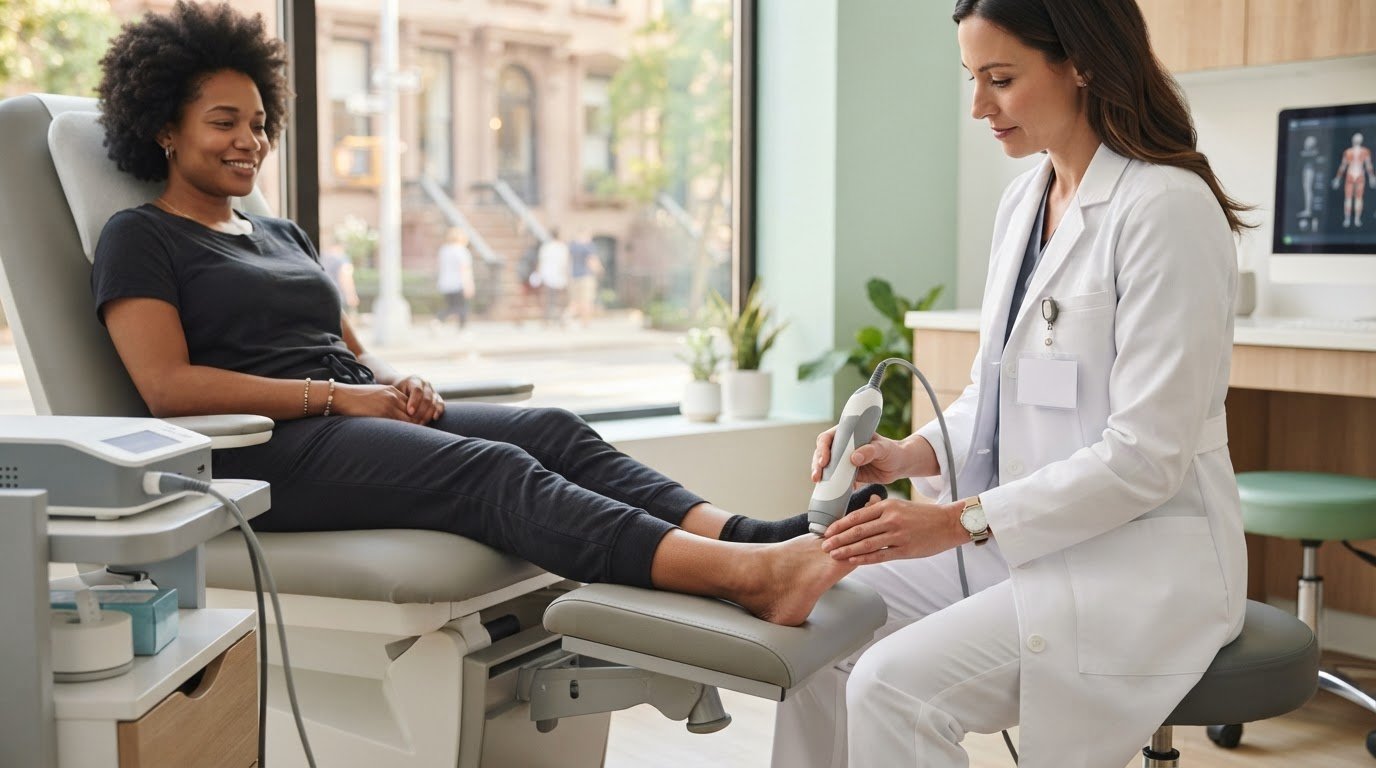
Your visit can include a discussion of your symptoms, health and injury history, daily activities, and care you’ve already received. An examination helps assess the ankle in light of that history. When imaging is clinically appropriate, Local Foot Doc provides in-office diagnostic imaging as part of its foot and ankle care. Whether imaging is needed depends on the individual assessment.
Bring your previous records if you have them, including reports, images, and notes. They can help connect earlier findings with what you’re experiencing now. You’ll have an opportunity to discuss what the evaluation suggests, what remains uncertain, and which next steps may fit your situation. For broader local context on foot and ankle care, consider what matters most to you when choosing a podiatrist in Forest Hills.
Taking the next step toward a clearer ankle care plan
Local Foot Doc serves Queens communities including Forest Hills, Astoria, and Woodhaven. Seeking another perspective doesn’t mean you’re rejecting your previous care or committing to a procedure. It’s a practical way to take part in decisions, ask for explanations, and understand how your options relate to your symptoms and daily goals.
Before scheduling, gather the records you can access and write down the questions you want answered. Note how ankle pain affects activities such as walking, working, or exercising, so the conversation stays grounded in what matters to you. For anyone getting a second opinion for chronic ankle pain in Queens, a focused evaluation can help bring symptoms, prior care, and choices into a more understandable plan.
Take the next step by scheduling an ankle pain evaluation with Local Foot Doc. Bring your prior records and questions so we can discuss your concerns and appropriate next steps together.
Take the next step toward a clearer ankle care plan
Persistent ankle pain deserves an explanation that connects your symptoms, examination findings, and treatment choices. A second opinion is an opportunity to ask questions and understand reasonable next steps, not a promise that the diagnosis will change or that a procedure is needed. Bring your prior records and notes about how pain affects your daily activities to help guide the conversation.
For people considering getting a second opinion for chronic ankle pain in Queens, Local Foot Doc provides foot and ankle care in Queens and Brooklyn, including consultations, examinations, and in-office diagnostic imaging. The practice brings more than 20 years of clinical experience in the New York City area to individualized patient care.
You deserve to feel informed as you decide what to do next. Schedule an ankle pain evaluation with Local Foot Doc and take a practical step toward understanding your options and moving forward with greater confidence.
Frequently Asked Questions
When should I get a second opinion for chronic ankle pain?
Consider another evaluation if ankle pain persists, interferes with walking or daily activities, or hasn’t improved as expected with your current plan. It may also help if you’re unsure how the diagnosis explains your symptoms or want to understand options before making a treatment decision. A second opinion doesn’t mean the first clinician was wrong. If symptoms suddenly become severe or change substantially, seek prompt medical attention.
Can a second opinion change my ankle pain diagnosis?
It can refine or, in some cases, change the working diagnosis, but there’s no guarantee. A second clinician reviews your history, examination findings, available imaging, and response to care. Different conclusions may reflect different interpretations of the same information or reasonable clinical approaches, not necessarily an error. Ask what findings support the assessment and what remains uncertain, so you understand how the conclusion relates to your symptoms.
What should I bring to a second-opinion appointment for ankle pain?
Bring prior X-ray or MRI reports and, if available, the actual images, along with clinician notes or visit summaries. Make a list of medications and treatments you’ve tried and how your ankle responded. A brief symptom timeline can help too: when pain began, what triggers or eases it, and how it affects walking, work, exercise, or routine activities. Write down your main questions and goals for care.
Do I need an MRI before getting a second opinion for chronic ankle pain?
No, an MRI isn’t automatically required before a second opinion. Bring any imaging reports and images you already have, but the clinician can assess your history and examine your ankle to determine what information is useful. Further imaging, including an MRI, depends on the individual clinical assessment. Ask how a proposed test could help clarify your symptoms and whether the results would affect the next steps.
Will a second opinion for ankle pain mean I need surgery?
No. Seeking another evaluation doesn’t commit you to surgery or mean a procedure will be recommended. The purpose is to review your symptoms and findings, explain reasonable options for your individual situation, and discuss their intended goals and limitations. Depending on the assessment, the conversation may include non-surgical approaches or procedures. You can ask why an option is being considered and how progress would be reviewed.
How do I compare two different recommendations for chronic ankle pain?
Compare the reasoning, intended goal, limitations, and follow-up plan for each recommendation. Ask how examination or imaging findings relate to your symptoms and whether each plan addresses the same daily activities and priorities. A more intensive option isn’t automatically better, and differing recommendations don’t prove that one clinician is wrong. Clear explanations can help you understand what each approach aims to address and what questions you still need answered.
Where can I get a second opinion for chronic ankle pain in Queens?
Local Foot Doc provides foot and ankle consultations and examinations in Queens, with locations serving Forest Hills, Astoria, and Woodhaven. The practice also provides in-office diagnostic imaging when appropriate to the clinical assessment. For people getting a second opinion for chronic ankle pain in Queens, bringing prior records and questions can support a focused discussion about symptoms and possible next steps. Local Foot Doc also provides foot and ankle care in Brooklyn.