
Ingrown Toenail Treatment
Ingrown Toenail Treatment Near You
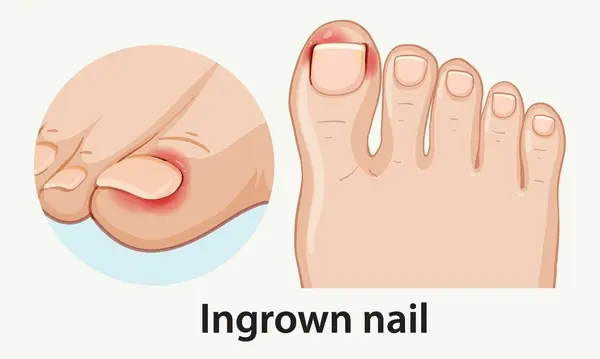
An ingrown toenail develops when the edge or corner of a toenail grows into the surrounding skin. It most often affects the big toe and can cause tenderness, redness, swelling, and pain when wearing shoes or walking. If the area becomes infected, drainage or increasing inflammation may develop.
At Local Foot Doc, we examine the affected nail and surrounding skin to determine how deeply the nail is pressing into the tissue. Our podiatrist explains the treatment options based on the severity of the problem and whether it has happened before.
Why Ingrown Toenails Develop
Several factors can contribute to an ingrown nail. Understanding these factors may help reduce the chance of the problem returning.
Common contributors include:
Improper trimming
Cutting nails too short or rounding the corners can encourage the edge to grow into the skin.
Tight shoes
Narrow footwear can push the toes together and increase pressure around the nail.
Nail shape
Naturally curved nails may be more likely to become ingrown.
Toe injury
Trauma can change the way a nail grows.
Repeated pressure
Activities that place ongoing pressure on the toes may contribute to irritation.
Symptoms of an Ingrown Nail
The problem may begin with mild tenderness and become more uncomfortable as the nail continues pressing into the skin.
You may notice:
Tenderness
The skin beside the nail may hurt when touched.
Redness
Irritated tissue may become visibly red.
Swelling
The skin around the nail can become puffy.
Drainage
Infection may cause fluid or pus around the nail.
Walking discomfort
Pressure from shoes may make movement painful.
How We Examine the Nail
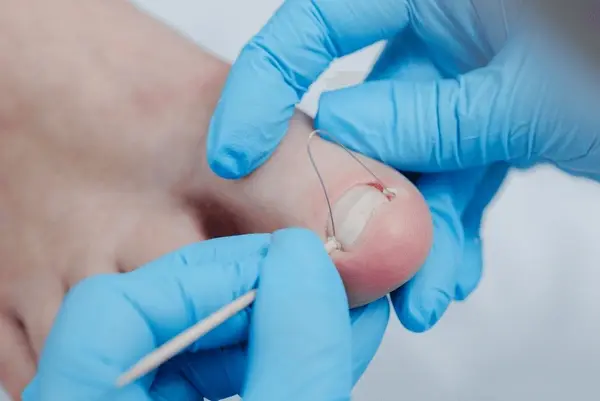
We inspect the nail and surrounding tissue to determine whether the edge has entered the skin and whether infection is present. We also ask whether you have had ingrown nails before and what you have tried at home.
This evaluation helps us determine whether simple care is appropriate or whether a procedure may provide better relief.
Treatment for Ingrown Toenails
Treatment depends on the severity of the problem and whether it keeps returning. Mild cases may improve with appropriate care, while painful or infected nails may require professional treatment.
Possible options include:
Conservative care
Appropriate changes to nails and footwear may help in selected mild cases.
Professional nail treatment
Your podiatrist can safely manage the affected nail without unnecessary injury to the skin.
Partial nail removal
Removing the problematic edge can relieve pressure on the surrounding tissue.
Infection treatment
Appropriate medical treatment may be recommended when an infection is present.
Preventive procedure
A procedure may be considered for recurrent cases to reduce the chance of the same nail edge regrowing.
Caring for Your Toes
After treatment, simple habits can help reduce pressure and support healthy nail growth.
Trim correctly
Cut toenails straight across, avoiding deep cuts at the corners.
Choose wider shoes
Give your toes enough room to move without pressure.
Keep feet clean
Regular foot hygiene can help maintain healthy skin around the nails.
Avoid picking
Digging into the nail edge can damage the surrounding skin.
Follow aftercare
Follow your podiatrist’s instructions after any procedure.
Locations We Serve
Local Foot Doc provides podiatric care at offices in Brooklyn and Queens.
Howard Avenue Brooklyn Office
Address: 802 Howard Ave 1st Floor, Brooklyn, NY 11212, United States
Phone: (718) 495-3668
Forest Hills Office
Address: 69-39 Yellowstone Blvd, Forest Hills, NY 11375, United States
Phone: (718) 575-3668
Astoria Office
Address: 23-18 Broadway, Long Island City, NY 11106, United States
Phone: (718) 545-0205
Our Approach to Podiatric Care
At Local Foot Doc, we provide care with an emphasis on comfort, education, and communication.
Comfort-focused care
We discuss appropriate options based on your symptoms and condition.
Personalized recommendations
Your treatment is selected according to your individual needs.
High-quality podiatric care
Our mission is to support your overall health through professional foot care.
Patient involvement
We believe your understanding and input should be part of treatment decisions.
Do Not Let an Ingrown Nail Get Worse
A painful toenail can make walking and wearing shoes uncomfortable, and signs of infection should not be ignored. Our team can examine the nail and discuss the appropriate treatment. Contact Local Foot Doc to schedule an appointment.
FAQs
Can an ingrown toenail heal without treatment?
Some mild cases may improve with appropriate home care, but persistent pain or inflammation should be evaluated.
Should I cut out the corner of an ingrown toenail myself?
Digging into the nail can injure the skin and worsen the problem, so professional care is safer when symptoms persist.
Can an ingrown toenail become infected?
Yes, an ingrown nail can lead to infection, particularly when the surrounding skin becomes damaged.
How can I prevent ingrown toenails from returning?
Proper nail trimming, roomy footwear, and addressing factors that repeatedly place pressure on the toe can help reduce recurrence.