

Hammertoe Treatment
Hammertoe Treatment Near You
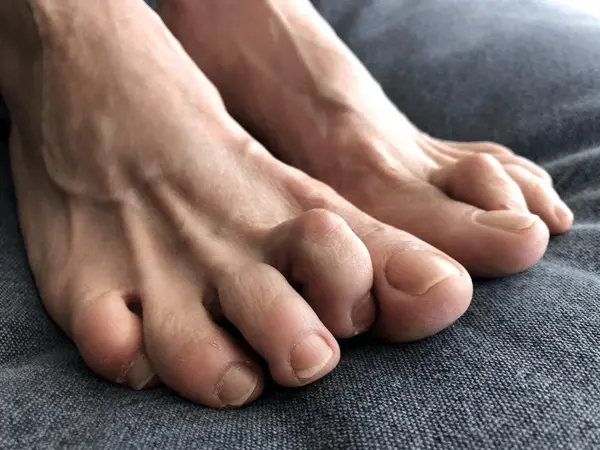
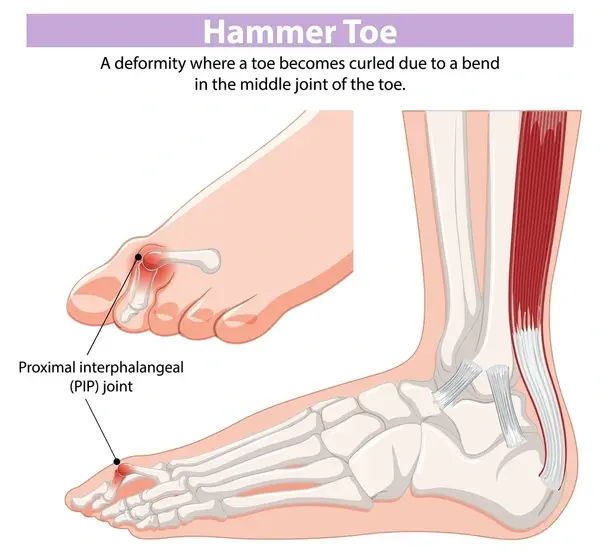
A hammertoe occurs when one of the smaller toes becomes bent at one or more joints. The toe may remain flexible in the early stages, but can become more rigid over time. This change in position can create pressure against shoes and may lead to corns, calluses, or pain.
Our team at Local Foot Doc assesses the affected toe and looks at how it moves and functions with the rest of your foot. We consider your symptoms and the toe’s flexibility before recommending treatment.
What Can Lead to Hammertoes?
Hammertoes can develop for several reasons. Muscle and tendon imbalance, foot structure, and pressure from footwear can all contribute.
Common factors include:
Muscle imbalance
Uneven forces can gradually pull a toe into an abnormal position.
Foot structure
Certain foot shapes may increase the likelihood of developing hammertoes.
Tight shoes
Limited toe space can place repeated pressure on the smaller toes.
Previous injury
Trauma can sometimes affect the position or movement of a toe.
Arthritis
Joint changes may contribute to stiffness and altered toe position.
Symptoms You May Notice
A hammertoe may be painless initially, but symptoms can develop as pressure increases.
Possible problems include:
Toe pain
The affected joint may hurt during walking or when pressed.
Bending
The toe may remain curled rather than lie flat.
Corns
Repeated pressure from shoes can create thickened areas of skin.
Calluses
Pressure beneath or around the toe can produce hardened skin.
Reduced flexibility
A longstanding hammertoe may become difficult to straighten.
Evaluating the Affected Toe
We examine the toe, assessing its position, flexibility, tenderness, and relationship to the rest of the foot. We also ask about footwear and activities that may be increasing pressure.
X-rays may be recommended to evaluate the bones and joints, particularly if the toe has become rigid or surgery is being considered.
Treatment Based on Toe Flexibility
The best approach depends on whether the toe remains flexible and how much discomfort it causes.
Treatment may include:
Roomier footwear
Shoes with adequate toe space can reduce pressure on the bent toe.
Protective padding
Padding can reduce friction over prominent areas.
Custom orthotics
Orthotics may help redistribute pressure across the foot.
Toe exercises
Selected exercises may help maintain flexibility when appropriate.
Medication
Appropriate medication can help manage pain when medically suitable.
Surgical correction
Surgery may be considered for painful deformities that do not respond to conservative treatment.
Reducing Pressure at Home
Simple changes can make shoes and daily activities more comfortable.
Avoid narrow shoes
Choose footwear that allows your toes to spread naturally.
Protect pressure areas
Use recommended pads to reduce rubbing.
Keep toes flexible
Perform only the exercises your podiatrist recommends.
Check your skin
Look for corns, blisters, or irritated areas caused by friction.
Locations We Serve
Local Foot Doc offers podiatric services at offices in Brooklyn and Queens.
Howard Avenue Brooklyn Office
Address: 802 Howard Ave 1st Floor, Brooklyn, NY 11212, United States
Phone: (718) 495-3668
Forest Hills Office
Address: 69-39 Yellowstone Blvd, Forest Hills, NY 11375, United States
Phone: (718) 575-3668
Astoria Office
Address: 23-18 Broadway, Long Island City, NY 11106, United States
Phone: (718) 545-0205
Personalized Care for Hammertoes
At Local Foot Doc, we take the time to understand your toe concerns and help you feel confident about your care options.
Patient education
Our podiatrist explains your hammertoe and answers your questions.
Comfort-focused care
We look for practical ways to reduce pressure and irritation.
Quality podiatric services
Our mission is to provide high-quality care.
Shared decisions
We encourage your knowledge and input when choosing treatment.
Find Relief From Painful Hammertoes
A hammertoe does not always require surgery, but a podiatrist should be consulted for ongoing pain, corns, or trouble wearing shoes. Our team at Local Foot Doc can examine your toe and explain the treatment options that may be right for you. Contact Local Foot Doc today to schedule an appointment.
FAQs
Can hammertoes be straightened without surgery?
Conservative treatment can improve comfort and reduce pressure, but a fixed deformity may not be permanently straightened without surgery.
Can hammertoes become worse over time?
Yes, some hammertoes may become stiffer or more difficult to straighten over time. However, this can vary from person to person.
Can the wrong shoes make hammertoe pain worse?
Yes. Shoes that are tight or do not leave enough room for your toes can put extra pressure on a bent toe, worsening symptoms.
Will I need surgery to treat a hammertoe?
Not always. Many hammertoes can be managed without surgery. Surgery may be considered when symptoms continue despite other treatments.