

Fungal Nail Treatment
Fungal Nail Treatment Near You
A fungal nail infection can gradually change the appearance and texture of a toenail. The nail may become thick, brittle, yellowish, white, or difficult to trim. Because toenails grow slowly, improvement can take time even after the infection has been successfully treated. At Local Foot Doc, we examine abnormal nails to determine whether a fungal infection is actually present. Other problems, including repeated nail trauma and certain skin conditions, can cause similar changes. When appropriate, testing can help confirm the diagnosis before treatment begins.

Understanding Fungal Nail Infections
Fungal nail infections occur when fungi affect the nail or the tissues beneath and around it. The infection may start in one nail and can sometimes spread to other nails.
Factors that may increase the risk include:
Previous fungal infection
A history of athlete’s foot can increase exposure to the fungus.
Moist environments
Fungi thrive in warm and damp conditions.
Nail injury
Damage to a nail can make it more vulnerable to infection.
Enclosed footwear
Shoes that retain heat and moisture may encourage fungal growth.
Reduced circulation
Certain health conditions can affect the feet and their ability to resist infection.
Changes in an Infected Nail
Fungal nails often change gradually rather than suddenly. You may notice several differences as the infection progresses.
Possible signs include:
Thickening
The affected nail may become harder to cut.
Discoloration
A nail can develop yellow, white, brown, or other color changes.
Brittleness
The nail may become crumbly or break more easily.
Shape changes
An infected nail may become distorted as it grows.
Debris
Material can collect underneath the nail.
Treatment Options for Fungal Nails
Treatment depends on the number of affected nails, the severity of the infection, your health, and other individual factors.
Options may include:
Topical medication
Antifungal medicine can be applied directly to the affected nail in selected cases.
Oral medication
Some patients may benefit from prescription antifungal tablets after an appropriate medical evaluation.
Nail care
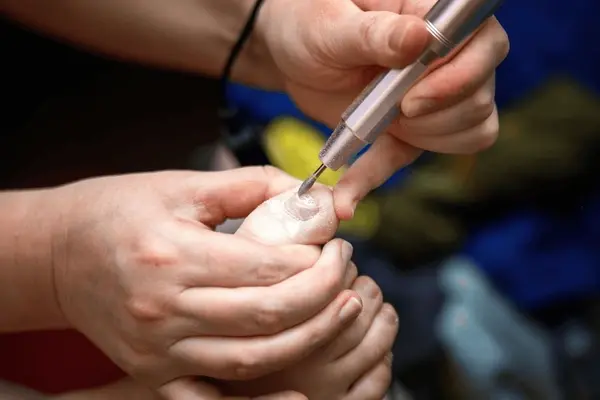
Professional trimming can make thick or difficult nails easier to manage.
Monitoring
Follow-up appointments can help assess changes as the nail grows.
Preventive care
Keeping feet dry and reducing exposure to fungi can lower the risk of reinfection.
Toenails grow slowly, so the appearance of a healthy nail may take months to return, even when treatment is working.
Caring for Your Nails
Daily habits can support treatment and reduce exposure to fungi.
Keep nails clean
Regular cleaning helps maintain healthy nail hygiene.
Keep feet dry
Dry your feet carefully after bathing, especially between the toes.
Use clean socks
Change socks regularly to reduce moisture buildup.
Protect your feet
Wear footwear in shared wet areas.
Do not share tools
Keep nail clippers and other personal items for your own use.
Keeping Athlete's Foot From Returning
Daily habits can support treatment and reduce exposure to fungi.
Dry between your toes
Carefully dry the spaces between the toes after washing.
Change socks
Replace damp socks with clean, dry ones regularly.
Rotate footwear
Allow shoes time to dry before wearing them again.
Wear protective footwear in shared areas
Use it around communal showers and pools.
Avoid sharing personal items
Keep towels, socks, and footwear for your own use.
Locations We Serve
Local Foot Doc provides podiatric care at three offices in Brooklyn and Queens.
Howard Avenue Brooklyn Office
Address: 802 Howard Ave 1st Floor, Brooklyn, NY 11212, United States
Phone: (718) 495-3668
Forest Hills Office
Address: 69-39 Yellowstone Blvd, Forest Hills, NY 11375, United States
Phone: (718) 575-3668
Astoria Office
Address: 23-18 Broadway, Long Island City, NY 11106, United States
Phone: (718) 545-0205
Why Choose Local Foot Doc?
At Local Foot Doc, we take the time to understand your nail concerns and explain what may be causing them.
Patient education
Our podiatrist explains your condition and answers your questions.
Accurate evaluation
Our podiatrist considers whether fungal infection or another condition is responsible for nail changes.
Personalized treatment
We tailor care to your individual circumstances.
Shared decisions
We encourage you to understand your options and participate in your treatment.
Address Changes in Your Toenails
Thickened or discolored toenails can develop for different reasons. At Local Foot Doc, our team can examine your nail, determine whether further testing may be needed, and recommend care based on the underlying cause. Schedule an appointment today to have your toenail concerns evaluated.
FAQs
How long does it take for a fungal toenail to look normal?
Toenails grow slowly, so visible improvement can take several months even when treatment is effective.
Can a fungal nail infection spread to other nails?
Yes, the infection can spread to other nails, particularly when the feet remain exposed to moisture or the fungus is left untreated.
Can a thick toenail be treated without antifungal medication?
Treatment depends on the cause; not all thick nails are fungal, so proper evaluation is important before selecting a treatment.
Does fungus always cause a discolored toenail?
No, trauma, pressure, skin conditions, and other nail problems can produce similar changes.