
Foot & Ankle Surgical Care
Foot & Ankle Surgical Care Near You
Some foot and ankle problems improve with conservative treatment, while others may require surgery to address structural damage or persistent symptoms. Foot and ankle surgery can involve bones, joints, tendons, ligaments, or other tissues, depending on the condition being treated.
Our team at Local Foot Doc does not recommend surgery without first evaluating your condition and discussing appropriate alternatives. When surgery is considered, we explain the reason for the procedure, what recovery may involve, and what you can expect throughout the process.
When May Surgery Be Considered?
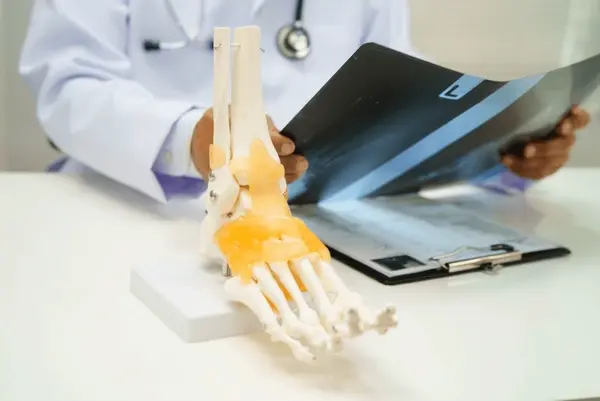
Surgery is generally considered when a specific structural problem requires correction or when appropriate nonsurgical treatment has not provided sufficient improvement.
Possible reasons include:
Severe deformity
A major change in the shape or structure of the foot may need surgical correction.
Ongoing pain
If pain continues despite treatments such as rest, medication, physical therapy, or other nonsurgical options, surgery may be discussed.
Serious injuries
Some fractures, tendon injuries, or other foot and ankle injuries may require surgery to heal properly.
Joint problems
Severe joint damage, instability, or other joint conditions may sometimes need surgical treatment.
Conditions That May Require Surgery
Foot and ankle surgery covers a wide range of procedures because different conditions affect different structures.
Surgical care may address:
Bunions
Surgery can correct certain painful structural changes around the big toe.
Flat feet
Selected patients may require reconstruction to improve foot structure and function.
Toe deformities
Procedures can address specific changes that cause pain or difficulty with footwear.
Fractures
Some complex fractures require surgical stabilization.
Tendon problems
Certain significant tendon injuries may require repair or reconstruction.
What Recovery May Involve
Your recovery plan may include:
Protected movement
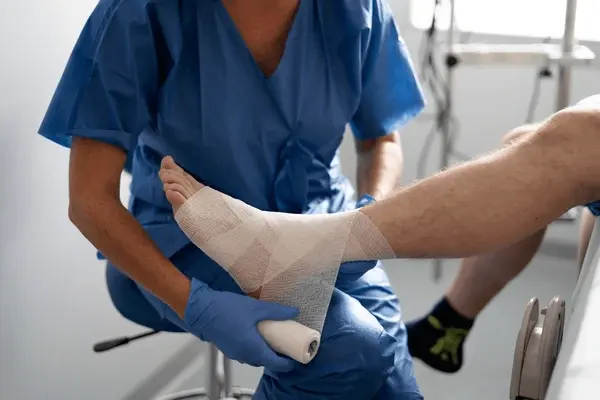
A boot, cast, or other device may be used to protect the surgical area.
Activity restrictions
Certain activities may need to be avoided while tissues heal.
Wound care
You will receive instructions on protecting the surgical area.
Physical therapy
Rehabilitation may help restore strength, flexibility, and movement.
Follow-up visits
Regular appointments allow your recovery to be monitored.
Choosing Surgery With Confidence
Surgery is an important decision, and you should have an opportunity to understand why it is being recommended. We encourage you to ask questions about the expected benefits, possible risks, alternatives, and recovery process.
Our team works with you to make sure your treatment plan reflects your condition and personal needs.
Locations We Serve
Local Foot Doc provides comprehensive podiatric services at three offices in Brooklyn and Queens.
Howard Avenue Brooklyn Office
Address: 802 Howard Ave 1st Floor, Brooklyn, NY 11212, United States
Phone: (718) 495-3668
Forest Hills Office
Address: 69-39 Yellowstone Blvd, Forest Hills, NY 11375, United States
Phone: (718) 575-3668
Astoria Office
Address: 23-18 Broadway, Long Island City, NY 11106, United States
Phone: (718) 545-0205
Our Commitment to Your Care
At Local Foot Doc, our approach begins with education and communication.
Personalized Care
We develop recommendations around your specific foot and ankle needs.
Quality podiatric care
Our team focuses on comprehensive treatment for foot and ankle conditions.
Questions are welcome
We take time to address concerns before moving forward with treatment.
Shared decisions
We believe you should be involved in decisions about your medical care.
Discuss Your Surgical Options
If a foot or ankle problem continues to affect your mobility despite other treatments, an evaluation can help clarify your options. Our podiatrists at Local Foot Doc can explain whether surgery may be appropriate and discuss what the process could involve. Contact us today to schedule a consultation.
FAQs
How do I know if surgery is appropriate for me?
Your podiatrist can assess your condition, review previous treatments, and explain whether surgery is a reasonable option.
Will I be able to walk immediately after foot surgery?
Weight bearing depends on the specific procedure, so your podiatrist will provide instructions based on your surgery.
How long does recovery take after foot surgery?
Recovery varies widely depending on the procedure and your individual healing process.
Does every foot problem require surgery?
No, many foot and ankle conditions can be managed with nonsurgical treatments.