Imagine watching your child dominate on the basketball court at Brooklyn Bridge Park, only to see them limp toward the car the moment the final whistle blows. It’s a heartbreaking sight for any parent, especially when “just resting” doesn’t seem to stop the cycle of persistent heel pain. If your young athlete is struggling with discomfort that worsens after every practice, you’re likely searching for effective Sever’s disease treatment for active kids in Brooklyn. This growth plate condition often mimics other injuries, but its management requires a specialized approach tailored to the high-impact lifestyle of a city kid.
We understand the anxiety of seeing your child sidelined while their teammates keep playing. You want more than a vague diagnosis; you want a clear path to recovery that doesn’t involve months of total inactivity. This 2026 guide will help you identify the specific signs of Sever’s disease and distinguish it from other conditions like plantar fasciitis. We’ll provide professional guidance on footwear for Brooklyn’s unforgiving concrete and outline a treatment plan that prioritizes a safe, sustainable return to the fields and courts your child loves.
Key Takeaways
- Learn why Sever’s is actually a manageable growth plate inflammation rather than a disease, typically affecting active children between ages 8 and 14.
- Discover the critical differences between temporary growing pains and calcaneal apophysitis to avoid long term compensation injuries in the knees and hips.
- Explore effective Sever’s disease treatment for active kids in Brooklyn, including the RICE method and activity modifications that work for busy city families.
- Identify why specific sports footwear like soccer cleats can aggravate symptoms and how to select sneakers with the necessary torsional rigidity and support.
- Gain a clear understanding of how personalized “Return to Play” evaluations help your young athlete resume sports safely without missing their entire season.
What is Sever’s Disease? Understanding Brooklyn’s Most Common Youth Sports Injury
Despite the name, Sever’s disease isn’t a “disease” in the medical sense; it’s a common overuse injury that we frequently see in our Brooklyn clinics. Technically known as calcaneal apophysitis, it involves inflammation of the growth plate located at the back of the heel. To understand What is Sever’s Disease?, you have to look at the anatomy of a child’s foot between the ages of 8 and 14. During these years, the heel bone (calcaneus) hasn’t fully hardened into solid bone. Instead, it contains a flexible growth plate that serves as the attachment point for the powerful Achilles tendon.
In Brooklyn, our environment plays a significant role in this condition. While suburban kids might play on soft grass, our young athletes are often sprinting across hard concrete playgrounds or high-impact turf fields at McCarren Park and Brooklyn Bridge Park. This repetitive pounding on unforgiving surfaces places immense stress on the developing heel. It’s also important to distinguish this from other issues; while many parents ask what is plantar fasciitis, that condition typically affects the bottom of the foot in adults, whereas Sever’s pain is localized to the back of the heel in growing children.
Why Growing Brooklyn Athletes are at Risk
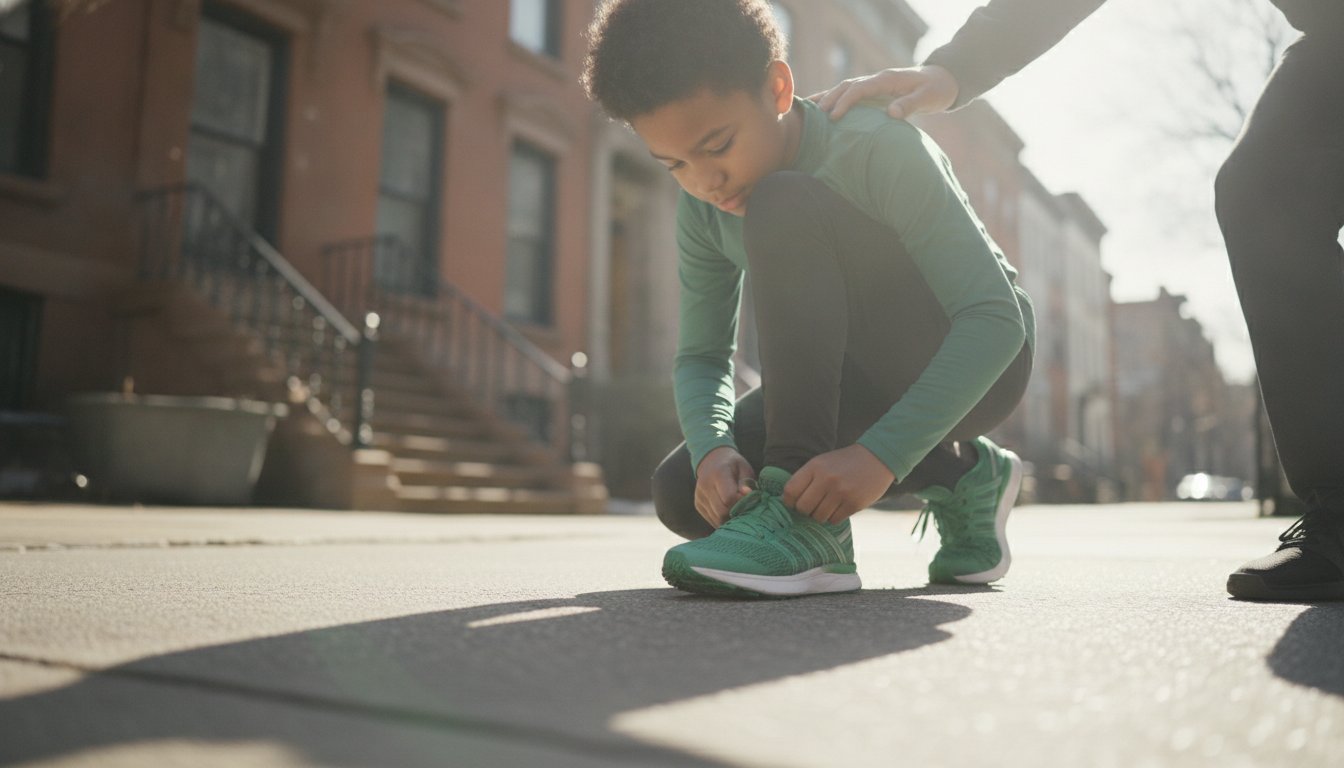
Children undergo rapid growth spurts where bones often grow faster than the surrounding muscles and tendons. This creates a “tight” environment where the Achilles tendon pulls forcefully against the sensitive growth plate. When you add the high intensity of local youth basketball or soccer leagues, the inflammation can quickly become debilitating. We also find that the daily urban commute contributes to the problem. Many kids walk several blocks to school in flat-soled sneakers or uniform shoes that offer zero heel elevation, which keeps the tendon under constant tension. Seeking specialized Sever’s disease treatment for active kids in Brooklyn is essential to address these biomechanical stresses before they lead to long-term issues.
Identifying the Symptoms: More Than Just a Limp
Identifying the problem early is key to a fast recovery. You might notice your child limping specifically during or after a game, or complaining that their shoes feel “too tight” at the heel. A reliable way to check at home is the “Squeeze Test.” Gently squeeze the sides of the very back of the heel; if this causes sharp discomfort, it’s a strong indicator of growth plate inflammation. You should also watch for “tiptoe walking.” Kids often instinctively walk on their toes to avoid putting pressure on their painful heels, a classic warning sign that they need professional evaluation. Our goal is to provide effective Sever’s disease treatment for active kids in Brooklyn so they can return to their favorite activities without pain.
Sever’s Disease vs. Growing Pains: When to See a Brooklyn Podiatrist
Many parents initially dismiss heel discomfort as simple “growing pains,” hoping the issue will resolve on its own as the child matures. While growing pains are common, they are typically vague, occur late at night, and affect both legs simultaneously. Sever’s disease is fundamentally different. It’s a localized inflammatory response to specific physical activity. Choosing to “wait it out” often backfires for young athletes. When a child limps to avoid heel pressure, they instinctively shift their weight. This altered movement pattern can lead to compensation injuries in the knees, hips, or lower back. For parents seeking specialized sports medicine expertise, understanding this distinction is the first step toward long-term mobility.
We believe a professional gait analysis is the most effective way to identify why a child is suffering. By observing how your child walks and runs, we can determine if their foot structure is contributing to the stress on the growth plate. For instance, children with flat feet or very high arches often experience increased tension on the Achilles tendon. Identifying these biomechanical factors is a core part of providing effective Sever’s disease treatment for active kids in Brooklyn. It allows us to move beyond temporary relief and focus on a permanent solution that keeps them on the field.
Red Flags That Require a Professional Evaluation
Not every minor ache requires a clinical visit, but certain “red flags” indicate that the calcaneal growth plate is under significant stress. It’s time to schedule a consultation if you notice your child has a visible limp during games or if their running form has noticeably changed to accommodate the pain. Physical signs like swelling, redness, or a sensation of heat around the heel area are clear indicators of active inflammation. If the pain persists even after several days of rest and icing, it’s a sign that the body cannot heal the injury without professional intervention.
The Diagnostic Process at Local Foot Doc
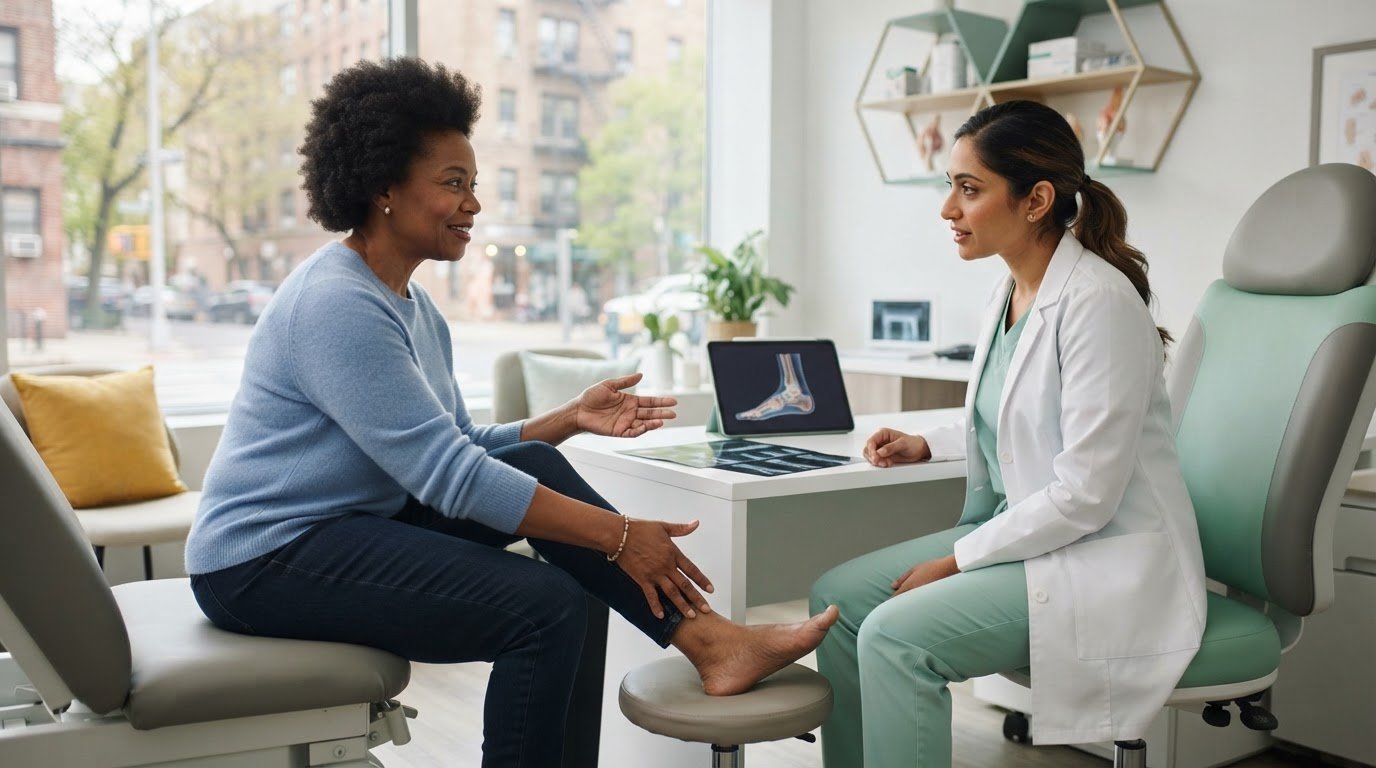
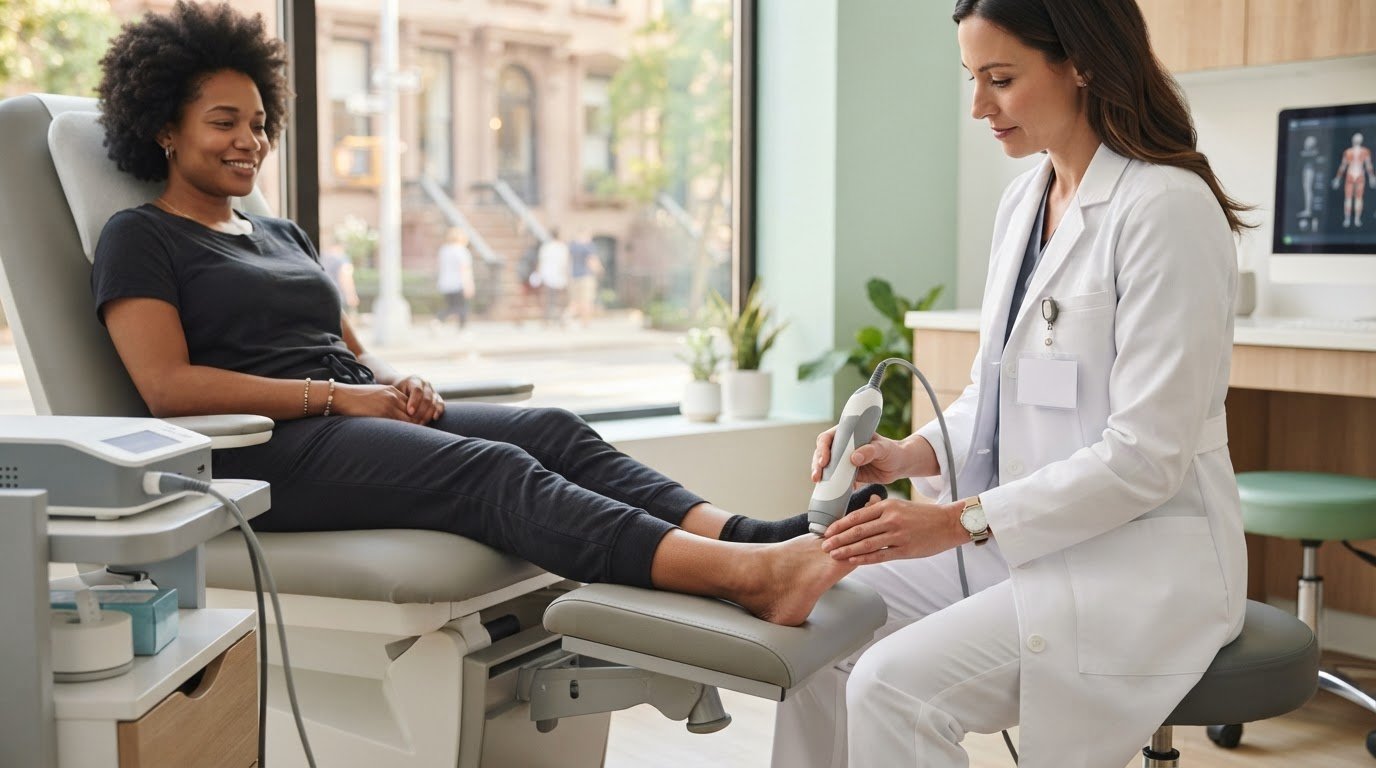
When you bring your child to our Brooklyn office, we begin with a comprehensive physical exam and a detailed history of their athletic schedule. We want to know which surfaces they play on and which sports they prioritize. While Sever’s is a clinical diagnosis, we may use X-rays to rule out stress fractures or other bone abnormalities. Clinical research into footwear and prevention for Sever’s Disease highlights that addressing foot structure early can prevent recurrence. If your child’s heel pain is disrupting their soccer or basketball season, we invite you to speak with our team to develop a personalized plan for Sever’s disease treatment for active kids in Brooklyn.
Comprehensive Treatment Options for Active Kids in Brooklyn
Managing heel pain in a city that never stops requires a practical, multi-layered strategy. We recognize that telling a dedicated young athlete to sit on the sidelines for a month is often unrealistic and discouraging. Effective Sever’s disease treatment for active kids in Brooklyn focuses on reducing immediate inflammation while addressing the underlying mechanical strain. The foundation of home care remains the RICE method: Rest, Ice, Compression, and Elevation. For busy NYC families, this might mean icing the heel for 15 minutes immediately after returning from a game or using a compression sleeve during the school day to provide consistent support while walking between classes.
Activity modification is often more successful than total rest. We work with parents to find a sustainable balance, perhaps suggesting a temporary switch from high-impact sports like basketball to lower-impact activities like swimming or cycling. This allows the growth plate to heal without sacrificing the child’s fitness or competitive spirit. In some cases, short-term use of over-the-counter anti-inflammatory medication can help manage acute flare-ups, though we always recommend this be done under professional guidance to ensure it’s appropriate for your child’s age and health history.
The Power of Custom Orthotics for Sever’s
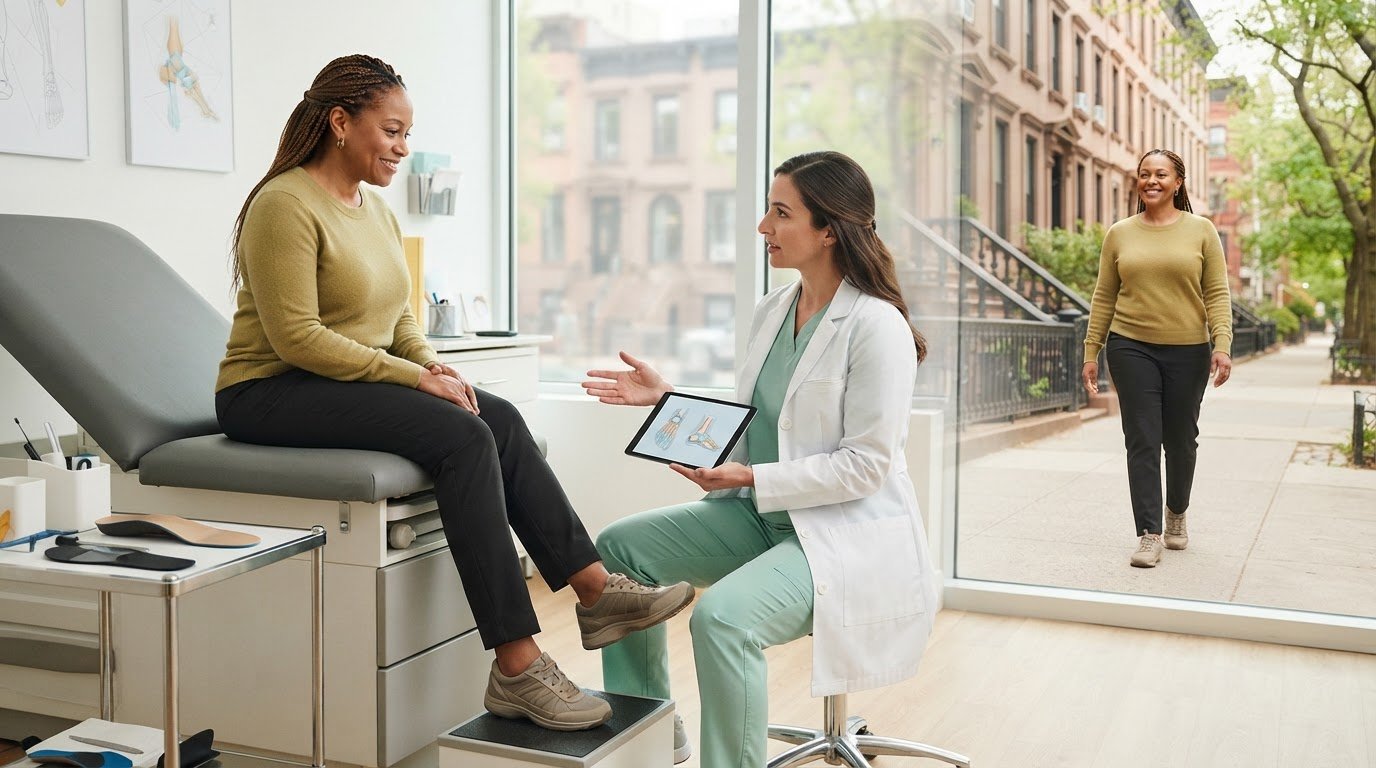
One of the most effective long-term solutions we provide involves the use of custom orthotics. Unlike generic inserts found in drugstores, these medical-grade devices are molded to your child’s unique foot structure in our local labs. They serve two vital purposes: providing a slight heel lift to reduce the pull of the Achilles tendon and offering structured arch support to stabilize the foot. This is especially important for Brooklyn’s high-impact athletes who spend hours on unforgiving pavement. By correcting biomechanics during these critical growing years, we don’t just treat the current pain; we help prevent future injuries in the ankles and knees.
Advanced Therapies: Beyond the Basics
When home care and footwear changes aren’t enough, we introduce advanced protocols to accelerate recovery. Targeted stretching is essential. We guide families through specific exercises for the gastrocnemius and soleus calf muscles, which are often the primary culprits behind growth plate tension. If the pain is recurring or severe, we may recommend a structured physical therapy program to strengthen the surrounding musculature. In more stubborn cases, we utilize specialized heel cups to provide extra cushioning or night splints that maintain a gentle stretch while the child sleeps. Our goal is to provide a comprehensive plan for Sever’s disease treatment for active kids in Brooklyn that restores their independence and gets them back to their favorite sports safely.

The Brooklyn Athlete’s Guide to Footwear and Prevention
Choosing the right gear is a cornerstone of effective Sever’s disease treatment for active kids in Brooklyn. While style often dictates a child’s choice, the mechanical support of the shoe determines their comfort on the field. Soccer and lacrosse cleats are frequently the primary enemies of a healing heel because their design often prioritizes traction over impact protection. Most competitive cleats feature a “zero-drop” profile, where the heel sits at the same height as the forefoot. This flat alignment forces the Achilles tendon to stretch further, creating a constant tug on the inflamed growth plate. The ideal athletic shoe for a child with heel pain features a firm heel counter, excellent shock absorption, and enough flexibility at the toes while remaining rigid through the arch.
Beyond the specific model of shoe, the condition of the footwear matters. Active Brooklyn kids often log several miles a week just walking between school, practice, and home. This urban mileage breaks down the foam and internal support of a sneaker much faster than a suburban lifestyle might. We advise parents to inspect their child’s athletic shoes every 3 to 6 months. If the heel of the shoe shows uneven wear or if the midsole feels soft and compressed, it’s time for a replacement to prevent a recurrence of symptoms.
Cleat Modifications for Soccer and Baseball
If your child is in the middle of a competitive season, you don’t necessarily have to abandon their cleats. We often recommend adding a medical-grade heel lift to the inside of the cleat to mimic the “drop” of a running shoe and reduce tendon tension. Additionally, look for cleats with a higher number of smaller studs rather than a few large ones. A greater number of studs helps distribute the pressure of impact across the entire sole of the foot rather than concentrating it directly under the heel. If you aren’t sure which modifications are right for your athlete, you can schedule a footwear evaluation with our sports medicine team.
Daily Habits to Prevent Recurrence
Prevention extends beyond the shoe rack. We encourage a “dynamic warm-up” before every practice, focusing on active movements like leg swings and “walking on heels” to prepare the calf muscles without overstretching the growth plate. Nutrition also plays a role; ensuring your child stays hydrated and maintains adequate calcium and vitamin D levels supports overall bone health during rapid growth spurts. Finally, we suggest limiting “barefoot time” at home. Brooklyn’s hardwood and tile floors provide no shock absorption, so wearing a supportive indoor slipper or sneaker can prevent unnecessary strain on the heel during the recovery process. This holistic approach is essential for successful Sever’s disease treatment for active kids in Brooklyn.
Recovery and Return to Play: Partnering with Local Foot Doc
At Local Foot Doc, we believe that a diagnosis shouldn’t mean the end of a sports season. Our commitment is to provide the most effective Sever’s disease treatment for active kids in Brooklyn while respecting the time and effort they’ve invested in their teams. We understand that every athlete is unique, which is why we develop personalized recovery plans that consider the specific demands of their sport and the timing of their competitive calendar. Whether your child is playing in a youth league in Forest Hills, Astoria, or Woodhaven, our goal is to restore their mobility and independence through a structured, safe approach.
We don’t just treat the injury in isolation; we view ourselves as part of your child’s athletic support system. This often involves coordinating with local coaches and athletic trainers to ensure that our recommendations are implemented on the field. By bridging the gap between clinical expertise and the reality of the game, we help prevent the premature returns that often lead to re-injury. This collaborative spirit is what makes our practice a trusted institution across Brooklyn and Queens, helping young athletes regain their confidence and return to the sports they love.
The Step-by-Step Return to Sports Protocol
A safe return to activity is a gradual process, not an overnight switch. We guide our patients through a three-phase protocol designed to test the heel’s readiness without risking a flare-up:
- Phase 1: The focus is on pain-free daily walking and consistent, light stretching of the calf muscles. If the child can navigate their school day without discomfort, they are ready for the next step.
- Phase 2: We introduce sport-specific drills, such as light jogging or shooting hoops, preferably on softer surfaces. We often recommend grass over turf during this transition to minimize impact.
- Phase 3: This is the full return to competitive play. During this phase, it is critical that the child continues to use their custom orthotic support and maintains their stretching routine to protect the growth plate.
Schedule Your Pediatric Consultation Today
If your child is struggling with persistent heel pain, expert intervention is the fastest way back to the field. Booking an appointment is easy for parents at any of our Brooklyn or Queens locations. To make the most of your first visit, we ask that you bring the athletic shoes your child wears most frequently, along with any cleats they use for their specific sport. This allows us to perform a comprehensive evaluation of their gear and gait simultaneously. While Sever’s disease is a temporary condition, professional Sever’s disease treatment for active kids in Brooklyn makes it manageable and prevents unnecessary time on the sidelines. We are here to provide the clinical authority and compassionate care your young athlete needs to thrive.
Empowering Your Child’s Return to the Field
Heel pain shouldn’t be a permanent fixture in your child’s athletic journey. As we have discussed, managing growth plate inflammation requires a proactive approach that balances activity modification with structural support. By identifying the symptoms early and addressing the biomechanical strain caused by Brooklyn’s concrete playgrounds, you can prevent the cycle of chronic discomfort. Effective Sever’s disease treatment for active kids in Brooklyn focuses on long term solutions like custom orthotics and targeted stretching, ensuring that your young athlete doesn’t just recover, but returns stronger.
At Local Foot Doc, Dr. Waldemar Majdanski and our dedicated team offer the clinical expertise and community focused care needed to navigate pediatric foot injuries. Our convenient locations in Brooklyn and Queens provide accessible, professional evaluations tailored to the needs of urban families. We believe every child deserves to move without pain and regain their independence on the court. Book a Pediatric Foot Evaluation at Local Foot Doc Today to start a personalized path toward recovery. Your child’s best season is still ahead of them, and we are here to help them reach it.
Frequently Asked Questions
Can my child keep playing soccer with Sever’s disease?
Your child can often continue playing soccer if the pain is manageable and doesn’t cause a visible limp. We focus on activity modification rather than total rest. If the pain is severe, we might suggest a brief break or switching to lower-impact drills. Seeking Sever’s disease treatment for active kids in Brooklyn allows us to adjust their routine and gear so they can stay on the pitch safely without worsening the inflammation.
How long does it take for Sever’s disease to go away completely?
Sever’s disease typically resolves once the heel’s growth plate fully matures and hardens into solid bone. For girls, this usually happens around age 12 to 13, while for boys, it is often between ages 13 and 14. While the underlying condition is temporary, individual flare-ups can last for several weeks or months. Consistent management through stretching and proper footwear is essential to keep the child comfortable until they outgrow the condition.
Is Sever’s disease the same as plantar fasciitis in children?
Sever’s disease is not the same as plantar fasciitis, although both cause heel pain. Plantar fasciitis involves inflammation of the thick band of tissue along the bottom of the foot and is more common in adults. Sever’s disease is specifically an inflammation of the growth plate at the back of the heel bone. Because the causes and locations differ, the treatment protocols are distinct, making an accurate pediatric diagnosis vital for recovery.
Does my child need custom orthotics for heel pain, or are store-bought ones okay?
While store-bought heel cups provide temporary cushioning, they don’t correct the underlying biomechanical issues that cause growth plate strain. Custom orthotics are molded to your child’s specific foot shape to provide precise arch support and heel elevation. This targeted approach is often a necessary part of Sever’s disease treatment for active kids in Brooklyn who play on hard urban surfaces. These devices offer a level of stability and shock absorption that generic inserts cannot match.
What are the best stretches for a child with Sever’s disease?
The most effective stretches focus on the gastrocnemius and soleus muscles in the calf. Wall stretches, where the child leans forward with one heel pressed firmly into the floor, help lengthen the Achilles tendon and reduce tension on the heel. We also recommend towel stretches performed while sitting. Consistently performing these movements twice daily can significantly decrease the pulling force on the sensitive growth plate and speed up the healing process.
Will Sever’s disease cause permanent damage to my child’s growth plate?
Sever’s disease does not cause permanent damage to the growth plate or affect your child’s long-term height and development. It is a self-limiting condition, meaning it will eventually go away on its own once the bone fully develops. However, ignoring the pain can lead to secondary injuries, as children often change their gait to compensate for the discomfort. Professional care ensures the child remains active and comfortable while the foot continues its natural growth process.
Why is my child’s heel pain worse after playing on turf fields?
Turf fields are often harder and less forgiving than natural grass, which increases the impact force on the heel during running and jumping. Additionally, many cleats used on turf have poor shock absorption and a zero-drop design that puts extra strain on the Achilles tendon. This combination of a hard surface and unsupportive footwear frequently triggers inflammation. We often suggest specific footwear modifications or heel lifts to help mitigate these urban playing conditions.
Can Sever’s disease affect both heels at the same time?
It is very common for Sever’s disease to affect both heels simultaneously, though one side is often more painful than the other. Since both feet are usually undergoing similar growth spurts and experiencing the same athletic stresses, the inflammation frequently occurs bilaterally. When we develop a treatment plan, we evaluate both feet to ensure that support and stretching protocols are applied evenly, preventing the child from overcompensating on their good side.