

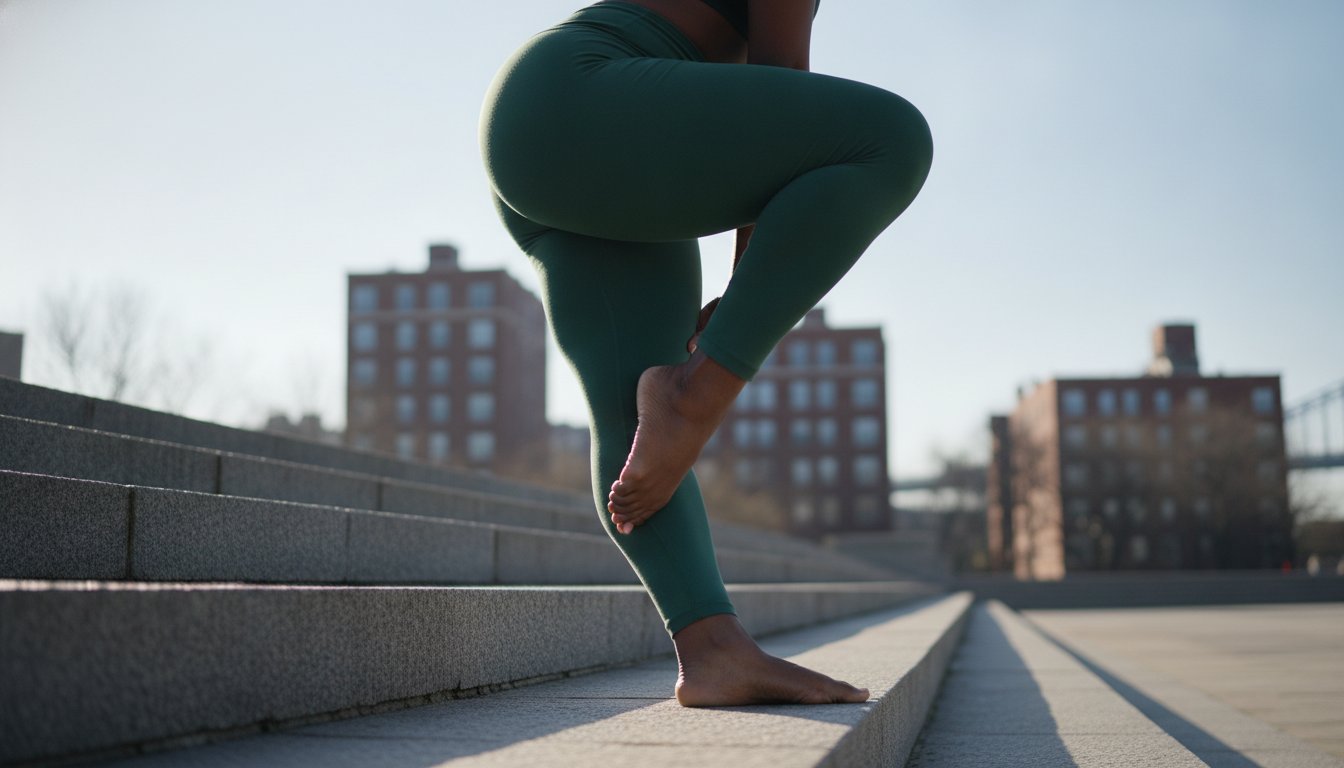
What if the medical expert you visit to heal your feet is the very person you fear will tell you to never step on a stage again? For many performers in our community, this anxiety often delays essential care for chronic pain from bunions or stress fractures. We recognize that your feet are your instrument and your livelihood, not just a set of bones and tendons. Finding a podiatrist specializing in dancers’ feet Astoria who understands the specific demands of your craft is the first step toward a longer career. Statistics show that the foot and ankle account for up to 57 percent of all dance injuries, yet the artistic athlete often pushes through the pain to avoid a forced hiatus.
We agree that you shouldn’t have to choose between a pain-free life and your passion for performance. This article explains how specialized dance podiatry can protect your career, alleviate persistent discomfort, and keep you performing at your peak. We’ll preview the latest non-invasive treatments and surgical options designed to preserve your range of motion and return you to the studio with confidence. Discover how a tailored approach to foot health can help you regain your independence on the stage and ensure your career remains vibrant for years to come.
Key Takeaways
- Understand how extreme plantar flexion and turnout impact your midfoot and why treating these specific stresses is vital for your long-term career longevity.
- Learn why consulting a podiatrist specializing in dancers’ feet Astoria is essential for managing “the dancer’s fracture” and other common injuries without compromising your range of motion.
- Discover how a “season-based” treatment approach allows you to schedule necessary procedures, such as bunion surgery, around your performance calendar to minimize downtime.
- Use our professional checklist to evaluate a podiatrist’s surgical experience and their understanding of the unique aesthetic and functional needs of a performer’s foot.
- Explore how personalized sports medicine and custom orthotics provide the specific support required for high-impact choreography while respecting your lifestyle as an artistic athlete.
The Unique Biomechanics of Dancers’ Feet
Dancers are often misclassified as simple performers, but in the medical community, we view you as an “artistic athlete.” This distinction matters because your foot structure endures forces that a typical runner or walker never encounters. While a standard athlete moves in linear planes, you operate in extreme ranges of motion like 180-degree turnout and full plantar flexion. These positions place immense pressure on the midfoot and ankle joints. Research indicates that the foot and ankle account for 14% to 57% of all dance injuries, a statistic that highlights the need for specialized care. Connecting with a podiatrist specializing in dancers’ feet Astoria is critical for protecting these delicate structures.
The hallux, or big toe, serves as your primary anchor for balance and the engine for propulsion during jumps. If the hallux loses its functional range, your entire kinetic chain suffers. Dance podiatry represents the precise intersection of sports medicine and orthopedic precision. By understanding these mechanics, a podiatrist specializing in dancers’ feet Astoria can help you maintain the “aesthetic” of your line while ensuring your structural integrity remains intact.
Why General Podiatry Often Fails Dancers
Standard podiatric medicine often relies on “rest and ice” protocols that don’t align with a professional performance schedule. If you have a show at the Kaufman Astoria Studios next week, “stop dancing” isn’t helpful advice. Traditional shoe recommendations also fall short because they don’t account for the lack of support in ballet slippers or the rigid box of a pointe shoe. We prioritize maintaining specific degrees of flexibility in your first metatarsal, ensuring you can achieve a full demi-pointe without pain.
Turnout and Its Effect on the Foot Arch
Forced turnout is a common culprit for chronic foot issues. When rotation comes from the feet rather than the hips, it leads to over-pronation and puts excessive strain on the posterior tibial tendon. This misalignment often causes the arch to collapse, resulting in the deep, aching discomfort described in our Plantar Fasciitis Guide. Maintaining foot stability in Astoria dance studios requires a balance of hip mobility and intrinsic foot strength to prevent these long-term arch issues.
Common Dance Injuries Treated in Astoria
Dancers in Queens face a unique set of physical challenges that often go unnoticed by general practitioners. When you spend hours in the studio, your feet absorb repetitive impact that leads to specific pathologies. Common dancer’s injuries often present as dull aches that performers try to ignore, but early intervention is the key to longevity. As a podiatrist specializing in dancers’ feet Astoria, we frequently see “the dancer’s fracture.” This is a stress fracture in the fifth metatarsal usually caused by rolling the ankle or repetitive jumping on hard surfaces.
Another frequent culprit is sesamoiditis. This condition involves inflammation of the two tiny bones under your big toe joint, which act as pulleys for your tendons. If you feel a sharp pain every time you rise to relevé, this is likely the cause. Similarly, ankle impingement can feel like a physical wall blocking your deepest plie. This occurs when bone or soft tissue becomes compressed at the front or back of the ankle joint during extreme flexion.
Bunions and the Performance Career
Tight dance footwear and extreme turnout don’t just cause discomfort; they can actively exacerbate hallux valgus, or bunions. For a professional, a bunion isn’t just a bump. It’s a structural shift that compromises your balance and power. We often discuss bunion surgery in Queens as a functional necessity rather than a cosmetic choice. Our goal is to realign the joint to preserve your range of motion, ensuring your career isn’t cut short by mechanical failure.
Dancer’s Tendonitis and Ligament Sprains
Flexor Hallucis Longus (FHL) tendonitis, often called “dancer’s tendonitis,” involves the tendon that helps your big toe point. You might feel pain at the back of the ankle or along the inner arch. If an acute injury like an ankle sprain occurs during a rehearsal at a local studio, immediate care is vital. Integrating sports medicine into your recovery plan helps manage inflammation and restores stability quickly. If you’re experiencing persistent discomfort, consulting a podiatrist specializing in dancers’ feet Astoria can provide the clarity you need to stay on stage.
Why Specialized Dance Podiatry is Essential for Queens Performers
Performance schedules in New York City are relentless. We understand that your career follows a specific rhythm of auditions, rehearsals, and show runs. A podiatrist specializing in dancers’ feet Astoria provides a “season-based” treatment strategy that respects this timeline. Instead of suggesting immediate downtime, we work with you to time interventions. This might mean managing symptoms through a production and scheduling corrective procedures during your summer hiatus. This approach is vital for preventing the overuse injuries that often plague performers who lack a specialized care plan.
We also recognize that for a dancer, the foot’s appearance is as important as its function. A standard surgical outcome might be acceptable for a general patient, but it can be devastating for a performer if it alters the “line” of the foot. Our practice prioritizes the aesthetic requirements of dance, ensuring that any intervention maintains your professional silhouette. We integrate podiatric care with targeted physical therapy to ensure a holistic recovery. This partnership helps you regain your strength and range of motion simultaneously. By choosing a local clinic over a massive Manhattan medical group, you receive personalized follow-up care that adjusts to your progress in real-time.
The Astoria Arts Community Connection
Our proximity to the Kaufman Arts District allows us to stay deeply connected to the daily realities of Queens-based performers. We know the specific environments where you work, from the floor surfaces in local studios to the backstage conditions of neighborhood theaters. Different floors, such as raked stages or un-sprung wood, demand different things from your joints. When you visit a podiatrist specializing in dancers’ feet Astoria, you’re building a relationship with a practitioner who likely treats your castmates and instructors. This shared context fosters a collaborative healing environment that generic practices simply cannot match.
Advanced Diagnostics for Artistic Athletes
Precision is our first line of defense against unnecessary surgery. We use advanced in-office imaging to detect micro-stress fractures that standard X-rays might miss. Detecting these early allows for conservative management before a small crack becomes a career-threatening break. Our diagnostic process includes a detailed biomechanical gait analysis. We don’t just watch you walk; we analyze how your foot behaves during dance-specific movements. This high level of technical scrutiny ensures we identify the root cause of your discomfort, whether it’s a structural misalignment or a technique-based strain.

Evaluating a Dance Podiatrist: A Checklist for Dancers
Choosing a medical partner for your career is a significant decision that shouldn’t rely on generic five-star ratings. Most online reviews don’t reflect whether a doctor understands the specific mechanics of a triple pirouette or the pressure of a tech week. When you’re looking for a podiatrist specializing in dancers’ feet Astoria, you need a framework that prioritizes both clinical excellence and artistic understanding. Use this checklist to ensure your provider is equipped to manage the unique demands of your profession.
- Board Certification and Surgical Expertise: Verify that the practitioner is a board-certified surgeon. For example, Dr. Waldemar Majdanski brings over 20 years of clinical experience in NYC, providing a foundation of trust for complex procedures.
- Dance-Specific Case History: A qualified specialist should be able to discuss previous successful outcomes for injuries like FHL tendonitis or sesamoiditis.
- Treatment Philosophy: Ensure the doctor favors functional recovery. You want someone who explores every conservative option before suggesting surgery, while still understanding when a surgical fix is the only way to save a career.
- Performance-Ready Custom Orthotics: Ask if they design custom orthotics specifically for dance footwear. Standard, bulky inserts won’t fit in a character shoe or a jazz boot.
- Local Astoria Availability: Proximity matters when an acute injury occurs during a rehearsal. A local clinic allows for faster diagnostics and consistent follow-up care.
Questions to Ask During Your First Consultation
Don’t be afraid to interview your doctor. Start by asking, “How many dancers have you treated with this specific condition?” It’s also vital to clarify their philosophy on returning to pointe work after an intervention. If they can’t provide a clear, milestone-based plan for your return to the studio, they might not be the right fit. Finally, ask if they can modify your existing footwear to alleviate pressure points without compromising the shoe’s aesthetic line.
Red Flags in Dance Podiatry
Be wary of any provider who immediately suggests stopping all activity without offering a transition plan. For an artistic athlete, “just rest” is often a sign that the doctor doesn’t understand your professional obligations. Another red flag is generic advice that doesn’t account for your specific dance style; a hip-hop dancer’s needs are vastly different from a ballerina’s. Finally, avoid a “wait and see” approach for suspected stress fractures. These require immediate, precise imaging to prevent a total break. If you’re ready to partner with an expert who respects your timeline, schedule a consultation at our Astoria office to begin your recovery.
Specialized Dance Medicine at Local Foot Doc Astoria
Local Foot Doc Astoria serves as a dedicated partner for the Queens performance community. Led by board-certified surgeon Dr. Waldemar Majdanski, our practice brings over 20 years of clinical experience in NYC to every consultation. As a podiatrist specializing in dancers’ feet Astoria, we focus on treatments that respect your need for high-level mobility and artistic expression. We’ve designed our practice to feel like a trusted neighborhood institution where the anxiety of injury is replaced by a clear, comforting path to recovery. Our personalized treatment plans prioritize returning you to the studio with the same strength and grace you possessed before your symptoms began.
The environment in our Astoria office is intentionally patient-centered and professional. We understand the high stakes of a dance career, so we maintain an approachable atmosphere that encourages open communication between the practitioner and the performer. By choosing a local provider, you benefit from a team that values your quality of life as much as your technical proficiency. We focus on results-oriented sports medicine that addresses the underlying cause of your discomfort, ensuring your return to activity is both safe and sustainable for the long term.
Bunion and Hammertoe Correction for Dancers
When structural issues like bunions or hammertoes interfere with your balance, we offer modern surgical solutions tailored specifically for performers. We use techniques designed to minimize downtime and preserve the aesthetic line of your foot. Our goal is to restore your structural integrity, allowing for a more stable “releve” and better overall propulsion. You can learn more about our specific approach to Bunion Surgery Queens, where we prioritize functional correction over purely cosmetic fixes. This ensures that your foot remains a powerful, reliable instrument for your art.
Custom Orthotics for Performance and Daily Life
Biomechanical imbalances can often be corrected without invasive procedures through our custom-molded orthotics. Unlike over-the-counter insoles that offer generic cushioning, our medical-grade orthotics are created from precise impressions of your unique foot structure. These devices provide targeted support to the arch, helping to prevent future injuries by distributing pressure more evenly during high-impact choreography. We specialize in designing orthotics that fit the unique profiles of dance shoes, ensuring you have the support you need whether you’re in a rehearsal or walking through the streets of Astoria.
Protect Your Passion and Your Performance
Your feet are the foundation of your artistry, not just a set of bones and tendons. We’ve explored how specialized biomechanical analysis and “season-based” treatment plans can prevent chronic pain from becoming a career-ending obstacle. Whether you’re managing a complex stress fracture or considering functional surgery, having a medical partner who understands the “artistic athlete” lifestyle makes all the difference. It’s about more than just relief; it’s about preserving your unique range of motion and technical precision.
Finding a podiatrist specializing in dancers’ feet Astoria ensures that your treatment plan respects the specific demands of your craft. Board-certified surgeon Dr. Waldemar Majdanski combines over 20 years of expertise in NYC sports medicine with a deep commitment to our local Queens community. We prioritize your long-term mobility so you can continue to move with confidence on and off the stage. Schedule your dance foot consultation at our Astoria office today!
Don’t let persistent discomfort dim your passion for performance. We’re here to help you regain your independence and keep you dancing at your peak for years to come.
Frequently Asked Questions
Does a podiatrist for dancers always recommend surgery?
No, surgery is typically our final option after all conservative treatments are exhausted. We prioritize non-invasive methods like custom orthotics, targeted physical therapy, and activity modification to keep you in the studio. However, if structural damage threatens your long-term mobility or career, we discuss surgical corrections. Our goal is to find the most efficient path back to the stage while respecting your unique “artistic athlete” lifestyle and performance schedule.
Can I still dance if I have a bunion?
Yes, many performers continue their careers with bunions, but it requires careful management to prevent the condition from worsening. A podiatrist specializing in dancers’ feet Astoria can provide padding, taping techniques, and custom orthotics to alleviate pressure during long rehearsals. If the pain becomes chronic or begins to affect your range of motion during relevé, we evaluate functional surgical options. Early intervention helps you maintain career longevity without sacrificing your technical form.
What is the fastest way to recover from a dancer’s ankle sprain?
The fastest recovery involves an immediate professional assessment followed by a structured sports medicine protocol. We move beyond simple rest by integrating early mobilization and specialized strengthening exercises to restore joint stability. Since overuse injuries are common in performers, precise diagnostics are essential to rule out hidden micro-stress fractures. We focus on a multidisciplinary approach that helps you regain your full range of motion safely while preventing the risk of recurrent sprains.
Do custom orthotics fit inside ballet or jazz shoes?
Yes, we design medical-grade custom orthotics specifically to fit the low-profile requirements of dance footwear. Unlike bulky over-the-counter insoles, these devices are molded to your unique foot structure and the specific dimensions of your performance shoes. They provide essential arch support and correct biomechanical imbalances without compromising the aesthetic line of your foot. This allows you to maintain technical precision while protecting your joints from the high-impact demands of modern choreography.
How often should a professional dancer see a podiatrist in Astoria?
Professional dancers should ideally schedule a biomechanical check-up at least twice a year to maintain peak performance. These “pre-season” visits allow us to identify emerging tendonitis or structural shifts before they become acute injuries. If you’re preparing for a demanding show run or a national tour, more frequent visits may be necessary to manage the increased physical load. Consistent care with a podiatrist specializing in dancers’ feet Astoria ensures your instrument remains resilient.
Is surgery the only way to fix a stress fracture?
No, most stress fractures heal with non-surgical intervention if they are detected early enough through advanced imaging. Treatment usually involves a period of protected weight-bearing, activity modification, and specialized footwear to allow the bone to knit back together. We use in-office diagnostics to monitor your progress and ensure the bone is strong enough for the rigors of jumping. Surgery is generally reserved for complex breaks or cases where the bone fails to heal properly.
What should I bring to my first dance podiatry appointment?
You should bring the dance shoes you use most frequently, such as your pointe shoes, slippers, or character boots. Seeing the wear patterns on your footwear provides our team with invaluable diagnostic information about your unique biomechanics. Additionally, bring any recent imaging results and a summary of your current rehearsal schedule. This information helps us create a personalized treatment plan that aligns with your professional obligations and the specific physical demands of your repertoire.