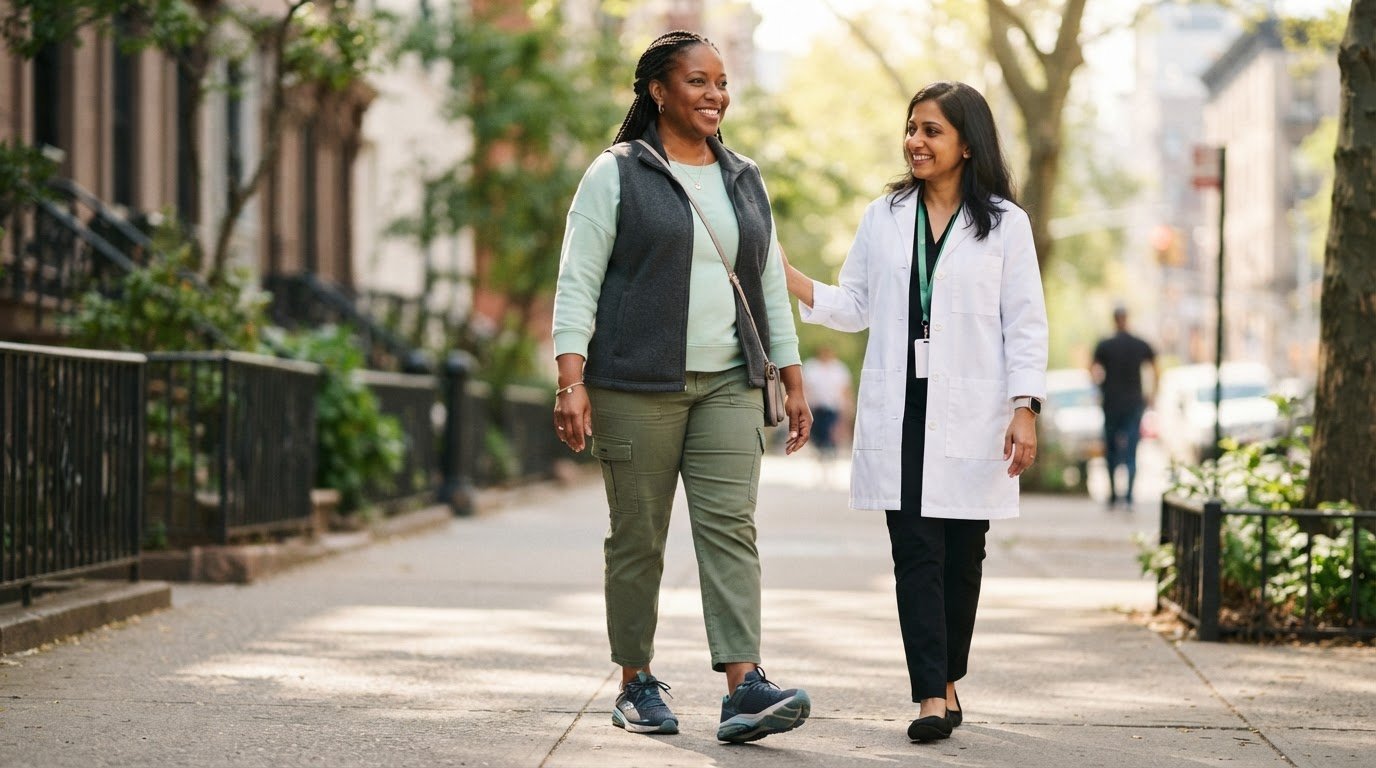
Did you know that over 21% of New York City’s 80,000 delivery workers have suffered a work-related injury while navigating our busy streets? While you focus on hitting your delivery targets and earning the $22.13 hourly minimum, the physical demand on your lower limbs is immense. Whether you’re walking up brownstone stairs in Brooklyn or navigating the congested avenues of Queens, your feet bear the brunt of the city’s unforgiving pavement. We understand that sharp heel pain in the morning or throbbing arches after a long shift are more than just minor inconveniences; they’re threats to your livelihood. This guide offers practical foot health tips for NYC delivery drivers to help you maintain your mobility and stay pain-free.
We believe that every driver deserves to work without the distraction of physical discomfort. You shouldn’t have to choose between a productive shift and being able to walk comfortably the next day. Our team is dedicated to helping you manage the constant pounding of the pavement through professional insights and simple at-home care. We’ll show you how to protect your feet through smarter footwear choices and effective recovery techniques. By following this 2026 survival checklist, you’ll learn how to manage swelling and prevent chronic conditions before they require clinical intervention. We’re here to ensure you keep moving forward with confidence and strength.
Key Takeaways
- Understand why the unforgiving concrete of Brooklyn and Queens streets places unique stress on your lower limbs compared to other environments.
- Learn to identify the early warning signs of plantar fasciitis and how the right work boots can prevent bunions or hammertoes from becoming debilitating.
- Discover specific foot health tips for NYC delivery drivers that help you select footwear based on whether you’re pedaling an e-bike or driving a van.
- Implement a quick daily checklist featuring dynamic stretches and elevation techniques to keep your circulation moving and reduce shift-end swelling.
- Identify the red flags that signal you need professional care to avoid long-term damage and regain your independence on the road.
The Physical Toll of the NYC Delivery Grind
Concrete vs. Asphalt: The Urban Impact
The surfaces you traverse in NYC are significantly less forgiving than the softer asphalt found in suburban driveways. Most New York sidewalks and roads are composed of high-density concrete, which lacks the natural shock absorption of other materials. This rigidity causes “pavement pounding,” a process where the force of your step reflects directly back into your heel and arch. Over time, this leads to micro-trauma in the soft tissues and bone structure. You might notice that your shoe cushioning feels “flat” much sooner than expected. This rapid wear occurs because the constant pressure of concrete compresses the foam and rubber components of your footwear, leaving you with little protection against the hard ground.
The Delivery Driver’s “Daily Marathon”
Whether you’re a walking courier in Astoria or a van driver in Forest Hills, your daily movement patterns create unique mechanical stresses. A walking courier can easily clock 20,000 steps during a standard shift, while van drivers face the repetitive strain of jumping in and out of a vehicle cabin onto hard pavement. This constant stop-and-go movement places extreme tension on the connective tissues. One of the most common outcomes of this overuse is Plantar fasciitis, a condition characterized by sharp, stabbing pain in the heel, particularly during those first few steps in the morning. We often see this in drivers who lack medical-grade support to handle the weight-bearing demands of a ten-hour shift.
The 2026 climate adds another layer of difficulty to your routine. Recent heatwaves and heavy seasonal rain cause your feet to swell within your shoes, increasing friction and the risk of blisters or fungal infections. When your feet are swollen and fatigued, your reaction times slow down and your overall delivery pace drops. Protecting your mobility isn’t just about comfort; it’s about maintaining your ability to work safely and efficiently. By understanding these urban environmental factors, you can take proactive steps to safeguard your career and your health. We want to help you stay on the road without the burden of chronic pain holding you back.
Common Foot Conditions Facing New York Couriers
Understanding the specific ailments that affect your feet is the first step toward long-term recovery. While we previously discussed the environmental stressors of the city, we now need to look at the clinical results of that daily strain. Many couriers ignore persistent aches until they become debilitating, but small changes can make a significant difference. Incorporating consistent foot health tips for NYC delivery drivers into your routine helps you spot these issues before they force you off the road. We believe in proactive care to ensure you stay mobile and independent.
Plantar Fasciitis: The #1 Enemy of the Driver
If you wake up and dread that first step out of bed, you’re likely dealing with a very common urban injury. Plantar fasciitis is the inflammation of the thick band of tissue connecting the heel bone to the toes, primarily manifesting as sharp, stabbing pain during the first steps of the morning. This condition occurs when the arch is repeatedly overstretched, a common occurrence during 10-hour shifts on Queens sidewalks. It’s not just a sign of being tired; it’s a clinical signal that your fascia needs support. For a deeper look at how to manage this, you can read our guide on what is plantar fasciitis.
Bunions and Structural Strain
Repetitive pressure from pedaling an e-bike or walking miles in Astoria can shift the alignment of your toes over time. Bunions and hammertoes aren’t just cosmetic issues. They’re structural changes that worsen when you wear tight, non-breathable work boots. A narrow “toe box” squeezes the joints, causing inflammation and significant discomfort that can radiate through the entire foot. If these structural changes progress too far, conservative treatments might not be enough to restore your comfort. In those cases, we offer specialized bunion surgery in Queens to help patients return to their active lifestyles without pain.
Beyond structural issues, the humid NYC summers create a breeding ground for fungal infections. Non-breathable boots trap moisture against the skin, leading to itchy, peeling skin or thickened, yellowed nails. For our diabetic drivers, these minor irritations carry much higher stakes. Small blisters or cuts can quickly escalate into serious infections due to compromised circulation and nerve sensitivity. Adhering to workplace safety standards for footwear is a vital preventative measure for every driver. If you notice persistent redness, swelling, or pain that lasts more than three days, it’s time to seek a professional evaluation. We’re here to help you maintain your health so you can keep moving through every borough.
Choosing Gear: Footwear for Bike vs. Van Delivery
Selecting the right gear is one of the most effective foot health tips for NYC delivery drivers. Your shoes aren’t just a uniform requirement; they’re a medical tool that dictates how your body handles the stress of an eight to twelve hour shift. We often see drivers wearing generic sneakers that lack the structural integrity needed for professional use. Because the mechanical demands of pedaling an e-bike differ significantly from those of driving a van, your footwear must be tailored to your specific mode of transport to avoid chronic injury.
The Best Shoes for Bike Couriers
If you’re making deliveries on two wheels, your primary concern is power transfer and arch stability. Soft soled sneakers often “wrap” around the pedal, which leads to arch collapse and localized areas of intense burning known as “hot spots.” These sensations usually occur on the ball of the foot where the pressure is most concentrated. We recommend shoes with a relatively stiff sole to distribute pedal pressure evenly across the entire foot. For those dealing with persistent alignment issues, Custom Orthotics can provide the necessary structural support to prevent long term strain during repetitive pedaling cycles.
Footwear for Van and Walking Deliveries
Van drivers face a different set of challenges, specifically the high impact force of jumping from a vehicle cabin onto concrete. This repetitive heel strike requires superior shock absorption to protect the joints and prevent the onset of heel pain. Additionally, NYC streets are often coated in a layer of oil, rain, and debris, making slip resistance a non-negotiable safety feature. It’s also important to understand the difference between running and walking shoes, as walking shoes are specifically designed for the heel to toe roll typical of a courier’s gait.
Many drivers reach for fully waterproof boots to handle the unpredictable 2026 weather, but these can often do more harm than good for your skin health. Waterproof membranes frequently trap sweat, creating a humid environment that encourages fungal growth. We suggest pairing breathable, water resistant shoes with high quality moisture wicking socks. These socks act as a barrier against “street grime” infections by pulling sweat away from the skin and keeping the foot dry. Finally, remember the 500 mile rule. For an active NYC courier, this usually means replacing your work shoes every four to six months. Once the internal support structures break down, even the most expensive shoe stops being a protective tool and starts being a liability to your mobility.

The Daily 5-Minute Foot Health Checklist
Maintaining your mobility on the streets of New York requires more than just the right boots; it requires a consistent daily routine. We’ve seen that the most successful couriers are those who treat their bodies with the same care they give their vehicles. These foot health tips for NYC delivery drivers are designed to fit into a hectic schedule, taking only five minutes of your day to prevent hours of future pain. By incorporating these small habits, you can stop minor inflammation from turning into a career-altering injury.
Quick Stretches You Can Do in the Cab
You don’t need a gym to protect your tendons. While you’re stuck in BQE traffic or waiting for a pickup in Long Island City, use that time for “dynamic wake-up” movements. Seated calf stretches and toe curls help keep the plantar fascia flexible and resilient. We also recommend performing slow ankle circles to improve circulation, which often stagnates during long periods of sitting or standing. Consistent stretching is a core pillar of sports medicine. It ensures your muscles are ready for the sudden “sprints” required to meet delivery windows without risking a tear or strain.
During your shift, try the “Elevate and Rotate” technique. If you have a two-minute break, find a way to get your feet above your heart level to drain accumulated fluid. Once you get home, use a frozen water bottle as a therapeutic tool. Rolling your foot over the cold surface for five minutes helps constrict blood vessels and reduce the inflammation caused by twelve hours of pavement pounding. This simple recovery step can significantly decrease the “first step” pain you might feel the following morning.
The “Inspect and Protect” Routine
Hygiene is your first line of defense against infection. We suggest a “Dry and Inspect” rule every night. Use a small hand mirror to check the soles of your feet for “hotspots,” redness, or small blisters that you might not feel yet. This level of vigilance is absolutely critical for diabetic foot care in Brooklyn, where even a tiny cut can escalate quickly if left untreated. Changing your socks halfway through a long shift is another easy way to keep your skin dry and prevent fungal growth.
Finally, make it a weekly habit to check your shoe treads. Look for uneven wear patterns. If the outside of your heel is significantly more worn than the inside, your gait may be misaligned, placing extra stress on your knees and hips. Catching these mechanical issues early allows us to provide solutions like custom orthotics before you suffer a major setback. If you notice persistent swelling or skin changes during your nightly inspection, schedule a professional foot evaluation to keep your recovery on the right track.
When to See a NYC Podiatrist: Don’t Work Through the Pain
It’s natural to feel a sense of fatigue after completing a long shift across the boroughs. However, there’s a significant difference between “tired feet” and a clinical injury that threatens your livelihood. While the foot health tips for NYC delivery drivers we’ve shared can help manage daily stress, they aren’t a substitute for professional intervention when a condition becomes chronic. We often see drivers who try to “tough it out,” only to find that a minor strain has developed into a more complex issue. If you experience numbness, persistent tingling, or any pain that lasts more than three days, it’s time to seek an expert evaluation.
The Benefits of Custom Orthotics for Drivers
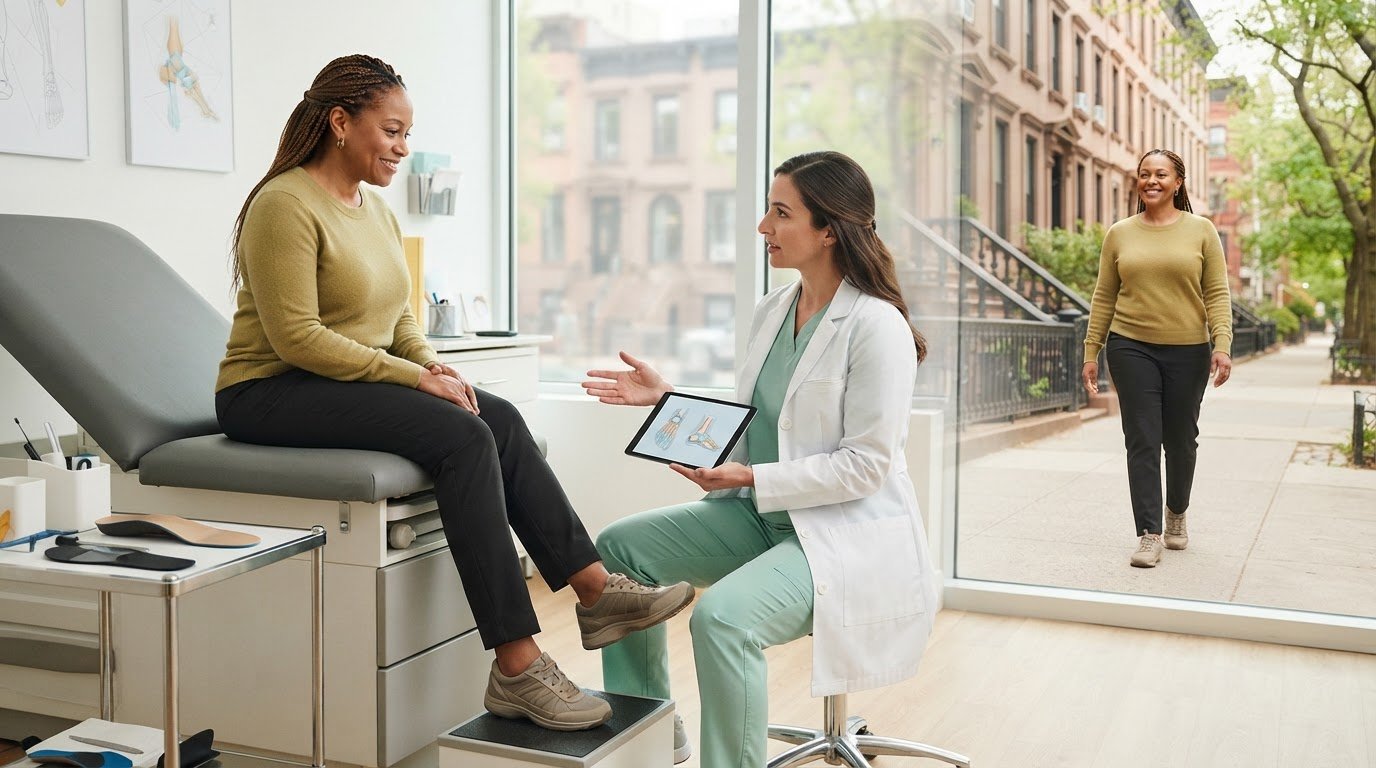
Many couriers turn to “off-the-shelf” cushioned inserts found in local drugstores. While these might offer temporary relief, they often fail the rigorous urban delivery test because they aren’t designed for your unique foot structure or the specific mechanics of your gait. We provide a more precise solution through Custom Orthotics. Our process involves detailed 3D casting to create a supportive fit that addresses your specific pressure points. These medical-grade devices work by redistributing your weight more effectively, which is essential for preventing the progression of bunions, heel spurs, and persistent arch collapse. It’s a long-term investment in your ability to work without the constant distraction of physical discomfort.
Accessible Care in Brooklyn and Queens
We’ve strategically located our practices to be accessible to the hardworking delivery community. Whether you’re finishing a route in Astoria, Woodhaven, or Forest Hills, we’re your local partner in health. Beyond structural issues, we also provide specialized fungal nail treatment in New York City. This professional approach is much faster and more effective than home remedies, especially during the humid summer months when “delivery boot” infections are most common. We believe that professional care should be straightforward and results-oriented.
Consulting with Dr. Waldemar Majdanski allows us to create a personalized recovery plan that fits your demanding schedule. We use modern methodology to identify the underlying cause of your pain and outline the specific steps toward a solution. For those interested in how multi-system diagnostic techniques can identify the root of medical issues without invasive procedures, learn more about מרכז רפאל. We view every successful treatment as a promise of your regained independence on the road. You don’t have to accept chronic pain as an unavoidable part of the job. We’re here to help you return to your route with the strength and mobility you need to thrive in the city’s fast-paced delivery economy.
Protect Your Foundation and Your Livelihood
Your role in the city’s economy is vital, but it shouldn’t come at the cost of your physical well-being. We’ve explored how the unforgiving concrete of Brooklyn and the constant stop-and-go traffic of Queens create unique stresses for your lower limbs. By selecting footwear tailored to your specific delivery method and adhering to a consistent daily recovery routine, you can effectively manage the inflammation that leads to chronic injury. These foot health tips for NYC delivery drivers are your first line of defense in maintaining your long-term productivity and comfort on the road.
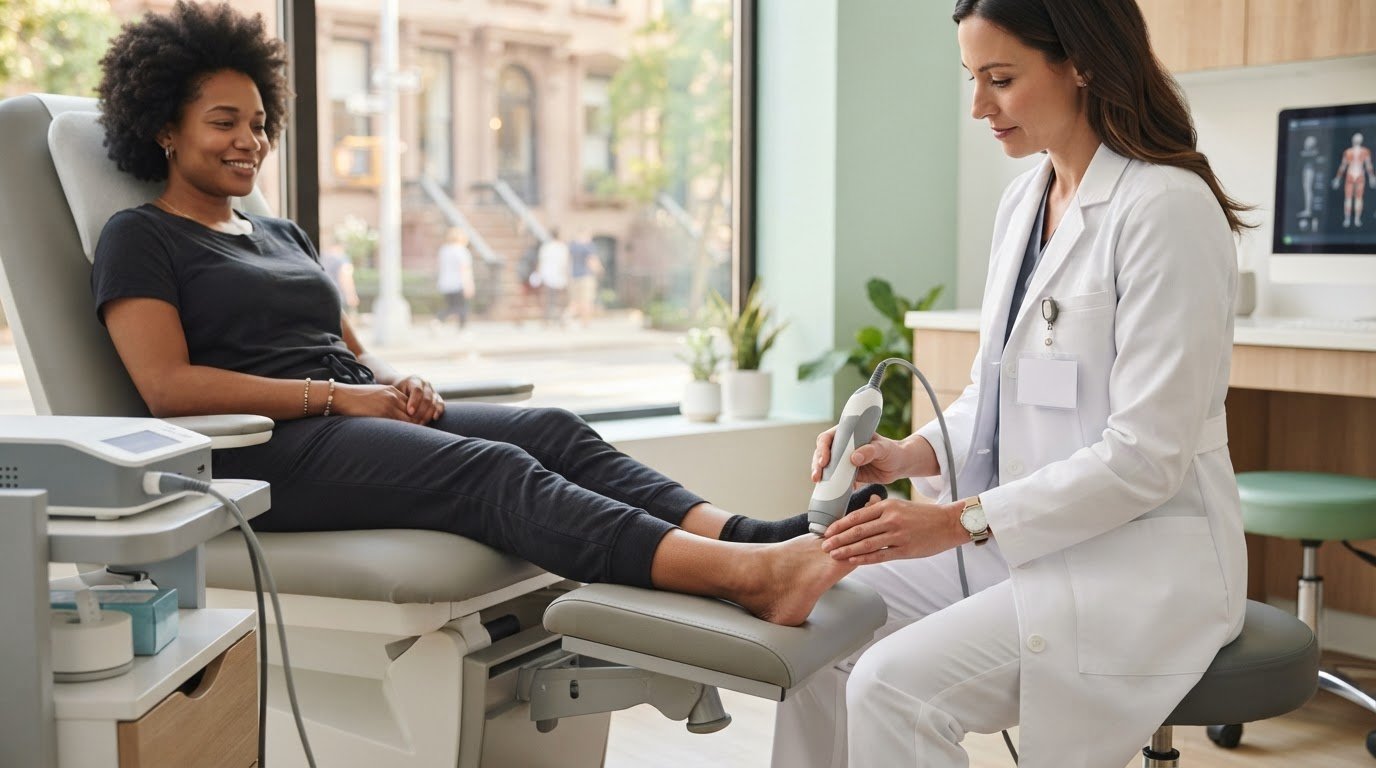
When self-care isn’t enough to alleviate persistent discomfort, professional guidance is the bridge to your recovery. We provide specialized care for high-impact urban professionals who need to regain their mobility and return to their routes without pain. Whether you require custom orthotics to correct structural strain or treatment for a recurring ailment, our team offers the clinical expertise you need. You can schedule your consultation with Dr. Majdanski at Local Foot Doc today at our convenient locations in Forest Hills, Astoria, or Woodhaven. Board-certified surgeon Dr. Waldemar Majdanski is dedicated to helping you reclaim your independence and move through the city with confidence. Your health is your most important tool; let’s ensure it stays strong.
Frequently Asked Questions
Is it normal for my feet to throb after a delivery shift?
Occasional tiredness is expected, but persistent throbbing usually indicates localized inflammation or poor circulation. This sensation often signals that your footwear lacks the shock absorption required for the concrete streets of Astoria or Woodhaven. If elevating your feet doesn’t resolve the throbbing within an hour of finishing your shift, you may be dealing with underlying soft tissue strain that requires a professional assessment.
How often should NYC delivery drivers replace their work shoes?
You should replace your work shoes every four to six months, which is roughly every 500 miles of urban use. NYC couriers put significantly more stress on their footwear than average users because of the high density of concrete surfaces. Once the internal support structures and foam collapse, your shoes lose their ability to protect your joints from the repetitive micro-trauma caused by pavement pounding.
Can custom orthotics help with the pain from driving all day?
Yes, custom orthotics are highly effective at redistributing pressure and supporting your arches even while you’re seated behind the wheel. They prevent the structural misalignment that occurs when you repeatedly press van pedals during a ten-hour shift. By stabilizing your foot’s position, we can help you avoid developing bunions or chronic heel spurs that often plague long-distance drivers and urban couriers.
What are the best socks for delivery drivers in the NYC humidity?
The best socks for managing NYC humidity are moisture-wicking blends made of merino wool or high-performance synthetic fibers. These materials pull sweat away from your skin, which is essential for preventing fungal infections and painful friction blisters. We recommend avoiding 100% cotton socks, as they trap moisture against the skin and lose their shape, leading to increased discomfort inside your boots.
How do I know if my heel pain is plantar fasciitis or just fatigue?
Plantar fasciitis is typically identified by sharp, stabbing pain during your first steps in the morning, whereas general fatigue feels like a dull ache that improves with rest. If your pain is localized in the center of the heel and worsens after you’ve been sitting for a while, it’s a clinical red flag. Learning to distinguish these symptoms is one of the most vital foot health tips for NYC delivery drivers.
Can I treat an ingrown toenail at home if I have to work tomorrow?
We strongly advise against “bathroom surgery” for an ingrown toenail, as it significantly increases your risk of a serious infection. If you must work tomorrow, soak your foot in warm water with Epsom salts to reduce inflammation, but don’t attempt to cut the nail yourself. We offer professional ingrown toenail removal that provides immediate relief and allows for a quick, safe return to your delivery route.
What should I do if I get a blister while on my route?
If you develop a blister during your route, clean the area immediately and protect it with a cushioned adhesive bandage or moleskin to prevent further friction. You should never pop a blister, as the overlying skin acts as a natural sterile barrier against the bacteria found in urban “street grime.” If the area becomes red, hot, or increasingly painful, seek a professional evaluation to prevent further complications.
Is bike delivery better or worse for your feet than walking delivery?
Neither is inherently better, as both activities present different mechanical challenges to your lower limbs. Walking couriers face more high-impact heel strikes on hard concrete, while bike couriers deal with repetitive arch pressure and potential “hot spots” on the balls of their feet. Both groups require specialized footwear and support to maintain their mobility and prevent long-term injury while navigating the city’s demanding landscape.