
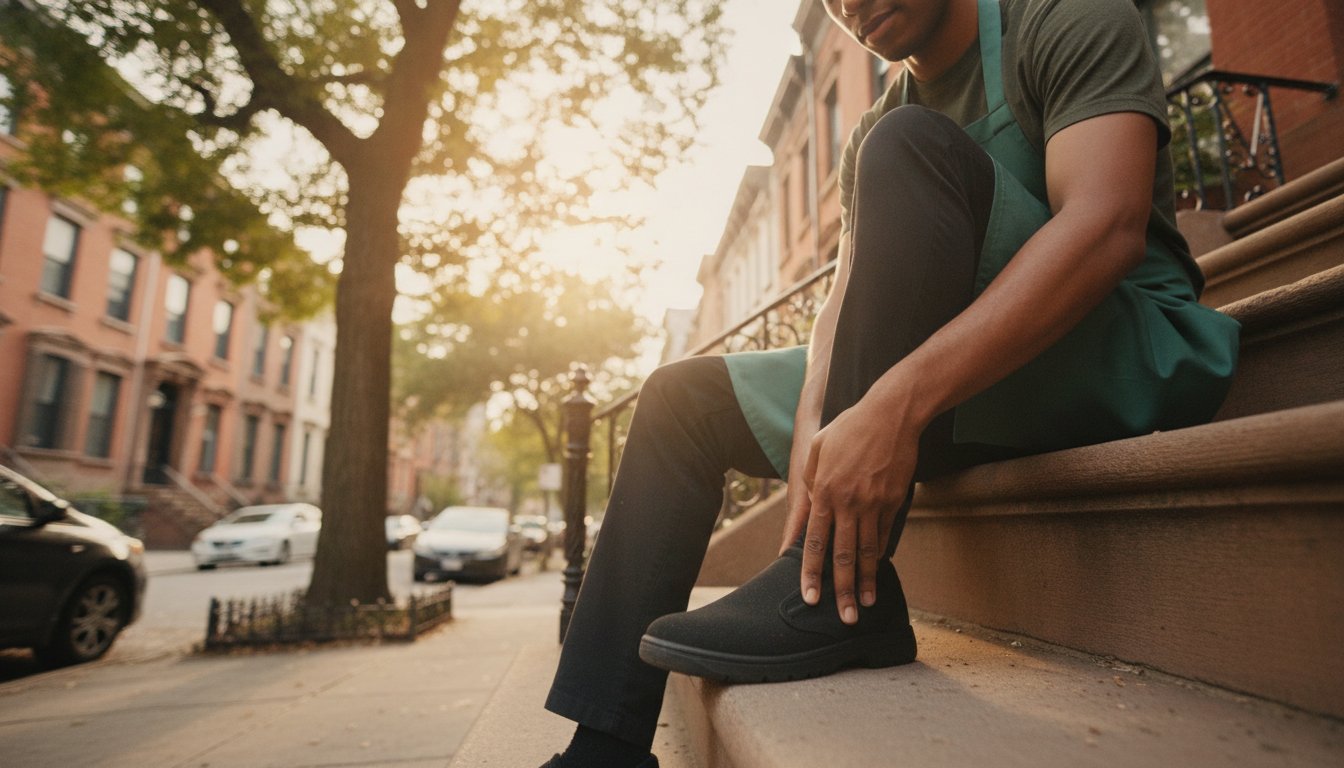
Did you know that 77% of restaurant workers have dealt with debilitating foot pain? For servers in Williamsburg and chefs in Park Slope, this isn’t just a statistic; it’s the reality of waking up with sharp morning heel pain that makes the first step out of bed feel like walking on glass. We understand that finding effective foot pain relief for restaurant staff Brooklyn is essential when a 10-hour shift on concrete floors is your daily reality. This type of work is an athletic feat that puts immense pressure on your joints, often leading to swelling and chronic discomfort that doesn’t just go away with a few minutes of rest.
Solving these issues isn’t just about grabbing the first pair of non-slip shoes you see. It requires a dedicated strategy to keep you mobile and pain-free throughout the busiest dinner rush. In this guide, we’ll provide a shift-ready checklist to help you eliminate chronic pain, navigate complex footwear choices, and recognize when it’s time to see a specialist to avoid future surgery. We’re here to help you regain your independence and stay active in the industry you love.
Key Takeaways
- Learn how to perform a three-point shoe inspection and why rotating your footwear every 24 hours is essential for maintaining arch support.
- Discover biomechanical techniques for line cooks and bartenders to redistribute weight and reduce strain during long periods of static standing.
- Master a 30-minute post-shift recovery protocol using elevation and contrast bath therapy to significantly reduce inflammation and swelling.
- Understand why professional intervention and custom orthotics offer superior foot pain relief for restaurant staff Brooklyn compared to generic, over-the-counter pharmacy inserts.
- Identify the signs that it’s time for a professional foot health audit to prevent chronic issues from requiring invasive surgery later.
Pre-Shift Preparation: The Footwear and Foundation Checklist
Preparing for a busy shift at a Brooklyn bistro requires more than just a sharp uniform and a clean apron. It starts with your foundation. Effective foot pain relief for restaurant staff Brooklyn begins long before the first order is fired. When you’re facing eight to twelve hours on unforgiving concrete floors, your choice of gear and your physical preparation determine whether you’ll finish the night with a spring in your step or a painful limp.
We recommend a “Three-Point” shoe inspection every few weeks to ensure your gear is actually protecting you. First, test for support by trying to twist the shoe. If it bends easily like a wet rag, it lacks the torsional rigidity needed for long-term stability. Second, verify the slip-resistance. This isn’t just a safety requirement for NYC health codes; it reduces the micro-strains on your muscles as they fight for grip on greasy or wet surfaces. Finally, ensure a wide toe box. Your feet naturally swell throughout the day, and a narrow shoe will quickly lead to painful compression.
Don’t wear the same shoes two days in a row. It’s a non-negotiable rule for professional servers and chefs. Foam midsoles require at least 24 hours to decompress and regain their shock-absorbing properties. Rotating your footwear also allows the material to dry completely, which is your best defense against the fungal infections that thrive in hot, humid kitchen environments.
Evaluating Your Work Shoes
Most restaurant professionals overlook the “300-mile rule.” In a high-volume Brooklyn environment, a server can easily walk five to seven miles per shift. This means your midsoles are often “impact-dead” within four to five months. While fashion-forward non-slips might look better for front-of-house roles, they frequently lack the structural integrity to prevent long-term issues like bunions or hammertoes. If the tread is worn or the cushioning feels flat, it’s time for a replacement.
The Essential Pre-Shift Stretch
Activating your posterior chain before you clock in can prevent a Plantar Fasciitis flare-up. We suggest the Wall Stretch: lean against a sturdy surface with one heel back to target the gastrocnemius muscle. Follow this with seated toe extensions to keep the tissue under your arch flexible. The Windlass Mechanism describes how the plantar fascia tightens when you lift your big toe, creating a stable arch that supports your entire body weight during each step.
Don’t underestimate the role of moisture-wicking socks. Hot NYC kitchens create a breeding ground for bacteria and friction. Synthetic blends or merino wool keep feet dry, reducing the risk of painful blisters and keeping your skin healthy through the toughest double shifts.
On-the-Floor Biomechanics: Managing Strain During the Rush
The dinner rush in a Brooklyn restaurant is a biomechanical marathon. While servers are constantly in motion, bartenders and line cooks face the unique challenge of static loading. Standing in one place for hours is often more taxing on the musculoskeletal system than walking miles across the floor. This is because movement acts as a pump for your circulatory system. When you’re stationary, blood pools in the lower extremities, leading to pedal edema, or significant swelling. Understanding how to manage this strain is a cornerstone of foot pain relief for restaurant staff Brooklyn.
Brooklyn’s aesthetic often involves unyielding concrete floors. Whether you’re in a converted warehouse in Bushwick or a classic brownstone space, these surfaces offer zero shock absorption. Over time, this accelerates wear on your joints and connective tissues. To combat this, we recommend taking 30-second micro-breaks every hour. Simply shifting your weight or performing a quick “arch reset” by lifting your toes can redistribute pressure and provide temporary relief. These small adjustments help maintain your foot’s natural structure against the constant downward force of gravity.
The Bartender’s Burden: Static Loading
Bartenders often experience the worst effects of static standing. Without the “muscle pump” of walking, fluid accumulates in the feet and ankles. Research on the Health Risks of Prolonged Standing confirms that this lack of movement increases the risk of chronic venous insufficiency and muscle fatigue. If your bar doesn’t provide anti-fatigue mats, focus on shifting your stance frequently or using a footrest to alter your pelvic tilt. Watch for early morning stiffness, as this is often one of the first signs of what is plantar fasciitis. Catching these symptoms early can prevent them from becoming chronic issues.
Navigating the Kitchen: Multi-Directional Strain
Kitchen work involves rapid, multi-directional movements. Line cooks frequently pivot in tight spaces between the grill and the prep station. These repetitive twisting motions put excessive strain on the tendons, often leading to ankle sprains or tendonitis if your shoes lack lateral support. Additionally, heavy lifting in the walk-in fridge increases the load on your metatarsal heads, the “ball” of your foot. Choosing footwear with a reinforced midfoot helps stabilize these structures during high-pressure moments. If you find that the pain persists even after your shift ends, it’s wise to consult a specialist at Local Foot Doc to ensure no long-term damage is occurring.
Post-Shift Recovery: The 30-Minute Aftercare Protocol
When you finally clock out after a grueling double shift, your feet aren’t just tired. They’re often in a state of acute inflammation. For those seeking sustainable foot pain relief for restaurant staff Brooklyn, the work doesn’t end when the kitchen closes. We’ve developed a structured 30-minute protocol designed to flush out metabolic waste and reduce the physiological stress placed on your lower extremities. This routine is a vital investment in your long-term mobility and your ability to return to the floor tomorrow without debilitating discomfort.
One of the most effective tools for immediate relief is contrast bath therapy. By alternating your feet between basins of warm and cold water, you create a “vascular pump” that helps move stagnant fluid out of the tissues. Follow this with self-myofascial release using a frozen water bottle. Rolling your arch over the ice provides a dual benefit: it massages the connective tissue while simultaneously cooling the area to prevent swelling. This simple technique is often more effective than heat alone for those dealing with chronic arch strain.
We always advise our patients to pay close attention to their “morning first step.” If you experience a sharp, stabbing sensation in your heel when you first get out of bed, it’s a critical diagnostic marker. This pain indicates that the fascia has shortened overnight and is being forcefully stretched. Recognizing this early allows us to implement professional interventions before the condition requires more invasive measures.
The 15-Minute Inflammation Reset
Reducing shift-induced inflammation in Brooklyn apartments often requires a bit of creative positioning, but the R.I.C.E. method remains the gold standard. To achieve proper elevation, you must get your feet above your heart level. This allows gravity to assist with lymphatic drainage and reduces the pressure that leads to pedal edema. Icing the heel for 15 minutes prevents chronic thickening of the fascia by restricting the inflammatory response before it can cause permanent structural changes.
Active Recovery Techniques
Once the initial swelling has subsided, focus on maintaining your range of motion. We recommend the following active recovery steps:
- Ankle Alphabets: Use your big toe to “write” the alphabet in the air to engage all the small stabilizing muscles.
- Midfoot Release: Use a tennis ball or specialized roller to break up adhesions in the midfoot that form during repetitive service movements.
- Ankle Circles: Perform 10 slow circles in each direction to maintain joint lubrication.
It’s vital to distinguish between normal fatigue and a medical issue. If you notice localized pain on a specific bone that doesn’t improve with rest, it may be a stress fracture. In these cases, consistent foot pain relief for restaurant staff Brooklyn requires a professional evaluation to ensure you aren’t causing further damage to your skeletal structure.

When DIY Relief Fails: Professional Podiatric Solutions
Home remedies like icing and stretching provide essential maintenance, but they often act as a temporary bandage for deeper structural issues. If you find that your discomfort persists despite a solid recovery routine, it’s time to seek specialized foot pain relief for restaurant staff Brooklyn. Generic pharmacy insoles are designed for the average foot, which means they effectively support no one. For a chef or server working on the unforgiving concrete of Williamsburg or Bushwick, these “one-size-fits-none” inserts often exacerbate pain by adding bulk without addressing your unique biomechanical alignment.
We see many long-tenured hospitality professionals who have pushed through the pain for years, unaware that their gait is slowly causing permanent damage. For these individuals, particularly those requiring diabetic foot care Brooklyn, professional intervention is about more than just comfort. It’s about protecting your long-term mobility. When conservative measures aren’t enough, we offer minimally invasive options for bunion and hammertoe correction. These modern techniques prioritize a fast return to work, allowing you to get back into the kitchen or behind the bar with significantly less downtime than traditional surgery.
Custom Orthotics for the Hospitality Industry
The science of custom orthotics involves much more than the digital “pressure maps” found in retail stores. We use medical-grade casting to capture the exact three-dimensional structure of your foot in its most functional position. This allows us to tailor your inserts specifically for the non-slip work boots and low-profile shoes required in NYC restaurants. Investing in these personalized tools provides a high long-term ROI, often preventing the need for bunion surgery Queens by stabilizing the joints and stopping the progression of deformities before they become severe.
Diagnostic Excellence in Brooklyn
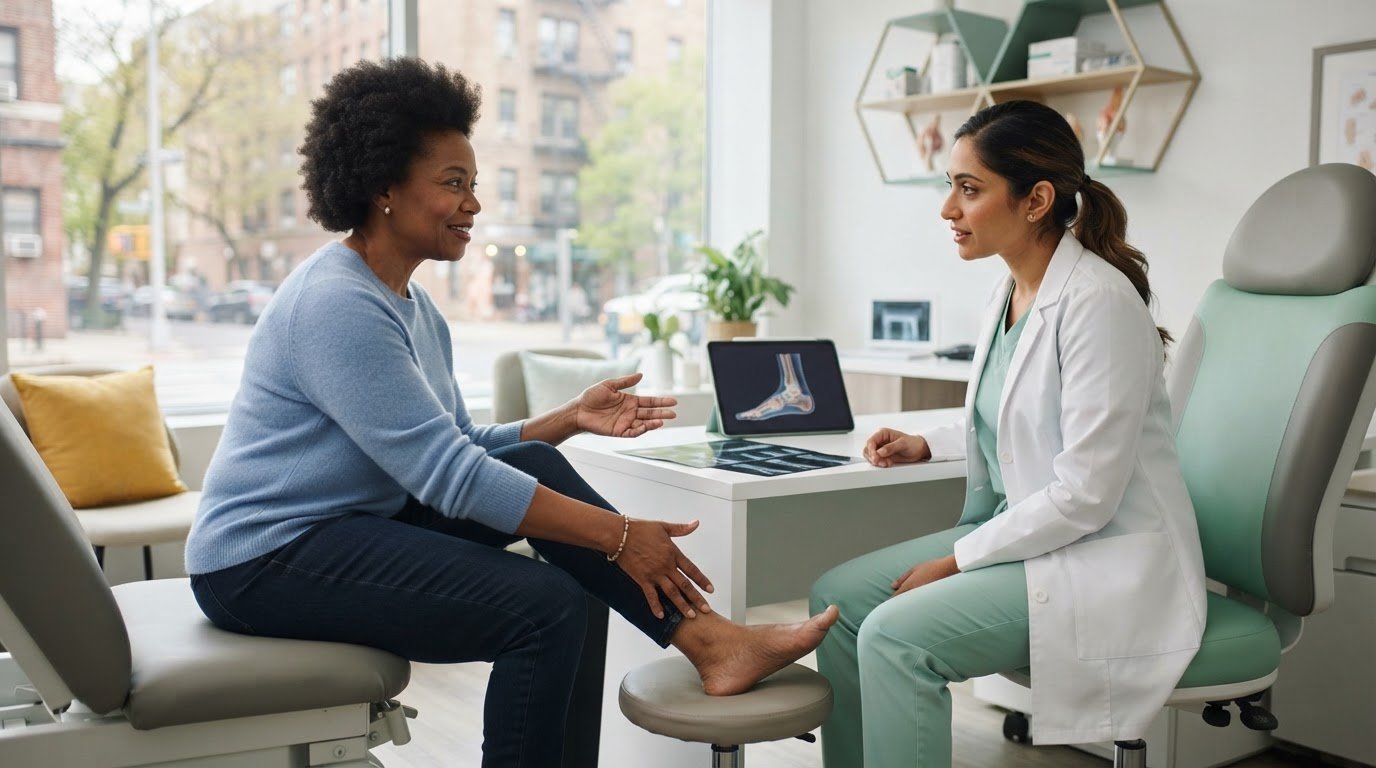
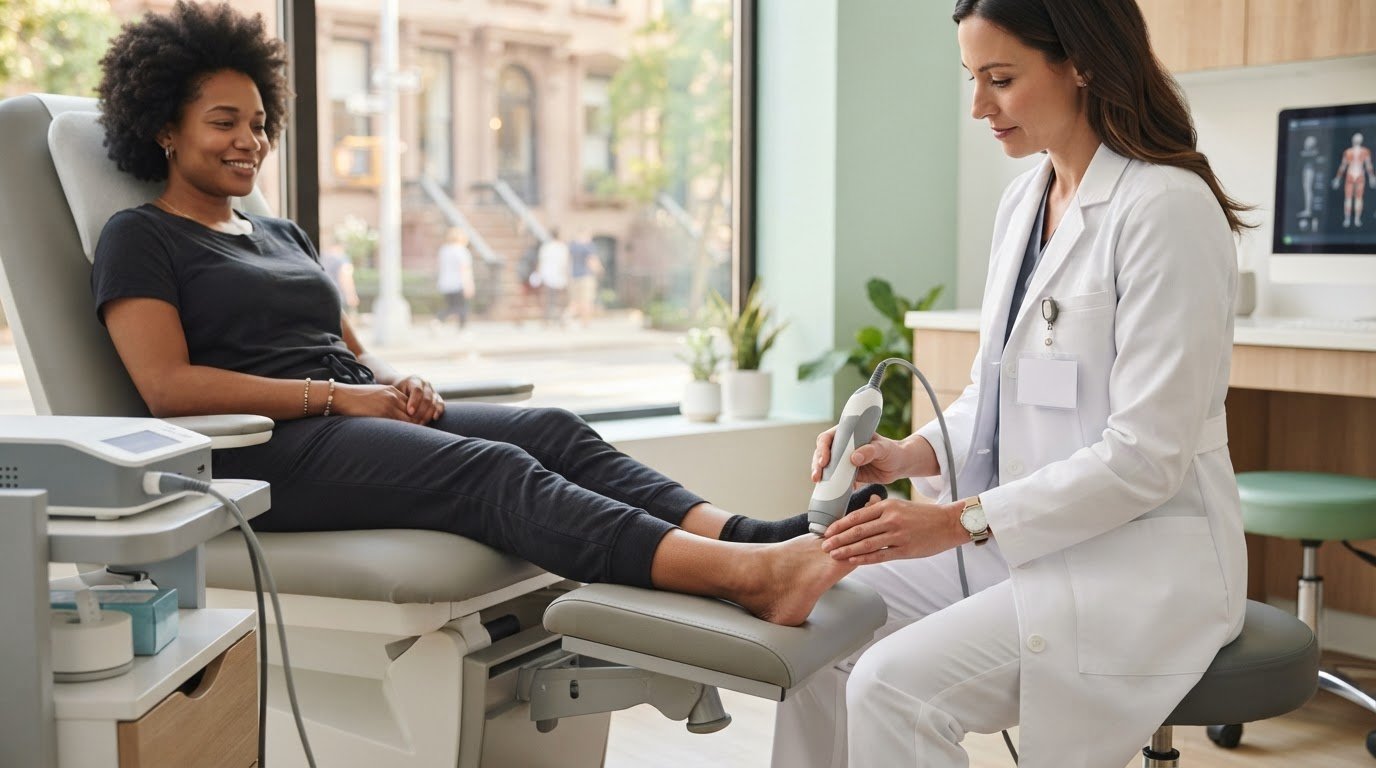
Our approach at Local Foot Doc combines advanced technology with a deep understanding of the local workforce. We use in-office digital X-rays to quickly identify hidden stress fractures that might feel like simple muscle soreness. We also specialize in diagnosing Morton’s Neuroma, a painful nerve entrapment frequently caused by the tight, restrictive footwear common in the industry. Dr. Majdanski’s 20 years of experience in New York ensures that your treatment plan respects your demanding schedule and the physical reality of your job. If your feet are preventing you from performing at your best, schedule a consultation at Local Foot Doc to begin your journey toward lasting relief.
Long-Term Mobility: Partnering with a Brooklyn Foot Specialist
Maintaining a successful career in the Brooklyn hospitality scene requires more than just professional grit. It demands a proactive approach to your physical health. For many servers and chefs, “pushing through the pain” is seen as a badge of honor, but this often leads to chronic conditions that could have been prevented. Securing long-term foot pain relief for restaurant staff Brooklyn isn’t just about surviving tonight’s double shift; it’s about ensuring you can stay active and mobile for years to come. We view our patients as partners in this process, providing the clinical expertise needed to navigate the unique demands of New York’s restaurant industry.
We strongly recommend an annual foot health “audit” for anyone working on their feet for more than six hours a day. This professional check-up allows us to identify subtle changes in your gait or foot structure before they manifest as debilitating injuries. Whether you are navigating the high-volume dining rooms of Williamsburg or managing a busy kitchen in Bay Ridge, your feet are your most valuable tools. An audit ensures those tools remain in peak condition.
Signs You Should Book an Appointment Today:
- Swelling in the feet or ankles that does not resolve after a full night of rest.
- Persistent numbness or “pins and needles” sensations during or after your shift.
- Localized pain that makes it difficult to bear weight or perform standard movements.
- Visible changes in the shape of your toes or the appearance of painful calluses.
Accessible Care for NYC Workers
We understand that restaurant schedules are notoriously difficult to manage. That’s why we’ve established multiple locations across Brooklyn and Queens, making it easier to find a specialist near your home or workplace. Our team is experienced in navigating insurance for podiatric care, ensuring that professional help is accessible to the local workforce. We focus on metaphors of regained independence because we know that when your feet feel better, your entire quality of life improves. You shouldn’t have to dread the walk to the subway after work.
Your Path to Pain-Free Shifts
True recovery comes from a combination of the “Shift-Cycle” habits we’ve discussed: proper pre-shift preparation, smart on-the-floor biomechanics, and dedicated post-shift recovery. When these DIY strategies aren’t enough, our specialized treatments provide the missing piece of the puzzle. Prioritizing your foot health is a critical career investment that pays dividends in comfort and longevity. Don’t wait for a minor ache to become a career-ending injury. Schedule your consultation at Local Foot Doc today and take the first step toward a pain-free future on the floor.
Take the First Step Toward Pain-Free Shifts
Your career in Brooklyn’s vibrant restaurant scene shouldn’t be defined by the pain you feel at the end of the night. By implementing a consistent routine of footwear rotation and post-shift recovery, you’re already doing the work to protect your foundation. However, when these steps aren’t enough, professional intervention is the key to maintaining your mobility and independence. Finding effective foot pain relief for restaurant staff Brooklyn is a collaborative process that starts with awareness and ends with the right clinical partnership.
At Local Foot Doc, board-certified surgeon Dr. Waldemar Majdanski brings over 20 years of specialized experience to the NYC hospitality community. We understand the unique occupational foot strain caused by unyielding concrete floors and long periods of static standing. With convenient locations across Brooklyn and Queens, we provide accessible care that respects your demanding schedule. We’re here to help you return to the floor with the confidence you need to succeed.
Book your foot pain evaluation at Local Foot Doc today. You’ve worked hard to build your career; let’s ensure your feet can keep up with your ambition.
Frequently Asked Questions
How do I know if my foot pain is just tiredness or something serious like plantar fasciitis?
Sharp, stabbing pain during your first few steps in the morning is the primary indicator of a serious issue. While general tiredness feels like a dull, aching sensation that improves with rest, condition-specific pain often lingers or intensifies after periods of inactivity. Identifying these symptoms early is vital for securing effective foot pain relief for restaurant staff Brooklyn and preventing the condition from becoming a chronic obstacle to your career.
Can I wear custom orthotics in my non-slip restaurant shoes?
Yes, you can and should use custom orthotics in your professional non-slip footwear. We design these medical-grade inserts specifically to fit the unique internal geometry of restaurant-grade clogs, boots, and sneakers. Unlike bulky over-the-counter pads, our specialized orthotics are streamlined to provide maximum structural support without compromising the fit or the safety of your slip-resistant soles during a fast-paced dinner rush.
Why do my feet swell so much specifically after a double shift?
Swelling, or pedal edema, occurs because gravity causes blood and fluid to pool in your lower extremities during long shifts. When you stand for hours on unyielding Brooklyn concrete, your circulatory system struggles to pump fluid back toward your heart without the assistance of walking. This pressure buildup leads to the visible puffiness and heavy sensation you feel in your feet and ankles after clocking out.
How long is the recovery time if I need bunion or hammertoe surgery?
Modern, minimally invasive techniques have significantly reduced recovery times for bunion surgery and hammertoe correction. While every patient’s healing process is unique, many hospitality professionals can return to light activity within a few weeks. We prioritize procedures that offer a faster return to the floor because we understand that your livelihood depends on your mobility and your ability to remain active in a demanding environment.
Are there specific stretches I can do during my 15-minute break?
Use your break for the “Wall Stretch” or “Seated Toe Extensions” to reset your biomechanics. For the wall stretch, lean forward with one heel back to target the calf muscles. For toe extensions, pull your toes toward your shin to stretch the arch. These movements help maintain flexibility in the posterior chain and prevent the connective tissues from tightening up during the most intense parts of your shift.
Does insurance typically cover a podiatrist visit for restaurant-related foot pain?
Most major insurance plans cover podiatric consultations when they are medically necessary to treat persistent pain or injury. While coverage for specific items like custom orthotics varies, a specialist visit for foot pain relief for restaurant staff Brooklyn is generally a covered benefit. For insured patients in NYC, specialist copayments typically range from $20 to $80, making professional care an accessible investment in your long-term health.
What is the best type of sock to prevent blisters and foot fatigue?
Moisture-wicking synthetic blends or merino wool are the superior choices for the high-heat environment of a professional kitchen. These materials pull sweat away from the skin, which prevents the friction that causes painful blisters and reduces the risk of fungal infections. Avoid 100% cotton socks, as they trap moisture and lose their structural shape, which significantly increases foot fatigue and skin irritation during long shifts.
When should I see a podiatrist in Brooklyn versus just buying new shoes?
You should see a podiatrist if your pain persists for more than two weeks despite wearing new, supportive footwear. If you experience localized swelling, numbness, or pain that forces you to limp, professional diagnostics are required. A specialist can identify underlying issues like stress fractures or nerve entrapment that new shoes cannot fix, ensuring you receive the correct treatment before a minor ache becomes a career-ending injury.