

Did you know that 85% of diabetes-related amputations start with a single, small foot ulcer? It’s a staggering reality in 2026, especially since 80% of all non-traumatic lower-limb amputations in the United States are linked directly to diabetes. If you’ve ever stared at a minor scratch on your foot with a sense of rising dread, you aren’t alone. We understand that the fear of losing your mobility can feel overwhelming, but these outcomes aren’t inevitable. Learning how to avoid amputation from diabetes is about shifting from reactive worry to a proactive partnership with your podiatric team.
We believe that your independence is worth every ounce of prevention, and we’re here to guide you through the healing process. This article shares the life-saving daily habits and advanced professional treatments that keep your feet healthy and your stride strong. You’ll find a clear checklist for daily home care, a guide to identifying when a wound becomes a medical emergency, and an overview of the latest limb preservation techniques. From understanding 2026 Medicare coverage changes for tissue-based products to mastering simple inspection routines, we’re committed to helping you stay active and mobile in our local community.
Key Takeaways
- Identify the silent risks of peripheral neuropathy and PAD to understand how diabetes can mask serious foot injuries.
- Master the 5-minute daily Mirror Method to catch minor cuts or blisters before they develop into dangerous ulcers.
- Learn how our specialized monofilament testing and clinical exams provide a clear strategy for how to avoid amputation from diabetes.
- Explore advanced limb preservation techniques, such as surgical debridement and offloading, that help restart the body’s natural healing process.
- Get expert advice on maintaining your mobility and independence while navigating the unique physical demands of life in Brooklyn and Queens.
Understanding the “Silent” Risks: How Diabetes Affects Your Feet
Diabetes doesn’t always announce its presence with sharp pain or obvious distress. Instead, it often works quietly beneath the surface, slowly changing how your body protects and repairs itself. Understanding these silent risks is the first essential step in learning how to avoid amputation from diabetes. We often see patients who are surprised that a major health crisis started with something as simple as a poorly fitted shoe or a dry patch of skin. This happens because diabetes creates a “perfect storm” where you lose the ability to feel injury while simultaneously losing the ability to heal it.
This process is what we call the Amputation Cascade. It’s a predictable but preventable chain of events. It usually begins with a small callus or a minor blister. Because of nerve damage, the patient doesn’t feel the irritation, so they continue to walk on it. This constant pressure turns the blister into an open sore, or ulcer. Without proper blood flow, the body can’t send enough white blood cells to fight off bacteria. Within days, a simple scrape can become a deep-seated infection that threatens the entire limb. We emphasize these risks because catching the cascade at the callus stage is much easier than treating it at the infection stage.
The Role of Peripheral Neuropathy
Pain is a gift. It’s your body’s most effective alarm system, telling your brain to move your foot when a shoe is too tight or a pebble is sharp. Diabetes often takes that gift away through peripheral neuropathy. When blood sugar remains high for too long, it damages the delicate fibers of your nerves. This damage affects three distinct areas: sensory, motor, and autonomic nerves. Sensory damage creates that familiar “pins and needles” sensation or, eventually, total numbness. Motor damage weakens the muscles in your feet, which can cause your toes to shift and create new pressure points. Autonomic damage stops your skin from producing natural oils, leading to cracks that invite bacteria. This combination of factors often leads to Diabetic foot syndrome, a condition where the foot’s natural defenses are compromised. You simply can’t rely on your feelings to judge your foot health anymore.
Peripheral Artery Disease (PAD) and Blood Flow
If neuropathy is a failure of the alarm system, Peripheral Artery Disease is a failure of the supply line. PAD occurs when the blood vessels in your legs narrow and harden, which restricts the flow of oxygen-rich blood to your feet. Think of blood as the fuel your body needs for repairs. When a wound “stalls” and refuses to close, it’s usually because the fuel isn’t reaching the site. We’ve found that effective diabetic foot care must address circulation as much as it addresses the wound itself. Without adequate blood supply, even the best bandages won’t be enough to jumpstart the healing process. Identifying these circulation issues early is a cornerstone of how to avoid amputation from diabetes and preserve your long-term mobility.
The 5-Minute Daily Foot Check: Your Number One Prevention Tool
We often tell our patients that the most sophisticated medical technology cannot replace the simple act of a daily foot inspection. This routine is the cornerstone of how to avoid amputation from diabetes. By setting aside just five minutes at the same time each day, perhaps right after your morning shower or before bed, you create a baseline for what is normal for your body. Consistency is your best defense against the “silent” risks we discussed earlier. When you know exactly how your feet look when they’re healthy, you’ll spot the tiny deviations that might otherwise go unnoticed.
If you find it difficult to reach your feet or see the soles clearly, don’t let that stop you. The Mirror Method involves placing a hand mirror on the floor or against a wall so you can see every angle of your heels and arches. For those with impaired vision or significant mobility challenges, we strongly recommend involving a family member or caregiver in this process. We also encourage you to use your smartphone to document any changes. A quick photo of a new callus or a red patch provides us with a valuable timeline during your next visit, allowing us to track the speed of any changes.
What to Look For: The Red Flags
You’re looking for more than just open wounds. Keep a sharp eye out for blisters, localized redness, or “hot spots” that feel warmer than the surrounding skin. These are early indicators of friction that could lead to an ulcer. Fungal infections between the toes are another concern because they can cause the skin to crack, creating an entry point for bacteria. These complications are often rooted in Diabetic Neuropathy, which can mask the pain of these early warning signs. Unusual odors or drainage on your socks should be treated as high-priority alerts, even if you feel no physical discomfort. This is a critical part of how to avoid amputation from diabetes.
Immediate Actions for New Wounds
If you discover a new scrape or blister, don’t panic, but do act quickly. Clean the area gently with mild soap and lukewarm water. Avoid harsh chemicals like hydrogen peroxide or iodine. These can actually damage healthy tissue and slow down the healing process. Apply a clean, dry bandage and monitor the site closely for the next 24 hours. If you notice redness spreading away from the wound, increased swelling, or if the area feels hot to the touch, you need professional intervention. If you’re unsure about a change you’ve spotted, scheduling a professional diabetic foot care assessment is the safest way to ensure a minor issue doesn’t become a major threat to your independence.

Why Professional Podiatric Care is Non-Negotiable
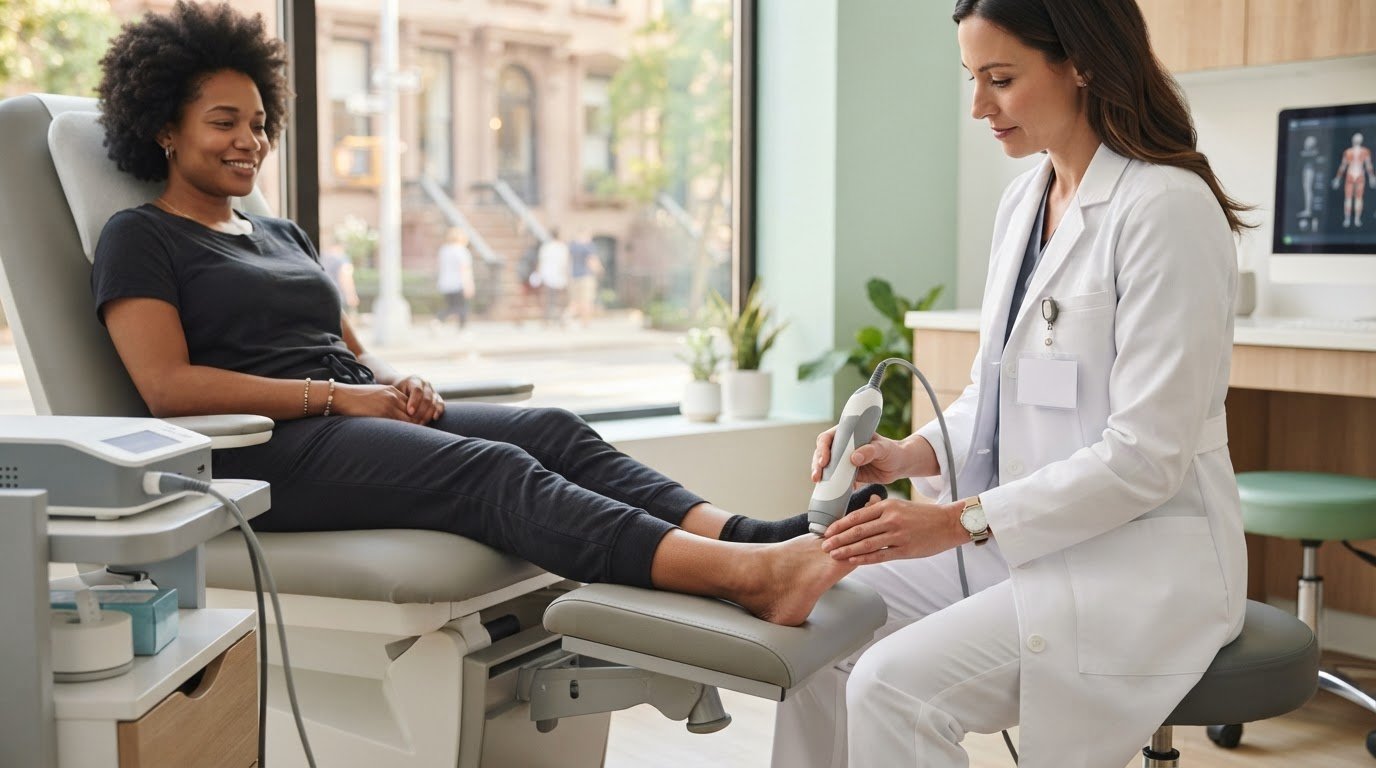
While your daily home inspection is your first line of defense, professional intervention is the most reliable strategy for how to avoid amputation from diabetes. We view our relationship with you as a partnership where we provide the clinical oversight that home care simply cannot match. A professional exam isn’t just a “nail trim” or a quick look at your skin; it’s a diagnostic deep dive into the health of your limbs. We use specialized tools to see what the naked eye misses, catching microscopic changes before they escalate into life-altering complications.
One of our most effective tools is monofilament testing. This involves using a small, flexible fiber to apply a specific amount of pressure to various points on your foot. By mapping your responses, we can track the exact progression of neuropathy over time. This data is invaluable because it tells us which areas of your foot are most at risk for “silent” injuries. We also stay alert for structural shifts, such as Charcot foot, where the bones begin to weaken and change shape. Detecting these structural changes early allows us to stabilize the foot and prevent the collapse of the arch, which is a common precursor to deep-seated ulcers.
The Comprehensive Diabetic Foot Exam (CDFE)
During a CDFE, we focus on three critical pillars of health. First is the vascular assessment, where we check your pulses and skin temperature to ensure your blood supply is sufficient for healing. Second is the neurological assessment, where we test your reflexes and vibration perception to gauge nerve function. Finally, we perform a dermatological check to evaluate skin integrity and nail health. This structured approach ensures that every potential risk factor is identified and addressed during your visit.
Preventing Ulcers Before They Start
Professional callus management is another vital service we provide. In a patient with diabetes, a callus is more than just a patch of rough skin; it acts like a pebble inside your shoe, creating “pressure necrosis” in the soft tissue underneath. We safely debride these areas to relieve pressure and prevent wounds from forming. We also provide guidance on medical-grade footwear. Diabetic shoes and custom orthotics aren’t just about comfort; they’re medical necessities designed to offload pressure and protect your feet from friction. If you’re looking for a podiatrist in Forest Hills NY, our team is ready to provide the specialized screenings you need to maintain your independence and keep your feet healthy for years to come.
Advanced Limb Preservation: Stopping an Ulcer in Its Tracks
When a diabetic foot ulcer reaches a critical stage, basic home care is no longer enough. To understand how to avoid amputation from diabetes at this juncture, we must look at advanced clinical interventions that physically change the environment of the wound. We use a combination of precise surgical techniques and modern biological materials to turn a stalled, chronic sore into an active, healing wound. This transition is vital because a wound that stays open for too long becomes a gateway for deep-tissue infections that can eventually reach the bone.
In 2026, limb preservation has become more sophisticated than ever. We now utilize evidence-based biological skin substitutes, often referred to as Cellular and/or Tissue-Based Products (CTPs). These advanced materials provide a scaffold for your own cells to grow upon, which can significantly speed up the closure of stubborn ulcers. Because of recent changes in Medicare coverage, we prioritize products with the strongest clinical evidence to ensure our patients receive the most effective treatments available. This high-tech approach is a cornerstone of our commitment to your long-term mobility.
The Science of Wound Debridement
We perform surgical debridement to remove what we call “non-viable” or dead tissue. This dead tissue isn’t just a passive layer; it’s a biological barrier that prevents new skin cells from migrating across the wound. It also provides a breeding ground for bacteria. By carefully removing this layer, we reduce the bacterial load and stimulate the underlying healthy tissue to restart the repair process. While some debridement happens in a standard clinic setting, more complex cases may require a specialized surgical approach to ensure every trace of infection is cleared and the supply lines for healing are open.
Offloading and Pressure Management
Even the most advanced medicine won’t work if the wound is constantly traumatized by the simple act of walking. We often tell our patients that walking on a foot ulcer is like rubbing sandpaper on a fresh cut; it destroys new cells as fast as your body can create them. This is where “offloading” becomes essential. We use Total Contact Casts (TCC) or specialized walking boots to redistribute your body weight away from the injury site. Once the wound has closed, custom orthotics become your primary tool for preventing a recurrence. These medical-grade inserts are engineered to cushion high-pressure areas, ensuring that the next ulcer never has a chance to form. If you are struggling with a wound that refuses to heal, our team provides the specialized diabetic foot care needed to protect your mobility and save your limb.
Diabetic Foot Care in NYC: Your Local Path to Recovery
Living in New York City presents a unique set of challenges for your feet that patients in other regions simply don’t face. Between navigating steep subway stairs, standing on crowded trains, and walking several miles a day on unforgiving concrete, the physical toll is significantly higher here. For our neighbors living with diabetes, these daily routines can quickly turn a minor irritation into a serious medical concern. We understand that your mobility is the key to your independence in this city. Our approach to how to avoid amputation from diabetes is rooted in the belief that high-level surgical expertise should be available right in your own community, without the need for stressful travel to distant hospital complexes.
Dr. Majdanski and the entire team at Local Foot Doc are deeply committed to community-based limb preservation. We’ve seen firsthand how timely, local intervention saves lives and keeps families together. By bringing advanced diagnostic tools and specialized wound care directly to Brooklyn and Queens, we ensure that our patients can maintain the frequent follow-up schedules required for successful healing. Our goal is to provide a collaborative “neighborhood doctor” atmosphere while maintaining the sophisticated clinical standards of a major medical institution. We’re here to ensure that a diagnosis of diabetes doesn’t mean the end of your active NYC lifestyle.
Specialized Care in Your Neighborhood
We’ve strategically located our clinics in Forest Hills, Astoria, and Woodhaven to serve the diverse needs of our local districts. Proximity is a vital factor in successful outcomes because chronic wounds often require weekly debridement or dressing changes to stay on track. When your podiatrist is just a short trip away, it’s much easier to stay compliant with your treatment plan and catch potential issues before they escalate. These local offices provide the fast-tracked care necessary to halt infections, proving that the most effective strategy for how to avoid amputation from diabetes is having a trusted expert team just around the corner.
Taking the First Step Toward Safety
You shouldn’t wait for a wound to open or for pain to become unbearable before seeking help. Because of the “silent” nature of neuropathy we discussed earlier, waiting for pain is often the most dangerous choice you can make. The first step toward securing your future mobility is a simple, preventative consultation where we can assess your circulation and nerve health. The process is straightforward, and we’ll guide you through every step of your care plan with patience and clarity. We invite you to Schedule your diabetic foot screening at Local Foot Doc today. Let’s work together to keep you walking, working, and enjoying everything our city has to offer.
Securing Your Future Mobility
We’ve explored the silent progression of neuropathy and the advanced clinical technology used in modern limb preservation. Ultimately, your journey toward long-term health depends on the balance between your daily vigilance at home and our clinical expertise in the office. Understanding how to avoid amputation from diabetes is the first step, but consistent action is what truly preserves your independence. Whether you’re navigating the busy sidewalks of Brooklyn or the subway stairs in Queens, you don’t have to face the complexities of diabetic foot care alone.
With over 20 years of NYC clinical experience, board-certified surgeon Dr. Waldemar Majdanski leads our specialized diabetic wound care facilities. We provide the advanced screenings and professional treatments necessary to stop the amputation cascade before it begins. Our partnership approach ensures that your symptoms are understood on a human level while being treated with technical precision. Protect your mobility; schedule a comprehensive diabetic foot exam at Local Foot Doc today. We’re here to help you stay active, healthy, and confident in every step you take through our community.
Frequently Asked Questions
Can a diabetic foot ulcer heal without amputation?
Yes, a diabetic foot ulcer can heal without amputation if we intervene early with specialized care. This success is the ultimate goal of learning how to avoid amputation from diabetes. We combine professional debridement to remove dead tissue, proper offloading to relieve pressure, and advanced biological skin substitutes to jumpstart your body’s repair process. When you follow a structured clinical routine, you significantly improve your chances of a full recovery and preserved mobility.
What are the early warning signs of a diabetic foot infection?
Early signs include localized redness, swelling, or skin that feels warmer than the surrounding area. You might also notice unusual drainage on your socks or a persistent foul odor, even if the site doesn’t hurt. Because neuropathy can mask the gift of pain, you must rely on these visual and physical cues. If you spot any of these red flags, it’s essential to seek professional podiatric care immediately to prevent the infection from spreading.
How often should a person with diabetes see a podiatrist?
We recommend a professional foot exam at least once a year for all diabetic patients. However, if you’ve been diagnosed with neuropathy or peripheral artery disease, we often schedule visits every three to six months. These regular check-ups are a cornerstone of how to avoid amputation from diabetes. They allow us to identify structural changes or high-pressure calluses that you might not feel, ensuring we stop complications before they start.
Is it safe to cut my own toenails if I have diabetes?
It isn’t safe to trim your own nails if you have neuropathy, poor circulation, or impaired vision. A minor nick or a nail cut too short can easily become a gateway for bacteria, leading to a non-healing infection. We provide clinical nail care as part of our diabetic foot care services. This ensures your nails are managed safely by a professional, removing the risk of accidental injury and protecting your feet from preventable complications.
What should I do if I find a blister on my foot but it doesn’t hurt?
You should treat any blister as a priority, even if it’s entirely painless. Clean the area gently with mild soap, apply a clean bandage, and don’t attempt to pop it, as this creates an entry point for infection. The fact that it doesn’t hurt is a sign of nerve damage, which means you need a professional evaluation. We’ll determine the cause of the friction and ensure the site heals properly without turning into an ulcer.
How does smoking increase the risk of amputation?
Smoking is a major risk factor because it causes your blood vessels to constrict, which starves your feet of the oxygen-rich blood needed for healing. Research shows that smoking doubles the risk of amputation in people with diabetes. By quitting, you immediately improve your circulation and your body’s ability to fight off infections. This simple lifestyle change is one of the most powerful ways you can protect your limbs and your long-term independence.
Will insurance cover diabetic shoes and custom orthotics?
Medicare Part B generally covers therapeutic shoes and custom orthotics for individuals with diabetes who have specific risk factors like neuropathy or foot deformities. In 2026, the annual Part B deductible is $283, and once met, insurance typically covers 80% of the cost for these medically necessary items. We provide the thorough documentation required to prove these tools are essential for your limb preservation and to prevent the recurrence of dangerous ulcers.
What is Charcot foot and why is it dangerous?
Charcot foot is a condition where the bones in the foot weaken and fracture, often without any pain because of nerve damage. As you continue to walk on these tiny fractures, the foot’s structure can collapse and take on a rocker-bottom shape. This deformity creates new, extreme pressure points that frequently lead to deep ulcers and infections. Early stabilization with specialized boots or casting is required to prevent permanent loss of mobility and save the limb.