
Did you know that nearly 75 percent of primary school teachers struggle with plantar fasciitis? For a dedicated educator, finding lasting heel pain relief for teachers in Queens is often the difference between a successful term and a daily struggle. That sharp, stabbing sensation during your first morning steps or the throbbing ache while walking to the E train isn’t just a minor frustration. It’s a physical barrier to doing the job you love.
We know that teaching in our local schools requires hours on unforgiving concrete floors, often followed by a long commute through Forest Hills or Astoria. This guide ensures you don’t have to choose between your career and your physical health. We’ll show you how to eliminate chronic discomfort through workplace ergonomics, restorative home care, and professional medical solutions that align with your 2026 NYCE PPO benefits. We’ll explore the common causes of foot stress, explain how to identify if your pain is plantar fasciitis, and outline the specific steps to get you back to a pain-free classroom routine while staying within your preferred local network.
Key Takeaways
- Learn to identify the signs of plantar fasciitis and why the concrete floors in Queens schools are a primary driver of chronic heel discomfort.
- Discover how simple classroom modifications, such as anti-fatigue zones and sit-stand rotations, can provide immediate relief during your lessons.
- Master a 10-minute after-school recovery protocol designed to reduce inflammation and release tension in your Achilles after a long day of teaching.
- Understand when it is time to seek professional heel pain relief for teachers in Queens to rule out stress fractures and explore custom orthotics.
- Find out how specialized podiatric care in Forest Hills and Astoria can help you regain your independence and maintain a pain-free teaching schedule.
Why Queens Educators Struggle with Chronic Heel Pain
Teaching in Queens is a high-impact profession. While we focus on lesson plans and student outcomes, our feet often pay the price for our dedication. Most educators seeking heel pain relief for teachers in Queens are actually battling a specific clinical condition. Plantar fasciitis is an inflammation of the thick band of tissue across the bottom of the foot. To understand the root cause, it helps to ask: What is Plantar Fasciitis? In short, it’s the primary culprit behind that sharp, stabbing sensation that greets you every morning.
The Anatomy of the “Teacher Heel”
Your plantar fascia acts like a shock-absorbing bowstring. When you spend six to eight hours standing, this ligament undergoes repetitive strain. This constant pressure leads to tiny micro-tears. You’ll likely notice the pain is most intense during those first few steps out of bed or when you stand up after a quiet prep period. This happens because the ligament tightens while you rest. When you suddenly put weight on it, those micro-tears are stretched again. We also see a strong correlation between heel discomfort and calf tightness. Tight calf muscles pull on the Achilles tendon, which in turn increases the tension on your heel and makes every step feel like a chore.
Queens School Environments and Foot Stress
The architecture of our local schools often works against us. Many NYC Department of Education buildings in neighborhoods like Woodhaven or Astoria feature original concrete or thin linoleum tile floors. These surfaces offer zero “give” or shock absorption. This environment creates a perfect storm for chronic injury.
- Stair Climbing: Multi-story school buildings require frequent trips between floors, doubling the load on your heels compared to a single-level office.
- Recess Duty: Monitoring the playground often means standing for 30 to 45 minutes on uneven asphalt or cracked pavement.
- The NYC Commute: Your workday doesn’t start at the bell. Walking to the 7 train at 74th St-Broadway or the E train at Forest Hills-71st Av adds thousands of high-impact steps on hard city sidewalks.
This cumulative stress makes finding effective heel pain relief for teachers in Queens a necessity rather than a luxury. When your commute involves a mile of walking before you even reach your classroom, your footwear and foot health become your most important tools for professional success.
Daily Checklist: Classroom Modifications for Immediate Relief
Effective heel pain relief for teachers in Queens isn’t just about what happens in a medical office; it’s about the hundreds of choices you make between the first bell and dismissal. While you can’t replace the floors in your school building, you can modify your immediate environment to protect your feet. One of the most effective changes is the creation of “anti-fatigue zones.” By placing a small, high-density foam mat at your lectern or the section of the whiteboard where you stand most frequently, you create a vital buffer between your heels and the unforgiving concrete.
We also recommend implementing a “Sit-Stand” rotation. During independent student work or testing periods, make a conscious effort to sit. Offloading your weight for even five to ten minutes every hour allows the plantar fascia to recover from the constant tension of standing. Additionally, don’t wear the same pair of shoes two days in a row. Midsole cushioning requires 24 to 48 hours to fully decompress after a full day of use. If you rotate between two or three pairs, you ensure your feet always have maximum shock absorption. For more detailed self-care strategies, Harvard’s Guide to Heel Pain Relief offers excellent insights into managing these daily stressors.
Choosing the Right Teaching Shoe
Your footwear should be a tool for health, not just a professional accessory. Fashionable flats and worn-out sneakers often lack the structural integrity needed for a 10,000-step day. Look for shoes with a rigid shank; the shoe should not bend easily in the middle. A deep heel cup is also essential to stabilize the natural fatty pad of your heel, which acts as your body’s built-in cushion. If you are debating between different styles, understanding the Difference Between Running and Walking Shoes can help you select a pair that matches your specific gait and classroom needs.
Ergonomic Desk and Whiteboard Setup
Small postural shifts can significantly reduce the load on your posterior chain. Ensure your computer monitor is at eye level to prevent you from leaning forward, a habit that shifts your center of gravity onto your heels. We also suggest keeping a “recovery kit” in your desk drawer or the teacher’s lounge. A simple tennis ball or a frozen water bottle used for rolling out your arches during your lunch break can provide immediate, temporary relief from inflammation. If these ergonomic adjustments don’t resolve your discomfort, the specialists at Local Foot Doc can provide a more comprehensive evaluation of your foot mechanics.
Finally, keep an eye on your hydration. Dehydration can lead to systemic inflammation, which often aggravates existing foot pain. Keeping a water bottle at your desk isn’t just good for your voice; it’s a simple way to help manage the internal pressure in your lower extremities throughout the school day.
The 10-Minute After-School Recovery Protocol
After the final bell rings in Woodhaven or Astoria, your focus likely shifts to grading or your own family. However, dedicated heel pain relief for teachers in Queens requires a deliberate transition from the classroom to the home. We recommend a four-step recovery protocol to address the mechanical stress of the day. This routine targets the common causes of heel pain by reducing inflammation and restoring tissue length before you settle in for the evening.
- Step 1: The Frozen Water Bottle Roll: Spend five minutes rolling each foot over a frozen water bottle. This provides cryotherapy to numb the pain while the physical rolling massages the fascia.
- Step 2: Wall-Facing Calf Stretches: Stand facing a wall with one foot back and the heel pressed down. Hold for 30 seconds. This releases tension in the Achilles tendon, which is often the silent driver of heel discomfort.
- Step 3: Seated Toe Curls: While sitting, use your toes to scrunch a towel toward you. This strengthens the intrinsic muscles of your arch, providing better natural support.
- Step 4: Elevation: Prop your feet up above your heart for at least five minutes. This helps drain the fluid that accumulates in your lower legs after hours of standing.
Mastering this simple routine is a vital part of achieving heel pain relief for teachers in Queens. It’s a way to reclaim your mobility after the physical demands of the school day.
Effective Stretching for Queens Commuters
Your recovery doesn’t have to wait until you get home. If you’re waiting for the Q32 bus or standing on a subway platform, you can perform discreet stretches. A “Great Toe” stretch involves simply pulling your big toe upward while seated or standing, which directly engages the plantar fascia. These micro-movements keep the tissue flexible and prevent it from “locking up” during your commute. For a deeper understanding of how these habits impact your recovery, see What is Plantar Fasciitis? A New Yorker’s Guide.
Night-Time Support and Splints
For many educators, the hardest part of the day is the first step out of bed. This happens because the fascia contracts while you sleep. A night splint can be a transformative tool. By maintaining a gentle, sustained stretch throughout the night, a splint ensures that your first morning steps don’t immediately re-tear the healing tissues of your arch. We also find that compression socks are excellent for managing lower leg fatigue. They support circulation during the day and reduce the throbbing sensation many teachers feel by 4:00 PM. These tools work together to ensure your body continues to heal even while you rest.

When Professional Intervention is Necessary
While stretching and classroom modifications provide a strong foundation, home care has its limits. If you’ve been diligently following a recovery protocol for more than two weeks and still experience sharp pain during your first morning steps, you need a clinical evaluation. Professional heel pain relief for teachers in Queens moves beyond symptom management to address the underlying structural cause of your discomfort. Ignoring persistent pain often leads to compensatory injuries in your knees, hips, or lower back as your body tries to shift weight away from your aching heel.
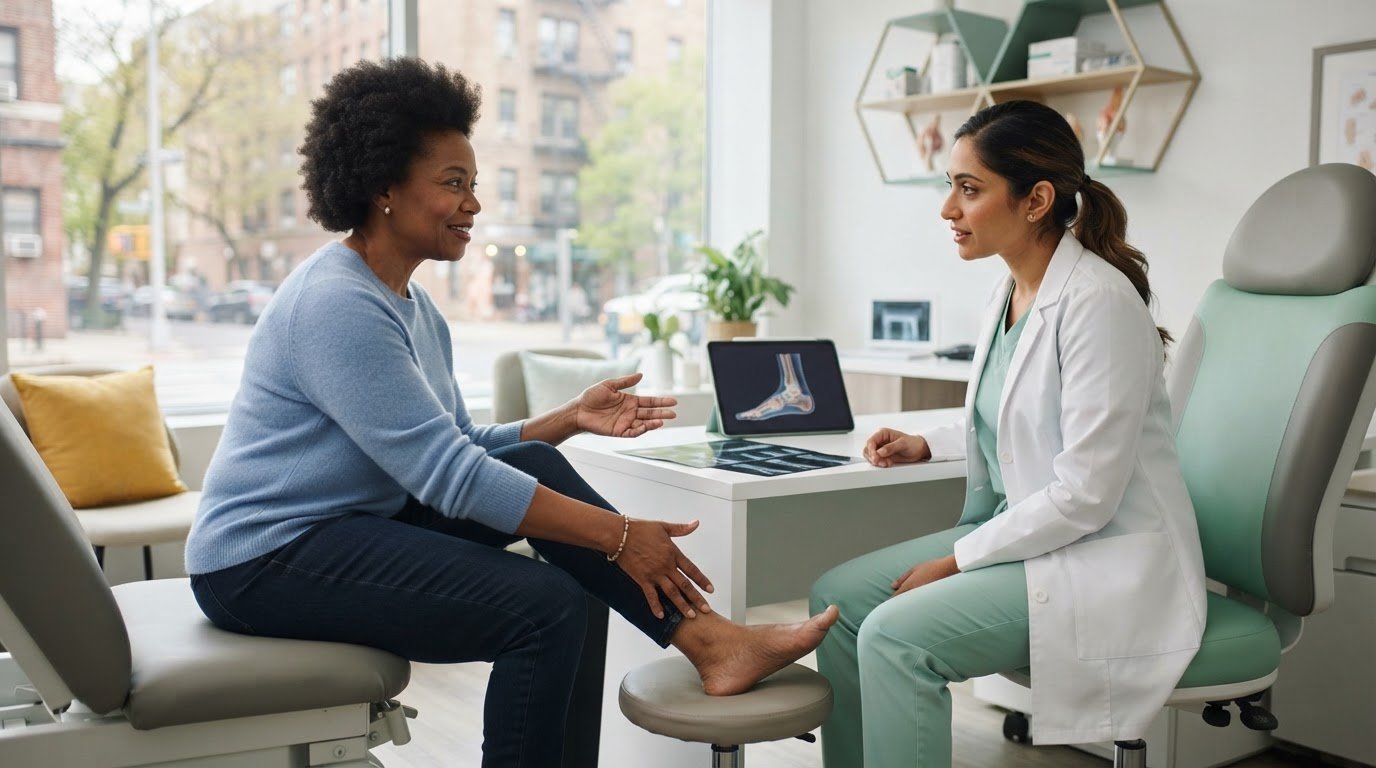
Our diagnostic process is thorough and efficient. We often use digital X-rays or diagnostic ultrasound to get a clear picture of your foot’s internal structures. This step is essential because it allows us to rule out stress fractures or heel spurs that might be complicating your recovery. Finding the Best Podiatrist in Forest Hills, NY means choosing a specialist who understands the urgency of your schedule and provides a clear roadmap from conservative care to advanced intervention.
Custom Orthotics: The Gold Standard for Teachers
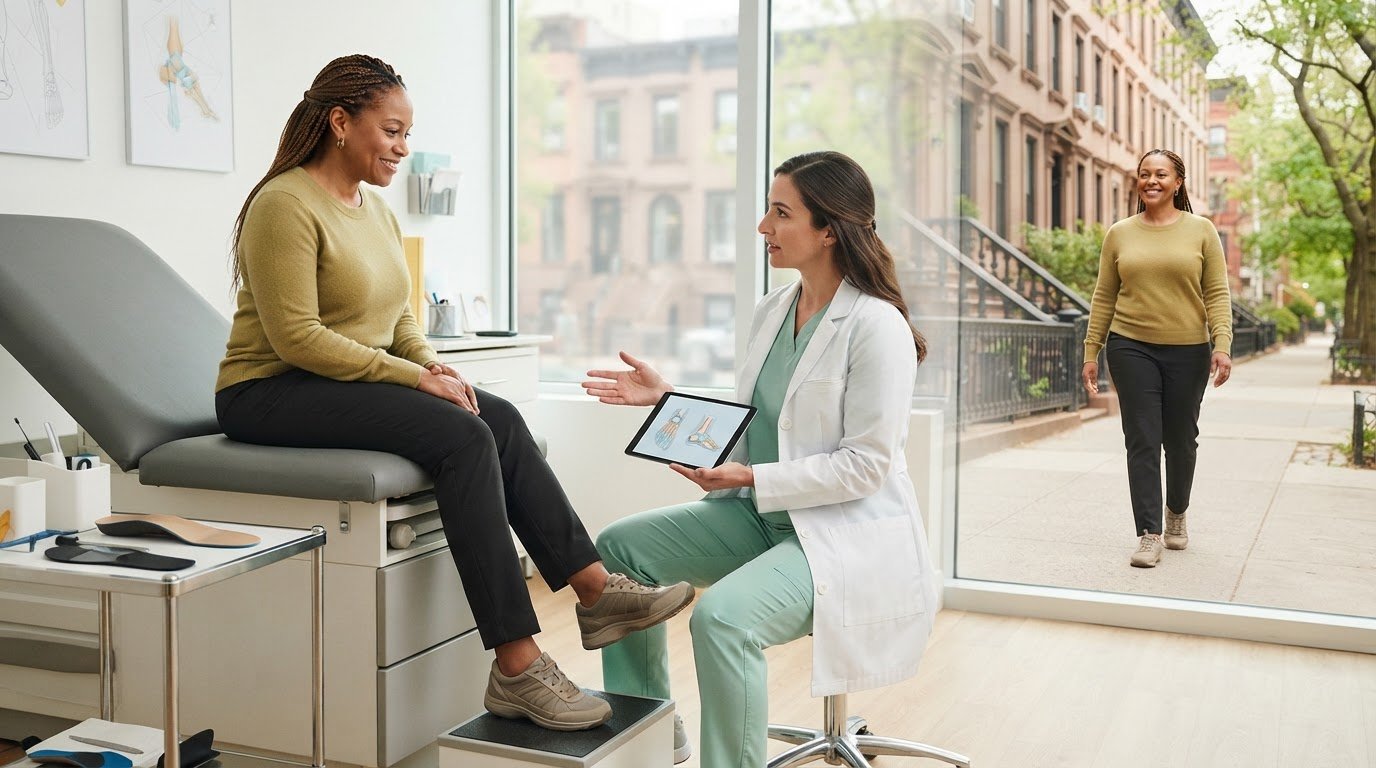
For educators who spend all day on their feet, custom orthotics are often the most effective long-term solution. Unlike “one-size-fits-all” inserts from a pharmacy, these are medical devices molded specifically to your feet. At Local Foot Doc, our 2026 technology includes precision gait analysis to identify exactly where your arch is collapsing or where pressure is highest. Custom orthotics act as a permanent ergonomic correction; they’re a cost-effective alternative to years of physical therapy or the prospect of surgery. They provide the stability you need to navigate school hallways without the fear of a flare-up.
Advanced Treatments for Chronic Cases
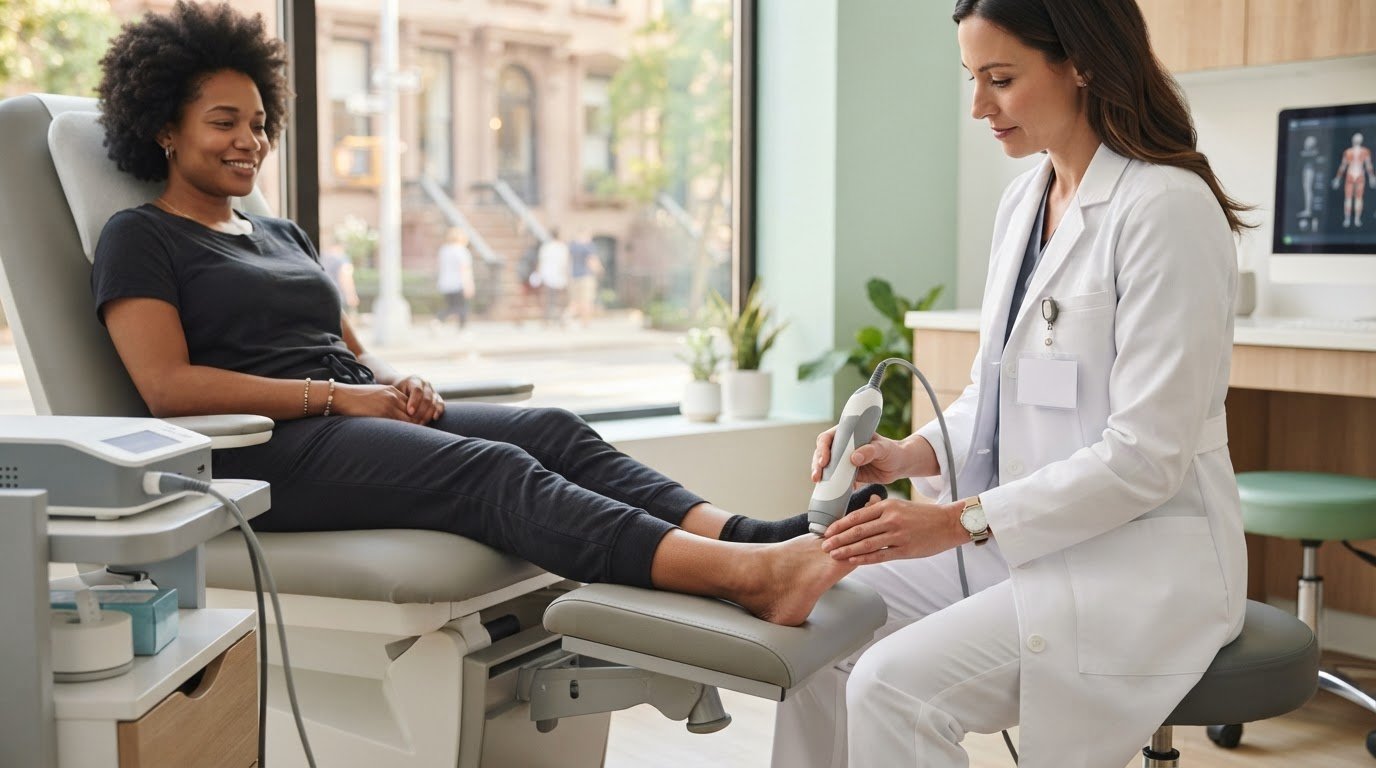
If conservative methods haven’t provided enough relief, we offer advanced, non-invasive options. Extracorporeal Pulse Activation Technology, or EPAT, uses pressure waves to stimulate blood flow and accelerate healing in the damaged fascia. It’s an excellent choice for teachers because it requires no downtime. We also utilize targeted injections to quickly reduce debilitating inflammation in acute cases. These modern methodologies ensure that even chronic sufferers have a path back to a pain-free lifestyle. If you’re ready to stop managing the pain and start solving it, you can schedule a consultation with Local Foot Doc at our Forest Hills, Astoria, or Woodhaven locations.
Finding Relief Near Your Queens School
When you’re balancing lesson plans and parent-teacher conferences, you don’t have time to trek into Manhattan for medical care. Effective heel pain relief for teachers in Queens should be as accessible as your local subway stop. Our practice is intentionally rooted in the neighborhoods where you live and work. With convenient locations in Forest Hills, Astoria, and Woodhaven, we ensure that expert podiatric care is never more than a short commute away. We understand that a sudden flare-up can make it impossible to finish your day, which is why we offer same-day appointments for acute cases that require immediate attention.
Dr. Waldemar Majdanski brings over 20 years of clinical experience in New York City to every consultation. He has spent decades treating the city’s workforce, including thousands of educators who face the unique physical demands of the NYC Department of Education environment. This deep community connection means we don’t just see a patient; we see a dedicated civil servant who needs to return to their classroom with full mobility and confidence. We’ve designed our scheduling and diagnostic processes to be efficient, allowing you to get the answers you need without disrupting your instructional time.
Why Queens Teachers Trust Local Foot Doc
Our approach is built on a foundation of clinical authority and compassionate reassurance. We prioritize non-surgical recovery first, focusing on biomechanical corrections that allow you to stay active while you heal. This is particularly important for educators who cannot afford the downtime associated with invasive procedures. We also understand the complexities of teacher health benefits. With the transition to the 2026 NYCE PPO plan, we work to ensure that accessing specialist care and custom orthotics is a seamless process for UFT members and DOE employees. Our goal is to provide a collaborative atmosphere where you’re a partner in your own recovery.
Your Path to Pain-Free Teaching
The journey from chronic discomfort to regained independence involves a combination of smart classroom ergonomics, consistent after-school recovery, and professional intervention when necessary. You’ve spent this guide learning how to protect your arches and manage inflammation; now it’s time to take the final step. You don’t have to “just live with” the sharp pain that makes every school day a trial. Whether you need a precision gait analysis for custom orthotics or advanced shockwave therapy, we provide a clear, comforting path to healing. If you’re ready to walk into your classroom without hesitation, contact Local Foot Doc today to schedule your initial evaluation at our Forest Hills, Astoria, or Woodhaven offices.
Reclaim Your Mobility and Classroom Focus
We’ve explored how a combination of classroom ergonomics, such as anti-fatigue zones, and a structured 10-minute recovery protocol can mitigate the daily strain on your feet. These proactive steps are essential for managing the impact of concrete floors and long NYC commutes. However, lasting wellness often requires more than home care. Finding effective heel pain relief for teachers in Queens is a collaborative process that starts with a professional assessment of your unique biomechanics and gait patterns.
Board-Certified Podiatrist Dr. Waldemar Majdanski brings specialized experience in treating NYC educators and civil servants who face these specific occupational hazards every day. With convenient locations across Forest Hills, Astoria, and Woodhaven, we make it easy to prioritize your health without missing a beat in your lesson plan. We utilize modern diagnostics and precision custom orthotics to help you regain your independence from chronic discomfort. Schedule your heel pain consultation at our Forest Hills or Astoria office today. You’ve dedicated your career to supporting the next generation; it’s time to dedicate a moment to your own recovery. We look forward to helping you walk back into your school with comfort and confidence.
Frequently Asked Questions
Is heel pain common among teachers in Queens?
Yes, heel pain is a significant occupational hazard for our local educators. Statistics show that nearly 75 percent of primary school teachers deal with plantar fasciitis during their careers. The combination of standing on unyielding tile floors in schools across Woodhaven and Astoria, paired with high-impact commutes, creates significant strain. Many find that seeking professional heel pain relief for teachers in Queens is the only way to maintain their performance in the classroom.
Can I treat plantar fasciitis at home without seeing a doctor?
You can manage mild symptoms with home protocols, but chronic pain usually requires professional intervention. While ice rolling and stretching provide temporary relief, they don’t always address the underlying biomechanical cause. If your pain persists for more than two weeks, we recommend a consultation. We can provide a definitive diagnosis and ensure you aren’t dealing with a more serious condition like a stress fracture or a hidden tear in the ligament.
How do I know if I need custom orthotics or just better sneakers?
Sneakers provide general cushioning, but custom orthotics are medical devices that correct your specific foot structure. If you’ve upgraded to high-quality footwear and still experience sharp pain during your first morning steps, your arches likely need more targeted support. We use precision gait analysis to determine if your foot mechanics require custom-molded inserts. These devices provide the stability needed to navigate long school days on hard surfaces without constant discomfort.
Will I need to take time off work for heel pain treatment?
Most of our modern treatments are designed to keep you in the classroom without any downtime. We prioritize non-invasive options like custom orthotics and shockwave therapy (EPAT), which require no recovery period. Our goal is to provide effective heel pain relief for teachers in Queens while respecting your professional schedule. We offer convenient locations in Forest Hills and Astoria to make it easy to visit us after the final bell.
What are the best shoes for teachers who stand all day on concrete?
The best shoes for educators feature a rigid shank, a deep heel cup, and a well-cushioned midsole. Your footwear should not bend easily in the middle, as this lack of support aggravates the plantar fascia. While fashionable flats are popular, they often fail to protect your feet from the concrete floors found in NYC schools. We recommend rotating between two pairs of high-quality walking shoes to ensure the cushioning remains effective every day.
Does insurance usually cover podiatrist visits for teachers in NYC?
Yes, most New York City educator health plans provide coverage for specialist podiatry visits. Under the 2026 NYCE PPO plan, in-service UFT members generally have a $30 co-pay when visiting a participating specialist. While routine care isn’t covered unless you have a metabolic disease like diabetes, treatments for acute heel pain are standard benefits. We can help you navigate your coverage for therapeutic options and durable medical equipment like custom orthotics.
What happens if I ignore my heel pain and keep teaching through it?
Ignoring chronic heel pain often leads to compensatory injuries in your knees, hips, and lower back. When you favor one foot to avoid discomfort, you shift your weight and disrupt your natural alignment. Over time, the constant inflammation can cause the plantar fascia to thicken or develop small tears that are harder to treat. Addressing the issue early prevents structural damage and helps you maintain your independence and long-term mobility.
Are there specific stretches I can do in my classroom during the day?
You can perform several discreet stretches during your prep period or lunch break to alleviate tension. Seated toe curls and “Great Toe” stretches are excellent for maintaining flexibility in the arch. Simply pulling your big toe upward while sitting provides a targeted stretch to the fascia. Standing calf stretches against a classroom wall are also highly effective. These small movements help reduce the tightness that typically accumulates by the middle of the school day.