
What if the standard school physical required by the PSAL is only telling you half the story about your child’s readiness for the season? Every parent in neighborhoods like Astoria or Bayside knows the late-summer rush to get that mandatory 2026 Pre-Participation Physical Evaluation (PPE) form signed. You want your child to succeed, but it’s natural to feel anxious when they complain about “growing pains” or when you’re unsure if their new cleats provide enough support. We understand that your biggest fear is seeing them sidelined by a preventable injury. Just as you prioritize their physical conditioning, it is also wise to explore Dental Cleanings and Exams to ensure that oral health issues don’t compromise their overall performance.
A specialized pre-season foot assessment for young athletes Queens offers the clinical precision needed to keep your child active and pain-free. By looking beyond a general health screening, we can identify biomechanical risks and provide professional advice tailored to their specific sport. This guide outlines everything you need to know about podiatric screenings, from preventing shin splints and Sever’s disease to choosing the right footwear. We’ll show you exactly how to secure that “all-clear” so your athlete can focus on the game, not their feet.
Key Takeaways
- Learn why a standard school physical often overlooks biomechanical risks that a specialized pre-season foot assessment for young athletes Queens is designed to identify.
- Explore our clinical evaluation process, which uses diagnostic imaging and physical exams to ensure your child stays on the field and out of the clinic.
- Understand the professional advantages of custom orthotics over off-the-shelf inserts for managing sport-specific demands and preventing chronic pain.
- Master a simple at-home checklist to spot early warning signs like “first step” discomfort or skin issues before they develop into season-ending injuries.
- Access expert podiatric care conveniently located across Queens to help your student-athlete achieve peak performance and a safe 2026 season.
Why Queens Student-Athletes Need a Specialized Pre-Season Foot Assessment
The High Stakes of Queens Youth Sports
Student-athletes in the PSAL and CHSAA face unique physical challenges. Whether they are sprinting on the hard-court basketball surfaces in Forest Hills or playing soccer on the turf fields in Astoria, the impact on developing joints is significant. Queens’ public parks often feature unforgiving surfaces that don’t absorb shock as well as professional-grade facilities. This environment, combined with the high intensity of local club sports, puts immense pressure on a young person’s growth plates. A thorough screening in the field of podiatric medicine helps us identify if these surfaces are contributing to hidden strain. We understand the local landscape because we live and work here, seeing firsthand how the “Queens concrete” affects our young neighbors.
Preventing the ‘Season-Ending’ Injury Before It Starts
Many injuries we treat in the fall are actually the result of the “summer-to-season” transition. After months of wearing flip-flops or being less active, a sudden jump into six-day-a-week practices can be a shock to the system. This abrupt change often leads to stress fractures, shin splints, or Sever’s disease. By detecting subtle gait abnormalities early, we can often prevent a season-ending injury through simple interventions like stretching routines or footwear adjustments. It’s about more than just avoiding pain; it’s about the regained independence of knowing your child can compete at their best without the fear of falling behind their teammates. Investing in prevention now is far more effective than managing a complex recovery or considering surgery later in the year. We aim to keep your athlete on the field, ensuring they don’t miss a single goal or basket due to a foot issue that could have been spotted in August.
What Happens During a Professional Sports Podiatry Evaluation?
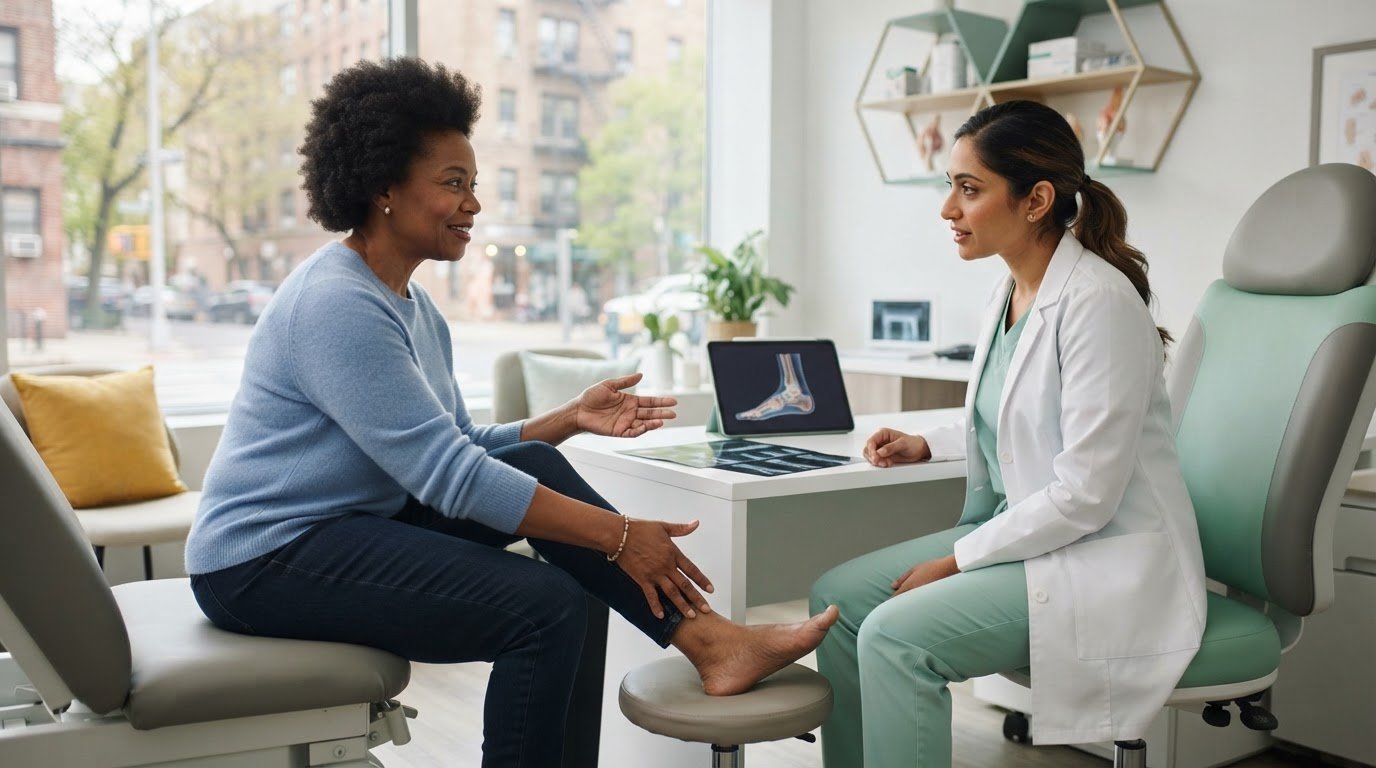
When you bring your student-athlete to Local Foot Doc, the process is far more involved than a simple checkup. While the American Academy of Pediatrics provides the gold standard for general pre-season physicals, our podiatric screening focuses specifically on the 26 bones and dozens of joints that propel your child across the field. We begin with a detailed conversation. We want to hear about any lingering aches from last year or if they’ve noticed their shoes wearing down unevenly. This partnership between the doctor, the parent, and the athlete is the foundation of our care. We believe that when a young person understands how their body works, they are more likely to follow through with the preventative steps we recommend.
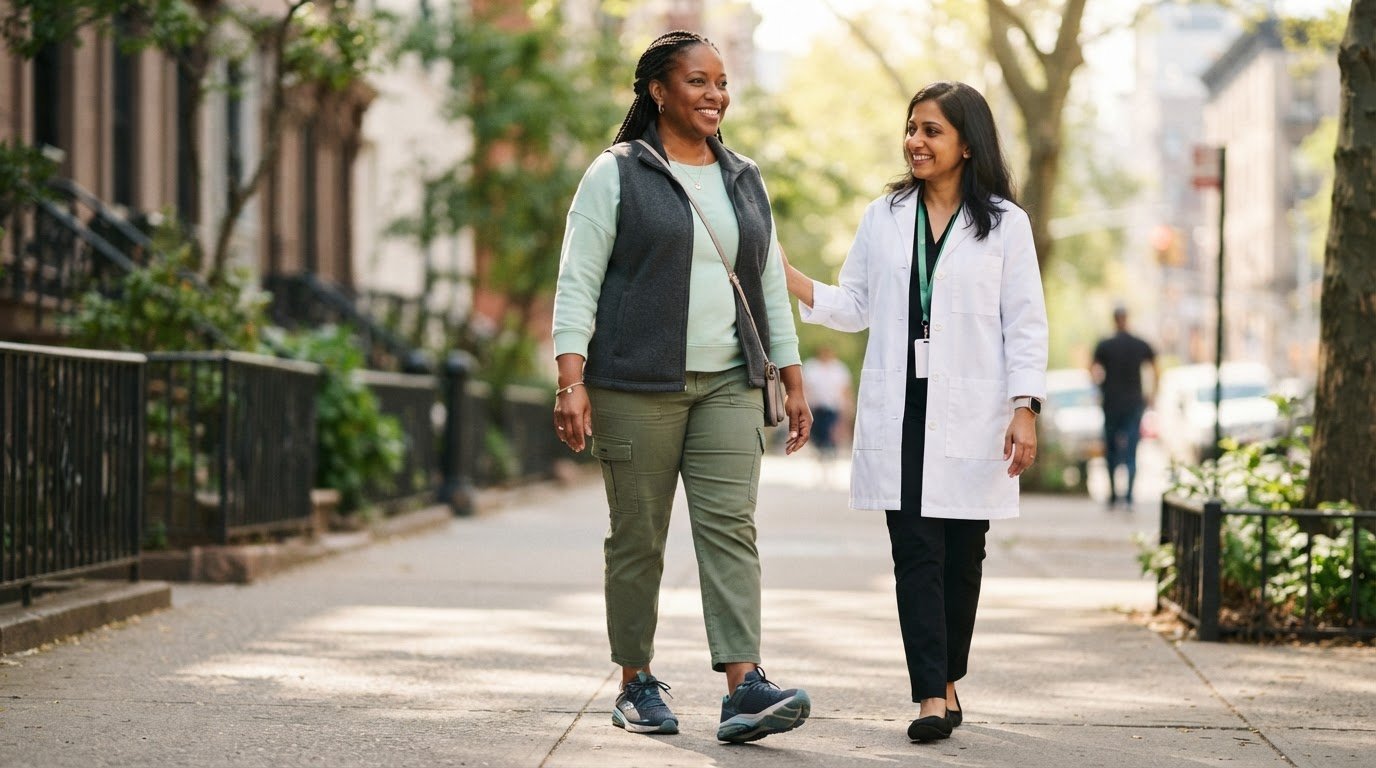
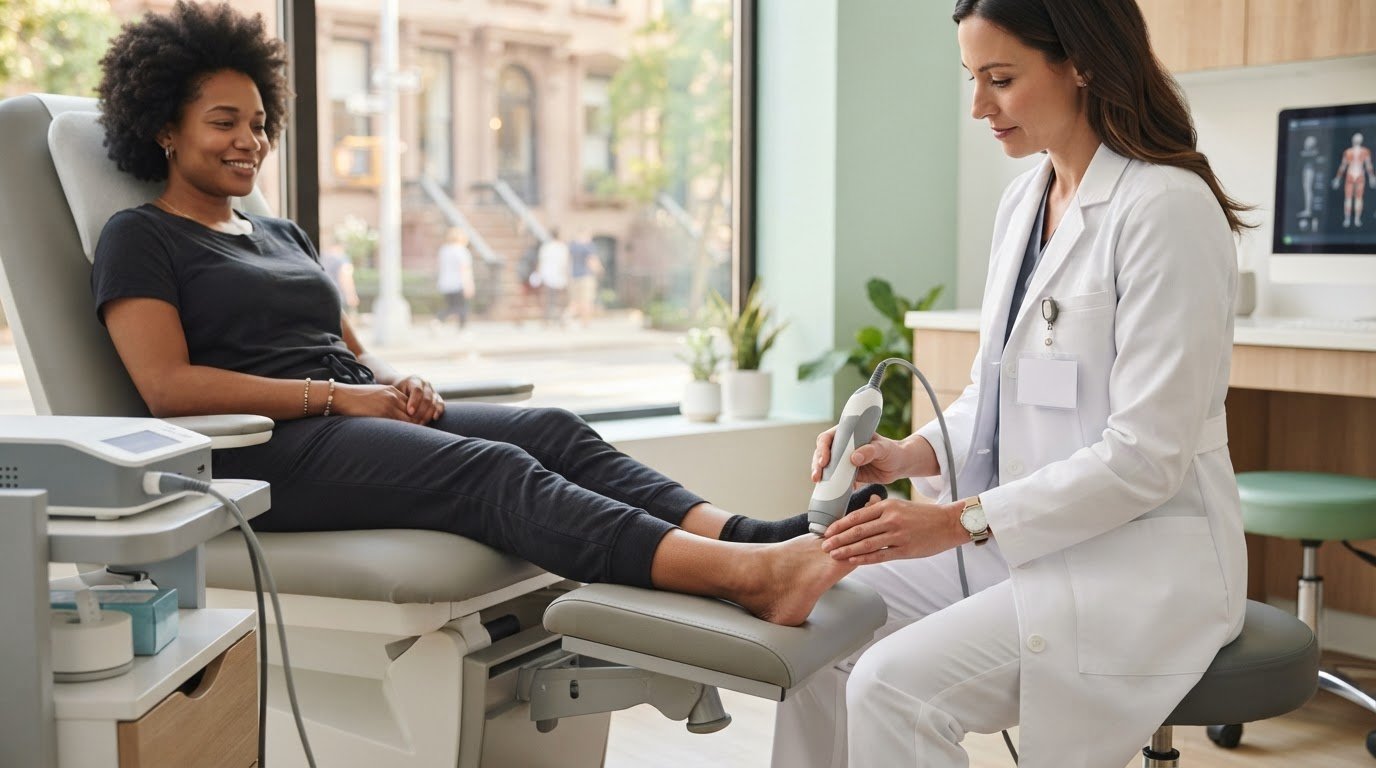
Next, we perform a seated physical examination to check joint range of motion and muscle strength. If we suspect a structural issue, we may use on-site diagnostic imaging to get a clearer picture of the internal anatomy. But the most revealing part of the exam happens when the athlete gets moving. We watch them walk, run, and perform sport-specific movements. Seeing how a soccer player pivots or how a track runner strikes the ground tells us more than any static test ever could. This “active” phase is where we see the real-world application of their foot structure.
Digital Gait Analysis and Biomechanical Mapping
We utilize advanced technology to perform digital gait analysis. This allows us to see exactly how the foot interacts with the ground, identifying issues like over-pronation or unusually high arches that often go unnoticed. These structural patterns don’t just stay in the feet. They often travel up the kinetic chain, causing unexplained knee or hip pain during the season. Biomechanical mapping is the blueprint for an athlete’s movement efficiency. By mapping these patterns, we can correct imbalances before they lead to a clinic visit. If you’ve noticed your child limping after practice, it’s the perfect time to schedule a consultation with our team to protect their long-term mobility.
Growth Plate Monitoring (Sever’s Disease & Osgood-Schlatter)
For athletes between the ages of 8 and 14, growth plates are the most vulnerable part of their anatomy. Conditions like Sever’s disease, which affects the heel, or Osgood-Schlatter, which impacts the knee, are common during growth spurts. Our specialized sports medicine approach allows us to identify early inflammation in the calcaneal growth plate before it becomes a chronic problem. Catching these signs during a pre-season foot assessment for young athletes Queens ensures we can implement a stretching or rest plan immediately. We focus on these unique pediatric concerns to ensure your child’s development isn’t hindered by the demands of their sport.
Footwear and Support: Custom Orthotics vs. Off-the-Shelf Cleats
We often hear parents ask why they shouldn’t just grab a pair of gel inserts from the local pharmacy. It is a fair question. While those pads might offer a bit of temporary cushion, they don’t address the underlying structural issues we look for during a pre-season foot assessment for young athletes Queens. A generic insert is designed for an “average” foot that simply does not exist. Our young athletes need support that matches their specific arch height and gait cycle. Whether your child is playing in a soccer league in Astoria or practicing on the basketball courts in Woodhaven, the right support can be the difference between a successful season and a painful one.
Sport-specific footwear serves different mechanical purposes. Soccer cleats require a low profile and a tighter fit for better ball control, which often leaves little room for natural shock absorption. On the other hand, basketball high-tops are built to prioritize ankle stability and vertical impact protection. We guide you through these differences to ensure the shoe matches the demands of the sport. Professional support is an investment in your child’s long-term mobility, helping them stay on the field and out of the clinic.
The Science of Custom-Molded Shoe Inserts
The process of creating custom orthotics involves taking a precise mold of your child’s foot in its most efficient position. Unlike one-size-fits-all products, these medical-grade devices are crafted to correct specific imbalances like flat feet or over-pronation. They act as a corrective tool that aligns the entire lower limb. While the upfront cost reflects the specialized technology used, these supports are durable. Research indicates that custom orthotics can last between two and five years, providing far more value and protection than a flimsy foam insert that loses its shape in a few weeks. We view these as a medical prescription for your child’s athletic foundation.
Choosing the Right Cleats for Queens Turf and Courts
When you visit local Queens sporting goods stores, keep the “Rule of Thumb” in mind. There should be about a thumb’s width of space between the longest toe and the end of the shoe to allow for foot expansion during high-intensity play. This is especially important during growth spurts when foot size can change in a matter of months. We also strongly advise against using “hand-me-down” cleats. Shoes naturally mold to the previous owner’s unique wear patterns. Forcing a developing athlete’s foot into a shoe already shaped by someone else’s gait can lead to blisters, ingrown toenails, or even stress fractures. A fresh start with the right fit is essential for a safe 2026 season.

The Ultimate Pre-Season Foot Health Checklist for Parents
Preparation for the 2026 sports season begins at home. While we recommend scheduling a professional pre-season foot assessment for young athletes Queens at least four to six weeks before the first practice, you can start monitoring your child’s foot health today. This lead time is vital because it allows us to implement corrective measures, such as custom supports or physical therapy, without delaying their participation in the game. We want to empower you with the tools to spot potential issues before they become clinical emergencies.
Start with a simple visual inspection of their feet. Look for skin changes like blisters, calluses, or redness that suggest a shoe is rubbing incorrectly. Check the nails for discoloration or thickening, as these are often early indicators that your child might need fungal nail treatment. If you see any signs of infection, it is best to address them now while the athlete is still in a lower-intensity phase of training.
Next, pay close attention to pain patterns. Ask your child if they feel “first step” pain in the morning or if their feet ache more after a day at the park. You should also conduct a footwear audit. Take their most-used pair of sneakers and look at the soles. If one side is significantly more worn than the other, it is a clear signal of a biomechanical imbalance that needs professional attention. Finally, check their flexibility by asking them to pull their toes toward their shins; limited movement often points to tight calf muscles that increase the risk of injury.
Red Flags You Should Never Ignore
Some symptoms require immediate clinical intervention. Persistent swelling around the ankle or midfoot that doesn’t resolve with rest is a major concern. You should also watch for sudden changes in your child’s running style or if they begin limping to compensate for discomfort. If your athlete complains of night pain that interferes with their sleep, this could be a sign of plantar fasciitis or another inflammatory condition. These “red flags” are your body’s way of asking for help, and ignoring them can lead to long-term structural damage.
At-Home Maintenance and Recovery
Teaching your child “foot hygiene” is just as important as their drills on the field. Encourage them to wear sandals in locker rooms to prevent warts and athlete’s foot. We also recommend a consistent routine of icing and stretching after high-impact activity to manage minor inflammation. The RICE method of Rest, Ice, Compression, and Elevation remains a foundational tool for acute injury management in 2026; however, we now emphasize transitioning to controlled movement as soon as the initial inflammatory phase subsides. If you notice any of these warning signs during your home check, book a comprehensive screening at one of our local offices to secure your child’s spot on the roster.
Local Foot Doc: Trusted Sports Podiatry in Queens and Brooklyn
At Local Foot Doc, we believe that every young athlete deserves the same level of care as a professional player. Under the leadership of Dr. Waldemar Majdanski, our team has built a reputation for providing community-focused care that balances advanced clinical methodology with a personal touch. We don’t just treat symptoms; we develop personalized treatment plans that consider your child’s specific sport, position, and growth patterns. Whether your athlete is a point guard in Woodhaven or a striker in Astoria, our goal is to provide a comprehensive pre-season foot assessment for young athletes Queens that sets them up for a safe and successful 2026 season.
We understand that Queens families lead busy lives. Between school schedules and practice times, finding specialized medical care shouldn’t be another hurdle. That’s why we maintain multiple locations across the borough, ensuring that expert podiatric care is always within reach. We accept a wide range of insurance plans to make our services as accessible as possible. Our practice is designed to be a reliable local institution where parents feel heard and athletes feel supported in their journey toward peak performance.
Expert Care in Your Neighborhood
Our Forest Hills podiatrist office serves as a central hub for local student-athletes, offering a welcoming “neighborhood doctor” environment backed by surgical-level expertise. We bring this same dedication to our clinics in Woodhaven and Astoria, providing a consistent standard of care across the community. This accessibility means you don’t have to travel far to find a specialist who understands the unique demands of New York City sports. We’re proud to be a part of the fabric of these neighborhoods, helping the next generation of athletes maintain their mobility and independence.
Ready for Kickoff? Book Your Assessment Today
Securing your child’s spot on the field starts with a simple scheduling process. You can book a pre-season screening online or by calling any of our local offices. To get the most out of your visit, we encourage parents to bring the athlete’s primary sports shoes, whether they’re cleats, court shoes, or track spikes. This allows us to analyze wear patterns and ensure the footwear is providing the necessary support. We’re here to help your child stay active, healthy, and competitive. Let’s work together to make this 2026 season their best one yet, keeping them on the field where they belong.
Set Your Athlete Up for Success in 2026
Your child’s athletic journey deserves a foundation built on precision and professional care. We have explored how a specialized pre-season foot assessment for young athletes Queens goes beyond a standard school physical by identifying biomechanical risks before they become season-ending injuries. From selecting the right cleats for local turf to understanding the clinical value of custom-molded support, being proactive is the best way to ensure your student-athlete stays on the field. Catching issues like growth plate inflammation early can make all the difference in their performance and long-term health.
Dr. Waldemar Majdanski and our dedicated team bring board-certified expertise and a specialized pediatric sports medicine focus to every consultation. With convenient locations in Astoria, Forest Hills, and Woodhaven, we make it easy for Queens families to access the highest standard of podiatric care. Don’t wait for “growing pains” to sideline your child’s progress this year. We are here to provide the clinical clarity and compassionate support your family needs.
Schedule Your Young Athlete’s Pre-Season Assessment at Local Foot Doc and give them the gift of regained independence and pain-free performance. We look forward to seeing your family in the clinic and helping your athlete achieve their goals with confidence and strength.
Frequently Asked Questions
Is a pre-season foot assessment covered by my insurance?
Insurance coverage for specialized screenings depends entirely on your specific provider and plan. While most New York plans cover a mandatory annual physical, a detailed podiatric evaluation may be categorized differently. We recommend calling your insurance carrier to confirm if sports medicine consultations or biomechanical gait analyses are included in your benefits package.
How often should a young athlete have their feet checked by a podiatrist?
We suggest an annual pre-season foot assessment for young athletes Queens to keep pace with their rapid physical development. A child’s foot can grow several sizes in a single year, and their mechanics often shift during growth spurts. Regular checkups allow us to adjust their support and footwear before minor imbalances lead to chronic pain.
Can a foot assessment help with my child’s frequent ankle sprains?
Frequent sprains are often a sign of underlying instability or improper gait patterns that we can identify through a clinical exam. By analyzing how your child moves, we can pinpoint weaknesses in the ligaments or muscles. We then create a targeted plan involving strengthening exercises or custom supports to stabilize the ankle and prevent future injuries.
What is the best age to start pre-season podiatric screenings?
Most families begin these screenings when their child enters competitive club sports, typically around age seven or eight. This period is vital because growth plates in the feet are highly active and vulnerable to repetitive stress. Early monitoring helps us ensure that high-impact activity doesn’t interfere with their natural bone development or lead to early onset heel pain.
Will my child need orthotics if they have flat feet but no pain?
Flat feet don’t always require corrective devices. If your child is moving efficiently and remains free of discomfort, we may simply choose to monitor their progress as they grow. We only recommend custom supports if our evaluation shows that their foot structure is causing a mechanical imbalance that increases the risk of injury or joint strain over time.
How long does a typical sports podiatry evaluation take?
A standard evaluation at our clinic takes approximately 30 to 45 minutes. This window provides enough time for a physical examination, digital gait mapping, and a thorough discussion of our findings. We value this time to build a partnership with you and your athlete, ensuring you both feel confident in the plan for the upcoming season.
What should I bring to my child’s first sports foot exam?
Please bring the specific footwear your child wears for their primary sport, such as their soccer cleats, track spikes, or basketball sneakers. The wear patterns on the soles of used shoes tell us a great deal about their foot strike and pressure points. If they have used any over-the-counter inserts previously, bring those as well for our review.
Can a podiatrist help with shin splints in young runners?
We treat shin splints by identifying the mechanical cause of the inflammation, which is often linked to poor arch support or tight calf muscles. During a pre-season foot assessment for young athletes Queens, we can determine if your runner needs better shock absorption or a specific stretching routine. Our goal is to resolve the pain quickly so they can resume their training schedule.