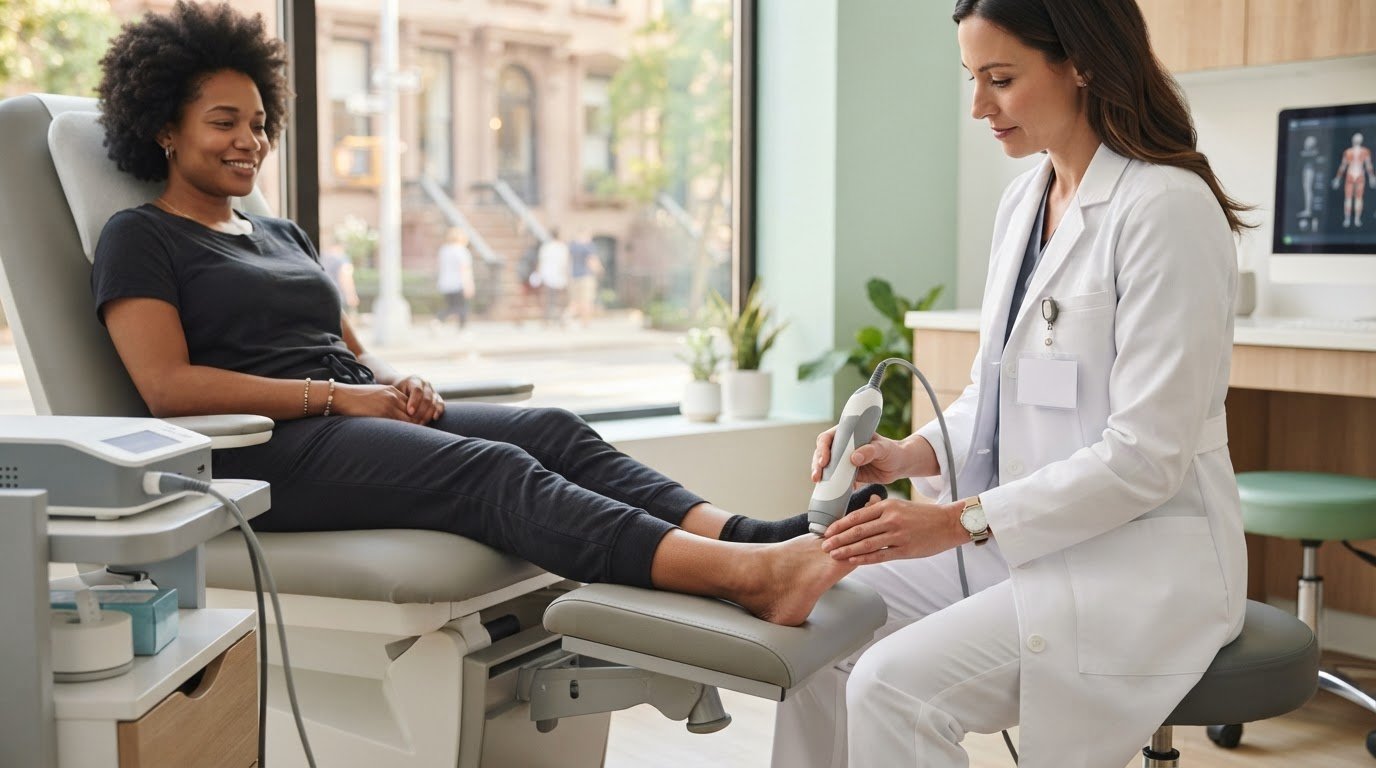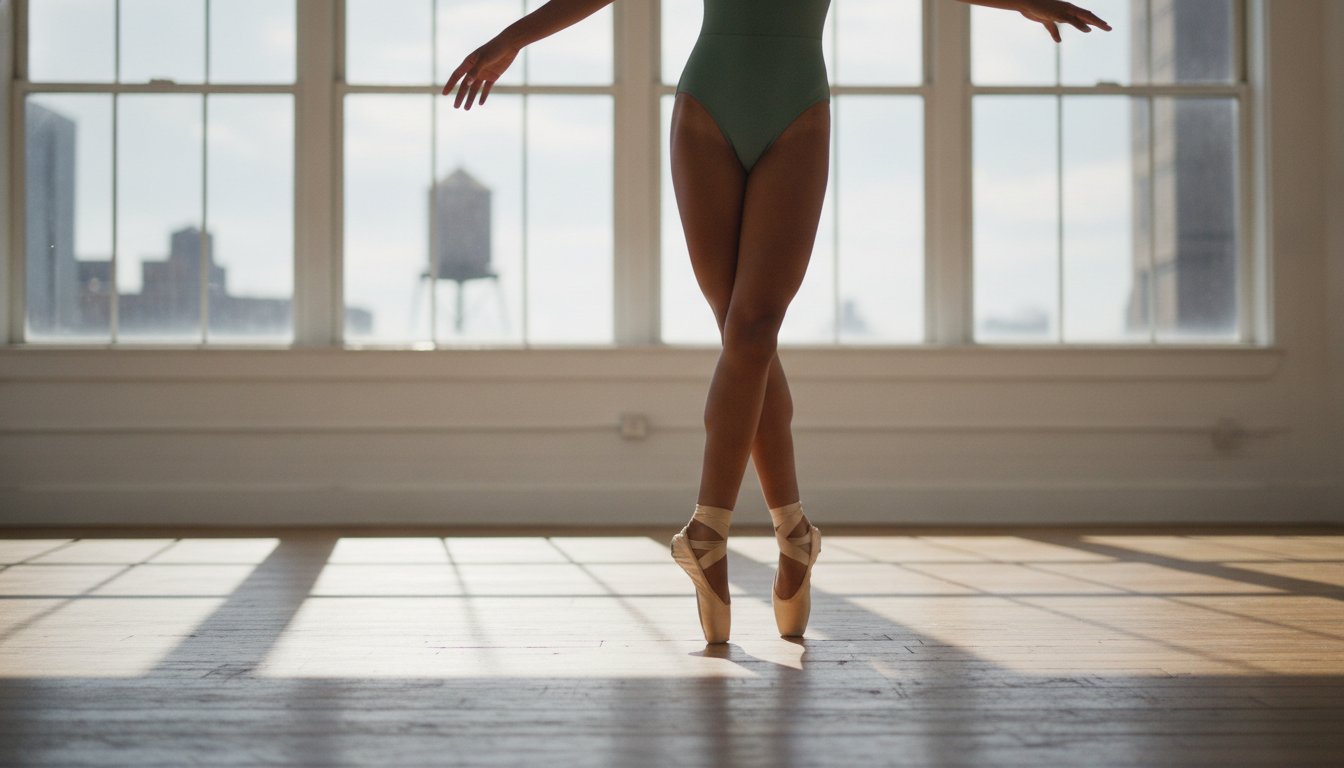
Did you know that 82% of professional dancers suffer at least one injury every single year, with the foot and ankle being the most common sites of pain? For a performer in the heart of our borough, a “minor” ache during pointe work isn’t just a nuisance; it’s a potential threat to your career. We know the anxiety that comes with foot pain. You might worry that seeing a doctor leads to mandatory rest or that a physician won’t understand why you’re hesitant to shave a hard-earned callus. Specialized foot care for ballet dancers in Brooklyn requires a partner who understands that your feet are your primary instrument.
We believe that professional medical intervention should support your performance, not stall it. In this guide, you’ll master the essential medical-grade foot care routines and professional treatments every Brooklyn dancer needs to protect their mobility. We’ll explore how to manage chronic pain from pointe work, the truth about callus maintenance, and how modern sports medicine can keep you in the studio. From custom orthotics to advanced injury prevention, here is how you can achieve a pain-free return to the stage and maintain your lifestyle.
Key Takeaways
- Learn why the extreme pressure of pointe work requires a specialized medical approach to “dancer’s foot” that standard podiatry often misses.
- Discover the “Golden Rule” for callus maintenance and a three-step nightly routine essential for effective foot care for ballet dancers in Brooklyn.
- Identify the critical differences between acute injuries and overuse conditions, and why professional care doesn’t always mean mandatory rest.
- Explore how professional interventions like custom orthotics for street shoes can support your feet during your daily commute to prevent injuries.
- Find out what specific questions to ask a local podiatrist to ensure they understand the unique mechanics of ballet and can act as your performance partner.
The Unique Biomechanics of Ballet: Why Standard Foot Care Isn’t Enough
Ballet isn’t just a sport; it’s a discipline that pushes human anatomy to its absolute limits. While a casual runner might deal with predictable heel strikes, a dancer’s foot must transition from extreme plantar flexion to high-impact landings in seconds. This specialized physiological adaptation, often referred to as “dancer’s foot,” involves a remodeling of bone density and soft tissue to manage repetitive stress. Providing effective foot care for ballet dancers in Brooklyn requires a deep understanding of these specific mechanics that go far beyond standard clinical podiatry.
The Mechanics of Pointe and Demi-Pointe
When you rise to pointe, the weight of your entire body is concentrated on the distal phalanges, with the majority of that pressure localized on the first and second metatarsals. This vertical alignment requires the ankle to maintain a state of extreme plantar flexion, which provides necessary structural stability but also creates a vulnerability to posterior impingement. Unlike the average patient, a dancer’s range of motion is an essential tool for their livelihood. Within this high-pressure environment, Metatarsalgia is the clinical term for the acute inflammation and sharp pain in the ball of the foot that occurs when the metatarsal heads absorb the excessive force of repetitive jump landings. Understanding these Dance and health dynamics is the first step toward preventing the type of chronic wear that can end a career prematurely.
NYC Studio Floors vs. Foot Health
Brooklyn’s vibrant dance scene often utilizes historical buildings where rehearsal spaces might lack modern sprung floors. Dancing on these unforgiving surfaces increases the shock transmitted through the lower extremities, leading to faster muscle fatigue and a higher risk of stress fractures. The physical environment of the studio also dictates skin health. Floor temperature and friction levels play a direct role in skin integrity; cold floors can lead to stiff, less pliable joints, while excessive friction on a “sticky” floor is a primary contributor to painful blister formation.
The stress doesn’t end when you leave the studio. Many performers face the hidden danger of “commuting” in flat, unsupportive shoes after a grueling six-hour rehearsal day. Walking on Brooklyn’s hard concrete sidewalks in flimsy flats forces an already fatigued foot to work even harder to maintain alignment. We often recommend custom orthotics designed specifically for your street shoes to provide the structural realignment and arch support needed during your transit between the studio and home. This ensures your recovery starts the moment you step out of your ribbons.
Daily Maintenance: A Professional How-To for Brooklyn Dancers
Your evening recovery protocol begins the moment you step off the subway and return home from the studio. Managing Ballerina Feet: Injury Risks, Treatment, and Permanent Damage requires more than just resting; it demands a clinical approach to hygiene that fits a busy New York schedule. We recommend a 3-step routine to reset your anatomy after hours at the barre. First, soak your feet in lukewarm water with Epsom salts to draw out inflammation. Second, perform a manual inspection for any new skin breaks or “hot spots.” Third, medicate any irritations with appropriate antiseptics or specialized creams. This consistent foot care for ballet dancers in Brooklyn is the foundation of a long, healthy career.
The “Golden Rule” of calluses is a point of confusion for many performers, but our stance is clear. You should never fully remove them. These layers of thickened skin are your body’s natural defense against the immense friction of pointe work. However, you must manage their thickness to prevent them from becoming liabilities. If a callus becomes too prominent, it can create a pressure point that leads to deep tissue bruising or painful cracking. We suggest using a pumice stone on damp skin once or twice a week to keep them pliable and smooth without reaching the sensitive, raw skin underneath.
Toenail Management for Pointe Work
Proper nail care is vital to avoid the need for ingrown toenail removal. Nails should be cut straight across, which we call a “square” cut, but with the very corners slightly rounded with an emery board. This prevents the sharp edge of the nail from piercing the neighboring toe when compressed inside a tight toe box. Be vigilant for subungual hematomas, which are often called “black toenails.” While it’s tempting to hide discoloration under dark nail polish, doing so can mask early signs of fungal nail infections or structural damage that requires clinical attention. If a nail is throbbing or appears to be lifting, let a professional evaluate the underlying nail bed.
Callus and Blister Care
When you feel a “hot spot,” which is that familiar stinging sensation that precedes a blister, immediate action can prevent a performance-halting injury. For active friction spots, hydrogel dressings like 2nd Skin provide a cooling, protective layer that mimics the skin’s natural barrier. If you’re dealing with an area that’s prone to rubbing but isn’t yet irritated, traditional moleskin is often the better choice for its durable, stay-put adhesive properties. Moisture management is equally critical. Sweaty pointe shoes are a breeding ground for bacteria and fungi. Always dry your shoes thoroughly between sessions and consider using moisture-wicking spacers to keep the skin between your toes dry. If you’re noticing persistent irritation despite these steps, consulting with a specialist can help you identify the right preventative gear for your unique foot shape.
Common Ballet Injuries and When to Seek a Brooklyn Podiatrist
Injuries in the dance world generally fall into two categories: acute and overuse. Acute injuries, such as a sudden ankle sprain or a fractured metatarsal from a botched landing, are usually impossible to ignore. However, overuse injuries like tendonitis or bunions often develop slowly, whispering before they scream. Many performers delay seeking foot care for ballet dancers in Brooklyn because they fear a doctor will immediately demand they stop dancing. We approach your care as a performance partner; our goal is to keep you in the studio by identifying issues before they require mandatory rest.
Recognizing “Red Flags” is essential for career longevity. If you experience pain that keeps you awake at night, swelling that doesn’t resolve with rest, or a sharp, localized sensation that makes going on pointe impossible, you should consult a sports medicine specialist immediately. Early intervention is particularly critical for conditions like plantar fasciitis. When caught early, heel pain can often be managed with physical therapy and stretching; left untreated, it can lead to chronic tears that sideline you for months.
Bunion Management for Performers
Hallux Valgus, or bunions, can be particularly devastating for a dancer because they shift the alignment of the big toe, making it difficult to find a stable “center” during pirouettes. We prioritize non-surgical interventions first, utilizing custom spacers, strategic taping, and toe box modifications to alleviate pressure. However, when conservative methods no longer manage the pain or deformity, bunion surgery in Queens or Brooklyn may be the best path forward. Modern surgical techniques focus on stability and a faster return to activity, often allowing dancers to resume light training much sooner than traditional methods allowed.
Stress Fractures and Sesamoiditis
Distinguishing between normal muscular soreness and the sharp, localized pain of a stress fracture is a vital skill for any professional. Stress fractures often feel like a deep ache that intensifies with activity and lingers long after you’ve taken off your shoes. We pay special attention to the sesamoid bones, two tiny bones under the big toe joint that act as pulleys for your tendons. These are highly susceptible to inflammation (sesamoiditis) or stress fractures in ballet due to the constant pressure of relevé. Because these injuries don’t always show up on standard exams, we utilize advanced imaging like X-rays or MRIs to provide the precise diagnosis needed for a safe recovery plan.

Professional Interventions: Custom Orthotics and Advanced Treatments
Professional clinical interventions bridge the gap between studio survival and long-term performance excellence. While padding and taping offer temporary relief during a busy rehearsal season, structural issues often require more precise medical solutions. We utilize a range of advanced treatments designed to address the specific physiological demands of your craft. From targeted physical therapy to high-tech laser therapy for persistent inflammation or fungal issues, our approach to foot care for ballet dancers in Brooklyn focuses on keeping you active rather than sidelined. We prioritize non-invasive methods first, integrating moisture-controlled environments and medical-grade topical treatments to ensure your feet remain resilient against the daily friction of the stage.
Orthotics for the ‘Off-Duty’ Dancer
Many performers make the mistake of choosing “flat” footwear like UGGs or basic ballet flats for their commute, thinking these provide rest for their feet. In reality, these unsupportive shoes can be damaging. Years of “forcing” a turnout often leads to chronic over-pronation, a condition where the arch collapses inward, which unsupportive footwear only exacerbates. We design custom orthotics specifically for your street shoes to realign your gait and provide the structural support necessary to alleviate night-time foot pain. These inserts are tailored to your unique foot mold, correcting biomechanical imbalances and ensuring that even when you’re off-duty, your feet are in a state of active recovery. This support is vital for managing the transition from the extreme mechanics of the studio to the hard concrete of the city.
Surgical Innovation and Recovery
There is a persistent myth in the dance community that foot surgery is a career-ending event. This simply isn’t true with modern medical advancements. When conservative treatments fail to resolve chronic issues like bone spurs or the need for hammertoe correction, surgery can actually restore the mobility you’ve lost. Dr. Waldemar Majdanski utilizes minimalist surgical techniques specifically chosen to preserve your essential range of motion and minimize scar tissue formation. We understand that your recovery milestones aren’t just about walking; they’re about the return to relevé and petit allegro. By focusing on stability and joint preservation, we help you regain the independence and strength required for professional-level performance.
If you’re noticing that your daily routine is no longer enough to manage your discomfort, it’s time to explore professional options that support your career. Schedule a consultation with our sports medicine team to develop a personalized performance plan that prioritizes your return to the studio.
Choosing the Right Foot Doctor in Brooklyn for Your Dance Career
Selecting a practitioner who specializes in foot care for ballet dancers in Brooklyn is a decision that directly impacts your artistic longevity. Proximity to your studio isn’t just about convenience; it’s about the feasibility of consistent follow-up care. When you’re managing a heavy rehearsal schedule, the ability to access a local practice ensures that minor irritations don’t escalate into career-threatening injuries. We’ve found that dancers benefit most from a performance partner who understands the specific vocabulary of ballet. A multi-location practice with offices in Brooklyn, Forest Hills, and Astoria provides a vital safety net for the commuting performer, ensuring high-quality care is always within reach of your home or rehearsal space.
When vetting a potential podiatrist, don’t hesitate to ask specific questions about their experience with the dance community. You should feel confident that your doctor understands the difference between a standard ankle sprain and a posterior impingement. Ask how they handle return-to-performance protocols and whether they offer non-surgical interventions like custom orthotics for your “off-duty” hours. We prioritize a compassionate, athlete-centered approach that views surgery as a final resort, focusing instead on biomechanical corrections that keep you on stage.
What to Bring to Your Consultation
Your appointment is a collaborative diagnostic session. We encourage you to bring your most “worn” pair of pointe shoes along with your daily street shoes. The wear patterns on your ribbons, platforms, and soles tell a story of your technique and pressure points that a physical exam alone might miss. During the consultation, be prepared to show us exactly where you feel discomfort during a relevé or grand plié. Having a clear history of your training intensity and your upcoming performance calendar allows us to tailor a recovery plan that respects your professional commitments and helps you regain your independence from pain.
The Local Foot Doc Advantage
At Local Foot Doc, we integrate clinical precision with a deep respect for the athlete’s journey. Dr. Waldemar Majdanski brings over 20 years of experience within the NYC medical community, offering a level of surgical and sports medicine expertise that is deeply rooted in our local neighborhoods. We don’t just treat symptoms; we teach dancers how to maintain their physical health for the long term. This educational focus empowers you to recognize early warning signs and implement preventative strategies before they become chronic issues. Our local presence in Brooklyn and Queens means we’re available for emergency injury evaluations, providing reliable, community-focused care when you need it most.
Step Into Your Next Performance With Confidence
Your feet are more than just anatomical structures; they’re the foundation of your artistry and your career. We’ve explored how specialized biomechanics require more than standard medical attention, from the daily discipline of callus management to the strategic use of custom orthotics. Finding the right partner for foot care for ballet dancers in Brooklyn means choosing a team that respects your rehearsal schedule and your performance goals. Our practice, led by board-certified surgeon Dr. Waldemar Majdanski, provides specialized sports medicine for NYC athletes who refuse to let pain sideline their ambitions.
With convenient Brooklyn and Queens locations, we offer the community-focused care you need to manage chronic conditions and acute injuries alike. We don’t just treat symptoms; we partner with you to ensure your long-term mobility and artistic success. Schedule a consultation with our Brooklyn dance-specialist podiatrists today to start your personalized recovery plan. You’ve worked hard to master the stage, and we’re here to ensure you can continue doing what you love with strength and confidence. Your return to a pain-free studio environment is our priority.
Frequently Asked Questions
Should I pop a blister before a ballet rehearsal?
We generally advise against popping blisters because the intact skin acts as a sterile barrier against infection. If a blister is so large that it interferes with your pointe work, we recommend using a sterile needle to drain the fluid from the edge while keeping the overlying skin intact. Clean the area with antiseptic and apply a hydrogel dressing. This approach prevents raw skin exposure and supports a faster return to your rehearsal schedule.
How do I know if my foot pain is a normal part of training or a serious injury?
Normal training soreness typically feels like a diffuse muscular ache that improves with gentle stretching and rest. In contrast, a serious injury often presents as sharp, localized pain that persists even when you aren’t dancing. If you notice swelling that doesn’t resolve overnight or pain that wakes you from sleep, it’s a sign of structural damage. Seeking professional foot care for ballet dancers in Brooklyn early can prevent a minor stress reaction from becoming a fracture.
Can a podiatrist help me if I have bunions but don’t want surgery yet?
We offer several non-surgical interventions to manage bunion pain and maintain your technical alignment. Custom orthotics and silicone spacers can help realign the big toe joint during your off-duty hours, while strategic taping techniques provide stability during performance. We also suggest modifying your shoe’s toe box to reduce friction. These conservative treatments aim to alleviate discomfort and slow the progression of the deformity, allowing you to delay surgical intervention while staying active.
What are the best street shoes for a ballet dancer to wear in Brooklyn?
The best street shoes for dancers navigating Brooklyn’s concrete sidewalks are supportive sneakers or boots with a firm heel counter and arch support. We recommend avoiding flimsy flats, flip-flops, or unsupportive shearling boots, as these force your fatigued muscles to work harder after a long day in the studio. Choosing footwear with enough room for custom inserts ensures your feet remain in a neutral position, which is essential for recovery between grueling rehearsal sessions.
Is it safe to get a professional pedicure if I’m a professional dancer?
Professional pedicures are generally safe if you communicate clearly with the technician about your needs as a dancer. You must insist that they don’t cut or aggressively shave your calluses, as these are necessary for protection. There is also a risk of infection from non-sterile tools, which can lead to fungal issues or painful inflammation. We often suggest performing your own maintenance at home to ensure your skin integrity and performance readiness remain uncompromised.
How often should I replace my pointe shoes to prevent foot injury?
You should replace your pointe shoes as soon as the shank or toe box loses its structural integrity, which often occurs after 10 to 20 hours of dancing. A “dead” shoe fails to support the foot, significantly increasing the risk of stress fractures and tendonitis. We suggest rotating between multiple pairs to allow the materials to dry completely. This practice extends the life of the shoes and provides consistent support for your unique biomechanics.
What is the fastest way to recover from an ankle sprain before a performance?
The fastest way to recover from an ankle sprain involves the immediate application of the RICE protocol: rest, ice, compression, and elevation. Once the initial swelling subsides, we focus on early mobilization and targeted physical therapy to restore proprioception and strength. Our sports medicine approach prioritizes active recovery to ensure you don’t lose your technical facility. Specialized foot care for ballet dancers in Brooklyn helps you return to the stage safely while minimizing the risk of chronic instability.