
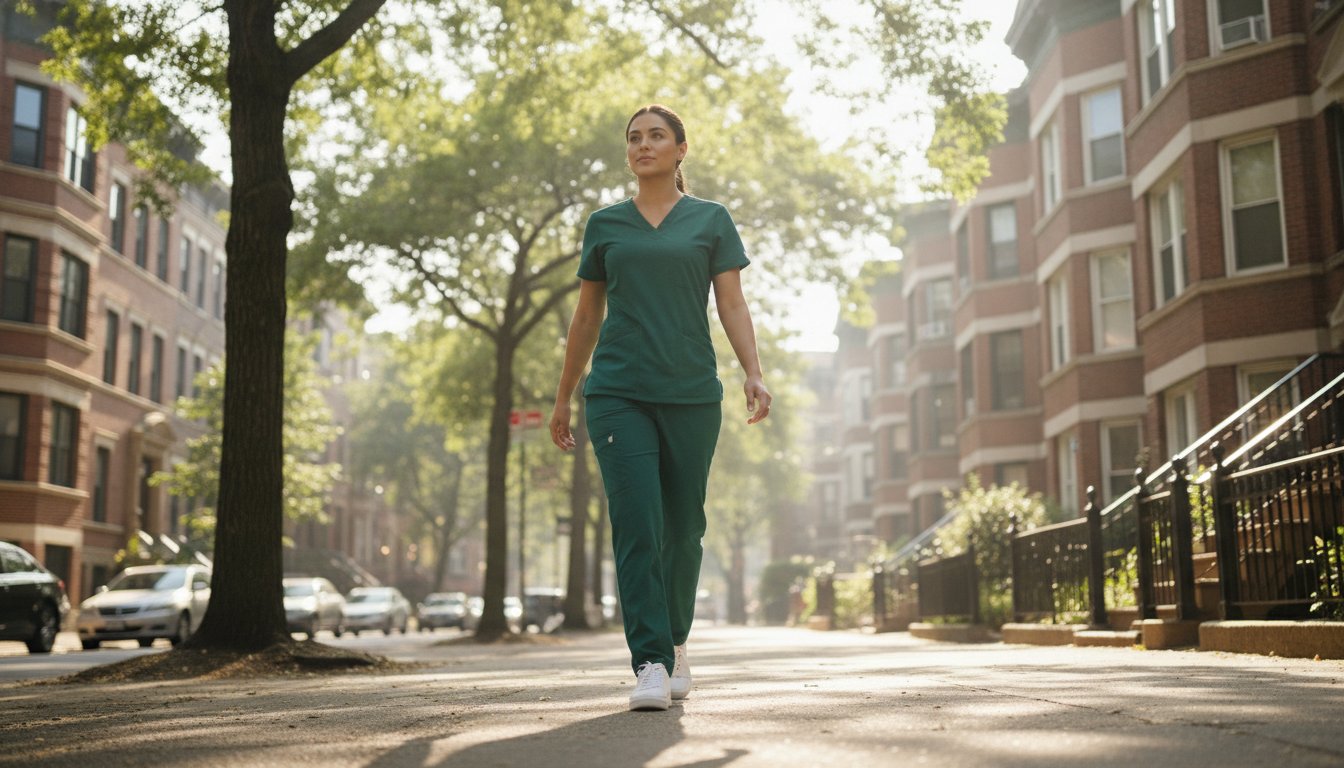
Did you know that the average nurse walks between four and five miles during a single twelve-hour shift? For healthcare professionals across Astoria and Forest Hills, those miles often translate into sharp morning heel pain and heavy swelling that lingers long after the scrubs come off. You likely feel that your aching arches are simply an unavoidable tax for your dedication to patient care. We understand that this persistent discomfort isn’t just tiredness; it’s a signal that your feet are struggling under the intense physical demands of the hospital floor.
Finding effective foot pain solutions for nurses in Queens requires moving beyond the drugstore gel insert aisle. Our 2026 guide provides the clinical strategies you need to eliminate chronic pain and regain your independence on and off the clock. We will examine the critical differences between retail inserts and prescription custom orthotics, while highlighting specialized treatments available right here in our local community. Whether you’re navigating a busy ward in Woodhaven or commuting from Rego Park, you deserve a path to recovery that prioritizes your long-term mobility and professional endurance.
Key Takeaways
- Understand why the concrete floors at Mount Sinai Queens and Long Island Jewish Forest Hills create unique biomechanical stress for nursing staff.
- Identify the early clinical symptoms of common occupational ailments like plantar fasciitis and bunions to prevent chronic mobility issues.
- Discover specialized foot pain solutions for nurses in Queens that focus on correcting structural imbalances rather than just adding retail cushioning.
- Learn the critical differences between off-the-shelf inserts and custom orthotics designed to provide lasting support during twelve-hour shifts.
- Explore how advanced diagnostic imaging and minimally invasive surgical techniques can help resolve persistent pain that doesn’t respond to standard care.
The Silent Toll of Nursing: Why Queens Nurses Face Unique Foot Challenges
Nursing is one of the most physically demanding professions in New York City, yet the chronic pain that often accompanies it is frequently dismissed as just part of the job. For those working at major medical hubs like Mount Sinai Queens or Long Island Jewish Forest Hills, the reality is written in every step taken across unyielding concrete floors. These surfaces offer zero shock absorption. This forces your feet to bear the full brunt of every pivot and patient lift. Over a typical twelve-hour shift, you might cover five to seven miles, which places immense biomechanical stress on the delicate structures of your lower extremities. When searching for effective foot pain solutions for nurses in Queens, it’s vital to recognize that your environment is the primary catalyst for these issues.
Many healthcare workers rely on generic “nurse shoes” that promise comfort through thick cushioning. However, soft foam often masks a lack of structural integrity. Foam isn’t enough. Without proper medial arch support, the foot tends to overpronate, leading to conditions like Plantar fasciitis. This progression from simple fatigue to a clinical diagnosis happens slowly, often starting with a dull ache that eventually becomes a sharp, stabbing sensation during those first steps after a break. We see this transition daily in our practice, where “tired feet” evolve into structural misalignments that require professional intervention.
Environmental Stressors in Queens Medical Centers
The non-resilient flooring found in modern medical facilities is designed for sanitation and equipment durability, not human ergonomics. This material accelerates joint wear and tear by reflecting impact energy back into the foot rather than absorbing it. High-impact movements, such as rushing to a code or stabilizing a patient, cause localized inflammation in the soft tissues. Occupational foot strain is the physiological degradation of the foot’s supportive tissues caused by the repetitive, high-impact demands of navigating non-resilient hospital flooring over extended shifts. Without targeted foot pain solutions for nurses in Queens, this environmental stress creates a cycle of inflammation that rest alone cannot fix. Rest isn’t a cure.
Long-Term Risks of Untreated Foot Fatigue
Ignoring persistent foot discomfort can lead to a cascade of secondary musculoskeletal issues. When your gait changes to compensate for a painful heel or arch, you place unnatural stress on your knees, hips, and lower back. For veteran nurses, this cumulative damage poses a significant risk of career-ending mobility loss. We believe in early intervention because it’s far more effective to correct a biomechanical imbalance now than to manage a chronic disability later. Addressing these symptoms early preserves your ability to stay active in our community and continue the vital work you do every day. Seeking a professional clinical evaluation for heel pain is the first step toward reclaiming your independence from daily discomfort.
Common Diagnoses: From Plantar Fasciitis to Occupational Bunions
When you’re constantly on the move, your feet are the foundation of your professional success. Understanding what is plantar fasciitis is essential for any healthcare worker experiencing sharp heel pain. This condition occurs when the thick band of tissue connecting your heel to your toes becomes inflamed. In a clinical setting, we often hear nurses describe a stabbing sensation that is most intense during those first steps of the morning. As your shift progresses, the pain might dull, but it typically returns with a vengeance after a brief sit-down or at the end of a double shift. Identifying these symptoms early is the first step toward finding effective foot pain solutions for nurses in Queens.
Beyond heel pain, many high-activity professionals suffer from metatarsalgia. This manifests as a “burning” sensation in the ball of the foot, often feeling like you’re walking on pebbles. We also frequently treat Achilles tendonitis, which is often linked to poor shoe mechanics. When a shoe lacks proper heel stability, the tendon must work twice as hard to stabilize your gait, leading to microscopic tears and persistent soreness. These aren’t just minor inconveniences; they are signs of biomechanical failure that require a professional eye.
Plantar Fasciitis: The #1 Nurse Complaint
The classic “first step” pain of plantar fasciitis is a hallmark of occupational strain. For some, this progresses into a palpable plantar fascia lump or knot along the arch. This nodule signals advanced strain where the tissue has begun to thicken or develop scar tissue. Clinical indicators that you need a specialist include pain that persists for more than two weeks, swelling that doesn’t go down with ice, or a tingling sensation that suggests nerve involvement. If your daily routine in the ward is being interrupted by these symptoms, it’s time to consider a clinical evaluation to protect your long-term mobility.
Bunions and Hammertoes: Structural Issues vs. Pain
Bunions, or Hallux Valgus, are more than just a cosmetic bump on the side of the foot. For a nurse, a bunion is a progressive structural misalignment. When subjected to 12-hour weight-bearing cycles, the joint at the base of the big toe shifts further out of alignment, causing the toe to lean toward its neighbors. This often leads to hammertoes, where the smaller toes curl permanently. Waiting for these conditions to “get worse” is a dangerous strategy. Structural deformities directly impact your balance and shift performance, making it harder to stay steady during patient transfers. Seeking foot pain solutions for nurses in Queens early can prevent the need for more invasive corrections later in your career.
Comparing Solutions: Custom Orthotics vs. Retail Supportive Footwear
Many healthcare workers fall into the “nurse shoe trap,” believing that the softest, most cushioned shoe is the best choice for a long shift. While initial softness feels relieving, cushioning alone does not address the underlying structural issues caused by twelve hours on concrete. True support comes from alignment, not just padding. When we look for foot pain solutions for nurses in Queens, we focus on how the foot interacts with the ground. Retail inserts are often mass-produced to fit a general arch shape, but custom orthotics are medical devices designed specifically to correct your unique biomechanical imbalances, such as overpronation or supination.
Investing in medical-grade devices offers a significantly higher return on health compared to retail alternatives. Over-the-counter inserts typically lose their structural integrity within a few months of heavy hospital use. In contrast, custom-molded solutions are built from durable materials that maintain their shape for years. We use advanced 3D scanning and diagnostic imaging in our Queens clinics to create a precise map of your feet. This ensures that every contour is supported, providing a level of relief that store-bought options simply cannot match.
The Science of Custom-Molded Support
Custom orthotics work by redistributing pressure across the entire plantar surface of your foot. If you have flat feet, the device provides a firm “shelf” for your arch; if you have high arches, it fills the void to prevent excessive pressure on the heel and ball. This individualized casting is the only way to ensure your skeleton remains properly stacked from the ground up. It’s normal to experience a transition period of one to two weeks. Your muscles and tendons need time to adapt to their new, healthier alignment before you wear them for a full double shift.
Footwear Selection for the Queens Nurse
The right shoe serves as the foundation for your orthotic. Look for professional footwear with a wide toe box to prevent bunion irritation and a rigid mid-sole that doesn’t twist easily. Slip resistance is a non-negotiable safety feature in a clinical environment. We also recommend the “Rule of Two,” which involves alternating between two different pairs of supportive shoes. This gives the foam in your shoes time to decompress and reduces repetitive strain on your joints. When combined with professional heel pain treatment, this comprehensive approach helps you reclaim your mobility and focus on your patients rather than your discomfort.

The Road to Recovery: Clinical Treatments for Chronic Pain
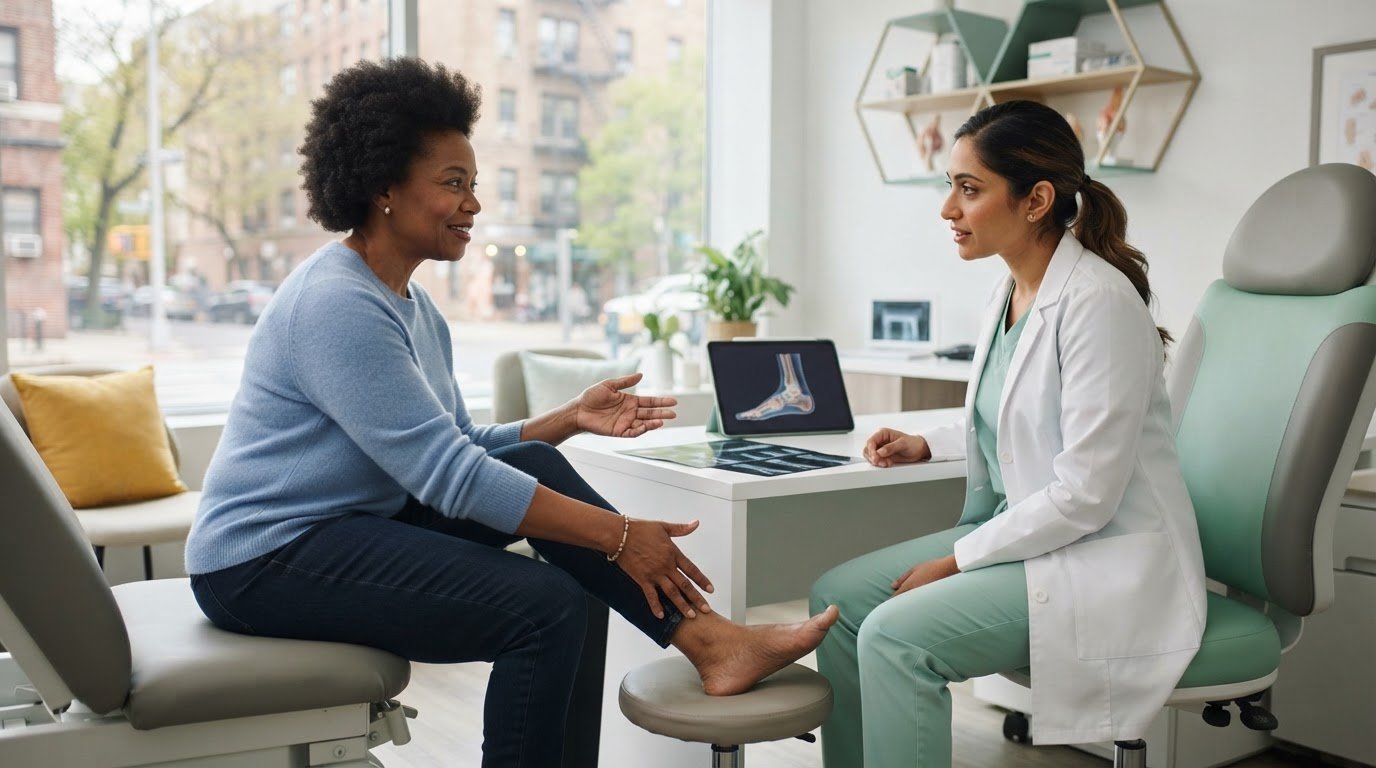
Recovery begins with a precise diagnosis. We offer in-office diagnostic imaging at our Forest Hills and Astoria locations to look beneath the surface of your discomfort. Finding the root cause of your pain is essential because “tired feet” often mask underlying structural damage. These diagnostic tools allow us to build personalized foot pain solutions for nurses in Queens that go beyond temporary relief and focus on long-term stability.
We treat our nursing patients with the same rigor as high-performance athletes. Our approach to sports medicine is particularly effective for healthcare workers who pivot and lift throughout their shifts. Finding effective foot pain solutions for nurses in Queens requires a multi-faceted approach that combines immediate relief with targeted rehabilitation to prevent future injuries.
For nurses managing additional health factors, such as diabetes, advanced wound care is a clinical priority. Recurring skin issues or slow-healing blisters can become serious if they aren’t managed by a professional. We provide specialized diabetic foot care to ensure that your skin integrity is maintained despite the constant friction and pressure of long shifts.
Managing Acute Inflammation
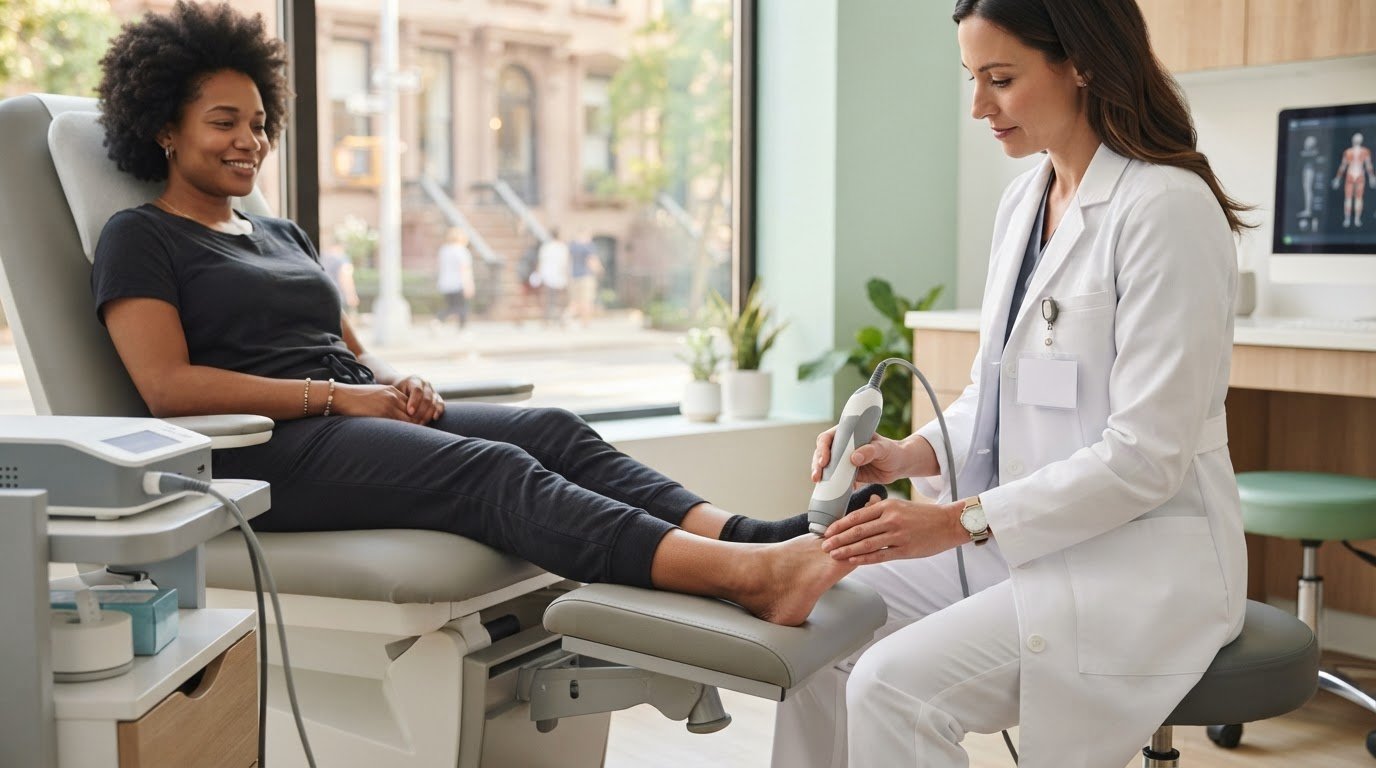
Controlling inflammation is the first step in the healing process. We guide you through clinically supervised icing and anti-inflammatory protocols that fit into your busy lifestyle. Medical-grade bracing for night-time recovery can also help maintain tissue length while you sleep, reducing that sharp pain you feel during your first steps the next morning. Diagnostic ultrasound is a critical tool for identifying subtle plantar fascia tears that standard physical exams might miss.
Physical Therapy and Stretching
Stretching isn’t just a warm-up; it’s a clinical necessity for anyone on their feet all day. Targeted calf stretches alleviate the tension that pulls on your heel, while strengthening the intrinsic muscles of the foot improves your endurance for those final hours of a double shift. Integrating professional heel pain treatment into your routine ensures you aren’t just managing symptoms but actively rebuilding your foot’s strength. If you’re ready to start your recovery and regain your independence from pain, you can schedule a clinical consultation at one of our local offices today.
Surgical Excellence in Queens: Permanent Relief for Structural Issues
We recognize that surgery is often the last thing a busy nurse wants to consider. However, when custom orthotics and physical therapy no longer provide adequate relief, structural intervention may be the most effective path forward. If you’re finding that bunions or hammertoes are making it impossible to finish your shift without severe discomfort, it’s time to explore clinical foot pain solutions for nurses in Queens. Structural issues don’t resolve on their own. They often require precise realignment to stop the cycle of inflammation and prevent further joint degradation.
Dr. Waldemar Majdanski specializes in bunion surgery in Queens using modern, minimally invasive techniques. Unlike traditional procedures that often required lengthy downtime, these advanced methods focus on smaller incisions and faster tissue healing. We also provide hammertoe correction to restore proper toe alignment. This is critical for achieving a better shoe fit and maintaining your balance during high-stakes patient care. Our ultimate goal is the promise of regained independence, allowing you to return to the hospital floor with a foundation that no longer fails you.
Modern Bunion Correction Techniques
We prioritize techniques that reduce recovery time, knowing that healthcare professionals can’t afford months of inactivity. During a consultation at our Forest Hills or Astoria locations, we’ll perform a thorough evaluation to determine if you’re a candidate for minimally invasive surgery. This approach focuses on permanent structural realignment rather than just masking the pain with temporary measures. Realignment addresses the “why” behind your discomfort, ensuring your big toe joint can once again handle the pressure of five to seven miles of walking per shift.
Planning Your Recovery as a Nurse
Recovery as a nurse requires a strategic timeline. While every patient heals differently, we’ll work with you to plan a realistic return to full-duty shifts. We provide comprehensive post-operative support and follow-up care in Astoria or Woodhaven to monitor your progress every step of the way. We understand that your career depends on your mobility, so we don’t rush the process; we manage it with clinical precision. Comprehensive foot pain solutions for nurses in Queens must include a clear roadmap for your return to work. Ready to walk your shift without pain? Schedule a consultation with Dr. Majdanski today.
Reclaiming Your Mobility on the Hospital Floor
Your dedication to patient care shouldn’t come at the cost of your own physical health. We’ve explored how the unique environmental stressors of NYC medical centers contribute to chronic conditions like plantar fasciitis and structural misalignments. By moving beyond temporary cushioning and choosing clinical foot pain solutions for nurses in Queens, you’re investing in your long-term ability to stay active and independent. Structural issues don’t resolve on their own; they require professional attention. Whether through precision-molded custom orthotics or advanced surgical realignment, we prioritize your return to a pain-free life.
At Local Foot Doc, Board-Certified Podiatric Surgeon Dr. Waldemar Majdanski and our team offer specialized experience tailored to the high-intensity needs of healthcare professionals. With convenient locations in Forest Hills, Astoria, and Woodhaven, expert care is always within reach. Don’t let chronic discomfort dictate the length of your career or the quality of your downtime. We’re here to partner with you in your recovery. Book Your Professional Foot Evaluation in Queens and take the first step toward walking your next shift with confidence and comfort.
Frequently Asked Questions
Why do my feet hurt more after a shift at a Queens hospital than at home?
Hospital flooring is typically non-resilient concrete or tile designed for sanitation rather than ergonomics. These surfaces reflect the impact of every step directly back into your joints and soft tissues. When you walk five to seven miles during a shift, the cumulative stress on your arches and heels is significantly higher than on the carpeted floors in your home. This environmental demand is why finding clinical foot pain solutions for nurses in Queens is essential for your professional longevity.
Can custom orthotics really help me survive a 12-hour shift?
Custom orthotics are highly effective because they’re medical devices designed specifically for your foot’s unique architecture. Unlike store-bought inserts, these devices correct biomechanical imbalances like overpronation or flat feet. By redistributing pressure across the entire plantar surface, they reduce the strain on your muscles and ligaments. This structural support helps prevent the mid-shift fatigue that often leads to sharp pain, allowing you to maintain your focus on patient care without being distracted by physical discomfort.
How do I know if my heel pain is plantar fasciitis or something else?
The classic indicator of plantar fasciitis is a sharp, stabbing pain in the heel during your first steps in the morning or after a long break. However, similar sensations can be caused by stress fractures or nerve entrapment. We use in-office diagnostic imaging and physical examinations to identify the exact source of your discomfort. If you notice persistent swelling or a palpable lump along your arch, it’s time to seek a professional evaluation to determine the most effective treatment path.
Is bunion surgery the only way to fix my foot pain permanently?
Surgery is often the only way to permanently correct a structural deformity like a bunion. While custom orthotics and wider footwear can manage symptoms and slow progression, they don’t realign the bone. If your bunion causes persistent pain that interferes with your work shifts, we may recommend a surgical consultation. Dr. Majdanski utilizes minimally invasive techniques designed to realign the joint and restore your foot’s natural function, providing a lasting solution that conservative methods cannot offer.
How long is the recovery time for hammertoe correction for active nurses?
Recovery times vary based on the severity of the deformity and the specific surgical technique used. Many nurses can return to light activity within a few weeks, but returning to a full 12-hour weight-bearing shift typically takes longer. We prioritize minimally invasive methods to accelerate tissue healing and reduce downtime. During your consultation, we’ll develop a personalized recovery roadmap that considers your specific hospital environment and job requirements to ensure a safe and permanent return to the floor.
Where can I find a specialized foot doctor in Queens near Mount Sinai?
Local Foot Doc offers specialized podiatric care at our Astoria location, which is conveniently situated for healthcare professionals working at Mount Sinai Queens. We also maintain offices in Forest Hills and Woodhaven to serve nurses across the borough. Our practice is deeply rooted in the local community, and we understand the specific physical demands of the New York City healthcare environment. We offer comprehensive foot pain solutions for nurses in Queens, including advanced diagnostics and surgical excellence close to your workplace.
Do retail “orthopedic” shoes work as well as medical-grade orthotics?
Retail shoes often provide excellent cushioning, but they lack the individualized structural support of medical-grade custom orthotics. Most off-the-shelf options use a “one-size-fits-all” arch shape that may not align with your specific biomechanics. While supportive footwear is a great foundation, custom orthotics are cast from your feet to treat specific conditions like high arches or flat feet. Combining a professional-grade shoe with a custom-molded insert provides the most comprehensive protection against occupational foot strain and long-term joint damage.
What are the best stretching exercises for nurses to do during a break?
Targeted stretches can provide immediate relief and improve shift endurance. We recommend performing wall-assisted calf stretches to alleviate tension on the Achilles tendon and plantar fascia. You can also try intrinsic foot exercises, such as “towel curls” with your toes, to strengthen the small muscles that support your arch. These simple movements help maintain tissue flexibility and reduce the risk of acute inflammation. Consistently performing these exercises during your breaks is a proactive way to manage daily foot fatigue.