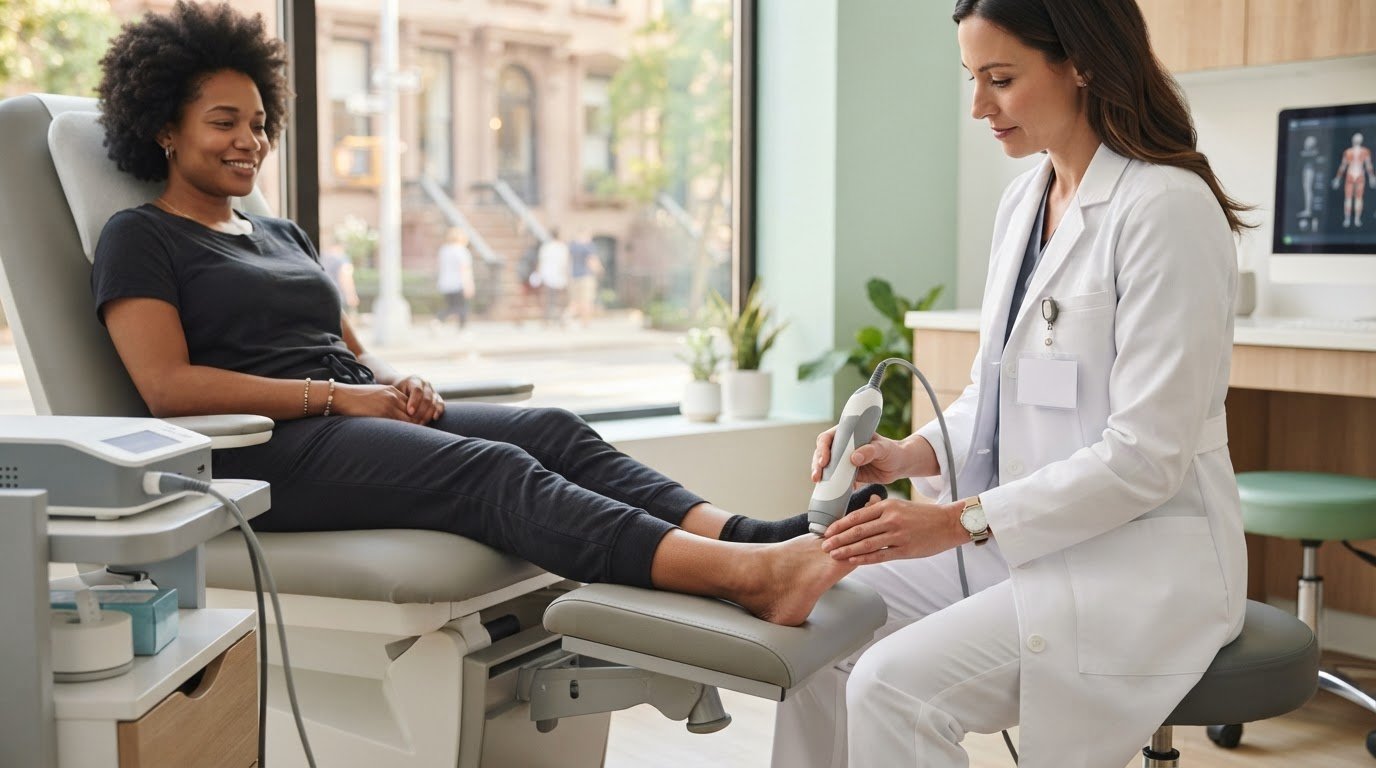
You have likely spent another restless night waiting for that sharp, stabbing sensation in your feet to subside so you can finally sleep. It’s a heavy burden to carry, especially when the fear of losing your balance makes a simple walk through your favorite Queens neighborhood feel like a dangerous task. When you are searching for a neuropathy specialist doctor Queens to help you find relief, you are looking for more than just a prescription; you are looking for your independence. We understand the frustration of seeing generalists who don’t specialize in the complex mechanics of the foot, especially since nearly 50% of people with diabetes will eventually face these nerve-related challenges.
We believe you deserve a partner who views foot health as the foundation of your overall well-being. Our practice focuses on a specialized podiatric approach designed to quiet nerve pain and restore the stability you need to move confidently again. We will outline how a clear, non-surgical management plan and the latest 2026 clinical advancements can help you reclaim your mobility. By combining modern medical technology with compassionate, community-focused care, we can help you transition from constant discomfort back to the active lifestyle you enjoy.
Key Takeaways
- Learn to recognize early warning signs of nerve damage, including the “silent” numbness that increases your risk of unnoticed foot injuries.
- Discover how a neuropathy specialist doctor Queens utilizes gait analysis and physical evaluations to create a targeted recovery plan for your lower extremities.
- Understand the role of advanced sensory testing and non-invasive treatment options in managing chronic foot pain and improving your balance.
- Master daily management strategies, including specialized footwear recommendations tailored for the unique demands of New York City sidewalks.
- Find out how personalized clinical care in Forest Hills, Astoria, and Woodhaven can help you restore your mobility and return to an active lifestyle.
Recognizing the Signs: When to Search for a Neuropathy Specialist in Queens
Living with persistent foot discomfort is more than just an inconvenience; it’s a signal from your nervous system that something requires professional attention. Many of our patients describe an initial “pins and needles” sensation that they initially dismissed as simple fatigue or poor circulation. However, when these sensations persist or begin to interfere with your daily routine, it’s time to consult a neuropathy specialist doctor Queens. Early intervention is vital because nerve damage can become irreversible if the underlying cause isn’t addressed. We believe that understanding these early warning signs is the first step toward reclaiming your independence and preventing long term complications.
Common Sensory Symptoms in the Feet
The way neuropathy presents itself can be confusing because it doesn’t always feel like typical pain. You might experience a sharp, burning sensation that seems to peak just as you’re trying to sleep at night. Others describe a strange feeling of “walking on cotton” or as if they’re wearing invisible, thick socks even when their feet are bare. It’s helpful to understand What is Peripheral Neuropathy? to distinguish these chronic symptoms from temporary nerve compression, like when your foot “falls asleep” after sitting awkwardly. Chronic neuropathy involves a steady decline in nerve health that requires a structured management plan. Watch for these specific sensory changes:
- Persistent tingling or “electric” shocks in the toes and arches.
- Loss of temperature sensation, such as not feeling the cold of the floor.
- Extreme sensitivity where even the weight of bedsheets feels painful.
- A noticeable increase in trips or stumbles due to lack of feedback from your feet.
While sharp pain is distressing, “silent” symptoms like total numbness are often more dangerous. When you lose sensation, you lose the ability to detect small injuries. A tiny blister or a stray pebble in your shoe can quickly escalate into a serious infection because your body isn’t sending the pain signals needed to warn you. This is why specialized diabetic foot care is so critical for those living with blood sugar challenges.
The NYC Lifestyle Factor: Mobility and Nerve Health
Queens residents face unique challenges when it comes to nerve health. Between navigating the subway stairs in Astoria or walking several blocks for groceries in Woodhaven, our feet endure constant impact on unforgiving concrete surfaces. This repetitive stress can exacerbate neuropathic pain, making daily commutes feel like an endurance test. We often see patients who try to “push through the pain” to keep up with the pace of the city. This approach is risky. Ignoring the signals of nerve distress can lead to changes in your gait, which increases your risk of falls or secondary injuries like an ankle sprain. Protecting your mobility starts with acknowledging that your feet need specialized support to handle the demands of New York City life.
The Podiatric Approach: Why Your Foot Doctor is Your Best Ally Against Nerve Damage
When you experience tingling or numbness, your first instinct might be to see a general neurologist. While these specialists are vital for systemic issues, a neuropathy specialist doctor Queens offers a more targeted perspective on the lower extremities. We focus on how nerve damage directly affects your ability to walk and stay active. Our approach involves a meticulous physical exam and gait analysis, where we observe the subtle shifts in your stride that indicate nerve dysfunction. By identifying these mechanical changes early, we can develop a plan that addresses both the pain and the underlying structural stress on your feet.
Dr. Waldemar Majdanski brings over 20 years of clinical experience to this practice, combining a deep understanding of medical science with a compassionate, patient-centered philosophy. He believes that effective care starts with listening to your specific experiences of discomfort. This partnership ensures that we aren’t just treating a symptom, but are working together to restore your quality of life. For a deeper look at the medical background of these conditions, you can review the Peripheral Neuropathy Fact Sheet provided by the National Institute of Neurological Disorders and Stroke.
Beyond the Spine: Localized Nerve Entrapment
It’s a common misconception that all nerve pain starts in the back. In many cases, the discomfort is caused by localized issues like Tarsal Tunnel Syndrome, where a nerve is compressed within the ankle. This condition often mimics the symptoms of general neuropathy but requires a different treatment strategy. Additionally, structural changes can worsen nerve distress. For instance, the misalignment caused by a severe bunion can put excessive pressure on surrounding nerves. If you’ve noticed a painful bump at the base of your big toe alongside nerve pain, exploring bunion surgery Queens may be a necessary step in relieving that localized pressure.
Diabetic Neuropathy: A Specialized Concern
For the many Queens residents living with diabetes, nerve health is a top priority. High blood sugar levels can damage the small blood vessels that supply your nerves with oxygen and nutrients, leading to a progressive loss of sensation. This is the start of what we call the “Diabetic Foot” cascade, where a loss of feeling leads to unnoticed injuries and ulcers. Implementing a dedicated diabetic foot care plan is the best way to slow this degeneration. Regular checkups allow us to catch small issues before they become life-altering complications. If you’re managing diabetes, scheduling a professional evaluation can help you stay ahead of nerve damage and protect your long-term mobility.

Advanced Diagnostics and Treatment Options for Peripheral Neuropathy in NYC
Many patients arrive at our office feeling overwhelmed by the technicalities of their condition. When you visit a neuropathy specialist doctor Queens, our first priority is to replace that uncertainty with a precise diagnosis. We don’t rely on guesswork. Instead, we use a battery of tests to determine exactly which nerves are affected and to what degree. This clinical clarity is essential because understanding what is peripheral neuropathy for your specific case is the only way to build an effective recovery plan. By mapping the specific pathways of your discomfort, we move beyond generic pain management and toward a solution that addresses your unique physiology.
Modern Diagnostic Tools in Queens
Our diagnostic process often begins with Nerve Conduction Velocity (NCV) tests. During this procedure, small electrical impulses are used to measure how quickly and effectively your nerves transmit signals. It’s a straightforward way to identify blockages or damage. For those experiencing symptoms that don’t show up on standard tests, we may recommend a skin biopsy. This simple, in-office procedure allows us to examine the density of nerve fibers in the skin, which is the gold standard for identifying small fiber neuropathy. We also utilize in-office imaging to rule out physical obstructions, such as cysts or structural misalignments, that might be compressing a nerve and mimicking neuropathic pain.
Therapeutic Interventions for Relief
Once we have a clear picture of your nerve health, we explore non-invasive treatments that prioritize your comfort and safety. We often start with topical treatments and targeted vitamin therapy to support nerve regeneration and soothe burning sensations. For patients struggling with chronic pain that disrupts their daily life, electrical nerve stimulation (TENS) can be an effective tool. It works by sending mild electrical pulses to the affected area, which helps “scramble” pain signals before they reach the brain. This can provide a much-needed window of relief without the side effects often associated with oral medications.
Mechanical solutions are equally important in our practice. We frequently use custom orthotics to redistribute pressure across the foot. By correcting your gait and providing cushioned support where you need it most, these orthotics reduce the physical irritation on sensitive nerves. This approach ensures that we aren’t just masking the pain with medication but are actively changing the physical environment in which your nerves function. We believe a personalized plan is always superior to a one-size-fits-all prescription, as it addresses the root cause of your mobility issues while respecting your body’s natural healing process.
Living with Neuropathy: Practical Management Strategies for Queens Residents
Managing nerve health is a continuous process that extends far beyond your clinical appointments. For those living in busy districts like Astoria or Forest Hills, the physical demands of city life require a proactive stance on foot safety. When you work with a neuropathy specialist doctor Queens, we provide you with the tools to navigate your home and neighborhood without the constant fear of injury or falls. By integrating a few simple habits into your morning and evening routines, you can significantly reduce the risk of complications while maintaining your active lifestyle. We view this as a partnership where our clinical expertise supports your daily efforts to remain independent.
The Daily Foot Inspection Routine
Because neuropathy often dulls your ability to feel pain, your eyes must become your primary defense against infection. We recommend performing a thorough check every single day to catch minor issues before they escalate. The mirror test is a simple safety check where you place a non-breakable mirror on the floor to clearly see the soles and heels of your feet without straining your back. During your inspection, look for these specific red flags:
- Redness or red streaks on the skin.
- Blisters or calluses that appear suddenly.
- Localized warm spots or swelling.
- Any cuts, scrapes, or punctures that aren’t healing.
If you notice any of these signs, it’s vital to contact your neuropathy specialist doctor Queens immediately. A small blister can quickly become a serious concern if your body’s natural warning system isn’t sending the pain signals needed to prompt action.
Safe Exercise and Activity Levels
Staying active is vital for circulation, but you must choose activities that don’t put excessive stress on damaged nerves. We often suggest low impact options like swimming or stationary cycling, which provide cardiovascular benefits without the repetitive pounding of running on NYC concrete. If you are an urban athlete looking to stay fit while managing nerve issues, our sports medicine NYC resources offer specialized tips for safe recovery and performance. Additionally, always wear moisture-wicking socks to help regulate temperature and prevent the damp environment where fungal infections thrive.
Footwear selection is another critical component of your daily management. Look for shoes with a wide toe box to prevent toe compression and extra cushioning to absorb the shock of New York pavements. Avoid walking barefoot, even at home, to protect yourself from accidental punctures or bruises. If you experience a sudden flare-up or a change in your balance, don’t wait for your next scheduled visit. You can contact our office today to adjust your management plan and ensure your safety remains our top priority.
Personalized Neuropathy Care at Local Foot Doc: Reclaiming Your Mobility in 2026
Choosing the right partner for your nerve health is a decision that directly impacts your daily freedom. At Local Foot Doc, we believe that effective treatment is built on a foundation of trust, clinical expertise, and a deep understanding of our patients’ lives. When you search for a neuropathy specialist doctor Queens, you aren’t just looking for a clinical diagnosis; you’re looking for a way to return to the activities you love without the constant shadow of pain. Our practice is dedicated to providing that path through a sophisticated blend of modern medical technology and the personal touch of a neighborhood physician.
Dr. Waldemar Majdanski has spent over 20 years refining his approach to podiatric medicine, specifically focusing on the complex needs of the lower extremities. His experience allows us to look beyond surface-level symptoms and address the structural and neurological roots of your discomfort. We view the healing process as a collaborative journey. By inviting you into the decision-making process, we ensure that your management plan aligns with your personal goals for recovery and long-term independence.
Why Choose a Neighborhood Specialist?
There is a distinct advantage to receiving care within your own community. Unlike large, detached corporate medical groups or overwhelmed hospital systems, our practice prioritizes personalized attention and shorter wait times. We understand the unique rhythm of life in Queens because we are a part of it. Whether you are visiting us in Forest Hills, Astoria, or Woodhaven, you will find a team that recognizes you as an individual rather than a chart number. Having multiple locations across the borough ensures that expert care is always within reach, making it easier to stay consistent with your treatment and follow-up appointments.
Your Path to Better Nerve Health Starts Here
Your first consultation is a comprehensive step toward relief. We take the time to conduct a thorough physical evaluation, review your medical history, and discuss the specific sensations you’ve been experiencing. This initial meeting is where we begin to map out your personalized recovery strategy, which may include specialized diabetic foot care or the implementation of custom orthotics to protect your nerves.
We also understand that navigating medical costs can be a source of anxiety. Our team works diligently with a wide range of insurance providers to ensure that high-quality care remains accessible to our neighbors. Don’t let the fear of falling or the frustration of chronic pain keep you from the lifestyle you deserve. We encourage you to prioritize your health today so you can walk confidently into tomorrow. When you are ready to take the next step, our neuropathy specialist doctor Queens is here to help you reclaim your mobility and your peace of mind.
Take the First Step Toward Pain-Free Mobility
Managing nerve pain requires a shift from simply masking symptoms to actively protecting your foundation. We have explored how recognizing early sensory changes and utilizing modern diagnostic tools can prevent the progression of nerve damage. By choosing a podiatric approach, you address the mechanical stresses that often worsen your discomfort. Whether you are navigating the sidewalks of Astoria or managing daily life in Forest Hills, your mobility is the key to your independence. We are committed to helping you find a path back to the activities that define your quality of life.
Board-certified surgeon Dr. Waldemar Majdanski brings over 20 years of NYC clinical experience to every patient interaction. As a dedicated neuropathy specialist doctor Queens, he provides the specialized care needed to quiet nerve pain and restore your stability. With convenient offices in Forest Hills, Astoria, and Woodhaven, expert relief is closer than you think. We invite you to schedule your neuropathy consultation at our Queens or Brooklyn office today. You don’t have to navigate this journey alone; we are here to help you walk with confidence again.
Frequently Asked Questions
Can a podiatrist treat neuropathy, or do I need a neurologist?
Yes, a podiatrist is an excellent choice for managing neuropathy when it primarily affects the lower extremities. While neurologists address the entire nervous system, our focus is on how nerve dysfunction impacts your mobility and foot safety. We specialize in the physical mechanics of the foot, allowing us to provide localized treatments that a generalist might overlook. This specialized care is vital for anyone who wants to walk through Queens neighborhoods without pain or fear of falling.
What is the most common cause of foot neuropathy in Queens patients?
Diabetes is the most frequent cause of nerve damage we see in our Queens practice. Over time, elevated blood sugar levels can harm the small vessels that nourish your nerves, leading to the “pins and needles” sensation many patients report. Other causes can include physical trauma, vitamin deficiencies, or chronic inflammation. We prioritize identifying your specific cause to ensure your treatment plan effectively slows the progression of the damage.
Is foot neuropathy reversible, or just manageable?
Whether nerve damage can be reversed depends on the root cause and how early we begin treatment. If the neuropathy stems from a reversible issue like a vitamin deficiency or nerve entrapment, some recovery is possible. For chronic conditions, the focus shifts to expert management to prevent further damage and alleviate pain. Our primary goal is to help you maintain your independence and keep you moving safely through your daily routine.
How do I know if my foot pain is neuropathy or plantar fasciitis?
The sensation and timing of the discomfort usually distinguish these two conditions. Plantar fasciitis generally causes sharp heel pain during your first steps in the morning, while neuropathy involves burning, tingling, or numbness that often peaks at night. A neuropathy specialist doctor Queens uses sensory testing to confirm the diagnosis. Getting the right identification early ensures you aren’t treating a nerve issue with methods meant for ligament strain.
Does insurance typically cover neuropathy diagnostic testing at a podiatrist?
Most insurance plans in New York, including Medicare, cover diagnostic evaluations for neuropathy when performed by a specialist. This usually includes physical exams and sensory testing designed to map nerve function. Because every plan has different requirements, it is always a good idea to check your specific benefits. As a neuropathy specialist doctor Queens, we work closely with patients to ensure they can access the advanced diagnostics needed to begin their recovery journey.
What are the best shoes for someone with peripheral neuropathy in NYC?
NYC residents need shoes with a wide toe box, deep cushioning, and a seamless interior to protect neuropathic feet. Since you might not feel a small pebble or a rubbing seam, your footwear must be incredibly forgiving to prevent blisters or ulcers. We suggest sturdy shoes that can handle the impact of Queens pavements while providing a stable base. Using these with custom orthotics offers the best protection against the repetitive stress of city walking.