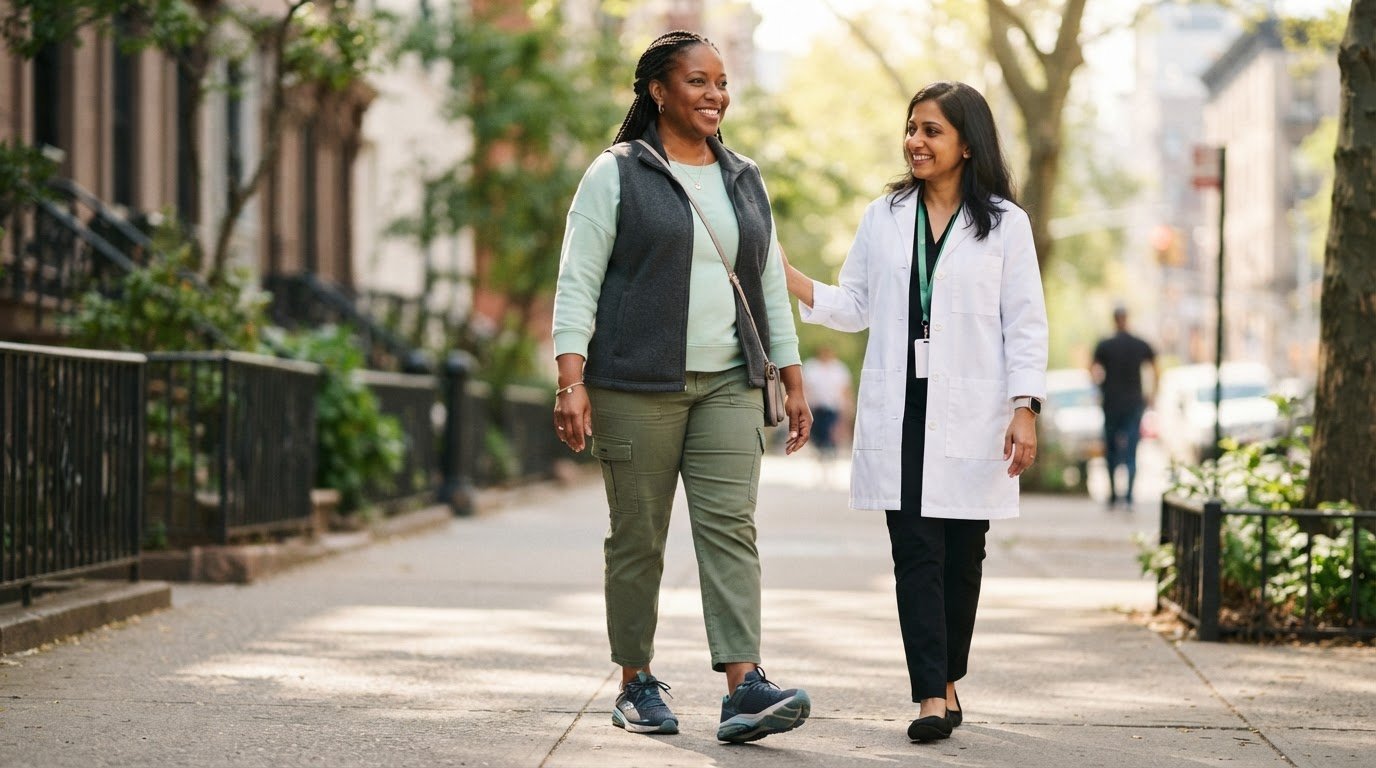
Did you know that 43% of patients still experience moderate to severe discomfort while walking a full year after their procedure? If you’re currently managing chronic pain after foot surgery NYC, you know that every step on the uneven pavement of Astoria or the concrete sidewalks of Forest Hills can feel like a frustrating setback. It’s exhausting to invest weeks in recovery only to find yourself still limping toward the subway or dreading the steep stairs in your walk-up apartment. You aren’t alone in this struggle, and your persistent discomfort is a signal that deserves a professional explanation.
We understand the anxiety that comes with wondering if your surgery failed or if you’re destined for a second operation. This guide provides the clarity you need to distinguish between typical healing and complications like nerve entrapment or hardware issues. You’ll discover why your foot hasn’t yet adapted to the city’s unique physical demands and learn about the non-surgical pathways available to restore your independence. We’ll explore advanced diagnostic tools and the specific steps required to finally walk pain-free through Brooklyn and Queens again.
Key Takeaways
- Identify the “3-month threshold” where post-operative discomfort shifts from normal healing to a condition requiring expert podiatric intervention.
- Understand how managing chronic pain after foot surgery NYC requires addressing the unique mechanical stress of walking on concrete and navigating transit in Queens and Brooklyn.
- Explore non-surgical relief options, such as MLS Laser Therapy and custom orthotics, designed to stabilize your gait and reduce internal inflammation.
- Learn how scar tissue adhesions and biomechanical shifts can “tether” nerves, causing pain that persists long after the initial incision has closed.
- Recognize the specific indicators that a primary surgery has failed and when a revision procedure is the most reliable path to regaining your mobility.
Understanding Chronic Pain After Foot Surgery: When is it Not Normal?
Recovery isn’t always a straight line. After a procedure like a bunionectomy or hammertoe correction, you expect a certain level of soreness. However, there’s a vital distinction between acute healing and chronic post-surgical syndrome. In a city where we walk miles on unforgiving pavement, managing chronic pain after foot surgery NYC requires understanding exactly when your body’s alarm system has stayed on for too long. If you’re still feeling significant throbbing or sharp stabs while walking through Astoria or Forest Hills three months after your procedure, it’s no longer just part of the process. This 90-day mark is the clinical threshold where we begin to look for underlying complications rather than standard inflammatory responses.
The Biological Timeline of Foot Recovery
Your body follows a structured healing rhythm. During Phase 1 (Weeks 1-4), inflammation is necessary; it’s the biological signal that tissue knitting is underway. By Phase 2 (Months 2-3), you enter the remodeling stage where bone consolidation occurs. Most patients expect to be back in regular shoes by this point. Phase 3 is where functional adaptation should happen. If pain persists or intensifies here, it’s often a sign that the foot’s biomechanics haven’t adjusted to the surgical changes. This is the critical window where specialist intervention becomes necessary to prevent long-term mobility issues.
New York City presents a unique challenge for recovering feet. Unlike suburban areas where you can drive door-to-door, our lifestyle demands constant interaction with hard concrete and uneven subway platforms. This “concrete jungle” factor places immense mechanical stress on healing osteotomies and soft tissues. Successfully managing chronic pain after foot surgery NYC often means accounting for these environmental pressures that don’t exist in other cities. This extra strain can accelerate discomfort, making it difficult to distinguish between simple overexertion and a deeper surgical complication.
Red Flags That Require Immediate Attention
While some achiness is expected, certain sensations indicate that something is wrong. Sharp, electric-like jolts often suggest nerve entrapment or the development of complex regional pain syndrome, a condition where the nervous system overreacts to the trauma of surgery. Other warning signs include localized heat and swelling that return months after the incision has closed. If your pain worsens specifically when walking on NYC’s hard surfaces, it may indicate a biomechanical shift or hardware irritation that needs professional evaluation. We don’t want you to just push through pain that could be a symptom of a failed union or nerve damage. Recognizing these signs early is the first step toward reclaiming your active lifestyle.
Common Causes of Persistent Post-Operative Foot Pain
Understanding why discomfort persists is the first step toward true relief. While many patients expect a quick return to their routine, managing chronic pain after foot surgery NYC often involves identifying specific structural or neurological changes. It isn’t always lingering inflammation. Often, the issue is a physical “tethering” of tissues or a fundamental shift in how your foot meets the concrete of Astoria or Woodhaven. Identifying these causes helps us move from vague frustration to a targeted recovery plan.
Scar Tissue and Fibrosis Management
Some patients naturally produce more aggressive scar tissue than others. This internal fibrosis can bind tendons to bone, particularly in the metatarsal joints, creating a sensation that the foot is “stuck” or “tight.” When scar tissue adhesions tether nearby nerves, they can cause sharp, pulling sensations with every step. To manage this at home, we often recommend gentle cross-friction massage once the incision is fully closed. In our clinics in Forest Hills and Brooklyn, we use specialized techniques to break down these adhesions and restore the fluid range of motion you need for a natural stride.
Post-Surgical Biomechanics and Gait Changes
A single corrective procedure, such as a bunionectomy, changes your entire weight distribution. This often triggers a domino effect. You might find your ankle or knee aching because you’ve subconsciously altered your gait to protect the surgical site. It’s also very common for your “good” foot to start hurting as it overcompensates for the healing side. We use advanced diagnostic imaging to see if your structure has shifted out of its ideal alignment, ensuring your recovery doesn’t create new problems elsewhere.
Other common culprits include hardware sensitivity and nerve irritation. If a surgical screw or plate sits too close to the skin, it can rub painfully against your shoes as you walk to accessible subway stations during your commute. Additionally, burning or “phantom” sensations often indicate a neuroma or minor nerve entrapment. These issues are common, but they aren’t something you have to live with indefinitely. If you’re noticing these symptoms, you might benefit from a professional evaluation to determine if your foot’s mechanics need a precision tune-up to handle the demands of the city.
Non-Surgical Management Strategies for NYC Patients
Successfully managing chronic pain after foot surgery NYC doesn’t always require a return to the operating room. While persistent discomfort can feel discouraging, it’s often a sign that your foot’s soft tissues and joints need extra support to adapt to their new structural alignment. Our goal is to provide a clear, non-invasive path to recovery that respects the demands of your daily life in Queens or Brooklyn. By combining advanced technology with biomechanical stabilization, we can often resolve pain that has lingered long past the initial healing window.
Custom Orthotics: Rebalancing Your Step
Many patients find that off-the-shelf inserts simply don’t provide the precision needed after a corrective procedure. When a bone is realigned or a joint is fused, your entire weight distribution shifts. Generic insoles can’t account for these unique changes, often leading to new pressure points and recurring aches. We believe that custom orthotics are essential for stabilizing a post-operative foot, especially when navigating the hard pavement of Astoria or Forest Hills.
The process involves more than just a simple scan. We carefully evaluate your post-op gait and cast your foot in a neutral position to create a device that:
- Accommodates for any changes in toe length or joint flexibility.
- Offloads mechanical stress from sensitive surgical sites and hardware.
- Corrects compensatory movements that might be causing ankle or knee pain.
- Provides the specific arch support required for your unique foot structure.
Advanced Pain Relief Technologies
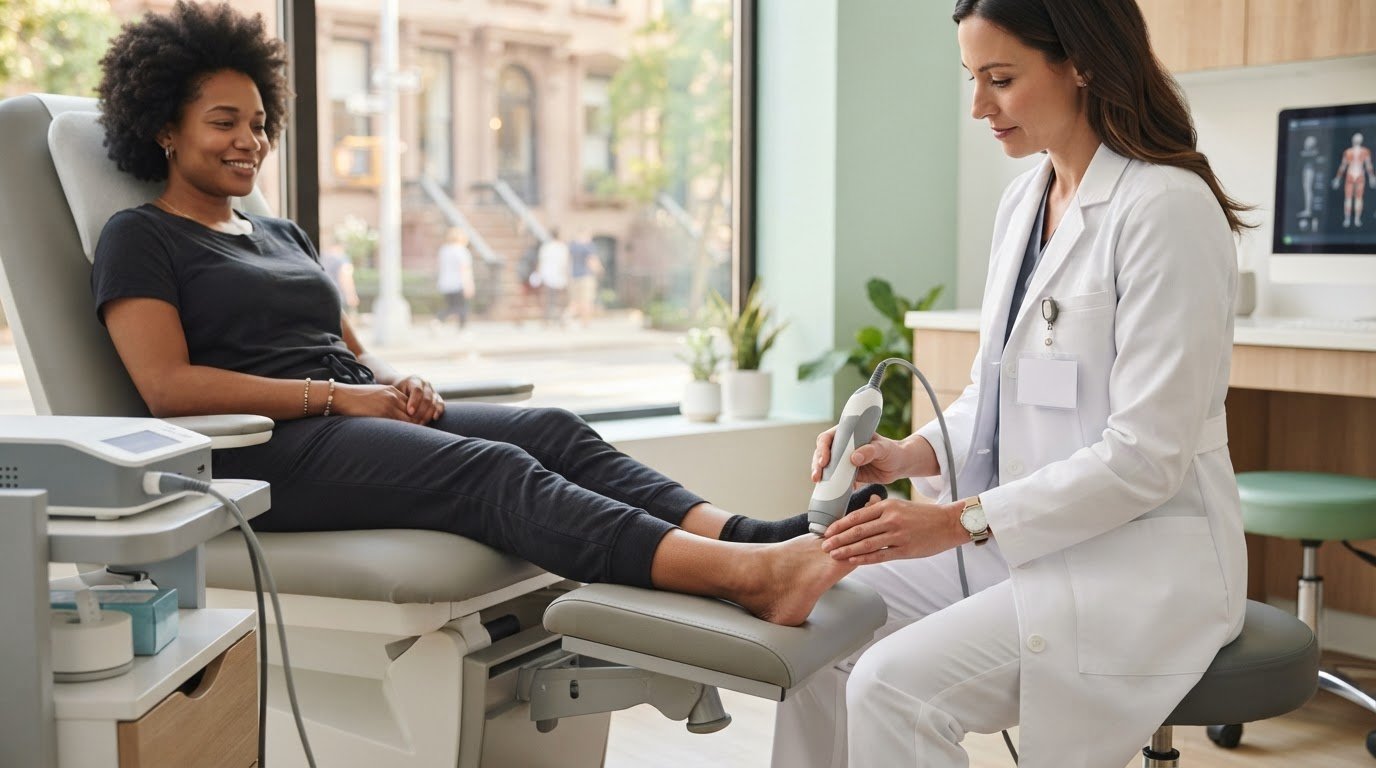
When traditional physical therapy isn’t enough to break through chronic inflammation, we turn to advanced modalities that work at a cellular level. MLS Laser Therapy is a particularly effective tool in our Forest Hills and Astoria offices. Unlike standard physical therapy, which focuses on muscle strengthening, laser therapy uses specific wavelengths of light to reduce deep-tissue swelling and accelerate the repair of damaged nerves without the need for needles or medication. It’s a gentle yet powerful way to address the burning sensations often associated with post-surgical nerve irritation.
For those dealing with stubborn scar tissue or chronic tendon issues, shockwave therapy offers a regenerative alternative. This technology sends acoustic pulses into the tissue to stimulate blood flow and break down painful adhesions. We use these tools to bridge the gap between conservative care and the possibility of revision foot surgery. By managing chronic pain after foot surgery NYC with these targeted technologies, we help you regain your independence and return to the activities you love without the anxiety of another major procedure.

Navigating New York City During Foot Recovery
Living in New York City requires a level of physical endurance that most suburban recovery guides simply don’t address. When you’re managing chronic pain after foot surgery NYC, the “concrete jungle” is more than a metaphor; it’s a daily obstacle course of fractured sidewalk pavers, steep subway stairs, and long platform transfers. Most New Yorkers walk between 2 and 5 miles a day on unforgiving surfaces. This constant impact can delay healing and exacerbate discomfort if you don’t have a strategic plan for your commute through neighborhoods like Astoria or Woodhaven.
Footwear Essentials for the Urban Commute
Your choice of shoes is your first line of defense against recurring pain. During this phase, it’s vital to prioritize structural integrity over local fashion trends. We often see patients who struggle because they’ve returned to thin-soled flats or heavy boots too soon. Understanding the difference between running and walking shoes is essential for choosing the right support. While running shoes offer excellent cushioning for heel strikes, walking shoes often provide the specific forefoot flexibility needed after bunion or hammertoe surgery.
- Look for “rocker bottom” soles that reduce the need for toe flexion during your stride.
- Ensure the toe box is wide enough to prevent friction against surgical sites.
- Prioritize brands with deep cushioning and neutral stability to handle the impact of concrete.
Activity Modification and Pacing
Independence doesn’t mean pushing through agony. We encourage our patients to use a simple pain scale of 1 to 10 to guide their daily choices. If your pain level exceeds a 4 while walking to the train in Queens, it’s a signal to pivot. With only 160 out of 493 subway stations being fully ADA accessible as of 2026, planning your route is mandatory. Sometimes, taking a bus or a ride-share service is the smarter medical decision to preserve your mobility for the rest of the week.
You can still stay active by choosing low-impact environments. A gentle stroll through Forest Park or along the Astoria waterfront is far better for a healing foot than navigating the crowded staircases of a Manhattan transfer station. After any significant time on your feet, remember the importance of elevation; keeping your foot above your heart level helps drain the fluid that accumulates after a day on the pavement. If you’re finding it impossible to navigate your daily routine without significant distress, it may be time to schedule a personalized consultation to adjust your recovery plan.
When to Consider Revision Surgery at Local Foot Doc
Sometimes, even with the most diligent use of custom orthotics or advanced laser therapy, the discomfort remains. If you’ve spent months managing chronic pain after foot surgery NYC without seeing improvement, it’s time to consider whether the primary procedure achieved its structural goals. A failed surgery can stem from several factors, including a bone that didn’t heal (nonunion), hardware that shifted, or a correction that didn’t fully address your biomechanical needs. We understand the frustration of feeling like you’re back at square one, but a specialized revision can often provide the relief that the first surgery missed.
The Revision Consultation Process
Correcting a previous surgery requires a higher level of diagnostic precision. During your consultation, Dr. Waldemar Majdanski performs a comprehensive review of your medical history, including previous surgical reports and X-rays. We don’t just look at the static images; we analyze your gait to see exactly where the failure point occurs when your foot hits the ground. Our 2026-standard surgical plans are designed to fix these original errors by utilizing modern techniques for hardware removal, bone realigning, or joint stabilization. We focus on creating a foundation that can withstand the high-impact demands of a New York City lifestyle.
Why Choose a Local Specialist for Revision
Revision cases are complex and require frequent, personalized follow-up care to ensure the second recovery is successful. Choosing a board-certified surgeon with 20+ years of clinical experience in the city ensures your treatment plan accounts for the “concrete jungle” factor. We offer convenient locations in Astoria, Woodhaven, and Forest Hills, making it easier for you to attend the necessary check-ups without a grueling commute.
- Direct access to Dr. Majdanski’s expertise for complex post-op cases.
- Coordination of specialized physical therapy and custom bracing.
- A collaborative atmosphere where your concerns are heard and addressed.
Our goal for every revision patient is a return to pain-free mobility. While every case is unique, many of our patients find that a precisely executed second procedure allows them to walk through Queens and Brooklyn without the constant throbbing that once defined their lives. We’re here to help you regain your independence and move past the cycle of chronic pain.
Reclaiming Your Stride in New York City
Persistent discomfort after a procedure shouldn’t be your new normal. We’ve explored how identifying the 3-month threshold and addressing biomechanical shifts are essential steps in managing chronic pain after foot surgery NYC. Whether your relief comes through custom orthotics, advanced laser therapy, or a specialized revision procedure, the goal is always to return you to the active lifestyle you love. You deserve to walk through Astoria, Forest Hills, or Woodhaven without the constant anxiety of a failed recovery.
Dr. Waldemar Majdanski brings over 20 years of NYC experience to every patient case. As a board-certified surgeon, he understands the unique physical demands our city places on your feet. With convenient locations across Brooklyn and Queens, our team is ready to partner with you in your healing journey. We offer a sophisticated blend of modern technology and compassionate care to ensure you regain your independence and move forward with confidence.
Don’t let post-op pain stop you. Schedule a consultation with Dr. Majdanski today. We’re here to help you find a clear, comforting path back to your normal routine.
Frequently Asked Questions
Is it normal to have pain 6 months after bunion surgery?
While mild achiness after a long day in Astoria can happen, significant pain at the 6-month mark is generally not normal. By this stage, the initial tissue healing and bone consolidation should be complete. Persistent discomfort often suggests an underlying issue like nerve entrapment, hardware irritation, or a biomechanical shift. If you’re still limping on NYC pavement, we recommend a professional evaluation to identify the specific cause and prevent further complications.
How do I know if my foot surgery hardware is causing pain?
Hardware irritation often feels like localized tenderness or a sharp sensation directly over the site of a screw or plate. You might notice it more when wearing tight shoes or during cold weather in Woodhaven. If the area looks red, feels warm, or has a visible bump where the hardware is located, it’s likely the culprit. We use diagnostic imaging to determine if hardware removal is necessary to restore your comfort.
Can scar tissue after foot surgery be removed without more surgery?
Yes, internal scar tissue can often be managed through non-invasive techniques like MLS Laser Therapy or specialized manual mobilization. These methods help break down adhesions that tether tendons and nerves without the need for additional incisions. In our Forest Hills clinic, we also use therapeutic exercises to improve joint flexibility. Addressing scar tissue early is a vital part of managing chronic pain after foot surgery NYC and avoiding further surgical intervention.
What are the best shoes for walking in NYC after foot surgery?
The best footwear for the city’s concrete streets includes high-quality walking shoes with a wide toe box and a stiff, rocker-bottom sole. These features reduce the mechanical strain on your forefoot as you navigate subway stairs. Brands that offer neutral stability and deep cushioning are ideal. We often recommend pairing these shoes with custom orthotics to ensure your weight is distributed evenly, which helps in preventing new aches during your Brooklyn commute.
Does insurance cover custom orthotics for post-surgical pain?
Many insurance plans in New York provide coverage for custom orthotics when they’re deemed medically necessary for structural correction or post-operative support. Coverage varies significantly between providers and specific plans. Our office staff in Astoria and Forest Hills can help you verify your benefits. Because these devices are essential for stabilizing your gait and managing chronic pain after foot surgery NYC, they’re a frequent component of our comprehensive treatment plans.
How long does a revision foot surgery take to heal?
Healing from a revision procedure often takes longer than the primary surgery, typically ranging from 3 to 6 months for full recovery. The timeline depends on the complexity of the correction and whether bone grafting was required. You’ll likely need a period of non-weight-bearing rest followed by a gradual return to walking. We monitor your progress closely at our Queens locations to ensure your foot adapts correctly to the new structural changes.
Can physical therapy help with nerve pain after surgery?
Targeted physical therapy is highly effective for reducing post-surgical nerve pain. Therapists use specific nerve gliding exercises to release nerves that have become trapped in scar tissue. Additionally, modalities like desensitization techniques and therapeutic ultrasound can calm overactive pain signals. We often combine these sessions with other non-surgical treatments to provide a comprehensive path toward regaining your mobility and independence without the need for further invasive procedures.