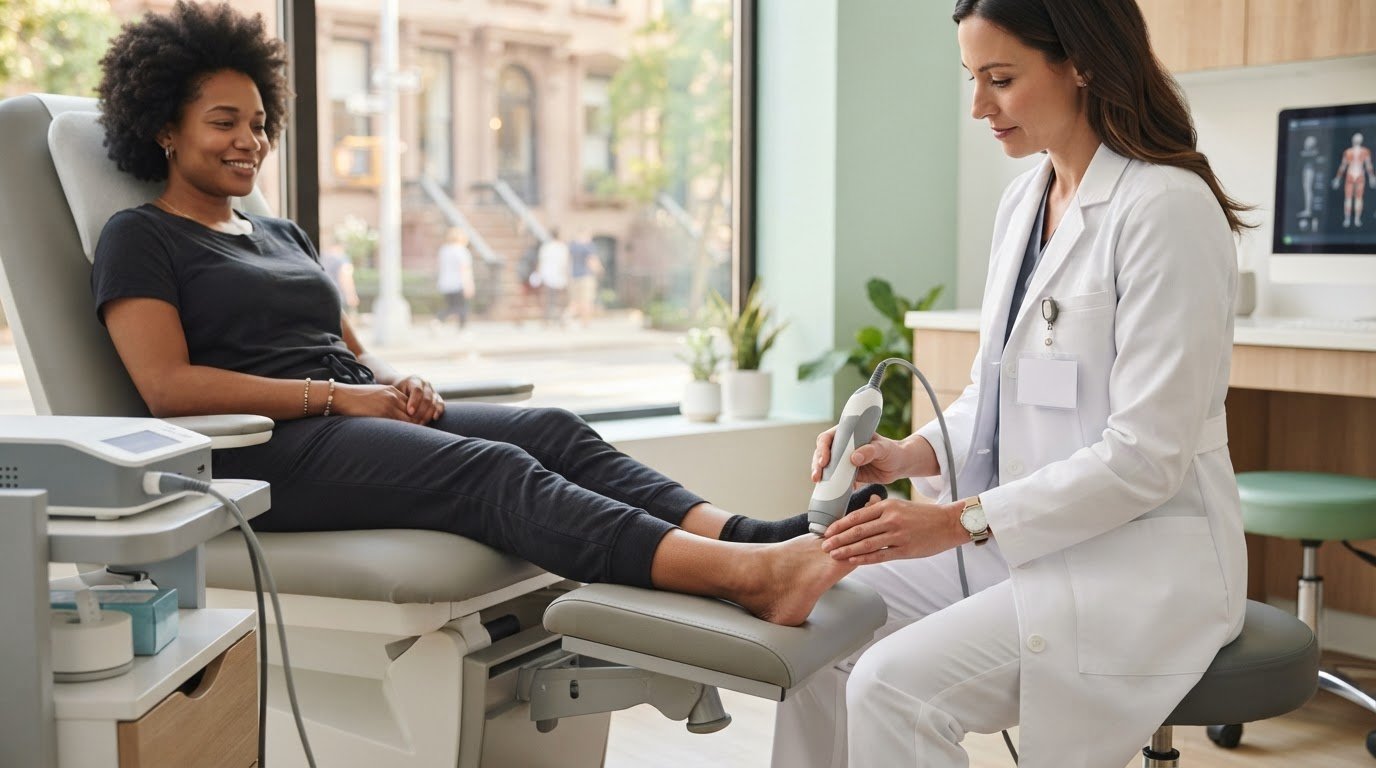
What if your Health Savings Account was the strategic tool you needed to finally reclaim your independence from chronic foot pain? For many of our neighbors in Brooklyn and Queens, the prospect of surgical intervention feels financially daunting, especially when facing the high out-of-pocket costs typical of the New York City medical landscape. We know how frustrating it is to feel stuck between a rising deductible and the physical discomfort that limits your daily life. It’s a common concern, but your HSA offers a powerful way to bridge that gap using pre-tax dollars.
This guide will show you exactly how using HSA for foot surgery in New York City can minimize your financial burden while ensuring you receive elite podiatric care. You’ll learn how to leverage the 2026 contribution limits, which have increased to $4,400 for individuals and $8,750 for families, to cover surgical fees, deductibles, and even recovery essentials like custom orthotics. We’ll outline the specific IRS-qualified medical expenses for procedures like bunion or hammertoe correction and provide a clear roadmap for a confident, successful recovery at our Forest Hills, Astoria, or Woodhaven locations.
Key Takeaways
- Discover how the triple tax advantage of your HSA can significantly reduce the financial impact of major medical procedures in 2026.
- Learn the criteria for Medical Necessity to ensure you are correctly using HSA for foot surgery in New York City for procedures like bunion or hammertoe correction.
- Identify which recovery costs, including custom orthotics and facility co-pays, qualify as IRS-approved expenses to maximize your pre-tax savings.
- Get a step-by-step guide on securing a Letter of Medical Necessity from your podiatrist to satisfy insurance and HSA documentation requirements.
- Understand why choosing a board-certified surgeon with local roots in Astoria, Forest Hills, or Woodhaven ensures both clinical excellence and logistical convenience.
The Financial Advantage of Using an HSA for Foot Surgery in NYC
Living in New York City often feels like paying a premium for every necessity, from housing to a simple commute. Medical care is no exception. We believe financial planning is just as important as the clinical diagnosis when preparing for a procedure. A Health Savings Account (HSA) acts as a specialized medical vault that protects your money from the IRS. This account offers a unique triple tax advantage: your contributions are tax-deductible, the account’s growth is tax-free, and your withdrawals for qualified medical expenses are also tax-free. Unlike a Flexible Spending Account (FSA), which typically requires you to “use it or lose it” by year-end, your HSA funds roll over indefinitely. This makes using HSA for foot surgery in New York City a smart, long-term strategy for patients planning a corrective procedure like bunion surgery or hammertoe correction.
2026 HSA Contribution Limits and New York Impact
For the 2026 tax year, the IRS has increased contribution limits to help offset the rising costs of healthcare. Individuals with self-only coverage can now contribute up to $4,400, while those with family coverage can set aside $8,750. If you are 55 or older, you can add an extra $1,000 catch-up contribution. In neighborhoods like Forest Hills or Astoria, where the cost of living is consistently high, these pre-tax contributions are essential. They effectively give you a 20% to 30% discount on your surgical care, depending on your tax bracket. By using these funds, you’re paying for your recovery with “whole” dollars rather than the “partial” dollars left over after New York’s significant state and local income taxes are deducted from your paycheck.
HSA vs. Out-of-Pocket: The Real Cost of Surgery
We often see patients who hesitate to schedule surgery because they’re worried about meeting their high insurance deductible. Your HSA is the most efficient tool to bridge this gap. In 2026, the minimum deductible for a qualifying High Deductible Health Plan (HDHP) is $1,700 for individuals and $3,400 for families. When you pay for surgery with post-tax income, you’re essentially paying more for the same service. Strategic timing is also key. Many of our patients in Woodhaven and Queens choose to schedule their procedures early in the year. By utilizing funds that have rolled over from previous years, they can satisfy their annual out-of-pocket maximum quickly. This often makes the remainder of their healthcare for the rest of the year significantly less expensive, as the insurance company begins to pick up a larger share of the costs sooner.
This strategic use of pre-tax dollars isn’t limited to foot care; many patients coordinate their HSA spending to cover other essential services, such as visiting All Stars Dental for comprehensive oral health needs, ensuring their entire medical budget is optimized for tax efficiency.
Qualifying Surgical Procedures: From Bunions to Hammertoe Correction
For a New Yorker, foot health is synonymous with independence. Whether you are navigating the steep stairs of the subway or walking several blocks in Astoria to reach your favorite cafe, your mobility is your lifeline. When physical discomfort begins to limit your movement, surgery is often the most effective path to recovery. However, many patients worry about whether their procedure qualifies for tax-advantaged spending. According to IRS Publication 502, medical expenses must be primarily to alleviate or prevent a physical or mental defect or illness. In the context of podiatry, this means that if a condition causes pain or hinders your ability to perform daily activities, it is likely a qualified expense.
The unique demands of life in the five boroughs often make the clinical case for surgery even stronger. In a city where walking is the primary mode of transportation, a foot deformity isn’t just a nuisance; it’s a barrier to employment and community life. At Local Foot Doc, we use advanced diagnostic imaging and thorough physical consultations to document the functional impact of your condition. This documentation is vital when using HSA for foot surgery in New York City, as it provides the necessary evidence that your procedure is a medical necessity rather than a lifestyle choice.
Bunion Surgery and HSA Eligibility
There is a common misconception that bunion correction is a cosmetic “foot narrowing” procedure. This couldn’t be further from the truth. A bunion is a progressive structural deformity that can lead to bursitis, hammertoes, and chronic joint pain. Because a bunionectomy involves the “mitigation or treatment of disease” by realigning the bone and relieving pressure, it is a textbook example of an HSA-qualified expense. If you are seeking Bunion Surgery in Queens, our team ensures your records clearly reflect the pain and mobility limitations you face, making the financial side of your recovery as smooth as the clinical one.
Hammertoe Correction and Structural Repairs
Hammertoes often develop alongside bunions or as a result of muscle imbalance, causing the toe to curl into a painful, rigid position. This structural issue often leads to painful corns and difficulty wearing standard shoes. The IRS recognizes the correction of such deformities as a legitimate medical cost. Your HSA funds can be used not just for the surgery itself, but also for the diagnostic X-rays and initial consultations required to plan the repair. If chronic pain is dictating which shoes you can wear or how far you can walk, we invite you to schedule a consultation at one of our locations to discuss how we can restore your stride.
Maximizing Your HSA: Deductibles, Co-pays, and Recovery Costs
Many patients view a surgical procedure as a single financial event. However, we see it as a comprehensive journey that includes preparation, the intervention itself, and the vital weeks of recovery. While we’ve discussed the tax advantages of your account, it’s equally vital to understand the breadth of what these funds cover. Using HSA for foot surgery in New York City extends far beyond the surgeon’s fee. It is a strategic way to manage the “surgical bundle” of expenses that often catch patients by surprise, especially within the high-cost medical infrastructure of Manhattan, Brooklyn, and Queens. Just as you might use your HSA for specialized holistic care from Ombright Wellness Fertility Acupuncture, these funds can be applied to the diverse range of costs associated with your podiatric surgery.
In 2026, the minimum deductible for a qualifying High Deductible Health Plan is $1,700 for individuals and $3,400 for families. Your HSA is the most efficient tool for meeting this threshold. Beyond the deductible, you can use your funds to pay for surgical facility fees at ambulatory centers and anesthesiology co-pays. These costs are often billed separately from the podiatrist’s services. Additionally, your account covers the Durable Medical Equipment (DME) essential for a safe recovery, such as crutches, knee scooters, or specialized surgical boots. By following the IRS guidelines on qualified medical expenses, you ensure that every dollar spent on your path to mobility is working as hard as possible for you.
The “Surgical Bundle” of HSA Expenses
The road to surgery begins well before you enter the operating room. Your HSA funds are eligible to cover pre-surgical testing, including necessary bloodwork and cardiovascular clearances. Following your procedure, the account remains a valuable resource for pain management supplies and prescription medications. If your recovery involves specialized physical therapy to regain strength and range of motion, those sessions are also qualifying expenses. This holistic approach is especially beneficial for those active in Sports Medicine in New York City, where returning to peak performance is the ultimate goal.
Custom Orthotics as a Post-Surgical HSA Expense
Correcting a deformity like a bunion or hammertoe is only half the battle; maintaining those results requires proper biomechanical support. Custom orthotics are often a critical component of post-surgical care to prevent the recurrence of the issue. Because these are prescribed medical devices designed to treat a specific diagnosis, they are fully HSA-eligible. We provide the detailed documentation and biomechanical analysis required to justify these supports as a medical necessity. Utilizing your remaining HSA balance for custom orthotics ensures your feet have the structural foundation they need to stay healthy long after your final follow-up visit at our Forest Hills or Astoria clinics.

The Paperwork Trail: Letters of Medical Necessity and NYC Requirements
While the financial benefits of tax-advantaged spending are clear, successfully using HSA for foot surgery in New York City requires a precise administrative approach. We don’t want you to feel overwhelmed by the technicalities of insurance or IRS audits. The most critical document in your arsenal is the Letter of Medical Necessity (LMN). This isn’t just a simple doctor’s note; it’s a formal clinical justification that bridges the gap between your physical discomfort and your financial account. An effective LMN must clearly state your specific diagnosis using ICD-10 codes and outline the proposed CPT codes for the surgery. It must also detail the functional impact your condition has on your life, such as an inability to navigate subway stairs or walk the blocks required for your daily commute in Forest Hills or Astoria.
We recommend that all our patients maintain a robust digital record-keeping system. The IRS can technically audit medical expenses for up to seven years, so storing digital copies of your LMN, surgical receipts, and Explanation of Benefits (EOB) forms is essential. If an HSA administrator ever questions a claim, having this organized “paperwork trail” allows you to resolve the issue quickly without stress. We’ve seen that clear documentation of why a procedure is medically necessary usually satisfies even the most rigorous administrative reviews.
Navigating the LMN Process with Your Podiatrist
Our team, led by Dr. Waldemar Majdanski, is deeply experienced in providing the clinical documentation necessary for surgical approval. We don’t just focus on the surgery itself; we document the entire history of your care. This includes “failed conservative treatments,” such as previous attempts with custom orthotics, injections, or physical therapy that didn’t provide lasting relief. By showing that surgery is the next logical step in your healing journey, we strengthen your case for HSA eligibility. We make sure to highlight NYC-specific lifestyle limitations, ensuring your LMN reflects the high-impact nature of urban living.
Payment Logistics: HSA Debit Cards vs. Reimbursement
You have two primary ways to pay for your procedure. Many patients prefer the simplicity of using their HSA debit card at the time of booking. This is direct and avoids out-of-pocket spending. However, some savvy New Yorkers choose the reimbursement method. They pay for the surgery with a personal credit card to earn travel points or cash back, then submit the receipt to their HSA provider for a tax-free reimbursement. Both methods are valid, but the reimbursement path requires extra diligence in saving every receipt. To start planning your procedure and secure the necessary documentation, schedule a consultation at one of our locations today.
Surgical Excellence at Local Foot Doc: Brooklyn and Queens
Choosing a surgeon is a decision that balances clinical skill with personal trust. At Local Foot Doc, Dr. Waldemar Majdanski brings over 20 years of clinical experience to every procedure, providing the board-certified expertise our neighbors in Brooklyn and Queens expect. We understand that the prospect of surgery can be intimidating, which is why we’ve built our practice around a partnership model. We don’t just perform a procedure; we guide you through the entire process, from the initial diagnosis to the final day of your recovery. This commitment to excellence is paired with a deep understanding of the financial logistics involved in modern healthcare. Using HSA for foot surgery in New York City is a seamless process at our clinics because our administrative team is trained to provide the transparent billing and precise documentation your account administrator requires.
Our focus on patient education ensures you’re never in the dark about your care or your costs. We provide a clear breakdown of surgical fees and facility charges well in advance, allowing you to plan your HSA contributions for the 2026 tax year with confidence. Whether we’re addressing a complex bunion deformity or performing a hammertoe correction, our goal is to restore your mobility while minimizing your out-of-pocket impact. We believe that high-quality surgical care should be accessible, and leveraging your pre-tax dollars is one of the most effective ways to achieve that goal.
Neighborhood-Based Care for the NYC Commuter
Recovery is significantly less stressful when your medical team is right around the corner. We’ve strategically placed our clinics in Astoria, Forest Hills, and Woodhaven to serve the diverse communities of Queens and Brooklyn. For the busy NYC commuter, this means you don’t have to navigate a grueling trip across several boroughs for your pre-operative testing or post-operative follow-ups. If you’re looking for the Best Podiatrist in Forest Hills, our local presence ensures that your path to healing is convenient and integrated into your daily life. This proximity reduces the physical strain of travel during the early stages of your recovery, allowing you to focus entirely on getting back on your feet.
A Patient-Centered Approach to Surgical Recovery
Our definition of success is seeing you return to the activities that define your New York experience. We want you to walk the High Line, navigate the subway, and enjoy your neighborhood parks without the shadow of chronic pain. To prepare for your 2026 surgical consultation, we recommend bringing your current HSA provider details, a list of conservative treatments you’ve previously attempted, and any recent imaging you may have. We’ll use this information to create a personalized treatment plan that respects both your physical goals and your financial strategy. It’s time to reclaim your independence and move toward a future of pain-free mobility. Schedule your HSA-eligible surgical consultation today.
Step Into a Pain-Free Future with Confidence
Reclaiming your independence from chronic foot pain doesn’t have to be a financial burden. By strategically using HSA for foot surgery in New York City, you can navigate high deductibles and recovery costs while taking advantage of significant tax savings. We’ve explored how medical necessity transforms corrective procedures like bunion surgery into qualified expenses; we’ve also seen how meticulous documentation ensures your claims remain secure. Your path to mobility is a partnership between clinical excellence and smart financial planning.
At Local Foot Doc, we combine over 20 years of experience with a deep commitment to our Brooklyn and Queens communities. As a board-certified foot surgeon, Dr. Waldemar Majdanski provides the specialized care you need, while our team offers personalized HSA documentation support to simplify your journey. Don’t let physical discomfort dictate your lifestyle any longer. We invite you to Book Your Surgical Consultation at Local Foot Doc today. It is time to walk through the streets of Astoria or Forest Hills with comfort and ease once again.
Frequently Asked Questions
Is bunion surgery considered a qualified medical expense for my HSA?
Yes, bunion surgery is a qualified medical expense when it is performed to treat a physical deformity and alleviate chronic pain. The IRS allows funds to be used for the “mitigation or treatment of disease,” which includes corrective procedures that restore your ability to walk and function. We provide the necessary clinical documentation to confirm that your surgery is a medical necessity rather than a cosmetic choice.
Can I use my HSA to pay for my spouse’s foot surgery in NYC?
You can use your HSA funds to pay for your spouse’s surgery even if they are not covered under your specific High Deductible Health Plan. IRS regulations allow you to use your account for qualified medical expenses for yourself, your spouse, and any tax dependents. This is a significant advantage for families in Brooklyn and Queens who need to manage high out-of-pocket costs for specialized surgical care.
Do I need a referral from a primary care doctor to use HSA for surgery?
You generally do not need a referral from a primary care doctor to use your HSA funds, though your insurance provider might require one for coverage purposes. While the IRS doesn’t mandate a referral for HSA eligibility, having a formal diagnosis and a Letter of Medical Necessity from your podiatrist is vital. We help you secure this paperwork to ensure your surgical claim is fully documented and compliant.
What happens if my HSA card is declined at the podiatrist office?
If your HSA card is declined, you can pay for the service using a personal credit or debit card and then reimburse yourself from your HSA later. This sometimes happens due to daily transaction limits or merchant processing errors. Simply save your itemized receipt and submit a reimbursement request through your HSA provider’s portal. This method also allows you to earn credit card rewards before moving the tax-free funds back into your personal account.
Can I use HSA funds for post-surgical shoes and orthotics?
Yes, you can use HSA funds for post-surgical shoes, walking boots, and custom orthotics when they are prescribed as part of your recovery plan. These items are categorized as Durable Medical Equipment (DME) and are essential for protecting your surgical results. Using HSA for foot surgery in New York City ensures that these necessary recovery tools are covered by your pre-tax contributions, reducing your overall out-of-pocket spending.
Are diagnostic X-rays and MRIs HSA-eligible at Local Foot Doc?
Diagnostic imaging, including X-rays and MRIs performed at our locations, is a fully HSA-eligible expense. These tests are essential for identifying the underlying cause of your pain and planning an effective surgical intervention. Since these diagnostics are integral to your medical treatment, you can pay for them directly with your HSA card at our Forest Hills, Astoria, or Woodhaven offices.
How long do I need to keep receipts for HSA-funded surgery?
We recommend keeping all receipts and related medical documentation for at least seven years. While your HSA administrator may not ask for receipts at the time of payment, the IRS can request proof of your qualified medical expenses during an audit. Maintaining digital copies of your Letter of Medical Necessity and surgical invoices ensures you are always prepared to justify your tax-free spending.
Can I use my HSA for surgery performed at an outpatient surgical center in NYC?
HSA funds are perfectly suited for covering costs at outpatient surgical centers and ambulatory surgery centers (ASCs) across the city. This includes facility fees, anesthesiology co-pays, and surgical supplies that are billed separately from the surgeon’s fee. Using HSA for foot surgery in New York City at an outpatient facility is a strategic way to manage the “surgical bundle” of costs while receiving care in a modern, efficient environment.