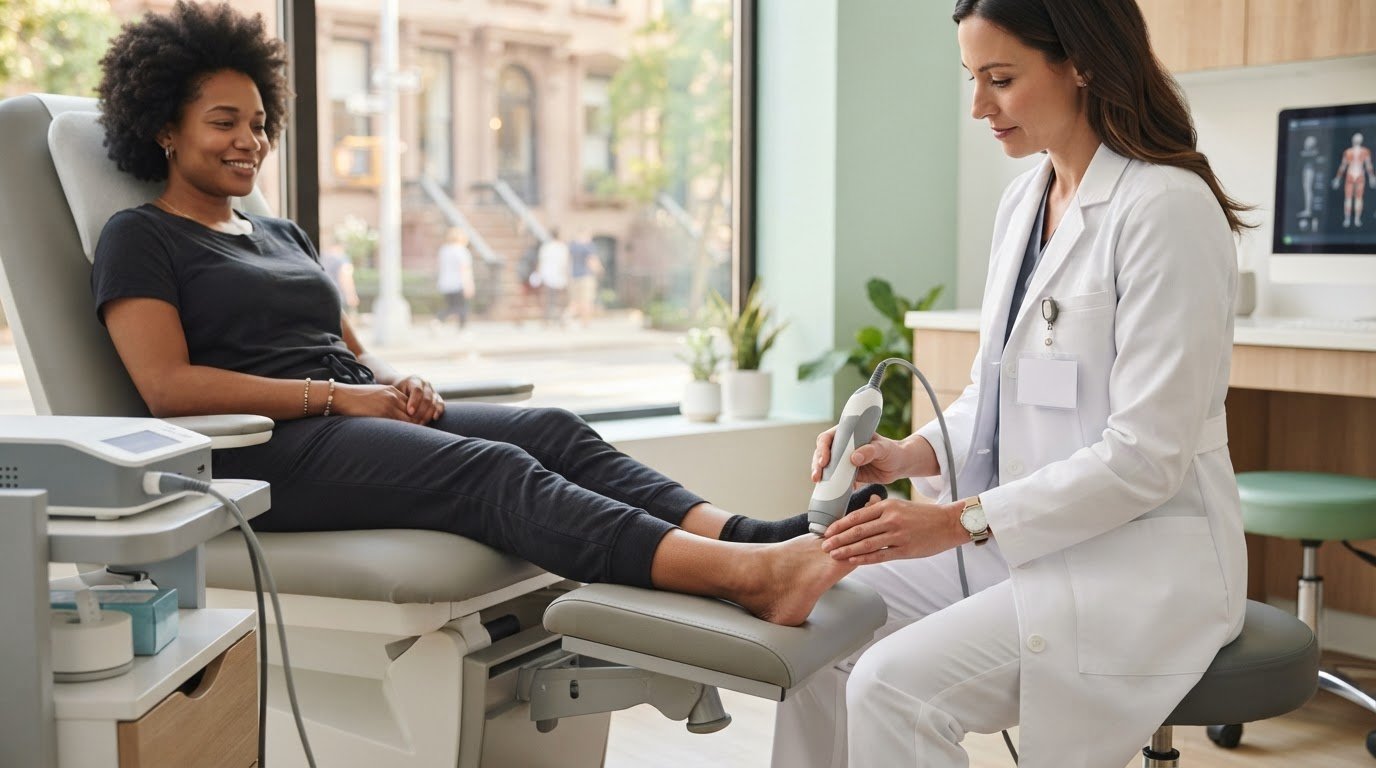
In New York City, the rate of diabetes-related lower-extremity amputations is more than twice as high among Latino and Black residents compared to white New Yorkers, a sobering reality that underscores the need for proactive medical attention. If you live or work near Roosevelt Ave, you likely understand the stress of managing a chronic condition while keeping up with the fast pace of Queens. Finding reliable diabetic foot care in Jackson Heights Queens shouldn’t feel like another obstacle. We know you’re worried about losing your mobility or facing a scary diagnosis simply because you couldn’t find a specialist who understands your insurance and your daily needs.
It’s completely normal to feel overwhelmed by how often you need checkups or what 2026 Medicare updates mean for your coverage. We believe every neighbor deserves access to a board-certified surgeon who prioritizes limb preservation and infection-free feet. This guide will show you how specialized podiatric care can protect your independence and keep you walking the streets of Jackson Heights with confidence. We’ll explore the latest preventative treatments, explain how to build a trusted partnership with a local expert, and outline the specific steps to maintain an active, healthy New York life.
Key Takeaways
- Understand why local access to specialized diabetic foot care in Jackson Heights Queens is critical for preventing hospitalizations and managing the unique challenges of urban living.
- Learn the essential criteria for selecting a podiatrist in 2026, focusing on board certification in surgery and the availability of in-office diagnostic imaging.
- Discover advanced wound healing protocols for diabetic ulcers and Charcot foot management designed to preserve your structural foot health and mobility.
- Master the “Golden Rule” of daily self-inspections and establish a regular schedule for professional screenings to catch silent symptoms before they escalate.
- Explore how personalized treatment plans from community-focused experts can help you maintain your active New York lifestyle while protecting against serious complications.
Why Specialized Diabetic Foot Care in Jackson Heights is Essential
Living in a vibrant, high-density neighborhood like Jackson Heights means you’re always on the move. However, for the thousands of our neighbors managing diabetes, every step requires a level of vigilance that goes beyond simple comfort. Diabetes-related foot complications remain a leading cause of preventable hospitalizations throughout New York City. In a community where we rely on walking to reach the 7 train or shop along 82nd Street, securing reliable diabetic foot care in Jackson Heights Queens is the first step in moving beyond basic hygiene toward professional limb salvage.
We frequently see two primary conditions that threaten mobility: diabetic neuropathy and peripheral vascular disease. Diabetic neuropathy is nerve damage that often causes a “silent” loss of feeling in the feet. You might step on a small object or develop a blister without realizing it until an infection has already set in. Peripheral vascular disease, or PVD, involves narrowed blood vessels that restrict circulation. Without adequate blood flow, your body can’t heal even the smallest wounds effectively. This combination of numbness and poor healing creates a dangerous environment for your feet.
The High Stakes of Diabetic Foot Health
For a person with healthy circulation, a minor scrape is a nuisance; for someone requiring diabetic foot care in Jackson Heights Queens, that same scrape can escalate into a deep-tissue infection or ulcer within days. We use professional debridement to carefully remove callused or dead tissue, which prevents bacteria from getting trapped underneath and causing an abscess. This clinical intervention is vital because it allows us to see the true extent of a wound and promote faster healing. We define diabetic foot care as a multi-disciplinary preventative strategy that combines advanced medical intervention with patient education to ensure long-term limb salvage.
Jackson Heights: A Community Approach to Health
Access matters. When you’re dealing with limited mobility or the exhaustion that often accompanies chronic illness, traveling across the city for a specialist isn’t practical. Having an expert podiatrist near Roosevelt Avenue or 82nd Street ensures that professional checkups don’t become a burden. Local Foot Doc serves the diverse population of Northwest Queens with a focus on accessibility and personalized care. We provide board-certified surgical expertise right in the neighborhood, ensuring that elderly patients and those with busy schedules can receive life-changing care without the stress of a long commute. Our goal is to foster a trusted partnership that keeps you active and independent in the community you love.
Choosing a Diabetic Podiatrist: 5 Essential Criteria for 2026
Selecting a specialist for diabetic foot care in Jackson Heights Queens is one of the most significant health decisions you’ll make. It isn’t just about finding a doctor who is nearby; it’s about ensuring your provider possesses the advanced training and technology required to prevent life-altering complications. As we look toward 2026, the standard for podiatric care has evolved. You should look for these five pillars of clinical excellence:
- Board certification specifically in podiatric surgery and medicine.
- In-office diagnostics such as digital X-rays and ultrasound for immediate answers.
- Custom orthotics designed to offload pressure points and prevent ulcers.
- Patient-centered education that provides transparent, easy-to-follow treatment plans.
- Hospital affiliations to ensure seamless coordination if complex surgical needs arise.
The Importance of Board Certification
When you’re managing a condition as complex as diabetes, the credentials of your provider are your first line of defense. Dr. Waldemar Majdanski is a board-certified surgeon, a distinction that carries immense weight for our patients. While general foot care often focuses on immediate comfort, specialized surgical wound management looks at the long-term structural integrity of the foot. A surgeon’s perspective is invaluable even for non-surgical preventative care. Because they understand the mechanics of complex reconstructions, they’re better equipped to identify subtle warning signs that might lead to surgery if left unaddressed. This level of expertise ensures your treatment plan is rooted in the highest medical standards.
Advanced Diagnostic Technology in Queens
Time is your most precious resource when dealing with a potential infection. In-office diagnostic capabilities are no longer a luxury; they’re a necessity for modern diabetic foot care in Jackson Heights Queens. Digital X-rays and ultrasound allow us to detect osteomyelitis, or bone infection, long before it becomes visible to the naked eye. We also utilize vascular testing to assess blood flow, which is essential for predicting how well a wound will heal. Modern technology leads to faster, more accurate treatment plans that can be initiated immediately during your visit. If you’re looking for a partner in your health, specialized diabetic foot care provides the individual attention your feet require to stay healthy and functional. By choosing a practice with these advanced capabilities, you’re investing in a future of continued mobility and independence.
Comprehensive Treatment for Diabetic Foot Complications
When complications develop, the focus of diabetic foot care in Jackson Heights Queens shifts from routine monitoring to active limb salvage. We understand that discovering an ulcer or noticing a change in foot shape can be frightening. Our clinical approach is designed to replace that anxiety with a clear, evidence-based roadmap to recovery. By utilizing 2026 standards for wound healing and structural stabilization, we address the root cause of discomfort while protecting your long-term mobility.
Our comprehensive treatment protocols cover a wide range of diabetic concerns, including:
- Diabetic Ulcers: We use advanced wound healing protocols to close open sores and prevent deep-tissue infections.
- Charcot Foot: This condition causes bones to weaken and joints to shift; we provide specialized care to prevent severe structural deformities.
- Fungal and Ingrown Nails: While these seem minor, for a diabetic patient, they’re high-risk entry points for bacteria that require professional intervention.
- Biomechanical Support: We utilize custom solutions to correct gait issues that lead to repetitive stress and tissue breakdown.
Diabetic Wound Care and Limb Salvage
Professional wound debridement is the cornerstone of effective ulcer management. It’s a precise clinical process where we remove non-viable, infected, or callused tissue to expose healthy skin and stimulate the body’s natural healing response. Following debridement, we apply specialized moisture-balancing dressings and implement strict infection control measures. While we focus on our local neighborhood, our diabetic foot care Brooklyn guide offers a broader perspective on how these borough-wide standards protect patients throughout New York City. This high level of care ensures that even complex wounds have the best possible chance of closing without further complication.
Custom Orthotics for Pressure Relief
Effective diabetic foot care in Jackson Heights Queens often relies on “offloading,” which means removing pressure from vulnerable areas of the foot. Custom orthotic inserts are significantly different from over-the-counter options because they’re built from a 3D model of your unique foot structure. These devices redistribute your body weight away from existing ulcers or “hot spots” where new wounds are likely to form. We prioritize the science of biomechanical alignment to ensure your feet are supported during every step you take on Roosevelt Ave. Custom orthotics are a medical necessity, not just a comfort feature; they serve as a structural shield that preserves the integrity of your skin and bone.

Preventing Amputation: The Role of Routine Screenings
Prevention is the most powerful tool we have in diabetic foot care in Jackson Heights Queens. While modern medicine offers incredible ways to treat complications, our primary goal is always to stop them before they start. Limb preservation isn’t just a clinical objective; it’s a commitment to your continued independence and quality of life. We follow the “Golden Rule” of diabetic health: daily self-inspections paired with regular professional oversight. This dual approach ensures that even the smallest changes are caught before they escalate into serious risks.
A proactive screening schedule typically includes:
- Daily Self-Inspections: Checking for redness, blisters, or temperature changes in the skin.
- Quarterly Professional Exams: Comprehensive reviews to detect silent symptoms like neuropathy.
- Vascular Assessments: Ensuring adequate blood flow is reaching the extremities to support healing.
- Footwear Education: Guidance on choosing shoes that don’t create friction or pressure points.
The 2026 Standard for Diabetic Foot Exams
We perform comprehensive neuro-vascular exams that go far beyond a simple visual check. During these visits, we use sensory testing with specialized monofilaments to identify areas of numbness you might not have noticed. If you can’t feel the 10-gram monofilament, it’s a clear indicator that your protective sensation is compromised. We also check your pulses and skin temperature to assess circulation. Depending on your risk level, we’ll establish a visit frequency that ranges from every few months to once a year. These screenings are the best way to ensure you stay active and mobile in our community.
Home Care vs. Professional Intervention
Home care is your daily defense, but it has limits. One of the most dangerous things a diabetic patient can do is “bathroom surgery.” Attempting to trim your own thick nails or cut away calluses with razors or store-bought tools can lead to deep infections. Because neuropathy often masks pain, you might cut too deep without realizing it. If you notice “red flags” like drainage on your socks, a sudden change in foot color, or a sore that doesn’t heal, call us immediately. For those who spend time in other parts of the borough, our Forest Hills podiatrist guide provides excellent resources for nearby care options. You can protect your future by scheduling a comprehensive diabetic foot screening today to identify risks before they become emergencies.
Expert Diabetic Care at Local Foot Doc in Queens
We believe that high-quality diabetic foot care in Jackson Heights Queens shouldn’t be difficult to find or intimidating to experience. Dr. Waldemar Majdanski has dedicated over 20 years to serving the diverse neighborhoods of NYC, bringing a level of board-certified surgical expertise that remains deeply rooted in our local community. Our practice isn’t just a clinical facility; it’s a neighborhood institution where we treat you as a partner in your own healing process. We’ve designed our offices to be both modern and welcoming, utilizing advanced diagnostic imaging to provide immediate answers while maintaining the personal touch of a neighborhood doctor. Whether you’re coming from the busy intersections of Jackson Heights or commuting from nearby districts, our goal is to provide a results-oriented environment that prioritizes your return to an active lifestyle.
Our commitment to accessibility means we’ve established multiple hubs to serve you better. While we are a primary choice for those seeking diabetic foot care in Jackson Heights Queens, our offices in Astoria, Woodhaven, and Forest Hills offer convenient alternatives for Northwest Queens residents. We understand the physical and emotional toll that chronic foot pain can take. That’s why we prioritize a professional yet compassionate environment where your concerns are heard and your mobility is our primary focus.
A Partnership in Your Recovery
Managing diabetes is a collective effort. We don’t operate in a vacuum; we work closely with your primary care physician to ensure your foot health aligns with your overall glucose management and vascular care. This collaborative atmosphere is essential for achieving the best outcomes and preventing the complications we’ve discussed, such as ulcers or neuropathy. During every visit, we emphasize thorough patient education, breaking down complex medical terminology into clear, actionable steps you can take at home. We often use the metaphor of “regained independence” because that’s the ultimate goal of our work. When your feet are healthy and infection-free, you’re free to navigate the city, work, and enjoy your family without the constant shadow of physical discomfort. Every patient receives a personalized treatment plan tailored to their specific activity level and health history.
Booking Your Consultation in Jackson Heights
We’ve streamlined our scheduling process to make it easy for both new and returning patients to get the care they need. We know that your time is valuable, especially when managing a chronic condition. For your first diabetic foot evaluation, please bring a list of your current medications, your most recent A1C results, and the shoes you wear most frequently. This information helps us build a comprehensive profile of your foot health and identify any biomechanical issues that need immediate attention. We’re here to alleviate the anxiety of chronic pain by offering a predictable, professional path to recovery. Our team is ready to help you take the first step toward a future of better health and continued mobility. Schedule your diabetic foot exam with Local Foot Doc today.
Take the First Step Toward Lasting Foot Health
Securing professional diabetic foot care in Jackson Heights Queens is more than a medical appointment; it’s a commitment to your future independence. We’ve explored how routine screenings and advanced treatments like custom orthotics can stop silent complications before they threaten your lifestyle. By prioritizing preventative exams and understanding the warning signs of neuropathy, you take control of your health. You keep yourself moving through the streets of Queens with confidence.
At Local Foot Doc, we combine clinical excellence with a neighborly touch. Dr. Waldemar Majdanski is a board-certified surgeon with over 20 years of NYC podiatry experience. Our office features state-of-the-art diagnostic imaging on-site, ensuring you get accurate answers without leaving the neighborhood. Don’t wait for a small discomfort to become a major complication. We’re here to provide the sophisticated care and compassionate support you deserve. Book Your Diabetic Foot Evaluation at Our Queens Office and let’s work together to protect your mobility for years to come. Your journey to recovery and long-term health starts with a single, proactive step.
Frequently Asked Questions
How often should a person with diabetes see a podiatrist in Queens?
You should see a podiatrist for diabetic foot care in Jackson Heights Queens at least once every three months. We recommend this quarterly schedule for most patients to monitor for silent changes in sensation or circulation. If you have a history of ulcers or structural deformities, we might suggest more frequent visits. These regular checkups allow us to perform professional assessments that prevent minor issues from escalating into serious hospitalizations.
Does insurance cover diabetic foot care and custom orthotics?
Most insurance providers, including Medicare, cover diabetic foot care and custom orthotics when they’re medically necessary to prevent complications. We find that coverage often extends to annual foot exams and specialized inserts for patients with documented neuropathy or poor circulation. Since every plan is different, we recommend checking your specific benefits. Our team can help you understand your coverage during your consultation to ensure you receive the specialized care you need.
What are the first signs of diabetic foot problems I should look for?
Look for subtle changes like redness, swelling, or unusual warmth in specific areas of your foot. You might also notice tingling, burning, or a loss of feeling, which are common indicators of neuropathy. We encourage you to use a mirror to check the bottoms of your feet daily for small cuts or blisters. If you spot any drainage on your socks or skin discoloration, it’s time to seek professional medical attention immediately.
Can a podiatrist in Jackson Heights treat diabetic foot ulcers?
Yes, we provide advanced treatment for diabetic foot ulcers using specialized wound healing protocols. Our process includes professional debridement to remove non-viable tissue and the application of clinical-grade dressings that promote faster recovery. We focus on limb salvage by controlling infection and redistributing pressure away from the wound. If you’re struggling with a non-healing sore, our specialists offer the surgical expertise needed to manage these complex cases for diabetic foot care in Jackson Heights Queens.
What is the difference between a regular pedicure and diabetic nail care?
Clinical nail care is a medical procedure performed in a sterile environment, whereas a regular pedicure is a cosmetic service. We use sterilized surgical instruments and prioritize infection control, which is critical for patients with compromised healing. Pedicures often involve soaking and cuticle cutting that can lead to skin breaks and serious infections. Our professional nail care focuses on your safety and long-term health rather than just the appearance of your feet.
Is Dr. Waldemar Majdanski accepting new diabetic patients in Queens?
Dr. Waldemar Majdanski is currently accepting new diabetic patients at our Astoria, Woodhaven, and Forest Hills locations serving the Jackson Heights area. We prioritize accessibility for our neighbors in Northwest Queens and offer personalized treatment plans for every new patient. You’ll receive a comprehensive evaluation including diagnostic imaging if necessary. We’re committed to building a long-term partnership that helps you maintain your mobility and stay active in your local community.
How can I prevent diabetic neuropathy from getting worse?
The most effective way to prevent neuropathy from worsening is to maintain consistent blood sugar control and attend regular podiatric screenings. We also recommend wearing custom orthotics to protect your feet from repetitive stress and trauma. Avoiding smoking and staying physically active can help improve the circulation that supports nerve health. While you can’t always reverse nerve damage, we can work together to slow its progression and protect your feet from further injury.
What should I do if I find a blister on my foot and I have diabetes?
You should clean the area gently with mild soap and water, cover it with a sterile bandage, and call us right away. Never attempt to pop or drain a blister yourself, as this creates an open door for bacteria and serious infection. Because diabetes slows your healing process, even a small blister can quickly turn into a deep ulcer. We’ll evaluate the blister to determine the underlying cause and provide professional treatment to ensure it heals safely.