
What if your morning commute across the 86th Street pavement didn’t feel like a test of physical endurance with every step? For many of our neighbors, the sharp ache of a bunion makes traversing our city’s hard surfaces a source of constant anxiety. We know that when you’re searching for a bunion specialist in Bay Ridge Brooklyn, you aren’t just looking for a medical diagnosis. You’re looking for a way to stay active, keep up with your busy schedule, and finally wear your favorite shoes without discomfort. It’s exhausting when foot pain dictates where you can go and how long you can stay on your feet.
We’re here to provide a clear path toward lasting relief that respects your time and your lifestyle. This guide explores how to select a trusted local expert who understands the unique physical demands of living in Brooklyn. We’ll also dive into modern, minimally invasive surgical techniques that prioritize faster recovery and minimal scarring. You’ll learn what to look for in a board-certified specialist and how a personalized treatment plan can restore your mobility. Let’s look at how you can reclaim your stride and return to the Brooklyn life you love.
Key Takeaways
- Understand that a bunion is a structural bone deformity rather than a simple bump, requiring a professional approach to protect your mobility on city streets.
- Learn how to identify a board-certified bunion specialist in Bay Ridge Brooklyn who offers advanced, patient-centered care tailored to your specific needs.
- Compare traditional surgical methods with modern, minimally invasive options that aim for less downtime and smaller scars.
- Get a clear, step-by-step preview of the recovery process, including how to manage the initial healing phase and when you can expect to return to regular shoes.
- Discover how local surgical expertise can help you regain your independence and walk comfortably through your neighborhood once again.
Understanding Bunion Pain in Bay Ridge: Why a Specialist Matters
Many people assume a bunion is simply a growth on the side of the foot. In reality, it’s a complex structural bone deformity known as hallux valgus. This condition occurs when the big toe starts to lean toward the second toe, forcing the bone at its base to protrude outward. Understanding Bunion Pain starts with recognizing that this shift changes the entire mechanics of your foot, affecting how you balance and walk.
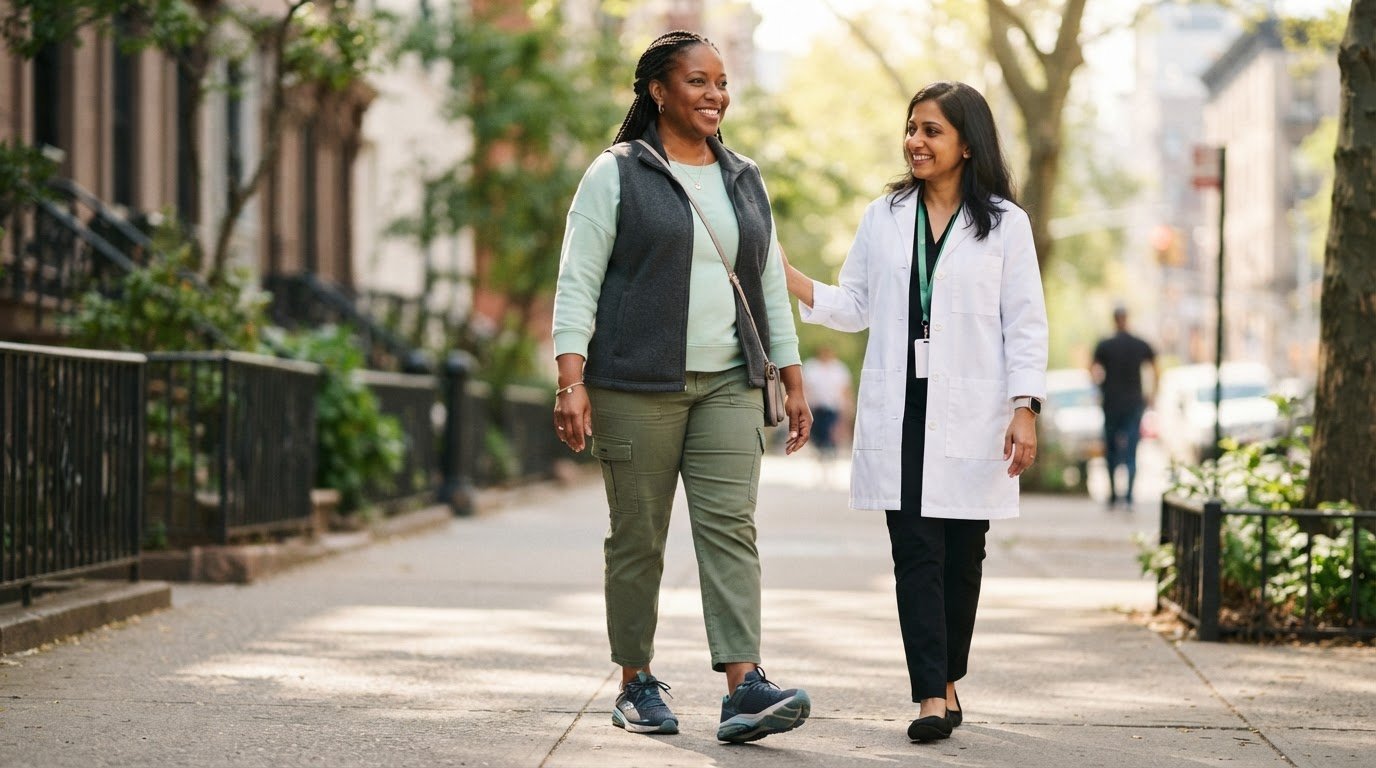
Living in Bay Ridge means you’re likely on your feet more than the average person. Whether you’re navigating the crowds at the 3rd Avenue Festival or walking the dog along the Shore Road Promenade, our neighborhood demands mobility. Brooklyn’s hard pavement is particularly unforgiving to misaligned joints. For those suffering from hallux valgus, the constant friction and pressure against the sidewalk can make every block feel like a struggle.
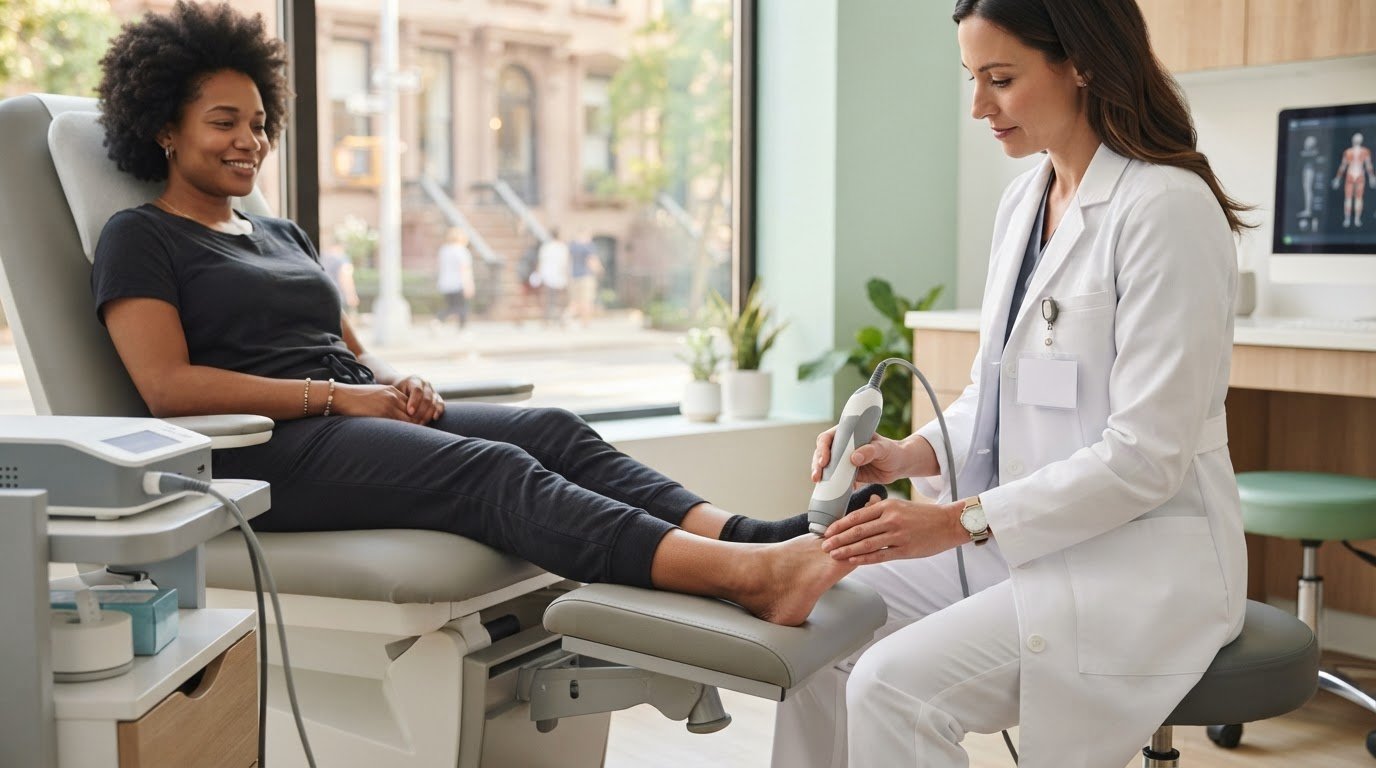
A general podiatrist is excellent for routine maintenance, but a surgical specialist brings a deeper focus to corrective procedures. When you consult a bunion specialist in Bay Ridge Brooklyn, you’re accessing expertise specifically tailored to structural reconstruction. We focus on the biomechanics of your foot to ensure that the solution isn’t just a temporary fix, but a way to restore your natural stride and long-term comfort.
Many patients find temporary relief through conservative care. We often suggest custom orthotics to help manage how your weight is distributed across your foot. While these tools are vital for comfort, they don’t correct the underlying bone structure. If you find that you’re still limiting your activities or struggling to find shoes that fit, a more permanent intervention may be necessary.
Symptoms That Require a Specialist’s Evaluation
It’s time to seek a professional opinion when your foot condition starts to dictate your daily choices. We recommend an evaluation if you experience:
- Persistent pain that doesn’t go away even when you switch to wider, more sensible footwear.
- Visible shifting of the big toe, which may begin to overlap with the second toe and cause secondary friction.
- Chronic inflammation and redness over the joint that makes your daily Brooklyn commute unbearable.
The Long-Term Risks of Delaying Treatment
Ignoring the problem won’t make it go away. Because a bunion is a progressive deformity, waiting too long can lead to secondary complications. These often include the development of painful hammertoes as your other digits try to compensate for the big toe’s misalignment. You might also face chronic bursitis or localized arthritis within the joint itself. Over time, an altered walking gait can even lead to secondary hip or knee pain, as your body tries to protect the sore foot. Early intervention with a bunion specialist in Bay Ridge Brooklyn helps prevent these cascading health issues and keeps you moving forward.
Modern Bunion Correction: Minimally Invasive vs. Traditional Surgery
In 2026, surgical technology has reached a point where we can offer highly personalized solutions for chronic foot pain. When you visit a bunion specialist in Bay Ridge Brooklyn, the conversation usually centers on two primary paths: traditional realignment or minimally invasive techniques. The goal is always the same; we want to restore your ability to walk comfortably without the constant pressure of a misaligned joint. The best approach for your feet depends on the severity of the deformity and your personal recovery goals.
Traditional Bunion Surgery: Precision for Complex Cases
Traditional surgery, often called an open bunionectomy, remains the gold standard for severe structural shifts. It involves a larger incision, which gives the surgeon full visibility to realign the bone and stabilize the joint with absolute precision. This approach is often necessary for recurring bunions or cases where the angle of the big toe is significantly compromised. We focus on long-term stability here to ensure the deformity doesn’t return, even after years of walking on Brooklyn’s unforgiving pavement.
Minimally Invasive Techniques: Faster Back-to-Activity
Minimally invasive surgery (MIS) has become a preferred option for many patients with mild to moderate deformities. By using ‘keyhole’ incisions that are often less than a centimeter long, we can correct the bone position with specialized instruments. Because we don’t need to disturb as much of the surrounding soft tissue, there’s typically less post-operative swelling and discomfort. For a busy New Yorker who needs to get back to the office or navigate the local commute, this reduced downtime is a significant advantage. Most MIS procedures require very few stitches, which also results in minimal scarring.
Choosing between minimally invasive vs. traditional surgery requires a detailed physical exam and high-quality imaging. We look at the grade of your deformity, your bone quality, and your daily activity levels. While MIS offers a quicker return to sneakers, traditional surgery might provide the structural integrity needed for a more complex correction. We always weigh these factors together to ensure you get the best possible outcome for your lifestyle.
If you’re unsure which path is right for your feet, scheduling a consultation with our team can help clarify your options and get you back on your feet faster.
Choosing the Best Podiatrist in Bay Ridge: Credentials to Look For
Finding the right surgeon is just as critical as the procedure itself. When you’re ready to address chronic foot pain, you need a partner who balances technical precision with an understanding of your personal goals. Not all foot doctors have the same level of training, so it’s vital to verify their qualifications before scheduling a procedure. A highly qualified bunion specialist in Bay Ridge Brooklyn should demonstrate a long-standing commitment to surgical excellence and patient safety.
The most important credential to look for is Board Certification by the American Board of Foot and Ankle Surgery (ABFAS). This certification isn’t just a title; it’s a rigorous standard that ensures your surgeon has completed extensive residency training and passed comprehensive exams. It serves as a benchmark for surgical competency. Beyond certification, consider the surgeon’s experience. A practitioner with over 20 years of clinical experience has encountered a vast range of foot structures and knows how to adapt techniques to achieve the best possible alignment.
Local hospital affiliations are another key indicator of quality. When a doctor has privileges at major medical centers in Brooklyn or Queens, it means they’ve undergone thorough peer review and adhere to strict safety protocols. Additionally, look for a practice that offers a full spectrum of care. A specialist who understands sports medicine and biomechanics can provide a more holistic approach, ensuring that your post-surgical recovery includes strategies to keep your feet healthy and active for years to come.
Questions to Ask During Your Bunion Consultation
Your initial consultation is the perfect time to gauge a surgeon’s expertise and communication style. We encourage patients to be proactive and ask specific questions about their care. Consider including these in your discussion:
- How many of these specific procedures do you perform annually? High volume often correlates with better outcomes and refined techniques.
- What’s your typical protocol for post-operative pain management? Understanding the plan for comfort helps alleviate anxiety before the big day.
- Which surgical facility do you use for outpatient procedures? Ensure the facility is accredited and convenient for your needs.
The Local Advantage: Why Proximity Matters for Post-Op Care
Living in Brooklyn means logistics play a major role in your healthcare decisions. Choosing a bunion specialist in Bay Ridge Brooklyn offers significant practical benefits during your recovery. You won’t have to worry about a long, uncomfortable commute across multiple boroughs for your follow-up appointments. If you have questions or need a quick check-up during the first week of healing, being close to your doctor’s office provides immense peace of mind. Furthermore, local providers often have established relationships with neighborhood pharmacies and physical therapy clinics, creating a seamless support network for your return to independence.

What to Expect After Bunion Surgery in Brooklyn
Recovery is where the expertise of your bunion specialist in Bay Ridge Brooklyn truly pays off. We understand that in our borough, “taking it easy” is often a challenge. The first 48 hours after your procedure are focused on managing inflammation and allowing the initial healing to begin. In a typical New York apartment, you’ll need to designate a comfortable spot where you can keep your foot elevated above the level of your heart. Applying ice for 20 minutes every hour is essential for controlling swelling and minimizing the need for pain medication.
The First Two Weeks: Protecting the Correction
During this initial phase, our priority is keeping the surgical site dry and undisturbed. We provide detailed guidance on using waterproof covers for showering to prevent infection. Your weight-bearing status will depend on the specific surgical technique we used to correct your deformity. Patients undergoing minimally invasive procedures typically follow a ‘weight-bearing as tolerated’ protocol, allowing for immediate, light pressure on the heel while using a protective surgical shoe. If a more complex traditional realignment was necessary, you might need a brief period of non-weight-bearing to ensure the bone stabilizes correctly.
Month One and Beyond: Returning to Activity
As you enter the second month, we begin the gradual reintroduction of activity. This stage is vital for regaining your independence. You can start with short, controlled walks on flat, predictable surfaces like the Shore Road Promenade. We often incorporate physical therapy at this point to restore flexibility to the toe joint and rebuild the strength of your arch. This helps address the “Brooklyn walking” challenge, where uneven sidewalks and long commutes can put extra stress on a recovering foot.
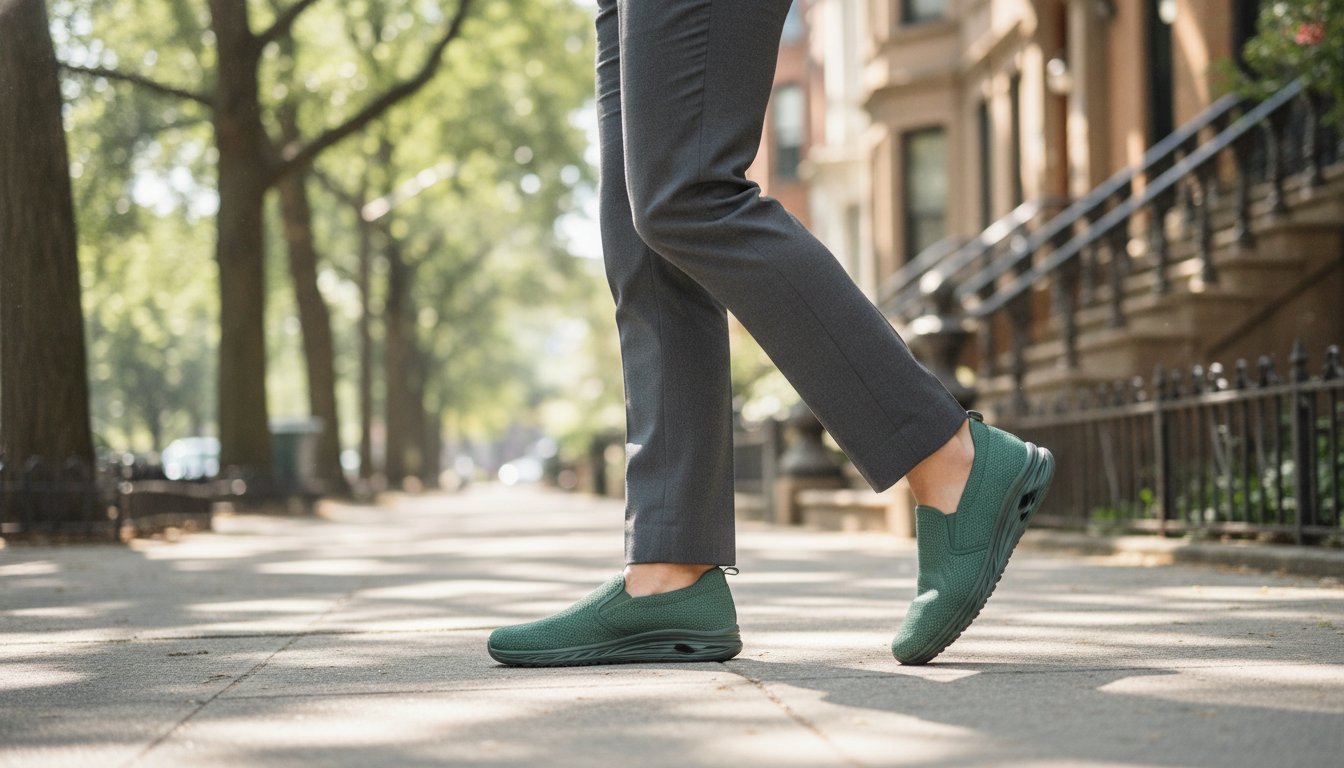
Transitioning back into normal footwear happens in stages. Most patients move from a surgical boot into supportive sneakers around the six-week mark. While you might be eager to return to dress shoes or narrow boots, these should be reintroduced slowly to avoid irritation. To protect your results and prevent future issues, we often recommend the long-term use of custom orthotics. These devices ensure your weight is distributed correctly as you navigate the city, keeping your feet aligned and pain-free.
If you’re ready to take the first step toward walking without pain, book your consultation with our surgical team to learn more about our personalized recovery plans.
Local Foot Doc: Expert Bunion Surgery for the Bay Ridge Community
Dr. Waldemar Majdanski brings more than 20 years of surgical experience to our practice. As a board-certified surgeon, he has dedicated his career to refining corrective procedures that allow patients to regain their independence. When you need a trusted bunion specialist in Bay Ridge Brooklyn, our team provides the clinical authority and compassionate care required to get you back on your feet. We don’t treat you like a chart number; we see you as a neighbor who deserves the highest standard of medical attention.
Our team is committed to providing expert bunion surgery in Queens and Brooklyn, ensuring that high-quality podiatric care is accessible right where you live. We combine advanced surgical technology with the personalized touch of a neighborhood doctor. This dual approach ensures you receive cutting-edge treatment without losing the human connection that’s so vital for a successful recovery. We prioritize your quality of life, focusing on results that keep you active in the community you love.
We understand that the logistics of medical care can feel overwhelming. Our office works closely with your insurance provider to coordinate coverage and explain your benefits clearly. Our goal is to ensure that finding a top-tier bunion specialist in Bay Ridge Brooklyn is a seamless process from your first phone call to your final follow-up. We handle the paperwork so you can focus entirely on your healing and mobility.
A Patient-Centered Experience in Bay Ridge
We believe that an informed patient is a confident patient. Our consultations are designed to be thorough, leaving plenty of room for you to ask questions about your specific condition. We take the time to explain the biomechanics of your deformity and the logic behind our recommended treatment plan. This educational focus helps reduce the anxiety often associated with the prospect of surgery. Our office provides a professional yet warm environment where local families feel at home. You’ll have direct access to our expert team throughout your journey, ensuring your pre- and post-operative questions are answered promptly.
Ready for Pain-Free Walking? Schedule Your Consult
Taking the first step toward recovery is simple. You can book your evaluation at our Brooklyn or Queens offices by calling us or using our online scheduling tool. To make your first visit as productive as possible, we recommend bringing any previous foot imaging, a brief history of the shoes that cause you the most discomfort, and your current insurance information. We’ll perform a detailed examination and discuss whether conservative care or a surgical correction is the best path forward for your lifestyle. Don’t let foot pain limit your Brooklyn lifestyle any longer.
Schedule your bunion consultation with Local Foot Doc today!
Reclaim Your Stride with Expert Local Care
You don’t have to let chronic foot pain dictate your daily route or keep you away from the activities you love. We’ve explored how understanding the structural nature of hallux valgus is the first step toward a permanent solution. Whether you require a traditional correction for complex realignment or a minimally invasive procedure for a faster return to your commute, the right clinical approach makes all the difference. Choosing a dedicated bunion specialist in Bay Ridge Brooklyn ensures you have a local partner who understands the physical demands of our city’s pavement.
With more than 20 years of experience serving families across Brooklyn and Queens, Dr. Waldemar Majdanski provides the board-certified surgical expertise you can trust. Our practice specializes in modern, minimally invasive techniques that prioritize your recovery and long-term mobility. We’re committed to helping you navigate our neighborhood with comfort and confidence once again. It’s time to stop managing the pain and start solving the problem.
Schedule Your Bunion Consultation with Dr. Majdanski today and take the first step toward your regained independence. We look forward to helping you walk pain-free through the streets of Brooklyn.
Frequently Asked Questions
How do I know if I need a bunion specialist or just better shoes?
If your pain persists even after switching to wide, sensible footwear, you likely need a professional evaluation. A bunion is a structural bone misalignment, not just a skin irritation, so better shoes can only mask the symptoms temporarily. We recommend seeing a specialist if you notice your big toe shifting toward your other toes or if inflammation makes walking through Bay Ridge difficult. A bunion specialist in Bay Ridge Brooklyn can perform imaging to determine the exact degree of the deformity.
Is bunion surgery covered by insurance in New York?
Bunion surgery is typically covered by insurance when it’s medically necessary to resolve chronic pain or functional limitations. Most New York plans recognize that untreated deformities lead to secondary issues like hammertoes or arthritis. While cosmetic procedures aren’t covered, our office works with various providers to verify your specific benefits. We help you understand your coverage before moving forward with any surgical plan to ensure your care remains accessible and predictable.
How long is the recovery before I can walk to the subway after surgery?
Returning to your subway commute usually requires 4 to 6 weeks of healing, depending on the complexity of your procedure. While you might be walking in a protective boot within days, the stairs and crowds at the 86th Street station demand significant stability. We monitor your progress closely to ensure the bone has fused sufficiently before you navigate the city’s uneven pavement. Minimally invasive options often allow for a slightly faster return to activity.
What is the success rate of minimally invasive bunion surgery?
Minimally invasive bunion surgery has become a preferred option due to its high success in reducing post-operative swelling and scarring. By using small incisions, we preserve more of the surrounding tissue, which helps the foot heal with less stiffness. While results vary based on the severity of the initial deformity, most patients report a significant return to their favorite activities. Success is further supported by following a personalized recovery plan and wearing supportive footwear long-term.
Can bunions come back after they have been surgically removed?
Recurrence is rare when the surgical procedure addresses the underlying structural shift of the metatarsal bone. Simply removing the bony bump without realigning the joint often leads to the bunion returning over time. We use advanced techniques to secure the bone in its correct position, which provides lasting stability. To protect your results, it’s important to avoid narrow, pointed shoes and use custom orthotics if your foot structure predisposes you to misalignment.
Will I need physical therapy after my bunion procedure in Bay Ridge?
Physical therapy is a vital component of the recovery process for many of our patients. These sessions focus on restoring the range of motion in your big toe and strengthening the muscles that support your arch. Regaining this flexibility is essential for a natural walking gait, especially when navigating the long blocks of Brooklyn. Our team coordinates with local physical therapists to ensure your rehabilitation aligns perfectly with your specific surgical correction and lifestyle.
How soon can I drive after having surgery on my right foot?
If your surgery was on the right foot, you can usually expect to wait 4 to 6 weeks before driving again. You must be able to move your foot quickly and apply enough pressure for an emergency stop without pain. Additionally, you cannot drive while taking prescription pain medication. If you had surgery on your left foot and drive an automatic vehicle, you might return to the driver’s seat much sooner, provided you feel stable.
Are there non-surgical specialists for bunions at Local Foot Doc?
Our practice offers several non-surgical treatments designed to manage discomfort and slow the progression of hallux valgus. We provide custom orthotics that realign how your weight is distributed, which can significantly reduce pressure on the joint. While these conservative methods don’t fix the bone deformity, they’re excellent for patients in the early stages. Consulting a bunion specialist in Bay Ridge Brooklyn early allows us to implement these strategies before surgery becomes the only option.