

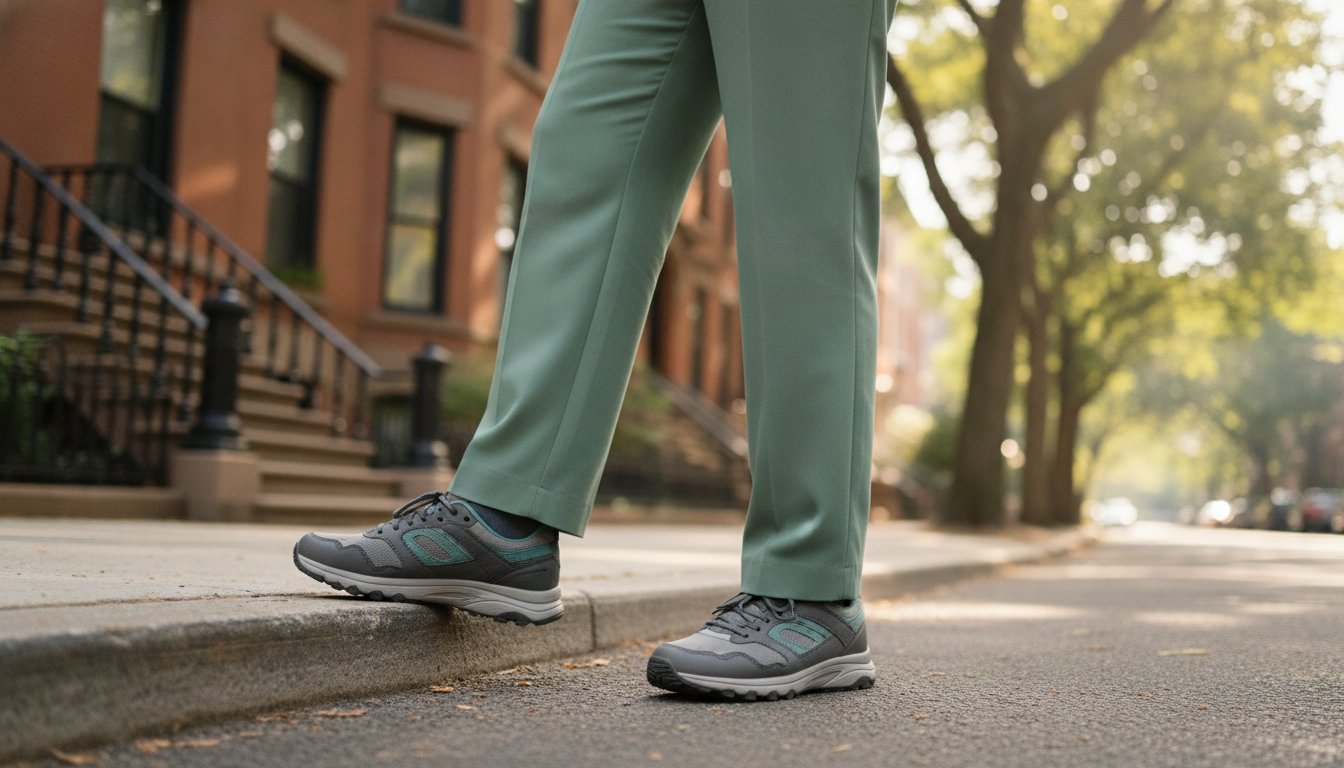
Did you know that falls are the leading cause of injury-related death and hospitalization for New Yorkers over 60? It is a frightening reality, especially when you are navigating the uneven sidewalks of Forest Hills or the busy streets of Astoria. We understand that the fear of a hip fracture or a sudden loss of independence weighs heavily on your mind. Many seniors focus on grab bars and rug removal, but the real foundation of stability starts much lower. Specialized foot care for fall prevention in seniors Queens is often the missing piece of the safety puzzle that keeps you moving confidently.
We believe that maintaining your mobility shouldn’t feel like a constant struggle against pain or instability. You’ll discover how specialized foot care can drastically reduce fall risks and help you maintain your independence with our comprehensive 2026 safety checklist. This guide offers a clear, professional plan to help you reclaim your balance by addressing common issues like bunions, hammertoes, and the need for custom orthotics. We will walk you through the essential steps to reduce foot pain, improve your gait, and find the expert local care you need to stay active in the community you love.
Key Takeaways
- Learn how your feet act as sensory anchors for your brain and why even minor discomfort can disrupt the balance required to navigate New York City streets.
- Understand the specific mechanical risks of bunions and hammertoes, including how they weaken your stride and increase the likelihood of catching your toe on rugs or thresholds.
- Identify the “death trap” features of common senior footwear and why transitioning to structured walking shoes is a vital step for home safety.
- Implement our 2026 daily 60-second inspection routine for foot care for fall prevention in seniors Queens to catch warning signs before they lead to a serious injury.
- Discover how professional gait analysis and muscle testing at our local clinics can help you reclaim your independence and stay active in your community.
The Critical Link Between Foot Health and Senior Falls in Queens
Your feet are your body’s primary contact with the world. They function as sophisticated sensors that constantly feed information to your brain about the ground beneath you. This process is called proprioception. It’s how your nervous system knows exactly where your feet are in space without you having to look down at them. When your feet are healthy, you move with a natural, steady rhythm. However, when chronic pain enters the picture, your body instinctively tries to protect the area by shifting your weight. This results in an “antalgic gait,” which is essentially a limp that disrupts your natural center of gravity and makes you much more likely to stumble.
In a borough like Queens, the environment demands high-level stability. We see patients every day who struggle with the cracked, uneven sidewalks of Woodhaven or the steep, narrow subway stairs at the Forest Hills-71st Av station. These local obstacles turn a minor gait abnormality into a major safety hazard. A specialized Queens podiatrist plays a vital role in your safety plan by identifying these subtle shifts in walking patterns before they lead to a trip. Professional foot care for fall prevention in seniors Queens focuses on restoring natural alignment and sensory feedback to keep you moving safely through your neighborhood.
Why Balance Starts at the Base
As we age, the sensory receptors in the soles of our feet naturally become less sensitive. This decline is often worsened by physical barriers like thick calluses or numb spots caused by neuropathy. These issues act like static on a radio, masking the important feedback your brain needs to maintain balance. A proprioceptive deficit refers to the reduced ability of the brain to perceive the position of the feet, acting as a significant and preventable risk factor for falls in the 2026 senior population. Prioritizing foot care for fall prevention in seniors Queens allows us to clear these sensory blocks through professional treatment of skin conditions and nerve management.
The High Stakes of a Fall in New York City
The consequences of a fall in NYC are often life-altering. Falls are currently the leading cause of injury-related death and hospitalization for New Yorkers aged 60 and older. Beyond the immediate physical trauma, the financial burden of hospitalizations can be overwhelming, with medical costs mounting quickly after a hip fracture. There is also a profound psychological toll known as the “fear of falling” cycle. When you lose confidence in your footing, you naturally begin to avoid activity. This sedentary lifestyle leads to muscle atrophy and stiffer joints, which unfortunately makes another fall even more likely. We encourage our neighbors to adopt proactive fall prevention strategies that address stability from the ground up. If you’re managing chronic conditions, our diabetic foot care Brooklyn guide offers deeper insights into protecting your mobility when nerve health is a primary concern.
Common Podiatric Conditions That Increase Fall Risk
While home modifications like grab bars are vital, the biological foundation of your balance lies within the structure of your feet. Many seniors overlook how common ailments like bunions or fungal nails subtly change their gait over time. When these conditions go untreated, they act as silent contributors to instability. Professional foot care for fall prevention in seniors Queens focuses on identifying these mechanical flaws before they lead to a dangerous slip. By addressing the root cause of your discomfort, we can help you maintain the steady footing required for a busy New York lifestyle.
Structural Deformities: Bunions and Hammertoes
A bunion isn’t just a painful bump; it’s a structural shift that moves the big toe out of alignment. This misalignment weakens the “push-off” phase of your step, which reduces the surface area of your foot in contact with the ground. This lack of contact makes your foundation feel shaky and less reliable. Similarly, hammertoes create a curled toe profile that often leads to “toe-catch” on area rugs or door thresholds. These deformities also make finding stable, safe footwear nearly impossible, as standard shoes often pinch or rub the affected joints. We often find that bunion surgery in Queens is a transformative solution that restores a wide, stable platform for walking.
Long, overgrown, or thickened fungal nails are more than just a cosmetic concern. They force you to shift your weight to avoid pressure, which changes how you place your foot on the pavement. Sudden, sharp pain from untreated plantar fasciitis can be even more hazardous. A sudden “zapping” sensation in the heel while crossing a busy Queens intersection can cause a senior to flinch or trip. If you’ve noticed your balance shifting, it’s time to seek a professional podiatric evaluation to ensure your foundation is secure.
Diabetic Neuropathy and Numbness
Living with diabetes adds a layer of complexity to senior safety. Diabetic neuropathy often causes numbness, which means you can’t feel the ground feedback we discussed earlier. Not feeling your feet is a recipe for disaster on the uneven pavement found throughout Astoria or Forest Hills. Without that sensory input, your brain can’t adjust your balance to compensate for a crack in the sidewalk or a slick spot. Small sores or blisters can also develop unnoticed, leading to infection or further gait changes as your body instinctively tries to protect the injured area. Regular professional monitoring is essential for diabetic seniors to catch these issues early. Effective foot care for fall prevention in seniors Queens involves managing these chronic symptoms to prevent a life-altering injury.
Footwear vs. Fall Risk: A Comparison for Queens Seniors
Choosing the right shoe is one of the most immediate ways to improve your safety. Many seniors prioritize comfort by choosing soft, loose-fitting shoes, but these often lack the structural integrity needed to prevent an ankle roll. In the context of foot care for fall prevention in seniors Queens, we look for two specific medical features: a firm heel counter and torsional rigidity. A heel counter is the stiff part at the back of the shoe that stabilizes the heel. Torsional rigidity means the shoe doesn’t twist easily in the middle. These features work together to keep your foot from sliding or rolling on the uneven pavement of Woodhaven or Astoria.
Queens weather in 2026 has already shown us how unpredictable rain and early snow can make sidewalks treacherous. A “Death Trap” shoe usually has a slick, worn-out sole or a backless design. Without a rubberized, high-traction grip, you’re at the mercy of every wet patch on the sidewalk. We recommend shoes with a deep tread pattern to displace water and provide a secure grip on various surfaces. This is especially important when navigating the transition from a wet sidewalk to a tiled building lobby.
The Danger of the “Comfortable” Slipper
It’s a common myth that soft, fuzzy slippers are the safest choice for indoor use. In reality, loose slippers allow the foot to slide around, which forces your toes to “grip” the shoe just to keep it on. This constant gripping creates muscle fatigue and instability. Backless slippers are particularly dangerous on stairs, as they can easily slip off or catch on the edge of a step. We recommend a dedicated “house shoe” that features a firm sole and an adjustable closure, such as Velcro or laces. This ensures the shoe stays securely attached to your foot while providing the same protection you’d expect outdoors.
Custom Orthotics: More Than Just Arch Support
While many people think of arch support as a comfort feature, custom orthotics are actually precision-engineered stability tools. Unlike generic drugstore inserts that offer a one-size-fits-all cushion, professional medical orthotics are molded to your unique foot shape. They realign the joints of the foot to optimize your balance and distribute weight evenly across the entire surface. Dr. Majdanski frequently uses these as a non-surgical stability intervention for those struggling with gait issues. By correcting the underlying mechanical alignment, custom orthotics become a cornerstone of foot care for fall prevention in seniors Queens, helping you walk with renewed confidence and independence.

The 2026 Queens Senior Fall Prevention Foot Care Checklist
Prevention is a daily commitment that starts before you even put on your shoes. While we often focus on external hazards, your internal “early warning system” lies in the condition of your skin, nails, and circulation. By spending just 60 seconds each morning on your feet, you can identify minor issues before they disrupt your balance or cause a painful limp. This proactive approach to foot care for fall prevention in seniors Queens is your best defense against the unexpected tumbles that often occur on busy New York City streets.
Daily Self-Inspection Steps
We recommend performing your inspection in a well lit room immediately after waking up. If your flexibility is limited, use a long-handled hand mirror to see the soles of your feet and the spaces between your toes. You’re looking for any new redness, swelling, or calluses that weren’t there the day before. These are often signs of localized pressure that could lead to a blister or an ulcer, both of which will change how you walk.
Check your skin “turgor” by gently pinching the skin on the top of your foot. If it doesn’t snap back quickly, you may be dehydrated, which can affect your overall balance. Feel for temperature changes as well. If one foot feels significantly colder than the other, it could indicate a circulation issue that requires professional attention. Finally, ensure your toenails are trimmed straight across. Thick or jagged nails can snag on your socks or the inside of your shoe, causing a sudden flinch that leads to a trip. Maintaining these hygiene practices prevents slippery fungal infections and painful ingrowns from becoming stability hazards.
Queens-Specific Mobility Tips
Navigating our borough requires a specific set of skills. Whether you’re walking the cobblestones in certain historic pockets of Astoria or the uneven, tree-root-lifted sidewalks of Forest Hills, your focus should remain on the path ahead. When using the MTA, always wait for the bus or subway car to come to a complete stop before standing. Use the handrails consistently, even if you feel steady, as sudden jolts are common.
Queens weather in 2026 can make these surfaces even more treacherous, so always check for salt or ice patches near building entrances. It’s also vital to carry the contact information for your podiatrist in Forest Hills for any urgent foot injuries or sudden changes in your walking ability. If you notice a “Red Flag” symptom like sudden numbness, a non-healing sore, or sharp heel pain, don’t wait for your next scheduled checkup. You should schedule a stability assessment immediately to secure your foundation and protect your independence.
Professional Fall Prevention Assessment at Local Foot Doc
While a daily home checklist is an excellent first step, a professional clinical evaluation provides the precision needed to truly secure your foundation. At Local Foot Doc, we believe that your safety shouldn’t be left to chance. Dr. Waldemar Majdanski uses his 20 years of clinical experience in New York City to perform deep gait analysis and muscle testing. This process allows us to identify subtle mechanical failures that a mirror or a self-check might miss. Our goal is to provide comprehensive foot care for fall prevention in seniors Queens by addressing issues like alignment and nerve response before they lead to an emergency room visit.
We don’t work in isolation. Our team coordinates closely with your primary care doctors to ensure your foot health is integrated into your total fall prevention strategy. Whether you’re visiting our clinics in Forest Hills, Astoria, or Woodhaven, you’ll find that our locations are designed for easy access. We prioritize immediate stability through personalized treatment plans that may include custom orthotics, hammertoe correction, or bunion surgery to restore a wide, reliable walking platform.
What to Expect During Your Evaluation
Your visit begins with a detailed review of your medical history and any “near-miss” incidents where you may have stumbled or felt off-balance. We then perform a physical examination of your structural alignment and nerve function to check for signs of neuropathy. A unique part of our assessment is the footwear critique. We ask that you bring your most-worn shoes, including those “comfortable” slippers, so we can evaluate their wear patterns and safety features. This evaluation helps us determine if your current footwear is supporting your balance or actively undermining it.
Regaining Your Independence in Queens
The ultimate goal of our care is the symbolic and literal promise of regained independence. We’ve seen countless success stories of seniors who once feared leaving their homes now returning to their daily walks in Forest Park or Flushing Meadows. Proactive care is the key to breaking the cycle of fear that often follows a close call. We invite you to visit our Queens clinics for a 2026 safety check. By securing your footing now, you can continue to enjoy everything our community has to offer without the constant anxiety of a fall. Professional foot care for fall prevention in seniors Queens is an investment in your quality of life and your ability to stay active for years to come.
Secure Your Foundation for a Confident Future
We have explored how structural issues like bunions and improper footwear can subtly derail your stability. By implementing a daily inspection routine and choosing shoes with firm support, you can significantly lower your risk of a life-altering injury. Prioritizing foot care for fall prevention in seniors Queens is about more than just comfort; it’s about protecting your right to move freely through the streets you love. Our practice, led by board-certified surgeon Dr. Waldemar Majdanski, offers a specialized focus on geriatric mobility and independence.
With convenient locations in Forest Hills, Astoria, and Woodhaven, we provide the expert guidance needed to keep you steady on your feet. Don’t wait for a near-miss to become a reality. We are here to help you navigate the 2026 landscape with confidence and strength. Schedule Your Senior Fall Prevention Assessment at Local Foot Doc Today and take a proactive step toward a safer, more active life in your community. You have worked hard for your independence, and we are dedicated to helping you keep it.
Frequently Asked Questions
How often should a senior in Queens see a podiatrist for fall prevention?
Seniors should ideally schedule a professional stability evaluation once every six to twelve months. This frequency ensures that subtle changes in gait or structural alignment are caught before they lead to a tumble. If you manage chronic conditions like diabetes or suffer from persistent heel pain, quarterly visits are often recommended. Our clinics in Forest Hills, Astoria, and Woodhaven specialize in these routine checks to keep you moving safely through your neighborhood.
Can bunion surgery actually improve my balance as I get older?
Correcting a bunion restores the natural alignment of your big toe, which is essential for a stable push-off during each step. When the big toe is displaced, your base of support narrows and your center of gravity shifts. Bunion surgery creates a wider, more reliable platform for walking. This structural restoration directly improves your balance and reduces the likelihood of stumbling on the uneven sidewalks found throughout various Queens districts.
What are the best types of shoes for seniors to prevent falls at home?
The safest footwear for indoor use features a firm, non-slip rubber sole, a stiff heel counter, and a secure, adjustable closure. While soft, backless slippers feel comfortable, they lack the torsional rigidity needed to prevent ankle rolls. We recommend a dedicated house shoe that stays firmly attached to your foot. This prevents the toe-gripping habit that causes muscle fatigue and instability when you’re navigating stairs or transitions between different types of flooring.
Is foot numbness a normal part of aging, or is it a fall risk?
Foot numbness is never a normal part of aging and represents a significant fall risk for seniors. This loss of sensation, often caused by neuropathy, prevents your brain from receiving critical feedback about the ground texture or slope. Without this sensory input, you can’t adjust your balance to compensate for cracks in the pavement. We provide specialized diabetic foot care to monitor these symptoms and help you maintain your independence despite sensory changes.
Does Medicare cover fall prevention foot assessments in New York?
Medicare Part B generally covers podiatry services that are medically necessary to treat injuries or diseases like bunion deformities and hammertoes. In 2026, the annual Part B deductible is $283. While routine foot care for comfort isn’t usually covered, assessments for seniors with systemic conditions like diabetes are included. We recommend checking your specific plan details, as many New York Medicaid plans also cover medically necessary treatments that support senior mobility and safety.
How do custom orthotics help with senior stability on Queens sidewalks?
Custom orthotics are precision-engineered stability tools that realign the joints of your feet to optimize your natural balance. On the varied terrain of Queens, these inserts distribute your body weight evenly across the entire foot surface. This correction is vital for foot care for fall prevention in seniors Queens because it prevents the compensatory limping that often leads to trips. Unlike generic drugstore cushions, these are molded specifically to your unique foot structure for maximum support.
What should I do if I notice a sudden change in my walking pattern?
You should contact a podiatrist immediately if you notice a sudden limp, a change in your stride, or a new heaviness in your feet. These shifts are often red flags for underlying nerve issues or structural fatigue that can cause a dangerous fall. We offer comprehensive gait analysis at our local clinics to identify the root cause. Addressing these changes early allows us to implement non-surgical interventions that restore your confidence and walking rhythm.
Can long toenails really cause an elderly person to trip and fall?
Thickened or overgrown toenails are a common yet overlooked cause of senior falls. Long nails can snag on the fabric of your socks or catch on the edge of a step, causing a sudden flinch that disrupts your balance. Additionally, the pain from a nail pressing against the front of your shoe can force you to walk on the side of your foot. This altered gait makes you much more likely to lose your footing unexpectedly.




