Imagine sitting down to trim your toenails only to realize your reach isn’t what it used to be, and those once-simple clippers can’t quite handle the thickened, brittle texture of your nails. For many of our neighbors in Forest Hills or Astoria, finding a reliable way to manage safe toenail trimming for seniors in Queens often brings a wave of anxiety rather than a sense of routine. We understand that maintaining independence starts from the ground up, yet the physical challenges of aging can make basic foot hygiene feel like a risky ordeal. You likely worry about accidental nicks or the development of painful ingrown nails, especially if you’re managing a condition like diabetes.
This guide provides the essential knowledge to help you distinguish between manageable home care and the moments when professional medical intervention becomes necessary for your safety. We’ll explore specialized tools for mobility issues, the unique risks facing diabetic feet, and how our local clinical team helps you regain the comfort of pain-free walking. Our goal is to ensure that every step you take in our community is one of confidence and ease. By understanding the transition from routine grooming to medical podiatry, you can protect your mobility for years to come.
Key Takeaways
- Understand why aging causes nails to thicken and how these changes can directly impact your balance and daily mobility.
- Master the necessary preparation steps for safe toenail trimming for seniors in Queens, including the vital role of nail softening.
- Learn to recognize the specific “red flags,” such as neuropathy or persistent redness, that signal it’s time to stop home care.
- Discover the critical safety differences between medical-grade sterilization in a podiatry office and the standards of a cosmetic salon.
- Explore how specialized care in Forest Hills, Astoria, and Woodhaven helps you maintain your independence and return to a more active lifestyle.
Why Senior Toenail Care is a Vital Health Priority in 2026
As we age, our bodies undergo shifts that turn once-simple grooming tasks into complex health challenges. In 2026, we recognize that foot hygiene is not just about appearance; it’s a foundational pillar of senior mobility. Many residents find that standard drug-store clippers are no longer effective against nails that have become dense, curved, or brittle. This is where the distinction between a basic trim and medical nail debridement becomes crucial. While trimming simply shortens the length, debridement involves the professional reduction of nail thickness and the removal of devitalized tissue using specialized clinical tools. Thickened nails, known clinically as onychogryphosis, shift a person’s center of gravity and alter their natural gait, significantly increasing the risk of imbalance and falls. For those seeking safe toenail trimming for seniors in Queens, understanding these biological changes is the first step toward preventing long-term complications.
The Physiological Changes of Aging Feet
Aging feet face a “perfect storm” of biological changes. Decreased peripheral blood flow means that the skin on the toes becomes thinner and less resilient. A minor nick from a shaky hand during home care doesn’t just hurt; it heals slower and can invite serious infection. Additionally, the loss of natural fat padding on the soles changes the way seniors distribute their weight and feel the ground beneath them. Brittle nails often develop microscopic cracks that serve as entry points for pathogens. This leads to chronic fungal infections that are difficult to treat without professional intervention. We often see patients who have struggled for months with home tools that simply aren’t designed for the structural changes of an aging nail plate.
The Connection Between Foot Health and Independence
Maintaining foot health is the key to staying active in our vibrant Queens neighborhoods. When toenails are too long or thick, they press against the toe box of the shoe, causing a painful “antalgic gait” where the person limps to avoid discomfort. This compensatory walking style is a leading contributor to falls within the home. By prioritizing safe toenail trimming for seniors in Queens, we help our neighbors in Forest Hills and Astoria continue their daily walks, grocery trips, and social engagements. Beyond the physical benefits, the psychological relief of walking without pain cannot be overstated. It fosters a sense of independence and reduces the anxiety often associated with the fear of tripping. Our goal is to ensure that a simple issue like a long toenail never stands in the way of a resident’s quality of life or their ability to enjoy our local community.
Safe Toenail Trimming for Seniors: A Step-by-Step Home Guide
Performing safe toenail trimming for seniors in Queens requires more than just a pair of clippers; it requires a focused, clinical approach to prevent injury. We recommend starting with a dedicated workspace. Never attempt to trim nails in a dark room or while sitting in an unstable position. Choose a sturdy chair in a well-lit area where you can clearly see the contours of each toe. If you’re a caregiver, positioning yourself at a comfortable height ensures you won’t strain your back or lose the precision needed to avoid accidental nicks. Creating this “home clinic” environment is the first step in maintaining your independence and foot health.
Preparation and Softening Techniques
Senior nails often become dehydrated, leading to a hard, bone-like texture that standard tools can’t penetrate. To manage this, soak the feet in warm (not hot) water for 10 to 15 minutes. Adding a mild moisturizing soap helps the nail plate regain flexibility, which prevents the nail from shattering or cracking under the pressure of the clippers. After the soak, dry the feet thoroughly with a soft towel. It’s vital to dry the spaces between the toes completely, as lingering moisture can lead to skin breakdown or fungal infections. This simple preparation makes the actual trimming process much smoother and safer for fragile skin.
The Correct Trimming Technique
Using the right tools is non-negotiable. Standard fingernail clippers are often too weak for senior nails and can slip, causing painful cuts. We suggest using medical-grade toenail nippers that provide better leverage and control. When you’re ready to cut, follow these steps for the best results:
- Cut straight across: Avoid rounding the corners, which is the primary cause of painful ingrown nails.
- Use small nips: Make several small, straight cuts instead of trying to clip the entire nail in one go.
- Leave a visible edge: Always leave a small amount of the white free edge to protect the underlying nail bed.
- File, don’t dig: If the corners feel sharp, use an emery board to smooth them gently in one direction.
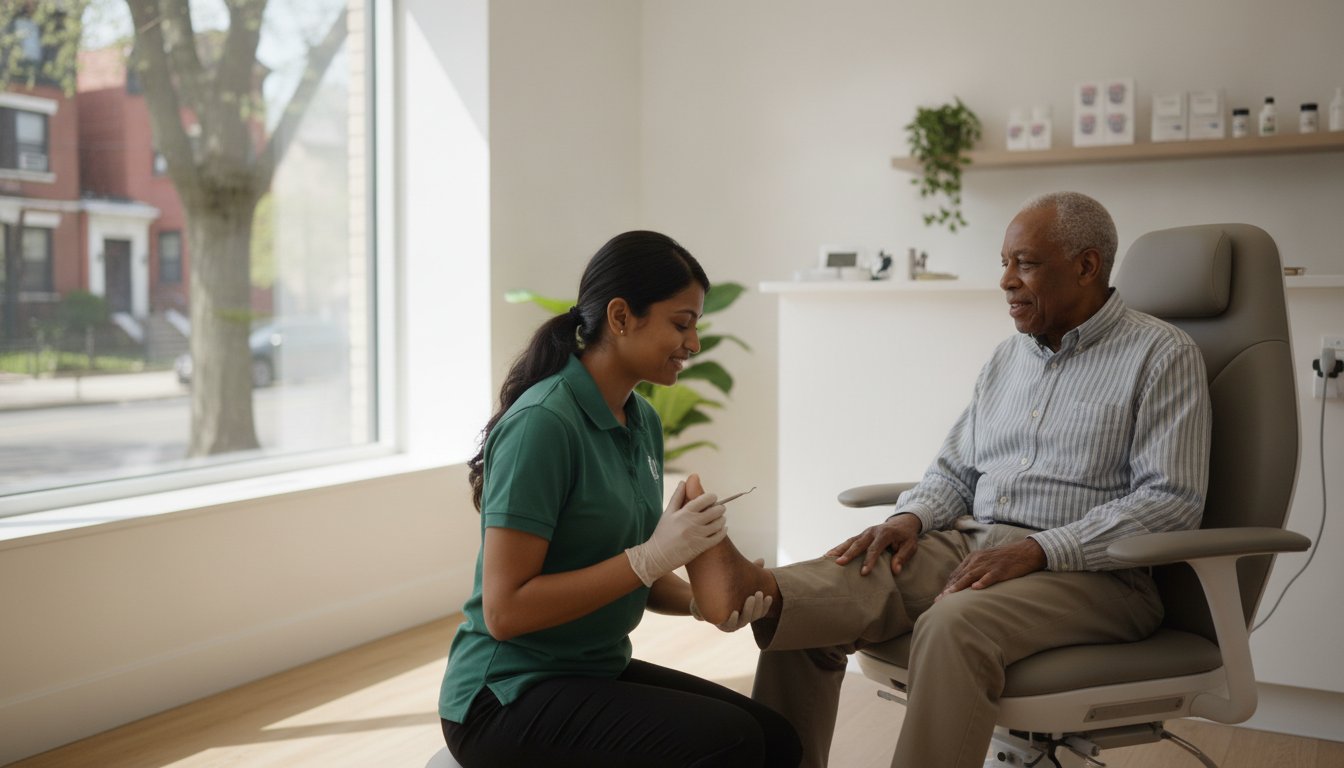
While these techniques help many residents maintain their routine, we understand that physical limitations can make this task daunting. If you struggle with thick nails or find it hard to reach your feet, our team provides specialized diabetic foot care and professional maintenance to ensure your continued mobility. Mastering safe toenail trimming for seniors in Queens is a partnership between your home habits and professional support.
Red Flags: When Home Trimming Becomes Dangerous
While the home care steps mentioned previously work for many, there’s a point where routine grooming crosses the line into medical risk. Identifying these “red flags” early can be the difference between a quick office visit and a long recovery from a serious infection. For many, the desire to remain self-sufficient leads to attempting “bathroom surgery” on a corn or callus; however, using non-sterile household tools to cut into live tissue is a medical emergency that often results in deep-seated infections. If you’re unsure about the safety of your current routine, prioritizing safe toenail trimming for seniors in Queens through a clinical evaluation is the most reliable path forward.
The Diabetic Foot Risk Factor
For seniors living with diabetes, the rules for foot care change entirely. Peripheral neuropathy often numbs the feet, meaning a person might not feel a deep cut or a puncture wound caused by a slipped clipper. Without the sensation of pain, these minor injuries can quickly evolve into unnoticed ulcers. Additionally, poor circulation common in older adults slows the body’s natural immune response, making it harder to fight off even a small bacterial invasion. Because of these elevated risks, we strongly advise that diabetic patients avoid home nail trimming altogether. For more detailed safety protocols, you can read our guide on diabetic foot care Brooklyn to understand how we protect your long-term mobility.
Signs You Need a Queens Podiatrist Immediately
It’s important to distinguish between a simple long nail and an underlying pathology. If you notice persistent redness, warmth, or swelling around the nail border, you may be developing paronychia, a bacterial infection often caused by an ingrown nail. Similarly, discoloration isn’t always just a bruise from a tight shoe. Yellow, crumbly, or excessively thick nails often indicate a fungal infection that has compromised the nail structure. When nails become so dense that standard clippers cannot penetrate them, forcing the cut only leads to painful splitting. If sudden pain prevents you from wearing shoes or walking normally through your neighborhood, it’s a clear signal that your foot health requires professional attention. Seeking safe toenail trimming for seniors in Queens at our practice ensures that these issues are treated with sterile, surgical-grade precision rather than guesswork at home.

Medical Podiatry vs. Cosmetic Salons: Choosing Safely in Queens
Many Queens residents view a trip to the nail salon as a relaxing ritual. While salons are excellent for aesthetic improvements, they aren’t equipped to handle the complexities of aging feet. A common misconception involves the term “medical pedicure.” In a salon, this is often just a slightly more intensive cleaning. In a clinical setting, it’s a medical procedure performed under strict safety protocols. Choosing safe toenail trimming for seniors in Queens means prioritizing infection control over convenience. It’s about the difference between a cosmetic fix and clinical care.
The standard for cleanliness differs significantly between these two environments. Salons typically use “barbicide,” that blue liquid you see on the counter. While it kills some germs, it doesn’t achieve the total sterilization of a medical autoclave. An autoclave uses high-pressure steam to destroy all microbial life, including resilient spores. When we treat you, every tool is surgically sterile. We also look at your medical history. A podiatrist understands how your heart medication or history of vascular issues affects your foot health. A nail technician simply doesn’t have that training. Investing in medical care now provides immense value by preventing the expensive and painful emergency complications that arise from salon-acquired infections.
The Risks of the Standard Nail Salon
Whirlpool foot baths are a major concern for seniors. These systems often have internal pipes where bacteria and fungi create “biofilms.” Even if the basin looks clean, the water circulating through the jets can harbor pathogens. For someone with a weakened immune system, this is a significant risk. Additionally, technicians often cut cuticles aggressively. For a senior, even a microscopic tear in the skin can lead to cellulitis. Technicians aren’t trained to spot the subtle signs of neuropathy or poor circulation that we monitor during every visit. They focus on the look, while we focus on the limb.
The Podiatric Advantage at Local Foot Doc
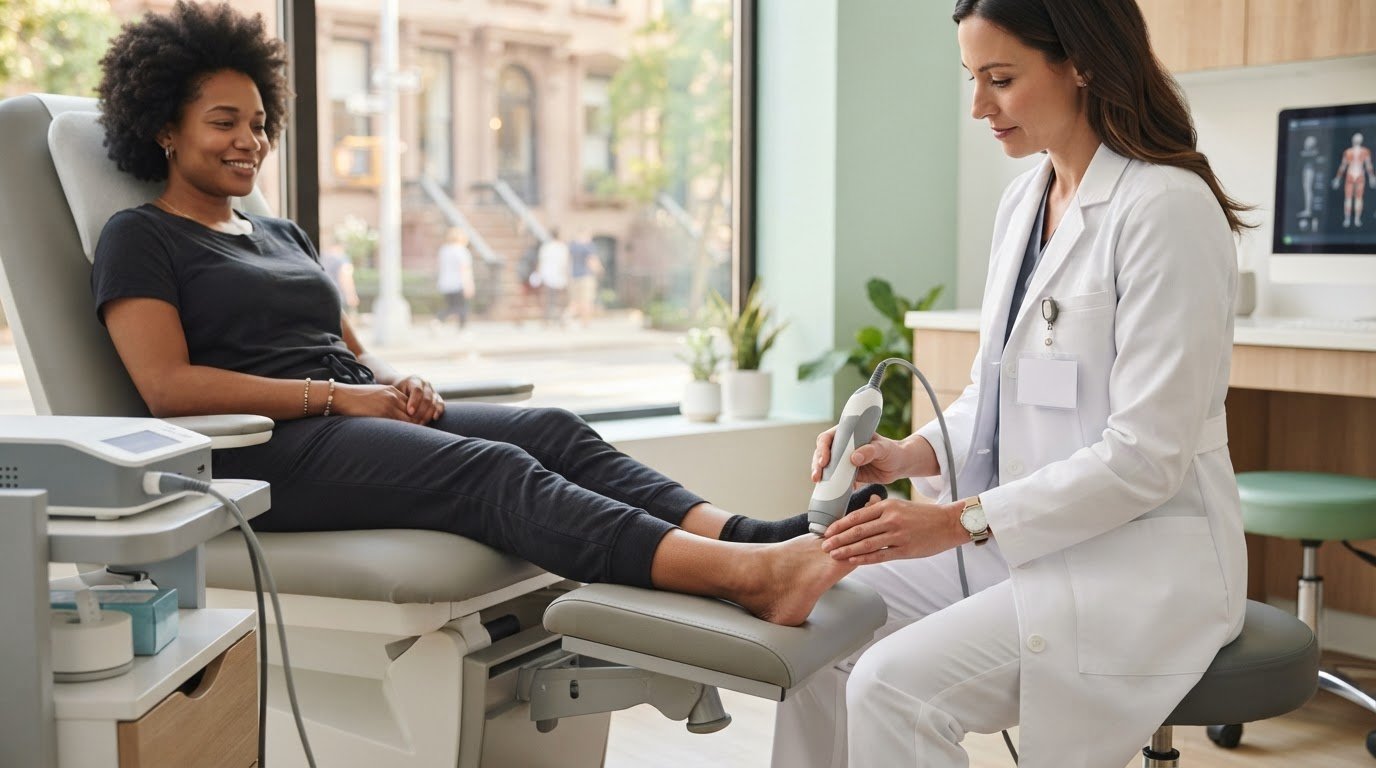
At our practice, we use professional debridement techniques. This involves sterile, medical-grade nippers and specialized burrs that gently reduce nail thickness without damaging the surrounding tissue. We don’t just cut the nails; we assess your footwear and gait to see why your nails are thickening in the first place. This proactive approach prevents the need for more invasive treatments later. If you’re looking for the Best Podiatrist in Forest Hills, NY, our team is ready to help you maintain your independence. To ensure your feet remain healthy and your mobility stays intact, schedule a medical foot care consultation at one of our three Queens locations today.
Accessing Professional Senior Foot Care at Local Foot Doc
At Local Foot Doc, we believe that high-quality medical care should be a cornerstone of our local community. Led by Dr. Waldemar Majdanski, a board-certified surgeon with over 20 years of clinical experience in NYC, our practice is dedicated to helping you maintain an active and fulfilling lifestyle. We specialize in providing safe toenail trimming for seniors in Queens, ensuring that every patient receives the individual attention they deserve. Rather than the rushed atmosphere of a corporate clinic, we offer a partnership where your comfort and long-term mobility are the primary goals. We treat our patients like neighbors, fostering a sense of collective care that invites you into the healing process from the very first visit.
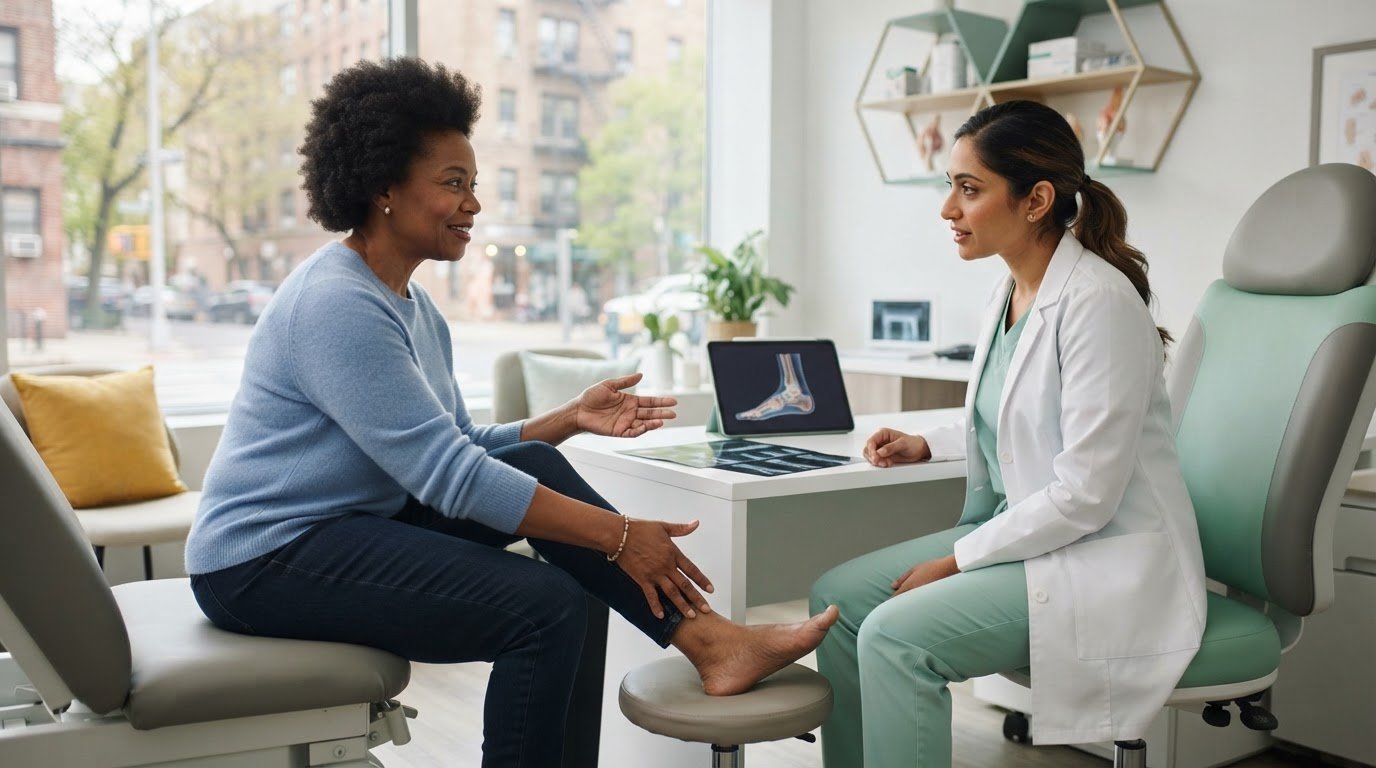
During your initial senior nail care consultation, we do more than just address your immediate symptoms. We perform a comprehensive evaluation of your foot health, including a review of your medical history, vascular health, and skin integrity. This thorough approach allows us to identify potential risks like fungal infections or diabetic complications before they become serious. We take the time to explain the underlying causes of any discomfort, offering a clear and predictable path to recovery. By combining modern methodology with traditional interpersonal rapport, we ensure that you feel understood on a human level while trusting our technical proficiency.
Neighborhood-Based Podiatry for Queens Residents
Our offices are strategically located to serve the diverse communities of Astoria, Woodhaven, and Forest Hills. We’ve designed these spaces to be welcoming and accessible, recognizing the mobility challenges that many of our senior neighbors face. Whether you’re visiting us from a residential hub or taking transit from a nearby district, you’ll find a professional environment that prioritizes your ease of access. We’re proud to act as a geographical anchor for foot health in these neighborhoods, providing reliable care that helps residents remain active in their own communities. Our presence in these local districts reinforces our identity as a dedicated provider committed to the quality of life of Queens seniors.
Scheduling Your Appointment
We know that managing healthcare can be overwhelming for seniors and their caregivers. That’s why we’ve streamlined our booking process to be as simple and transparent as possible. We work closely with families to coordinate appointments and provide clear information regarding insurance and payment for routine medical care. Our team is here to alleviate the anxiety often associated with clinical intervention by offering a supportive, patient-centered atmosphere. We invite you to schedule a safe senior nail care consultation with Local Foot Doc and take the first step toward regaining your independence and walking without pain.
Protect Your Mobility with Professional Foot Care
Maintaining your independence starts with the foundation of your health: your feet. We’ve explored how physiological changes make home grooming challenging and why clinical sterilization is non-negotiable for aging skin. By recognizing red flags like neuropathy or persistent redness early, you can avoid the complications that often lead to mobility loss. For many residents, transitioning to professional medical care is the most reliable way to ensure safe toenail trimming for seniors in Queens while protecting fragile tissue from injury.
Our team at Local Foot Doc is led by Dr. Waldemar Majdanski, who is board-certified by the American Board of Podiatric Surgery. We provide specialized care for diabetic and high-risk patients across our convenient Queens locations in Forest Hills, Astoria, and Woodhaven. Don’t let thickened nails or foot pain keep you from the neighborhood activities you love. We invite you to Book a Safe Medical Nail Consultation in Queens today to secure your path toward pain-free walking. We’re here to partner with you and your family for a lifetime of healthy, confident movement.
Frequently Asked Questions
Does Medicare cover toenail clipping for seniors in Queens?
Medicare Part B generally covers routine foot care like toenail trimming if you have an underlying systemic condition like diabetes or peripheral vascular disease. For most seniors, this coverage applies when a professional is required to prevent serious complications that could lead to hospitalization. We recommend checking your specific plan details to confirm eligibility. At our offices, we help patients navigate these requirements to ensure they receive the medical attention necessary for their mobility and safety.
How often should a senior have their toenails trimmed by a professional?
Most seniors should schedule a professional trimming every six to eight weeks to maintain optimal foot health. This timeframe prevents nails from becoming excessively long or thick, which can lead to pain and balance issues. If you have a condition like diabetes or persistent fungal infections, we might suggest more frequent visits to monitor your progress. Regular maintenance ensures that small problems are identified before they escalate into painful infections or mobility restrictions.
Is it safe for a diabetic senior to go to a regular nail salon?
It’s generally not safe for a diabetic senior to visit a regular nail salon due to the risk of infection and injury. Salons often lack the medical-grade sterilization and specialized training needed to manage diabetic feet safely. Even a minor nick can lead to a non-healing ulcer if you have poor circulation or neuropathy. Choosing safe toenail trimming for seniors in Queens through a podiatrist ensures that your care is managed in a sterile environment.
What is the best type of toenail clipper for thick senior nails?
The best tool for thick senior nails is a medical-grade toenail nipper with a safety lock and ergonomic grip. Unlike standard fingernail clippers, these nippers provide the leverage needed to cut through dense nail plates without shattering them. We recommend stainless steel tools that can be easily sanitized at home. Using the right equipment is a critical part of safe toenail trimming for seniors in Queens, as it reduces the force required during care.
Can a podiatrist treat fungal nails while trimming them?
Yes, we frequently provide fungal nail treatment simultaneously with medical debridement and trimming. Trimming the nail back allows topical treatments to penetrate more effectively and removes the diseased portion of the nail plate. During your visit, we’ll assess the severity of the infection and may recommend a combination of oral medications or specialized topical solutions. This dual approach helps clear the infection while keeping your feet comfortable and functional for daily activities.
What should I do if I accidentally cut my elderly parents foot while trimming?
If you accidentally cut a senior’s foot, you should immediately clean the area with mild soap and water, apply an antibiotic ointment, and cover it with a sterile bandage. Monitor the site closely for signs of redness, warmth, or swelling over the next 24 hours. If the senior has diabetes or poor circulation, contact our office right away. These minor injuries can quickly become serious for high-risk patients if they aren’t professionally evaluated promptly.
Why do seniors toenails turn yellow and thick as they age?
Toenails often turn yellow and thick due to a combination of reduced blood flow, cumulative trauma from footwear, and fungal infections. As we age, the growth rate of the nail slows down, causing the nail cells to pile up and create a denser, more brittle texture. This change makes the nails harder to manage with standard tools. We use specialized equipment to safely reduce this thickness, restoring comfort and making it easier to wear shoes comfortably.
Are there mobile podiatrists who come to homes in Queens for nail care?
While some providers offer home visits, we focus on providing the highest standard of care at our fully equipped clinical offices in Forest Hills, Astoria, and Woodhaven. Our locations are designed with senior accessibility in mind and house the specialized sterilization equipment and diagnostic tools necessary for safe medical debridement. We find that the clinical setting offers a much safer and more controlled environment for managing complex nail issues and preventing serious bacterial infections.