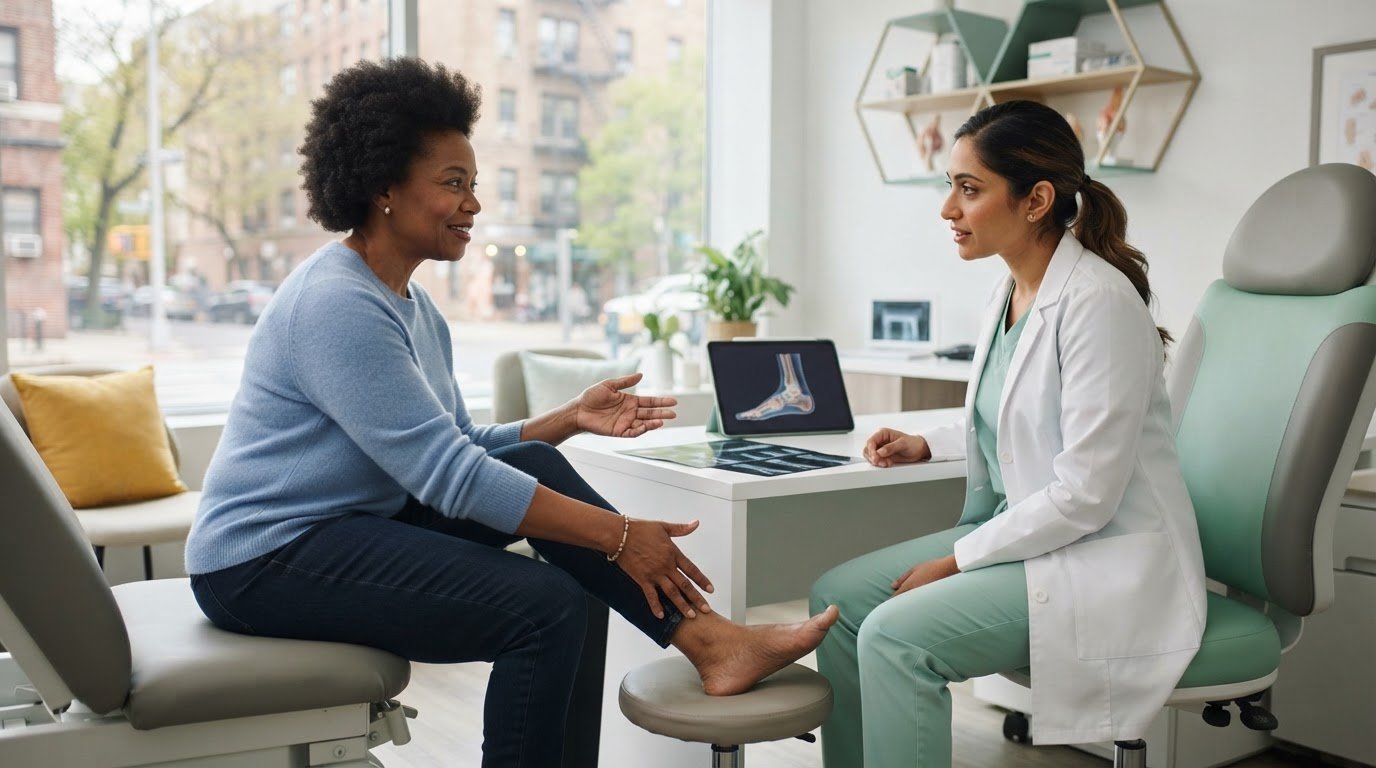
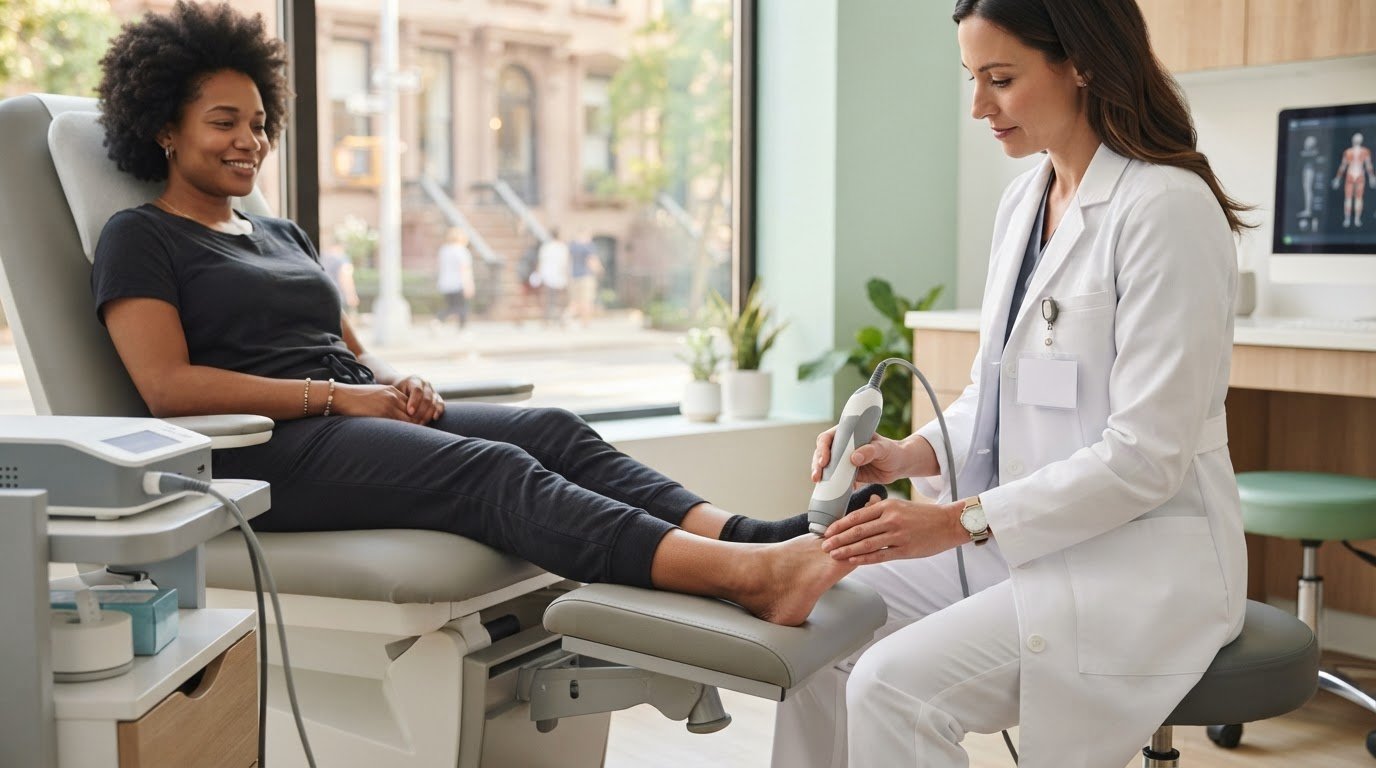
Dismissing your child’s persistent foot discomfort as “growing pains” could mean overlooking a developmental issue that impacts their mobility well into adulthood. While it’s natural to hope they’ll outgrow the clumsiness, 2026 research indicates that conditions like metatarsus varus affect over 50% of children. Finding a compassionate children’s podiatrist Williamsburg families can rely on is the first step toward distinguishing between normal development and issues that require professional intervention. We understand the anxiety that comes with seeing your child struggle to keep up on the playground or sit out of sports due to physical discomfort.
You deserve expert reassurance and a clear path forward that prioritizes your child’s long term health. You’ll discover how early biomechanical corrections, such as custom orthotics, can resolve common problems like flat feet or metatarsus adductus without invasive surgery. We’ll also outline a specific plan to help your child regain their independence and stay active in their favorite local sports. By addressing these concerns now, we can work together to ensure your child enjoys a future of healthy, pain-free movement right here in our Brooklyn community.
Key Takeaways
- Learn why the first ten years of life represent a critical window for aligning bones and ligaments to prevent permanent structural issues.
- Identify the specific red flags that distinguish normal developmental shifts from serious concerns like pediatric flatfoot or gait abnormalities.
- Discover how to use the “Tripping Test” to determine if your child needs a consultation with a children’s podiatrist Williamsburg families rely on for expert diagnosis.
- Understand the clinical advantages of custom-molded orthotics in re-training a child’s developing foot during active growth phases.
- Find out how specialized pediatric sports medicine and compassionate clinical care help Brooklyn children return to their favorite activities pain-free.
The Importance of Early Foot Care for Williamsburg’s Active Kids
Pediatric podiatry is a specialized field of medicine that focuses on the developing musculoskeletal system of infants, children, and teenagers. It’s a common misconception that children’s feet are simply smaller versions of adult feet. In reality, a child’s foot is a work in progress. During the first decade of life, the structure is primarily composed of flexible cartilage that hasn’t yet ossified into hard bone. This makes the first ten years a critical window for ensuring proper alignment of the bones and ligaments. As a children’s podiatrist Williamsburg parents trust, we focus on this developmental phase to ensure your child’s foundation is strong enough for a lifetime of movement.
Early detection is our most effective tool for preventing long-term mobility issues. When we identify a biomechanical problem early, we can often resolve it with non-invasive methods like custom orthotics. Correcting these issues while the foot is still growing is significantly easier than trying to fix a solidified deformity in adulthood. By being proactive now, we can often help your child avoid the need for complex interventions like bunion surgery or hammertoe correction later in life. We believe in partnership with parents to monitor how a child walks, runs, and plays, ensuring every step they take is a healthy one.
Why Growing Feet Need a Specialist
Growth plates are the active areas of new bone growth in children, and they’re particularly vulnerable to repetitive stress and acute injury. Because a child’s foot is more cartilaginous and flexible, injuries don’t always present with the same symptoms we see in adults. A general practitioner might miss the subtle signs of a biomechanical misalignment that could eventually lead to chronic heel pain or the need for flat feet treatment. We provide the specific diagnostic expertise required to protect these growth plates. We look beyond the surface to understand how the foot’s unique structure affects the child’s entire kinetic chain, from the ankle up to the hips.
The Williamsburg Lifestyle and Foot Health
Living in North Brooklyn presents unique physical demands for small feet. Williamsburg is a walking-heavy neighborhood. Whether your family is heading to a playdate at Domino Park, walking to school, or navigating the stairs of the L-train, your child’s feet are constantly striking unforgiving concrete. This urban environment doesn’t provide the natural shock absorption found in softer terrains. Finding an expert children’s podiatrist Williamsburg families can visit is essential for managing the impact of this lifestyle. We frequently see:
- Concrete Impact: Constant walking on hard pavement can strain developing arches and lead to early muscle fatigue.
- Footwear Choices: Many trendy kids’ shoes lack the structural support needed for long-distance city walking.
- Sports Intensity: Participation in local soccer or basketball leagues at McCarren Park increases the risk of an ankle sprain or a broken foot if the child’s gait is unstable.
We work with you to create a clear plan that keeps your child active and pain-free. Our goal is to ensure that the vibrant, active lifestyle Williamsburg offers remains accessible to your child without the burden of physical discomfort or developmental delays.
Common Pediatric Foot Conditions: From Flat Feet to Gait Issues
Children face a variety of foot health challenges as they grow. While many parents assume their child will simply outgrow certain walking patterns, some conditions require the intervention of a children’s podiatrist Williamsburg specialist to ensure proper development. One of the most frequent concerns we see is Flexible Flatfoot in Children. While most toddlers appear to have flat feet due to baby fat, a functional arch should generally begin to develop by age six. If the arch fails to appear or causes pain, it can lead to premature fatigue during family walks through McCarren Park or along the waterfront.
Active children often experience localized discomfort in the back of the foot, which is frequently caused by Sever’s Disease. This condition isn’t actually a “disease” but an inflammation of the growth plate in the heel. It’s the most common cause of heel pain in children aged 8 to 14, particularly those involved in high-impact sports. We focus on providing relief through activity modification and specialized support, helping your child stay in the game rather than on the sidelines. Identifying these issues early allows us to create a partnership for your child’s long-term mobility.
Biomechanical and Gait Concerns
Gait abnormalities like in-toeing, often called “pigeon-toed” walking, can affect more than just the feet. This inward rotation can impact knee alignment and hip development over time. We also monitor “toe walking.” While common in toddlers just learning to balance, persistent toe walking past age three may indicate a tight Achilles tendon or other underlying muscular concerns. Our goal is to identify these patterns early, implementing non-invasive corrections before they become permanent adult habits. We use precise diagnostic tools to determine if a gait issue is a temporary phase or a structural concern requiring intervention.
Skin and Nail Issues in Children
Not every visit to a children’s podiatrist Williamsburg is about bone structure. School-aged children are particularly susceptible to skin and nail issues that can cause significant distress. Painful ingrown toenails are common, often caused by improper trimming or tight-fitting shoes. We treat these using gentle techniques that prioritize the child’s comfort and prevent infection. Additionally, we frequently manage stubborn plantar warts. These viral infections are easily contracted in local Brooklyn gyms, dance studios, or public pools. We offer targeted wart removal solutions that are more effective than over-the-counter treatments, preventing the spread to other family members and ensuring your child can return to their activities without pain.

Growing Pains vs. Medical Concerns: Identifying the Red Flags
Many parents are told that their child’s foot discomfort is simply a part of growing up. While “growing pains” are a real phenomenon, they shouldn’t be used as a catch-all diagnosis for every ache. True growing pains usually occur in the evening or at night and affect both legs equally. If your child experiences persistent, localized pain that occurs during or after physical activity, it’s rarely just a growth phase. As a dedicated children’s podiatrist Williamsburg families trust, we help you distinguish between temporary developmental shifts and structural issues that require clinical attention. Ignoring these signs can lead to a child withdrawing from social play, which impacts their confidence and peer relationships during these formative years.
One effective way to assess your child’s foot health is the “Tripping Test.” While all toddlers are somewhat clumsy, a child who falls significantly more than their peers may be struggling with in-toeing or poor arch support. Another hidden indicator is their shoe wear pattern. Take a look at the soles of your child’s favorite sneakers. If you notice uneven wear, such as the inside edges being completely worn down while the outside remains intact, it’s a clear sign of a biomechanical imbalance. These patterns provide a map of how your child’s weight is being distributed and often signal a need for professional evaluation.
Physical Symptoms You Shouldn’t Ignore
We encourage parents to look for visible changes that suggest an underlying injury or deformity. Swelling, redness, or warmth around a joint that doesn’t resolve with a day of rest and ice is a significant red flag. You should also check for visible structural issues like overlapping toes or an arch that appears to collapse completely when the child stands. These aren’t just cosmetic concerns; they can lead to chronic discomfort and permanent changes in gait if left unaddressed. If your child has a sudden limp that lasts more than twenty four hours, it’s time to seek an expert opinion.
Behavioral Indicators of Foot Discomfort
Children don’t always have the vocabulary to describe specific medical sensations. Instead, they show us through their actions. A child who suddenly avoids their favorite sports or asks to be carried during short walks in Williamsburg is often trying to communicate physical distress. You might hear complaints of “tired legs” after a simple trip to the local playground or notice a new limp that only appears at the end of a long day. These behavioral shifts are often the first signs of conditions like Sever’s Disease or pediatric flatfoot. We work with you to interpret these signals and create a clear plan for recovery and long term mobility.
Custom Orthotics and Advanced Treatments for Growing Feet
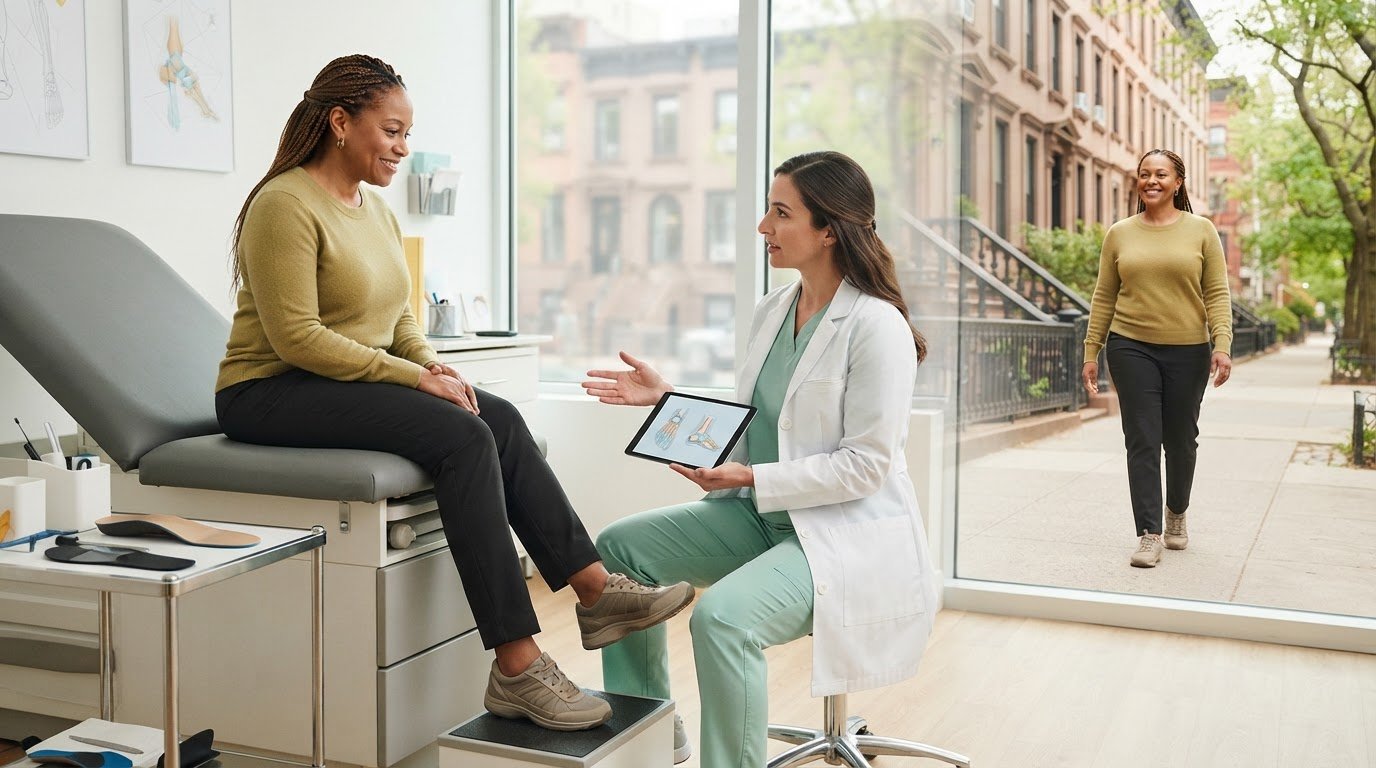
Modern pediatric care has moved far beyond generic, one-size-fits-all solutions. When you visit a children’s podiatrist Williamsburg, you’re accessing sophisticated technology designed to guide your child’s development in real-time. Unlike over-the-counter inserts, which provide simple cushioning, custom-molded orthotics are precision-engineered medical devices. They don’t just support the foot; they actively re-train the musculoskeletal system during the critical growth phase. This proactive approach ensures that minor misalignments don’t solidify into permanent adult deformities, providing a clear path to a lifetime of healthy movement.
For children suffering from Sever’s Disease or persistent heel pain, we prioritize non-surgical interventions that respect the body’s natural healing process. We often utilize specialized stretching protocols and temporary heel lifts to reduce tension on the vulnerable growth plate. These treatments provide immediate relief while allowing the child to remain active. Similarly, for painful skin conditions, we offer safe, minimally invasive options for ingrown toenail removal. These procedures are performed in our comfortable, kid-friendly environment, ensuring a stress-free experience that prioritizes your child’s emotional well-being alongside their physical recovery.
The Science of Pediatric Orthotics
Custom inserts work by stabilizing the calcaneus, or heel bone, and maintaining the optimal height of the developing arch. This alignment is vital for distributing weight evenly across the foot and ankle. By correcting these biomechanical issues early, we can often help patients avoid the need for more invasive procedures like bunion surgery Queens later in life. Because children’s feet grow so rapidly, we monitor and adjust these devices as their bone structure matures. This rhythmic oversight ensures the correction remains effective even as their activity levels and shoe sizes increase.
Modern Sports Medicine for Young Athletes
Brooklyn’s competitive youth leagues demand high physical performance and resilience. We employ advanced sports medicine techniques, including therapeutic laser treatments, to accelerate recovery from soft tissue injuries. Proper athletic shoe fitting is also a cornerstone of our care. We help parents select footwear that provides the necessary stability for NYC’s hard playground and turf surfaces. When combined with pediatric-specific physical therapy exercises, these treatments help young athletes regain their independence and return to the field with confidence. If your child is struggling to stay active, we invite you to schedule a consultation for custom orthotics to ensure their foundation is secure.
Choosing Local Foot Doc for Comprehensive Pediatric Care in Brooklyn
Selecting the right specialist for your child involves finding a balance between high-level clinical authority and a warm, approachable bedside manner. Dr. Waldemar Majdanski leads our team with a commitment to patient-centered care that treats your child as an individual, not just a set of symptoms. We recognize that finding a children’s podiatrist Williamsburg parents can trust means looking for a provider who values traditional interpersonal rapport as much as modern medical methodology. Our goal is to alleviate the anxiety often associated with clinical visits by offering clear, comforting paths to recovery that keep your family moving forward together.
We believe that empowering parents through education is a vital part of the healing process. When we discuss a plan for flat feet treatment or the use of custom orthotics, we provide transparent communication regarding expected timelines and outcomes. You’re never left in the dark about your child’s progress. We view our relationship with you as a partnership, ensuring you have the tools and knowledge to support your child’s foot health long after you leave our office. This collaborative atmosphere invites you into the healing process, making the journey toward regained independence a shared success.
A Patient-Centered Approach in Williamsburg
Our Williamsburg office is designed to be a kid-friendly environment where children feel secure and parents feel heard. We take the time to explain every step of the examination in relatable language to reduce child anxiety. To ensure holistic health, we frequently engage in collaborative care with your child’s primary pediatrician. This ensures that our specialized treatments for gait issues or sports injuries align perfectly with their overall medical history. We don’t just focus on the feet; we focus on the child’s total quality of life and their ability to participate fully in the activities they love.
Accessing Expert Care Near You
We understand that Brooklyn and Queens families have busy schedules. To make expert care accessible, we offer multiple locations and streamlined appointment scheduling. If you’ve been searching for a highly trained podiatrist in Brooklyn, our practice provides the specialized pediatric expertise you need without the long wait times often found at larger corporate institutions. We coordinate directly with your insurance provider to make the administrative process as smooth as possible.
Don’t wait for “growing pains” to become a permanent limitation. By choosing an expert children’s podiatrist Williamsburg specialist today, you’re investing in your child’s future mobility and independence. We invite you to contact us to schedule your child’s first consultation. Together, we can create a clear plan to protect their foundation and keep them active, pain-free, and ready for every adventure Brooklyn has to offer.
Securing Your Child’s Path to Pain-Free Play
Your child’s foot health serves as the foundation for their future independence and long term quality of life. We’ve explored how early intervention can correct developmental issues like pediatric flatfoot or gait abnormalities before they become permanent adult deformities. By distinguishing persistent, localized pain from temporary growing pains, you ensure your child stays active in sports and daily Brooklyn life. Our practice provides specialized pediatric biomechanical assessments to identify these concerns during the critical first decade of growth. As a trusted children’s podiatrist Williamsburg families rely on, we’re dedicated to offering non-invasive solutions like custom orthotics that re-train the foot for optimal alignment.
Led by board-certified surgeon Dr. Waldemar Majdanski, who brings over 20 years of NYC clinical experience, we prioritize a collaborative and patient-centered approach. We understand the unique physical demands of growing up in an urban environment and provide the expert reassurance you need. Don’t let foot discomfort sideline your child’s development or social confidence. Schedule a Pediatric Consultation with Local Foot Doc Today to protect their mobility and ensure every step they take is a healthy one. We look forward to partnering with you on your child’s journey toward a pain-free, active future.
Frequently Asked Questions
At what age should I take my child to a podiatrist for the first time?
You should schedule an initial consultation as soon as you notice a physical abnormality or when your child begins to walk. While many developmental shifts are normal, an early screening by a children’s podiatrist Williamsburg specialist can identify structural concerns before they impact your child’s long term gait. We often see infants for congenital issues and toddlers to ensure their first steps are properly aligned.
Is it normal for my toddler to walk with their toes pointed inward?
In-toeing, often called “pigeon-toed” walking, is a common developmental stage in toddlers that frequently resolves by age eight. However, if the inward rotation causes your child to trip often or appears to affect only one leg, it warrants a professional gait analysis. We examine whether the rotation originates in the foot, shin, or hip to determine if intervention is necessary for proper development.
Can custom orthotics really fix my child’s flat feet permanently?
Custom orthotics work by stabilizing the foot and guiding bone development during the critical years when the skeletal structure is still ossifying. They don’t “cure” flat feet in a traditional sense, but they provide the structural alignment needed to prevent permanent adult deformities. These medical devices are far more effective than over-the-counter inserts because they’re precision-molded to your child’s unique anatomy.
How can I tell the difference between growing pains and a sports injury?
You can distinguish growing pains from injuries by observing the timing and location of the discomfort. Growing pains typically occur in both legs during the evening and don’t cause a visible limp or swelling. Sports injuries are usually localized to one area, occur during physical activity, and may present with redness or warmth. If the pain persists through the morning, it’s time for a professional evaluation.
What should I look for in a children’s podiatrist in Williamsburg?
Look for a practitioner with board certification and specific expertise in pediatric biomechanics and sports medicine. A children’s podiatrist Williamsburg families trust should offer a kid-friendly environment that intentionally reduces a child’s anxiety during exams. It’s also helpful to choose a provider like Dr. Majdanski, who combines modern medical technology with a long history of community-focused care in the NYC area.
Are foot growth plates easily damaged in children’s sports?
Growth plates are made of developing cartilage and are significantly more vulnerable to injury than the surrounding mature bone. High-impact sports can lead to repetitive stress injuries like Sever’s disease, which is an inflammation of the heel’s growth plate. We use specialized diagnostic tools to monitor these areas, ensuring that athletic participation doesn’t lead to long term structural damage or chronic pain.
How do I prevent my child from getting plantar warts at school or the gym?
Prevention starts with avoiding direct skin contact with the virus in damp, communal areas like school locker rooms, dance studios, or local swimming pools. Encourage your child to wear waterproof flip-flops in these spaces and never share socks or shoes with their peers. If a wart does appear, we provide professional wart removal treatments that are more effective and faster than home remedies.
Does insurance typically cover pediatric podiatry visits in New York?
Most New York insurance plans provide coverage for pediatric podiatry when a medical necessity, such as an injury or structural deformity, is established. This typically includes treatments for an ankle sprain, ingrown toenails, or flat feet. Because every policy has different deductibles and co-pays, it’s best to verify your specific benefits with your insurance provider before your child’s first appointment.