
You’re halfway across the Williamsburg Bridge or walking toward the Bedford Avenue station when that familiar, sharp pinch in your big toe joint starts to radiate through your entire foot. For many of our neighbors, the vibrant lifestyle of Brooklyn is often sidelined by the persistent ache of a bunion that makes even your favorite sneakers feel like a constraint. We understand that the decision to see a bunion specialist in Williamsburg Brooklyn often comes after months of trying to “walk it off” or sacrificing your personal style for comfort.
It’s exhausting to manage chronic foot pain while navigating a city that never stops moving, and we agree that you shouldn’t have to choose between your mobility and your daily routine. You’ll discover how a specialized bunion surgeon right here in the neighborhood can restore your mobility and eliminate pain using the latest medical advancements available in 2026. We’ll explore modern, minimally invasive techniques, what to expect from your recovery timeline, and how our community-focused care helps you get back on your feet with confidence and lasting relief.
Key Takeaways
- Learn how a dedicated bunion specialist in Williamsburg Brooklyn provides the precise surgical correction needed to address hallux valgus and restore your natural foot alignment.
- Discover the critical qualifications to look for in a podiatric surgeon, including board certification and the importance of over 20 years of clinical experience.
- Understand the difference between conservative management like custom orthotics and permanent surgical solutions to determine which path is right for your lifestyle.
- Gain clarity on the modern recovery process, including what to expect during the first 48 hours and how quickly you can return to your daily Brooklyn commute.
- Find out why local residents trust Dr. Majdanski for personalized care that combines high-level medical expertise with a patient-centered, community-focused approach.
Why You Need a Bunion Specialist in Williamsburg Brooklyn
A bunion specialist in Williamsburg Brooklyn is a podiatric surgeon who focuses on the intricate mechanics of hallux valgus correction. While many people view a bunion as a simple bump on the side of the foot, it’s actually a complex structural deformity involving the bones of the forefoot. When you visit a specialist, you’re consulting an expert who understands how every tendon, ligament, and bone must align to support your weight. We focus on restoring the natural architecture of your foot rather than just addressing the surface level symptoms.
Living in North Brooklyn requires a high level of physical independence. Whether you’re walking to the waterfront or navigating the crowded platforms of the L train, your feet are your primary mode of transportation. This intense “walking culture” is exactly why bunion symptoms often progress faster here than in other areas. Constant pressure from pavement and the demand for stylish yet often restrictive footwear can accelerate the shifting of the big toe joint. We’ve found that early intervention is the best way to preserve your mobility and keep you active in the community you love.
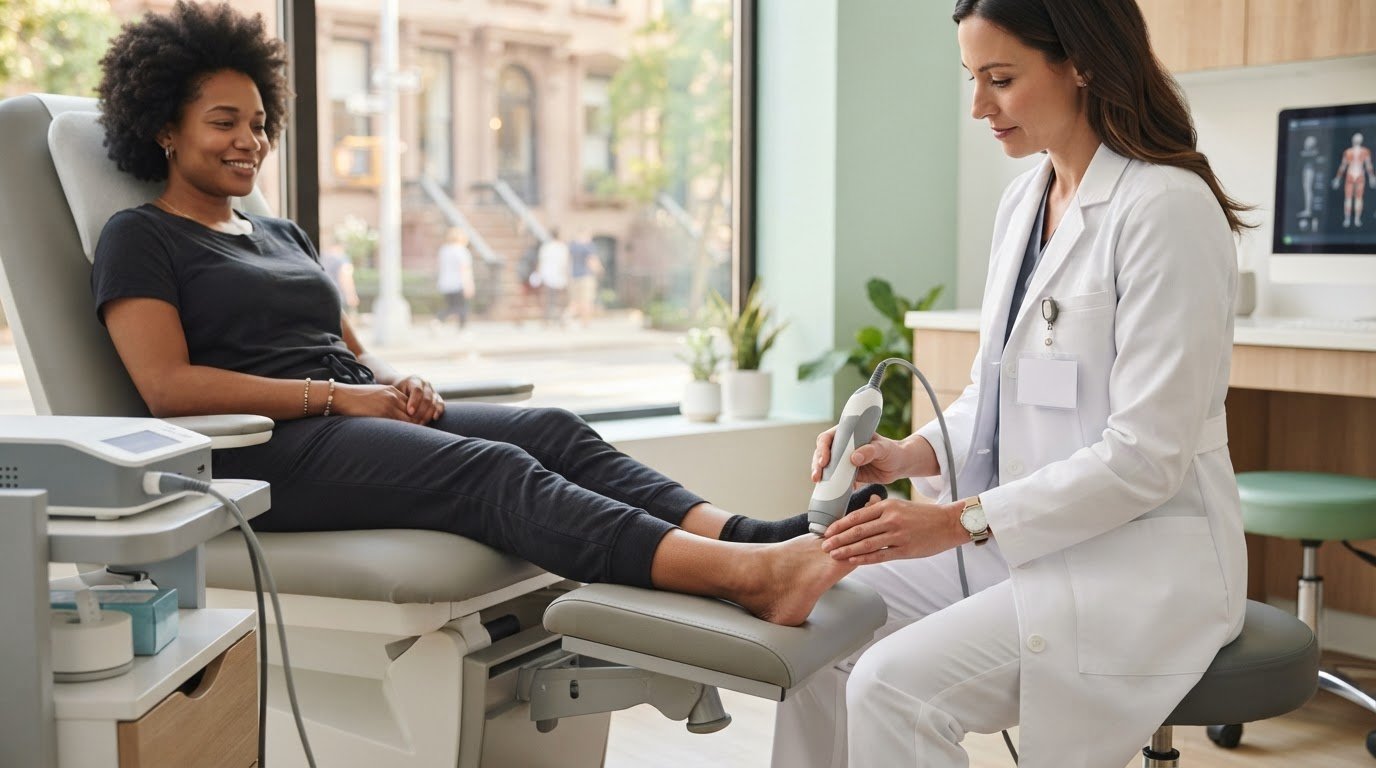
While a general practitioner provides excellent broad care, they often lack the specialized diagnostic tools to assess the subtle structural shifts occurring within your foot’s architecture. A specialist uses advanced imaging and gait analysis to see how a bunion is impacting your overall movement. By identifying these nuances early, we can offer a wider range of solutions that prevent the condition from reaching a stage where it dictates your daily schedule. Your feet deserve a level of precision that only a dedicated foot and ankle surgeon can provide.
Symptoms That Require Specialist Attention
It’s time to seek professional advice when your foot health begins to interfere with your Brooklyn lifestyle. You should watch for these specific indicators:
- Station Commute Pain: Persistent, throbbing discomfort that flares up specifically during your walk to the Bedford Ave or Lorimer St stations.
- Footwear Limitations: Visible bony protrusions that make standard shoes or your favorite boots feel painfully tight or cause skin irritation.
- Functional Numbness: Intermittent numbness or significant inflammation in the big toe joint that makes you hesitate before stepping out for a morning coffee.
The Risks of Delaying Treatment
Ignoring a bunion doesn’t just mean living with a bump; it can lead to a cascade of other podiatric issues. As the big toe continues to lean inward, it puts undue pressure on the smaller toes, which often results in painful hammertoes or bursitis. Researching various Bunion treatment options early can prevent these secondary deformities from taking hold. Over time, the misalignment can even cause the arch to collapse, leading to flat feet treatment complications that affect your entire gait. Perhaps most concerning is the risk of chronic arthritis in the metatarsophalangeal joint, which can permanently limit your range of motion. We believe in proactive care to ensure your recovery is as swift and complete as possible.
Choosing the Right Bunion Surgeon: Qualifications and Techniques
Selecting a bunion specialist in Williamsburg Brooklyn is a decision that impacts your mobility for years to come. You aren’t just looking for a doctor; you’re looking for a surgical partner who understands the high-demand nature of NYC life. It’s vital to look beyond a general podiatry license. You need a professional who combines decades of clinical experience with the specific technical skills required for permanent bone realignment.
The Importance of Surgical Board Certification
We recommend verifying that your surgeon holds board certification from the American Board of Foot and Ankle Surgery (ABFAS). This isn’t just a title; it represents years of additional training, a high volume of successful surgeries, and a rigorous examination process that many general practitioners haven’t completed. Dr. Majdanski’s background includes over 20 years of clinical experience in NYC. This level of tenure ensures a standard of safety and precision that’s essential when correcting structural deformities. We view ourselves as your partners in recovery, ensuring every step of the process is clear and reassuring.
Advanced Diagnostic Tools in Williamsburg
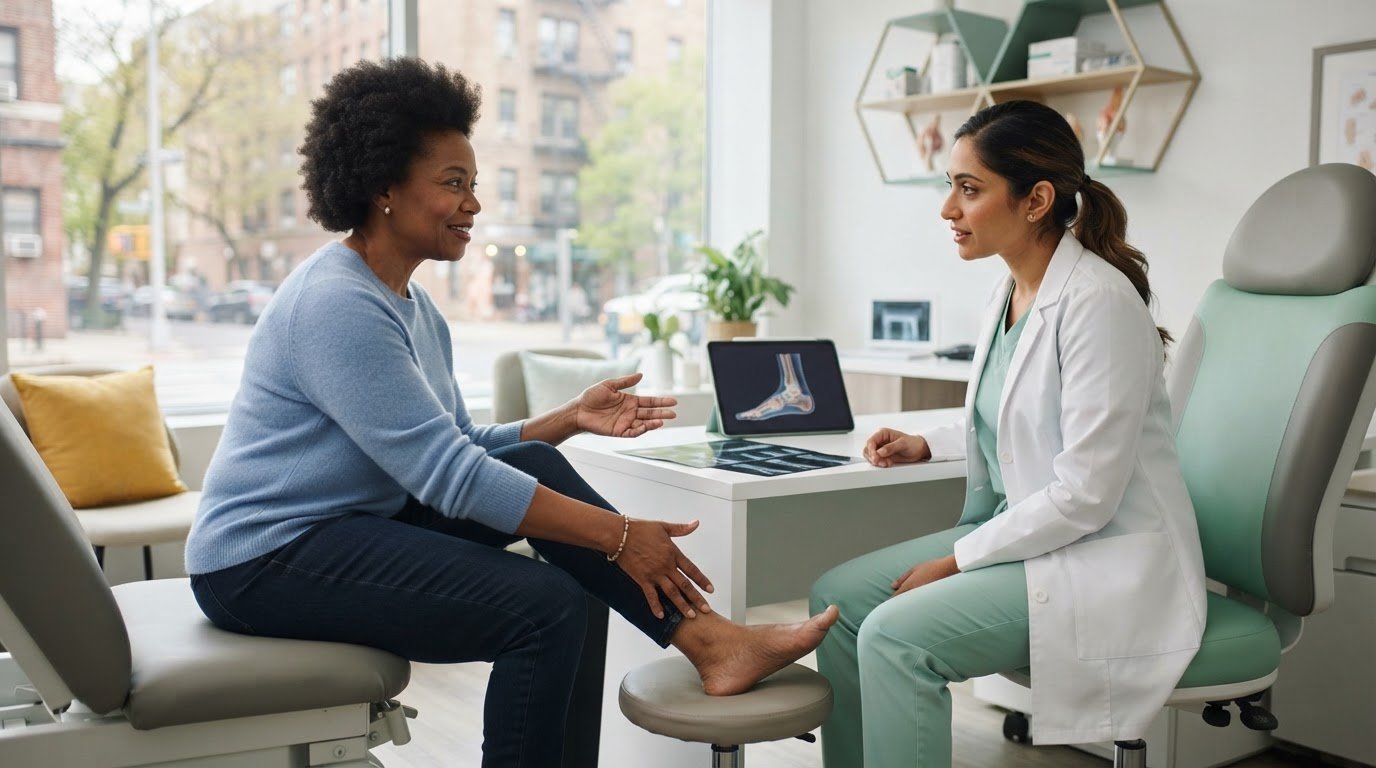
Precise imaging is the cornerstone of a successful outcome. In our office, we utilize advanced diagnostic tools to map out your specific foot structure during your initial visit. We often start with weight-bearing X-rays. These are crucial because they show how your bones behave under the actual pressure of your body weight. We also conduct thorough physical examinations to assess the joint’s range of motion and identify any underlying symptoms and causes of bunions that might complicate your treatment. By identifying the exact degree of bone deviation and joint instability, precise diagnostics allow for a corrective plan that addresses the root cause and prevents the bunion from returning.
A truly comprehensive practice doesn’t rush every patient into the operating room. We believe in a tiered approach to healing that respects your body’s natural limits. This might begin with high-quality custom orthotics to stabilize the joint or manage pain during your daily commute. If conservative measures don’t provide the relief you need, we then discuss advanced surgical options tailored to your specific anatomy. This personalized strategy ensures that the treatment fits your specific lifestyle and medical needs, providing a clear path back to the activities you love. If you’re ready to discuss your options, you can book a professional evaluation with a bunion specialist in Williamsburg Brooklyn at one of our local offices.
Surgical vs. Non-Surgical Paths: What’s Right for You?
Deciding between conservative care and surgery is a personal journey that begins with a professional assessment. When you consult a bunion specialist in Williamsburg Brooklyn, we evaluate the severity of your deformity against your activity levels. One of the most common questions we hear is whether surgery is the only way to find relief. The short answer is that while surgery is the only method to physically realign the bone, it isn’t always the first step. If your discomfort is manageable and doesn’t stop you from enjoying your routine, we might start with less invasive strategies. However, if your quality of life is declining, it’s time to consider a more permanent solution.
Choosing a bunion treatment requires balancing immediate comfort with long-term foot health. We believe in a partnership where we provide the clinical data, and you decide which path aligns with your recovery expectations. Our goal is to ensure you feel confident and informed before making any clinical decisions.
Conservative Management Options
Non-surgical care focuses on symptom control and slowing the progression of the hallux valgus. Padding and taping are effective short-term tools to reduce friction against your shoes, which can alleviate the burning sensation often felt at the end of the day. We also frequently use custom-molded shoe inserts to correct the underlying biomechanics that caused the bunion in the first place. These orthotics redistribute pressure away from the big toe joint. If you find that you’re still experiencing sharp pain or numbness despite these adjustments, it’s a clear signal to transition toward a surgical consultation with a bunion specialist in Williamsburg Brooklyn.
Modern Surgical Techniques
When conservative measures fail, modern surgery offers a definitive path to regained independence. We specialize in procedures like the osteotomy, where the bone is carefully cut and shifted back into its proper alignment, and the bunionectomy, which removes the prominent bony bump. For many patients, bunion surgery in Queens or Brooklyn provides the structural correction needed to walk without hesitation and return to the footwear you love.
We often utilize minimally invasive techniques that involve smaller incisions and specialized instruments. This approach typically results in less post-operative swelling and a faster return to your routine compared to traditional open surgeries. During the same procedure, we can also perform hammertoe correction if the bunion has caused your smaller toes to curl painfully. Addressing these issues simultaneously ensures a more comprehensive aesthetic and functional result for your entire foot, allowing you to resume your normal lifestyle with renewed comfort.

Your Bunion Surgery Recovery Journey in Brooklyn
Recovery is the essential bridge between clinical correction and your full return to the Brooklyn sidewalk. As your bunion specialist in Williamsburg Brooklyn, we prioritize a post-operative plan that accounts for the unique physical demands of city living. The first 48 hours are dedicated to managing inflammation and ensuring your comfort. We’ll provide specific instructions on elevation and icing techniques that help you navigate this initial phase with ease. Our goal is to make the transition from the surgical suite to your home as seamless as possible.
Navigating New York City during recovery requires a bit of strategic planning, especially if you live in a classic Williamsburg walk-up. We recommend preparing your living space in advance by setting up a “recovery station” on your main floor to minimize the need for stairs during the first week. While you’re healing, it’s also the perfect time to utilize local delivery services for groceries and essentials. Because we have local clinics, your follow-up appointments won’t involve a stressful, cross-town commute. You can receive expert care right in your own community while your foot gains the strength it needs for the journey ahead.
The First Two Weeks: Managing Mobility
During the initial fourteen days, your primary focus is protecting the surgical site while maintaining a gentle level of mobility. You’ll likely wear a specialized surgical boot that allows for protected weight-bearing, ensuring that your bones remain in their new, corrected alignment. We’ll monitor your progress closely during your first few office visits to ensure the skin is healing well and swelling is trending downward. Most patients find they can return to a desk-based work environment within seven to ten days after their procedure. This timeframe allows you to stay productive while still giving your body the rest it requires to heal properly.
Long-Term Results and Independence
As the weeks progress, you’ll begin the rewarding transition back into supportive sneakers and, eventually, your favorite footwear. This phase is about more than just walking; it’s about regaining your “urban independence.” We often incorporate physical therapy and specific stretching exercises into your routine to maintain flexibility in the big toe joint. These movements are vital for ensuring a smooth, natural gait as you return to your favorite activities. Whether you’re planning to spend an afternoon at McCarren Park or simply want to walk to the waterfront without pain, our comprehensive approach ensures you have the support you need. If you’re ready to reclaim your mobility, you can consult with a specialist to begin your personalized path to recovery.
Why Williamsburg Residents Trust Local Foot Doc
Choosing a bunion specialist in Williamsburg Brooklyn means finding a medical team that respects your time and your long-term health goals. We’ve spent over 20 years building a practice rooted in the diverse neighborhoods of New York City. Dr. Majdanski leads our group with a philosophy that combines high-level surgical expertise with the kind of personal attention you’d expect from a trusted neighborhood doctor. We don’t just treat feet; we help our neighbors reclaim their active lifestyles and move through the city with renewed confidence.
Convenience is a significant factor when you’re managing a painful condition that limits your mobility. Our multiple locations across Brooklyn and Queens ensure that your initial consultation and follow-up care are never a burden on your schedule. We believe that accessibility is a vital part of the healing process. When you’re a patient here, you’re part of a community-trusted institution that prioritizes your quality of life above all else. We’ve worked hard to ensure our practice feels like a reliable local resource rather than a detached corporate medical group.
We view the relationship between doctor and patient as a collaborative partnership. You aren’t just a case number on a chart; you’re an active participant in the healing process. We listen to your concerns about pain, shoe fit, and aesthetics, integrating your feedback into a plan that works for your unique lifestyle. This collaborative atmosphere is one of the many reasons why our patients recommend us to their friends and family in North Brooklyn. We’re here to provide the clinical authority you need alongside the compassionate reassurance you deserve.
A Personalized Approach to Podiatry
We recognize that a marathon runner’s needs differ significantly from someone who spends their day standing behind a counter in a local shop. That’s why we tailor every treatment plan to your specific activity level and long-term goals. We prioritize thorough patient education, ensuring you understand the underlying cause of your discomfort before any procedure begins. By using the latest medical technologies and evidence-based methods, we aim for outcomes that are both effective and durable. We want you to feel confident in the care you receive, knowing it’s backed by decades of clinical success and modern methodology.
Getting Started with a Consultation
Taking the first step toward relief shouldn’t be a complicated or stressful process. We’ve streamlined our scheduling for both new and returning patients to make your entry into care as smooth as possible. For your first appointment, we suggest bringing a list of your current medications and any previous imaging results you might have. This allows us to perform a comprehensive evaluation and start building your recovery roadmap immediately. We’re here to answer your questions and provide the steady, logical guidance you need to move toward a pain-free future.
Our team is ready to help you rediscover the joy of walking through Williamsburg without hesitation. Schedule your bunion consultation with our Williamsburg team today.
Step Into a Future of Pain-Free Mobility
Your journey to lasting relief begins with understanding that you don’t have to tolerate daily foot discomfort. We’ve explored how specialized diagnostic tools and board-certified surgical expertise provide a higher standard of care than general podiatry. By choosing a treatment path that aligns with your specific lifestyle, you’re taking a vital step toward reclaiming your urban independence. Whether we’re discussing the benefits of modern minimally invasive techniques or the precision of custom-molded orthotics, our focus remains on your long-term health and functional success.
As a dedicated bunion specialist in Williamsburg Brooklyn, we combine over 20 years of clinical experience in NYC with a compassionate, neighborhood-focused approach. We’re committed to being your partner in recovery, ensuring that every stage of your treatment is clear, professional, and reassuring. You deserve to navigate the city’s sidewalks and waterfronts without the distraction of a sharp, radiating ache. Our team provides the reliable, expert intervention required to get you back on your feet and moving through life with ease.
It’s time to prioritize your foot health and return to the activities you enjoy. Book Your Bunion Consultation at Local Foot Doc to start your personalized recovery journey today. We look forward to helping you walk with confidence once again.
Frequently Asked Questions
How do I know if I need a bunion specialist or a general podiatrist?
You should seek a specialist if you’re experiencing chronic pain that interferes with your daily walking or if you’ve noticed a visible deviation in your big toe joint. While a general podiatrist handles routine foot care, a bunion specialist in Williamsburg Brooklyn focuses specifically on corrective surgical techniques and complex structural realignments. We offer the deep clinical expertise required to address hallux valgus at its source, ensuring your treatment plan is tailored to your unique anatomy.
Is bunion surgery covered by insurance in New York?
Most major commercial insurance plans in New York, including Aetna, Cigna, and UnitedHealthcare, cover bunion surgery when it’s deemed medically necessary. Necessity is usually established through documented pain, functional limitations, and a history of failed conservative treatments like orthotics. We recommend checking with your specific provider to confirm your coverage details. It’s important to note that cosmetic-only procedures are typically not covered by insurance plans.
How long is the recovery time for bunion surgery in Brooklyn?
Recovery timelines vary based on the specific procedure, but most patients return to desk jobs within seven to ten days. The initial healing phase usually lasts about two weeks, during which you’ll wear a surgical boot to protect the site. By six to eight weeks, many people transition into supportive sneakers. We work with you to manage this timeline so you can resume your Brooklyn commute and daily activities as safely and quickly as possible.
Can bunions come back after surgical correction?
While recurrence is possible, it is significantly less common when modern surgical techniques and proper post-operative care are utilized. Recurrence often happens if the underlying structural cause of the bunion isn’t fully addressed during the initial procedure. By using precise diagnostic imaging and personalized surgical plans, we aim to provide a permanent correction. Following our guidance on supportive footwear and orthotics after surgery also helps maintain your foot’s healthy alignment.
What are the non-surgical alternatives for bunion pain?
Non-surgical options focus on managing symptoms and preventing the deformity from worsening. We often recommend custom orthotics to redistribute pressure away from the big toe joint and stabilize your gait. Other effective alternatives include using bunion pads to reduce friction, choosing wider footwear with a roomy toe box, and performing specific toe exercises. These methods are excellent first steps, though they don’t physically remove the bony protrusion or realign the bone.
Will I be able to wear high heels or narrow shoes after surgery?
Most patients can eventually return to a wide variety of footwear, including heels, once the bone has fully healed and inflammation has subsided. However, we suggest waiting until your surgeon confirms the joint is stable enough to handle the increased pressure. While you’ll have the structural integrity to wear different styles, choosing shoes with better support will help preserve your surgical results and prevent future discomfort. We’ll guide you on when it’s safe to make that transition.
What makes Dr. Majdanski a preferred bunion specialist in Williamsburg?
Dr. Majdanski is recognized as a preferred bunion specialist in Williamsburg Brooklyn due to his board-certified surgical expertise and over 20 years of clinical experience in New York City. He combines advanced technical skills with a patient-centered approach that prioritizes your comfort and long-term mobility. Our practice is deeply rooted in the local community, offering a blend of modern medical methodology and the personalized rapport you expect from a trusted neighborhood doctor.
Do you offer minimally invasive bunion surgery?
Yes, we specialize in minimally invasive bunion surgery techniques that utilize smaller incisions and specialized instruments. This modern approach often leads to less post-operative swelling, reduced scarring, and a faster return to your daily routine. Some patients are even able to walk in a surgical boot immediately after the procedure. We’ll evaluate your specific condition during your consultation to determine if a minimally invasive path is the most effective solution for your recovery.