

Could correcting a foot deformity mean surgery, or might another treatment ease discomfort and support better function? If walking, standing, or finding comfortable shoes has become difficult, it makes sense to want clear answers before considering an operation. With foot deformity correction surgery Brooklyn patients can explore, the first step is identifying the cause, whether it’s a bunion, hammertoe, flatfoot, or another concern.
A podiatric evaluation can assess the deformity and how it affects comfort and mobility. Surgery isn’t inevitable. Depending on the condition, care may include footwear changes or custom orthotics, or a procedure when symptoms and examination findings support considering one. At Local Foot Doc, Dr. Waldemar Majdanski and our team provide evaluations and individualized treatment planning for patients across Brooklyn and Queens.
This guide explains how foot deformities are assessed, how nonsurgical and surgical approaches differ, and what recovery planning may involve. It also includes practical questions to discuss during an evaluation, so you can understand your options and take an informed next step toward more comfortable movement.
Key Takeaways
- Foot deformities can affect structure, alignment, or function, but their presence alone doesn’t mean surgery is needed.
- Symptoms, examination findings, and imaging when appropriate help shape an individualized treatment plan.
- Conservative care, such as footwear changes or orthotics, can be compared with surgery by looking at the goal of each approach.
- Recovery planning accounts for the procedure, personal health, home support, and clinician-directed restrictions.
- Foot deformity correction surgery Brooklyn care may address concerns such as bunions, hammertoes, flat feet, and brachymetatarsia.
Foot Deformity Correction Surgery in Brooklyn: Which Problems Can It Address?
Foot deformity correction describes care intended to address a change in foot structure, alignment, or function. Foot deformity correction surgery is an operation intended to change structural alignment or function; nonsurgical management aims to ease symptoms or support the foot without surgically changing its structure. The appropriate approach depends on the condition, its effect on daily life, and examination findings. A visible change in a toe or arch does not automatically mean surgery is needed.
For Brooklyn patients, discomfort while walking, pressure from everyday shoes, or changes in how the foot bears weight can make a deformity more limiting. An evaluation can help identify what is happening before treatment is considered. At Local Foot Doc, Dr. Waldemar Majdanski and the team provide individualized podiatric care to patients across Brooklyn and Queens.
What foot and toe deformities may lead to a surgical evaluation?
These conditions affect different parts of the foot, so they aren’t interchangeable diagnoses. A bunion involves a change around the big-toe joint, often creating a prominence that rubs against shoes. Learn more about what a bunion is. A hammertoe affects one or more toe joints, causing a toe to bend and potentially press against footwear.
Flatfoot describes a lower or altered arch. It may cause discomfort or functional concerns, although some people have no symptoms. Brachymetatarsia refers to a relatively short metatarsal bone, which can make one toe appear shorter than its neighbors. Each condition needs its own assessment, and not every case calls for an operation.
Which symptoms suggest it is time to discuss treatment?
Consider an evaluation if persistent discomfort, difficulty finding shoes that fit, recurring calluses, or trouble with ordinary walking is affecting your routine. Symptoms can also change as pressure shifts across the foot. Pain alone doesn’t identify the structural cause, so an assessment considers where symptoms occur alongside foot shape, movement, and walking pattern.
If a bump near the big-toe joint is your main concern, explore our guide to bunion surgery in Queens. More broadly, an evaluation can help determine whether footwear changes, other nonsurgical care, or a surgical discussion makes sense. Understanding the cause is the starting point for a plan that fits your needs and supports comfortable movement.
How a Brooklyn-Area Foot Deformity Evaluation Shapes the Treatment Plan
A careful evaluation connects your symptoms with what’s happening in the foot. For patients considering foot deformity correction surgery Brooklyn, it’s also a chance to understand the findings and discuss options before making a decision about an operation. At Local Foot Doc, podiatric evaluations and personalized treatment planning help guide the next step, whether that involves conservative care or a surgical discussion.
What happens during a foot deformity consultation?
The visit usually begins with your concerns and health history. Your podiatrist may ask when the discomfort started, what makes it worse, which shoes you wear, how the problem affects daily activities, and what care you’ve already tried. Relevant health conditions and medications also help shape the assessment. MedlinePlus offers an overview of common foot problems, but an individual examination is needed to understand your symptoms.
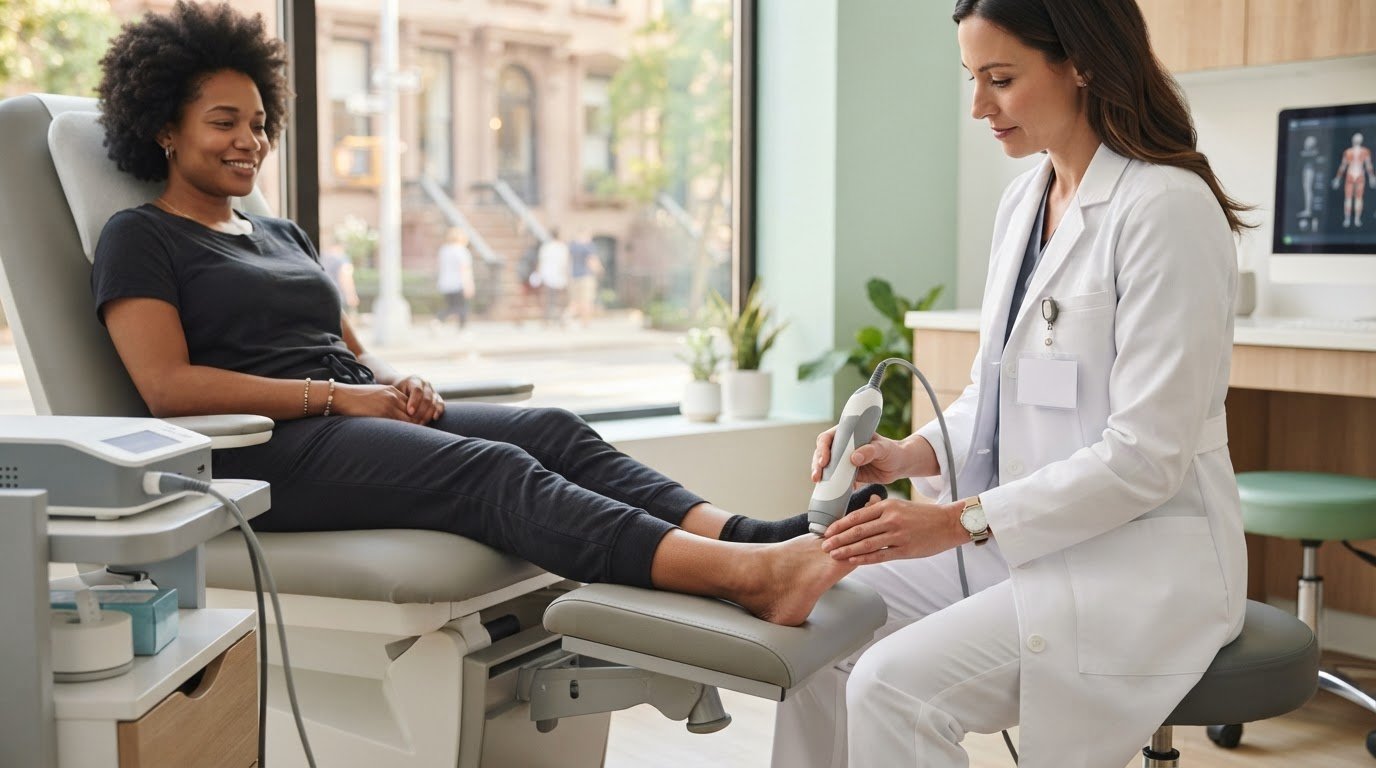
The clinician examines foot shape and alignment, checks for tenderness or skin pressure, and assesses joint movement. They may observe how you stand or walk to understand how the foot functions. Imaging, such as X-rays, may be considered when symptoms and examination findings suggest it could help clarify the diagnosis or guide planning. The same tests aren’t necessary for everyone.
You can generally expect the consultation to cover these steps:
- 1. Describe your symptoms, daily activities, footwear, and previous treatment.
- 2. Review relevant medical history and discuss your priorities.
- 3. Have the foot’s structure, movement, sensitive areas, and function assessed.
- 4. Discuss whether imaging or another assessment is appropriate and what the findings may mean.
- 5. Review possible next steps, which may include nonsurgical care or further discussion of surgery.
How do diagnosis and personal goals affect recommendations?
The plan depends on the type and severity of the deformity, your symptoms, overall health, and the activities you hope to return to. Someone who mainly struggles with shoe pressure may have different priorities from someone whose discomfort limits walking or standing. Recommendations should address comfort and function, not appearance alone. The aim is to match the care to the condition and your needs.
Health history matters, too. Diabetes can affect foot sensation and skin health, so mention it during the visit. Learn more about diabetic foot care in Brooklyn. Led by board-certified surgeon Dr. Waldemar Majdanski, Local Foot Doc provides individualized podiatric care for patients across Brooklyn and Queens. An evaluation can help turn uncertainty into a clearer plan. Learn about podiatric care at Local Foot Doc.
Nonsurgical Care or Surgery? Compare Foot Deformity Treatment Options
Treatment depends on how the deformity affects comfort and foot function, not just how it looks. Nonsurgical care may help manage symptoms and pressure. Surgery may be considered when symptoms and structural findings support discussing correction. Neither approach is right for every patient, and conservative care isn’t a guaranteed way to avoid surgery.
| Treatment path | Main goal | Examples and considerations |
|---|---|---|
| Nonsurgical care | Ease symptoms, reduce pressure, or support foot function without an operation. | Supportive footwear, custom orthotics, activity adjustments, or other clinician-directed care. These approaches may help manage discomfort, but they don’t necessarily change the underlying bone or joint structure. |
| Surgery | Address structural alignment or function when a procedure is appropriate for the specific deformity. | The procedure depends on the diagnosis and individual examination. Planning includes weighing potential benefits against limitations, risks, and recovery demands. |
When might nonsurgical treatment be part of the plan?
Footwear with a roomier or more accommodating fit may reduce rubbing, while custom orthotics can provide support suited to the foot. Adjusting activities or following other clinician-directed care may also help. These approaches focus on symptoms and function; they may not reverse a structural deformity. Their suitability depends on the condition and your needs.
When might corrective surgery be considered?
If symptoms persist and examination findings show a deformity that may benefit from structural correction, surgery may become part of the conversation. It isn’t automatically the next step. For foot deformity correction surgery Brooklyn patients are considering, an individualized discussion should account for the specific condition, health factors, daily demands, and goals.
Shared decision-making means reviewing alternatives alongside the potential benefits, risks, and recovery requirements of a procedure. Your priorities matter: the activities you hope to resume and the limitations you’re prepared to manage help shape the conversation. Ask what each option is intended to improve, what it may not address, and how recovery could affect your routine. This makes it easier to choose with a clear understanding of the options, without assuming one treatment is best for everyone.

Foot Deformity Surgery Recovery: Risks, Preparation, and Realistic Expectations
Planning for surgery includes more than the procedure itself. Transportation, help at home, footwear, follow-up visits, and time away from usual activities may all need consideration. The details depend on the correction being performed and your health, so another person’s recovery experience may not match yours.
Recovery guidance is individualized to the operation and the patient, including health factors, healing progress, and clinician-directed restrictions. There is no single recovery duration or guaranteed outcome that applies to every foot deformity procedure. Before deciding, discuss likely benefits and limitations as well as possible risks, which can include infection, delayed healing, stiffness, ongoing symptoms, or other procedure-specific complications. Your clinician can explain which risks apply to your situation.
How can patients prepare for a possible procedure?
Share your medications, health conditions, allergies, prior surgeries, and practical support needs with the care team. These details help inform planning and the instructions you’ll receive. Before an operation, the surgical team will explain procedure-specific preparation, including any guidance about medications, food, or activity. Don’t change medication use unless your clinician instructs you to.
Ask what transportation arrangements may be needed and whether you’ll need help at home. Plan according to your care team’s instructions, since mobility needs and restrictions can differ by procedure. A practical plan for getting around and managing daily tasks can make the early recovery period easier to handle.
What should patients expect during follow-up and recovery?
Follow-up visits give the care team a chance to assess healing, address concerns, and adjust instructions as needed. Your clinician will explain how to care for the foot, what footwear or support to use, and which activities to limit or resume. Follow those instructions rather than relying on someone else’s recovery experience.
Returning to walking, work, exercise, and other activities is gradual and depends on the operation and your clinical progress. If pain, swelling, or another concern feels unexpected, contact your care team for guidance rather than changing restrictions on your own. For information about foot deformity correction surgery Brooklyn patients can discuss, visit Local Foot Doc’s website.
Discuss Foot Deformity Correction Surgery With Local Foot Doc
Foot pain and changes in alignment can make familiar routines, from choosing shoes to walking comfortably, feel harder. Local Foot Doc serves patients across Brooklyn and Queens, with podiatric care led by board-certified surgeon Dr. Waldemar Majdanski. The practice has more than 20 years of clinical experience in the New York City area and emphasizes patient education and individualized treatment planning.
Care is guided by the condition and the concerns it causes. Bunion surgery may be discussed for symptoms related to the big-toe joint, while hammertoe correction addresses toe-joint deformity. Flat feet treatment and brachymetatarsia treatment help patients explore care for arch-related concerns or a relatively short toe. An evaluation clarifies the diagnosis and whether nonsurgical care or surgery may fit your needs. Surgery isn’t assumed to be the only answer.
What can patients discuss with Dr. Majdanski?
Bring details about how the problem affects your day-to-day life. Tell Dr. Majdanski where you feel discomfort, which shoes are difficult to wear, whether walking or standing is limited, and what treatments you’ve already tried. These details help connect the structural findings with your goals rather than focusing on appearance alone.
You can also discuss the diagnosis, available approaches, potential benefits and limitations, relevant risks, and what recovery may involve if surgery is considered. Ask how each option relates to the activities you hope to return to. Your questions and priorities are part of shaping a plan around your health and circumstances.
What is the next step for Brooklyn-area patients?
If a foot or toe deformity is affecting comfort, shoe fit, or mobility, an evaluation can help clarify the cause and available options. For people exploring foot deformity correction surgery Brooklyn, a consultation with Local Foot Doc offers a chance to discuss the condition, understand appropriate care, and consider next steps with the information needed to make a decision.
Bring your questions and describe what has become difficult. Schedule an appointment with Local Foot Doc to discuss your foot concerns and care options.
Take the Next Step Toward Comfortable, Confident Movement
Foot pain or changing alignment deserves a clear explanation, but it doesn’t automatically mean you need surgery. A podiatric evaluation can identify the cause, assess how it affects daily life, and help you compare appropriate nonsurgical and surgical options. If surgery is considered, recovery guidance will depend on the procedure and your individual needs.
For people exploring foot deformity correction surgery Brooklyn, a personalized conversation can help turn uncertainty into a practical plan. Local Foot Doc serves patients across Brooklyn and Queens, led by board-certified surgeon Dr. Waldemar Majdanski. The practice brings more than 20 years of clinical experience in the New York City area to individualized foot care and patient education.
Describe what has become difficult and discuss the activities you hope to return to. Schedule an appointment with Local Foot Doc to talk through your concerns and possible next steps. Clear information and a plan shaped around you can make moving forward feel more manageable.
Frequently Asked Questions
What is foot deformity correction surgery?
Foot deformity correction surgery is an operation intended to address abnormal foot or toe structure, alignment, or function. The specific procedure depends on the diagnosis and examination findings. It differs from nonsurgical management, which may help relieve pressure or symptoms without surgically changing the foot’s structure. Surgery isn’t recommended simply because a deformity is visible; a podiatrist considers how it affects comfort, movement, and daily activities.
Can foot deformities be treated without surgery?
Yes. Depending on the condition and symptoms, care may include supportive footwear, custom orthotics, activity adjustments, or other clinician-directed measures. These approaches aim to reduce discomfort, pressure, or functional strain. They may help manage symptoms without changing the underlying structure, and they aren’t guaranteed to prevent surgery. A podiatric evaluation can help determine which options fit your foot, health, and daily needs.
How do I know if I need foot deformity surgery?
Only an individualized evaluation can determine whether surgery may be appropriate. Persistent pain, difficulty finding comfortable shoes, pressure-related calluses, or challenges with walking may be reasons to discuss treatment. These symptoms don’t identify the cause by themselves. A podiatrist considers the deformity, examination findings, medical history, and what you want to be able to do before discussing nonsurgical care or a possible operation.
What happens during a foot deformity evaluation?
Your podiatrist will ask about symptoms, footwear, daily activities, previous treatment, and relevant health conditions. The examination may include looking at foot alignment and skin pressure, checking tenderness and joint movement, and assessing how you stand or walk. Imaging, such as X-rays, may be considered if it would help clarify the diagnosis or guide planning. Tests depend on your symptoms and the clinician’s assessment.
How long does recovery from foot deformity surgery take?
Recovery time varies with the procedure, your health, and the instructions your clinician gives you. Different corrections can involve different restrictions on walking, footwear, and activity, so another patient’s timeline may not apply to you. Follow-up visits help the care team assess healing and guide a gradual return to routine activities. Your surgeon can discuss likely recovery considerations for the specific procedure being considered.
What are the risks of foot deformity correction surgery?
Potential risks depend on the procedure and your individual health. They may include infection, delayed healing, stiffness, nerve irritation, ongoing symptoms, or the deformity returning. This list isn’t a prediction of what will happen to you. Before deciding, discuss the possible benefits, limitations, and risks with your clinician, including which concerns are most relevant to your condition and medical history.
Can bunions and hammertoes be corrected during surgery?
Bunion surgery and hammertoe correction are options for addressing those specific deformities. Whether both can be treated during the same operation depends on the examination, how each condition affects the foot, and the treatment plan. Your podiatrist can explain the purpose of addressing one or both concerns, the alternatives, and the recovery considerations. The recommendation should reflect your symptoms and goals, not simply the presence of both deformities.
Where can Brooklyn patients discuss foot deformity treatment?
Patients in Brooklyn can discuss foot deformity concerns with Local Foot Doc, a podiatry practice serving Brooklyn and Queens. Led by board-certified surgeon Dr. Waldemar Majdanski, the practice has more than 20 years of clinical experience in the New York City area. An evaluation can help clarify the diagnosis and possible care options. People researching foot deformity correction surgery Brooklyn can use the visit to ask questions without assuming surgery is necessary.