

Heel Spur / Plantar Fasciitis Treatment
Heel Spur / Plantar Fasciitis Treatment Near You
Heel pain can affect your ability to walk, exercise, work, or get through your daily routine comfortably. Plantar fasciitis is a common cause of pain beneath the heel, while a heel spur is a bony growth that may develop where the plantar fascia attaches to the heel bone. Although these conditions can occur together, a heel spur does not always cause pain. Identifying what is actually causing your symptoms helps us recommend appropriate care.
At Local Foot Doc, we begin by listening to your concerns and learning how your symptoms affect your daily activities. We examine your feet and ankles, assess your foot structure and movement, and use diagnostic testing when appropriate. Based on our findings, we develop a treatment plan that addresses your condition and supports your comfort and mobility.
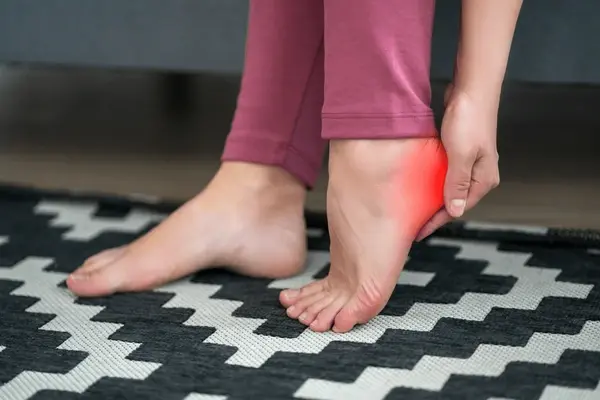
What Causes Plantar Fasciitis and Heel Spurs?
Plantar fasciitis develops when the plantar fascia, a strong band of tissue supporting the arch of your foot, is repeatedly strained. Factors that place additional stress on this tissue can increase the likelihood of developing symptoms.
Common contributing factors include:
Repetitive walking, running, or other high-impact activities
Prolonged standing or occupational demands
Tight calf muscles or limited ankle flexibility
Flat feet or high arches
Changes in foot mechanics or walking patterns
Wearing shoes that provide inadequate support
A sudden increase in physical activity
Increased stress on the feet from changes in body weight
A heel spur may develop gradually in response to long-term stress where the plantar fascia attaches to the heel bone. However, the presence of a spur on an X-ray does not necessarily mean it is the source of your pain.
What Symptoms May Occur?
Plantar fasciitis commonly causes pain underneath or near the front of the heel. Symptoms may be more noticeable after periods of rest and can vary from one person to another.
You may experience:
Heel pain with your first steps after waking up
Discomfort after sitting or resting for an extended period
Tenderness beneath the heel
Stiffness in the heel or arch
Pain that returns after physical activity
Discomfort when standing or walking for long periods
Difficulty participating in activities you normally enjoy
Heel pain can have several possible causes, so persistent symptoms should be evaluated rather than assumed to be caused by a heel spur or plantar fasciitis.
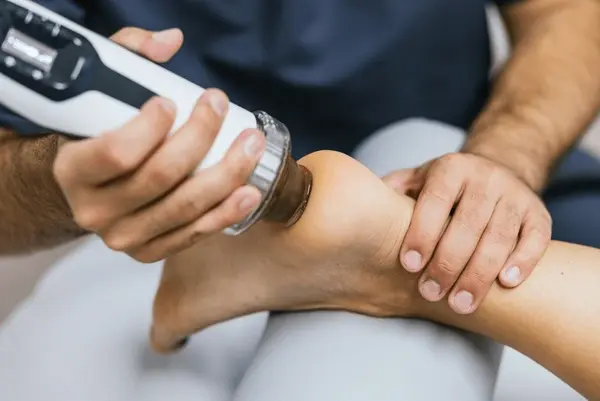
How Are Plantar Fasciitis and Heel Spurs Diagnosed?
We start with a detailed discussion about your symptoms, activities, footwear, and any previous foot or ankle problems. Our examination may include checking for tenderness, ankle flexibility, muscle tightness, foot alignment, and other physical findings that can help identify the source of your discomfort.
Imaging may be recommended when necessary. X-rays can show a heel spur and help us evaluate the bones and joints. Depending on your symptoms and examination findings, additional testing may be considered to rule out other conditions that can cause similar heel pain.
Our goal is to understand what is contributing to your symptoms before recommending treatment.
Treatment Options
Treatment depends on the cause of your pain, the severity and duration of your symptoms, and how the condition affects your daily life. Many patients improve with conservative care, and surgery is generally considered only when appropriate nonsurgical treatment has not provided adequate relief.
Treatment may include:
Activity modification to reduce activities that aggravate your symptoms
Stretching exercises to improve flexibility in the calf and plantar fascia
Supportive footwear to reduce stress on the heel
Custom orthotics when additional foot support or correction is appropriate
Physical therapy to improve flexibility, strength, and movement
Anti-inflammatory measures when medically appropriate
Corticosteroid injections in selected cases after discussing potential benefits and risks
Other nonsurgical therapies when appropriate for your condition
Surgery for carefully selected patients with persistent symptoms despite appropriate conservative treatment
We explain your treatment options and help you understand what to expect from each approach. Follow-up visits may also be used to assess your progress and make changes to your care when needed.
Supporting Your Recovery at Home
Your daily habits can influence how much stress is placed on your heel. We may recommend simple measures that complement your in-office treatment and help you manage discomfort during recovery.
Depending on your condition, you may be advised to:
Wear comfortable shoes with appropriate support and cushioning
Avoid prolonged barefoot walking on hard surfaces
Follow the stretching or strengthening program recommended by our team
Reduce activities that consistently increase your heel pain
Use ice as directed to help manage discomfort after activity
Follow any orthotic or night-splint recommendations provided during your care
Following your individualized recommendations consistently can help support the recovery process and reduce unnecessary stress on the affected tissues.
Locations We Serve
Local Foot Doc provides podiatric care at convenient office locations.
Howard Avenue Brooklyn Office
Address: 802 Howard Ave 1st Floor, Brooklyn, NY 11212, United States
Phone: (718) 495-3668
Forest Hills Office
Address: 69-39 Yellowstone Blvd, Forest Hills, NY 11375, United States
Phone: (718) 575-3668
Astoria Office
Address: 23-18 Broadway, Long Island City, NY 11106, United States
Phone: (718) 545-0205
Why Choose Local Foot Doc?
At Local Foot Doc, we believe you should understand your condition and participate in decisions about your care. Our team takes time to explain your diagnosis, answer your questions, and discuss treatment options in a comfortable and relaxed setting.
Our approach is built around compassionate podiatric care and clear communication. We consider your symptoms, daily activities, and individual needs when developing your treatment plan. By maintaining an open doctor-patient relationship, we help you stay informed about your care and understand the reasons behind our recommendations.
Schedule Your Heel Pain Evaluation
Ongoing heel pain can interfere with walking, exercise, work, and other activities you enjoy. At Local Foot Doc, we can evaluate your symptoms, determine what may be contributing to your discomfort, and discuss appropriate treatment options. Contact us today to schedule an appointment.
FAQs
Can a heel spur cause pain by itself?
A heel spur does not always cause pain. Many people have heel spurs without symptoms. When pain is present, the underlying irritation of nearby tissues, such as the plantar fascia, may be responsible rather than the bony growth itself.
Is plantar fasciitis only caused by walking or running?
No. Plantar fasciitis can be associated with several factors, including prolonged standing, foot structure, limited calf flexibility, changes in activity, and footwear. More than one factor may contribute to your symptoms.
Will I need an X-ray for heel pain?
Not necessarily. Your medical history and physical examination often provide important information. We may recommend an X-ray or other imaging when we need to evaluate the bones, look for a heel spur, or rule out another condition.
What should I do if my heel pain keeps coming back?
Recurring heel pain should be evaluated to determine why your symptoms are returning. We can review your activities, footwear, foot mechanics, and previous treatment to identify factors that may need to be addressed.