
Tarsal Coalition Treatment
Tarsal Coalition Treatment Near You
Tarsal coalition is a condition in which two or more bones in the back or middle of the foot are connected abnormally. This connection may be made of bone, cartilage, or fibrous tissue. Some people have a tarsal coalition without knowing it, while others develop foot pain, stiffness, or difficulty with movement as they become more active.
At Local Foot Doc, we evaluate your symptoms and examine how your foot and ankle move. We consider your age, activity level, symptoms, and overall foot structure when developing a treatment plan. Our goal is to help you understand your condition and find an appropriate way to improve comfort and function.
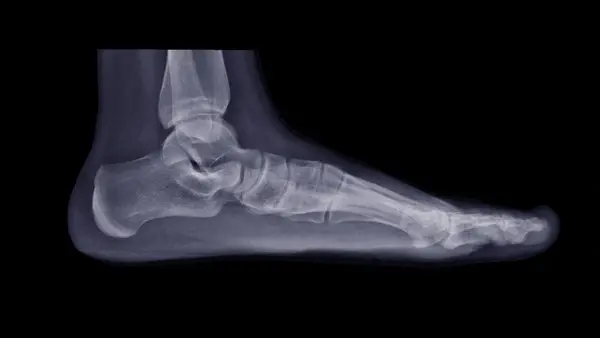
What Is a Tarsal Coalition?
The tarsal bones help form the structure of your foot and allow it to move during walking and other activities. With a tarsal coalition, two bones have an abnormal connection that can limit normal movement.
The condition may become noticeable during childhood or adolescence, although symptoms can sometimes appear later. Repeated stress, changes in activity, or an ankle sprain may make previously mild symptoms more noticeable.
Common Signs of Tarsal Coalition
Symptoms can differ depending on the location and severity of the coalition. You may notice:
Foot stiffness
The affected foot may have less movement than expected.
Persistent pain
Aching may develop around the outside or middle of the foot.
Activity discomfort
Running, jumping, or sports may make symptoms worse.
Limited flexibility
The foot may not adapt normally to different surfaces.

How We Diagnose the Condition
Our evaluation starts with questions about your symptoms, activities, previous injuries, and when your discomfort began. We examine your foot and ankle, assess movement, and look for changes in your foot structure.
Imaging is often helpful when a tarsal coalition is suspected. X-rays can provide information about the bones, while CT or MRI scans may be recommended when a more detailed view is needed. These tests help us understand the type and extent of the coalition and rule out other causes of pain.
Treatment Options for Tarsal Coalition
Treatment depends on your symptoms, the type of coalition, your age, and how much the condition affects your activities. Not everyone with a tarsal coalition requires surgery.
Possible approaches include:
Activity modification
Reducing activities that trigger pain can decrease stress on the foot.
Custom orthotics
Foot supports may help control movement and redistribute pressure.
Physical therapy
Guided exercises can improve strength, flexibility, and functional movement.
Medication
Appropriate medication may help manage pain and inflammation.
Surgical treatment
Surgery may be considered when significant symptoms continue despite nonsurgical care.
Locations We Serve
Local Foot Doc provides podiatric care at convenient offices in Brooklyn and Queens.
Howard Avenue Brooklyn Office
Address: 802 Howard Ave 1st Floor, Brooklyn, NY 11212, United States
Phone: (718) 495-3668
Forest Hills Office
Address: 69-39 Yellowstone Blvd, Forest Hills, NY 11375, United States
Phone: (718) 575-3668
Astoria Office
Address: 23-18 Broadway, Long Island City, NY 11106, United States
Phone: (718) 545-0205
Why Choose Us for Tarsal Coalition Care
At Local Foot Doc, we believe understanding your condition is an important part of receiving quality care. Our podiatrists take the time to explain what a tarsal coalition is, discuss your treatment options, and answer your questions.
Patient education
Our team explains your condition so you can make informed decisions about your care.
Personalized attention
We consider your symptoms, lifestyle, and individual treatment needs.
Quality podiatric services
Our team provides comprehensive care for foot and ankle concerns.
Open communication
We encourage you to ask questions throughout your treatment.
Shared decisions
We involve you in choosing an approach that fits your needs.
Take the Next Step for Your Foot Health
Foot stiffness or recurring pain can affect your ability to stay active. Our podiatrists can evaluate your symptoms, explain the available options, and help you understand the next steps. Contact Local Foot Doc to schedule an appointment.
FAQs
Is a tarsal coalition something you are born with?
Many tarsal coalitions develop because the foot bones do not separate normally during development, although symptoms may not appear until later.
Can a tarsal coalition cause ankle sprains?
Yes, restricted foot movement can affect how your foot adapts to uneven surfaces and may contribute to repeated ankle problems.
Does every tarsal coalition require surgery?
No, many cases can initially be managed with nonsurgical treatments, depending on symptom severity.
Can I continue playing sports with a tarsal coalition?
Your activity level depends on your symptoms and treatment plan, so your podiatrist can recommend appropriate modifications.