

Bunion Treatment
Bunion Treatment Near You
A bunion is a change in the alignment of the joint at the base of the big toe. As the joint gradually shifts, the big toe may move toward the other toes, and a bump may become more noticeable along the inside of the foot. Bunions can make certain shoes uncomfortable and may cause pain during walking or standing. At Local Foot Doc, we examine the bunion and evaluate how it affects your foot function. Our podiatrist considers your symptoms, foot structure, footwear, and activity level before discussing treatment. Our goal is to help you understand your options and choose care that fits your needs.
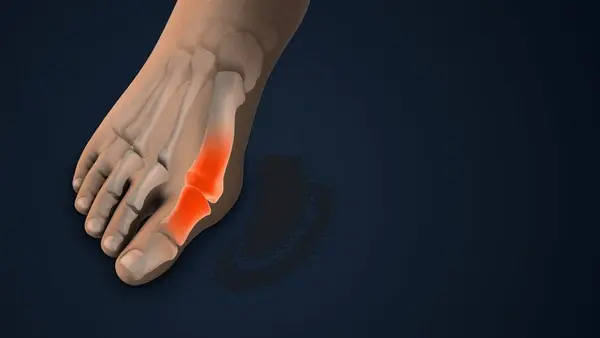
Why Bunions Develop
The exact reason a bunion develops can vary. Foot structure and genetics can play a role, while certain factors may increase pressure around the big toe joint.
Possible contributors include:
Inherited foot structure
Some people are naturally predisposed to developing bunions.
Foot mechanics
The way your foot moves can influence pressure around the big toe.
Footwear
Tight or narrow shoes can aggravate an existing bunion.
Joint conditions
Arthritis and other joint problems may contribute to changes in alignment.
Family history
Bunions are more common in some families.
Signs of a Bunion
A bunion may be visible before it becomes painful. Symptoms can develop gradually as pressure around the joint increases.
You may notice:
A visible bump
A prominence can develop along the inside of the big toe joint.
Joint pain
The base of the big toe may become sore with movement or pressure.
Redness
Friction from shoes can irritate the skin over the bunion.
Stiffness
The big toe may become less flexible.
Shoe discomfort
Narrow footwear may press directly against the bunion.
Managing Bunion Symptoms
Treatment is based on your symptoms rather than the appearance of the bunion alone. If your bunion is not causing significant problems, monitoring may be appropriate.
Treatment options can include:
Roomier footwear
Shoes with a wider toe area can reduce pressure against the bunion.
Padding
Protective padding may reduce rubbing and irritation.
Custom orthotics
Orthotics can help manage pressure and foot mechanics in selected patients.
Activity modification
Changing activities may reduce stress on a painful joint.
Medication
Appropriate medication may help manage discomfort when medically suitable.
Surgical correction
Surgery may be considered when significant symptoms continue despite appropriate nonsurgical care.
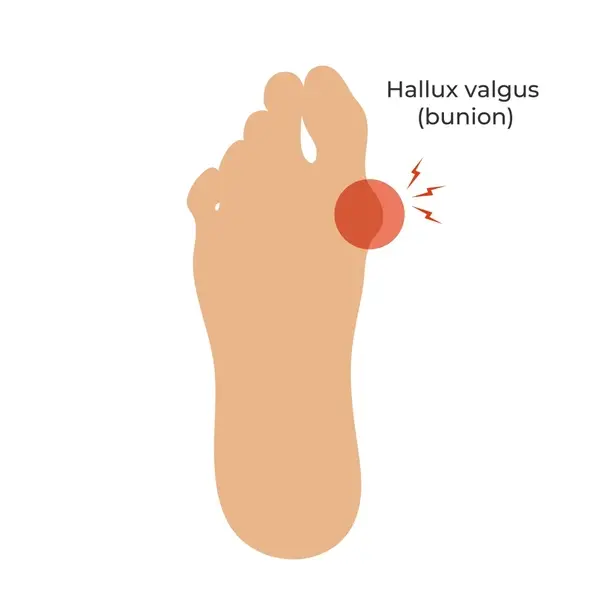
Looking After a Bunion
Daily choices can help reduce irritation around the affected joint.
Give your toes space
Avoid footwear that squeezes the front of your foot.
Choose stable shoes
Supportive footwear can improve comfort during walking.
Protect the bump
Use recommended padding when friction is a problem.
Watch your symptoms
Increasing pain or stiffness may indicate that your treatment plan needs to be reviewed.
Locations We Serve
Local Foot Doc provides podiatric care at three offices in Brooklyn and Queens.
Howard Avenue Brooklyn Office
Address: 802 Howard Ave 1st Floor, Brooklyn, NY 11212, United States
Phone: (718) 495-3668
Forest Hills Office
Address: 69-39 Yellowstone Blvd, Forest Hills, NY 11375, United States
Phone: (718) 575-3668
Astoria Office
Address: 23-18 Broadway, Long Island City, NY 11106, United States
Phone: (718) 545-0205
Focused Care for Bunion Concerns
At Local Foot Doc, we want you to feel informed and comfortable throughout your care.
Compassionate care
We listen to your concerns and provide treatment in a relaxed setting.
Patient education
Our podiatrist explains your bunion and answers your questions.
Personalized care
We consider your symptoms, lifestyle, and foot structure.
Clear treatment choices
We explain appropriate options so you can participate in decisions.
High-quality care
Our mission is to provide high-quality podiatric treatment.
Take Care of Your Bunion
A bunion that causes ongoing pain or shoe problems should be evaluated rather than ignored. Our team can examine your foot and explain which treatment approaches may help. Contact Local Foot Doc to schedule an appointment.
FAQs
Can wearing tight shoes cause a bunion?
Footwear does not necessarily cause every bunion, but narrow shoes can place pressure on the big toe and aggravate an existing deformity.
Can a bunion be straightened without surgery?
Nonsurgical care can reduce symptoms and improve comfort, but it generally does not permanently realign the bones.
When is bunion surgery considered?
Surgery may be discussed when significant pain or functional problems continue despite appropriate nonsurgical treatment.
Can bunions come back after surgery?
Recurrence is possible, and the risk depends on factors such as the type of bunion, procedure performed, and individual foot mechanics.