
Foot Deformity Treatment
Foot Deformity Treatment Near You
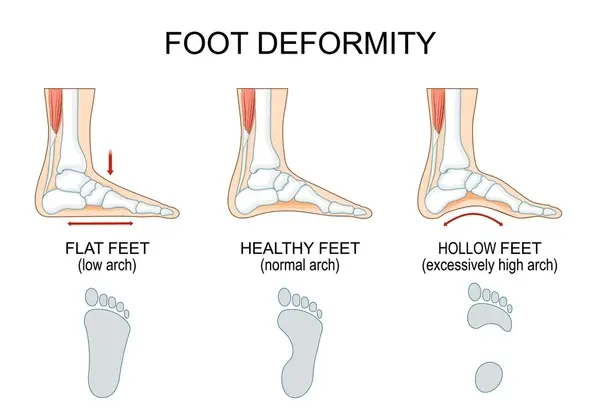
A change in the shape or structure of your foot can affect the way you stand, walk, and move. Some foot deformities develop gradually, while others may be related to genetics, an injury, arthritis, or changes in the way your feet bear weight. Even when a deformity does not cause pain at first, it can sometimes lead to pressure, rubbing, difficulty finding comfortable shoes, or problems with balance.
At Local Foot Doc, we evaluate the structure and function of your feet to understand how a deformity may be affecting you. Our podiatrist reviews your symptoms, examines your feet, and considers your daily activities before recommending care. We focus on helping you understand your condition and the treatment choices available to you.
What Can Cause a Foot Deformity?
Foot deformities can have various causes, and more than one factor may contribute to how your foot develops or changes over time.
Common factors include:
Genetics
Some foot shapes and structural conditions can run in families.
Injury
Previous trauma can change the alignment or movement of the foot.
Arthritis
Joint changes can gradually affect foot shape and function.
Muscle imbalance
Uneven forces can influence the position of bones and joints.
Foot mechanics
The way your feet move can place extra stress on certain areas.
Problems a Deformity May Cause
The effects of a foot deformity depend on its location and severity. Some patients have few symptoms, while others experience problems that interfere with everyday activities.
You may experience:
Foot pain
Pressure on joints or soft tissues can cause ongoing discomfort.
Pressure points
A change in foot shape can place extra force on specific areas.
Difficulty with shoes
Certain deformities can make regular footwear uncomfortable.
Walking changes
Structural changes may affect the way you place weight on your feet.
Skin irritation
Repeated rubbing can cause corns, calluses, or other skin problems.
How We Assess Your Foot Structure
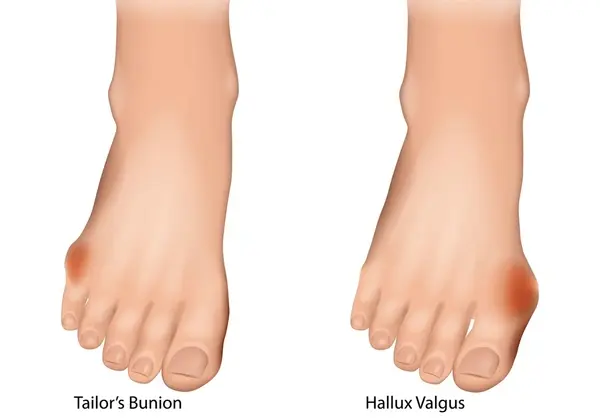
Your evaluation begins with a discussion about your symptoms, medical history, activities, and footwear. We examine your feet, assessing alignment, joint movement, flexibility, strength, and pressure points.
X-rays may be recommended when we need a closer look at the bones and joints. Imaging can help us understand the deformity’s structure and determine whether additional treatment may be appropriate.
Treatment Options for Foot Deformities
Not every deformity requires surgery. Treatment depends on your symptoms, the type of deformity, and how much it affects your daily life.
Possible options include:
Footwear changes
Roomier shoes can reduce pressure on areas affected by a deformity.
Padding
Appropriate padding can protect sensitive areas from friction.
Custom orthotics
Orthotics may help improve pressure distribution and support foot function.
Activity changes
Adjusting activities can reduce stress on painful areas.
Physical therapy
Specific exercises may improve strength, flexibility, and movement.
Surgical correction
Surgery may be considered when a structural problem causes significant symptoms that do not improve with conservative care.
Locations We Serve
Local Foot Doc provides podiatric care at convenient offices in Brooklyn and Queens.
Howard Avenue Brooklyn Office
Address: 802 Howard Ave 1st Floor, Brooklyn, NY 11212, United States
Phone: (718) 495-3668
Forest Hills Office
Address: 69-39 Yellowstone Blvd, Forest Hills, NY 11375, United States
Phone: (718) 575-3668
Astoria Office
Address: 23-18 Broadway, Long Island City, NY 11106, United States
Phone: (718) 545-0205
Why Choose Local Foot Doc?
At Local Foot Doc, we believe understanding your foot condition is an important part of good medical care.
Patient education
Our podiatrist explains your condition and answers your questions.
Personalized recommendations
We consider your symptoms, activities, and individual foot structure.
Informed participation
Our team provides the information you need to participate in treatment decisions.
Strong communication
We encourage an open relationship between you and your podiatrist.
Find the Right Care for Your Foot Shape
A foot deformity does not always require surgery, but persistent pain or difficulty walking warrants a proper evaluation. Our team at Local Foot Doc can assess your feet and explain which treatment options may be appropriate. Contact us today to schedule an appointment.
FAQs
Can a foot deformity get worse over time?
Some deformities can progress, particularly when underlying pressure or structural problems continue, while others may remain stable.
Do all foot deformities require surgery?
No, many can be managed with changes in footwear, orthotics, padding, exercises, or other conservative approaches.
Can orthotics correct a foot deformity?
Orthotics generally do not permanently change bone structure, but they may improve support and pressure distribution in selected cases.
When should I have a foot deformity evaluated?
An evaluation is appropriate when a deformity causes pain, affects walking, creates recurring pressure areas, or makes footwear difficult to wear.