

Sports Injury Treatment
Sports Injury Treatment Near You
Sports injuries can happen during almost any activity, from recreational exercise to competitive athletics. A quick change of direction, awkward landing, direct impact, or repeated movement can affect the bones, joints, muscles, ligaments, or tendons of the foot and ankle. Some injuries are obvious right away, while others become noticeable gradually.
At Local Foot Doc, we evaluate sports injuries with attention to how the injury occurred and how it is affecting your movement. Our podiatrist reviews your symptoms, examines the injured area, and determines whether imaging or additional testing is needed. We then explain your condition and help you understand the available treatment options.
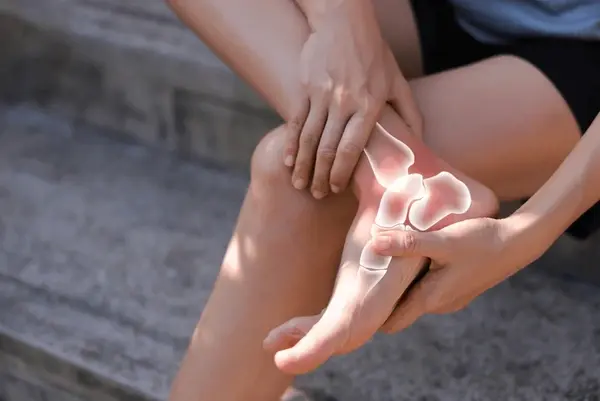
Common Injuries From Physical Activity
Different sports place different demands on the lower body. Running and jumping can create repeated impact, while sports involving quick turns may place additional stress on the ankle.
Some common injuries include:
Ankle sprains
A sudden twist can stretch or tear one or more ankle ligaments.
Muscle strains
Excessive force can injure muscles or the tissues connecting them.
Tendon irritation
Repeated activity can place too much stress on a tendon.
Stress fractures
Repeated impact can cause small cracks in a bone.
Bruising
A direct blow can damage soft tissues, causing localized pain.
Joint irritation
Repeated loading can aggravate a joint, causing stiffness or swelling.
Symptoms That Can Follow an Injury
The symptoms you experience depend on the type and severity of the injury. Paying attention to changes in your ability to walk or bear weight can provide useful information.
You may notice:
Pain
The injured area may hurt during movement or while resting.
Swelling
Fluid accumulation and inflammation can cause the area to enlarge.
Bruising
Damaged blood vessels under the skin can create discoloration.
Tenderness
The injured area may be tender to the touch.
Limited movement
Swelling or pain can make the foot or ankle harder to move.
Difficulty bearing weight
More significant injuries can make walking uncomfortable or difficult.
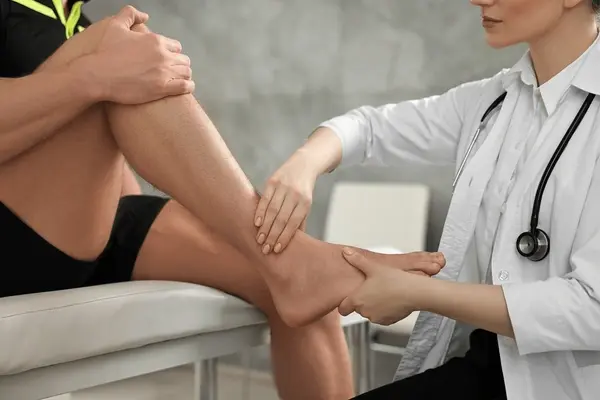
Evaluating the Injury
Your evaluation begins with questions about how the injury happened, when your symptoms started, and whether you were able to continue your activity afterward. We also ask about previous injuries and your usual exercise routine.
Our podiatrist examines the foot and ankle for tenderness, swelling, range of motion, stability, strength, and other findings. X-rays may be recommended when a fracture is suspected. Other imaging studies may be appropriate when additional information about soft tissues is needed.
Treatment Based on Your Injury
The right treatment depends on what has been injured and how serious the problem is. Some injuries improve with conservative care, while others require more specialized treatment.
Treatment may involve:
Rest from aggravating activity
Reducing stressful movements allows injured tissues time to recover.
Support or immobilization
A brace or other support may protect selected injuries during healing.
Physical therapy
Rehabilitation can restore strength, flexibility, balance, and movement.
Orthotics
Foot supports may help address pressure or movement issues when appropriate.
Medication
Recommended medications may help control pain during recovery.
Gradual rehabilitation
Increasing activity in stages can support a safer return to sports.
Surgical treatment
Certain serious injuries may require a surgical approach.
Returning to Sports Safely
Feeling better does not always mean an injury has completely recovered. Returning to demanding activity too quickly may increase the chance of another problem.
We may recommend:
Progressive activity
Increase exercise gradually as your symptoms and function improve.
Strength work
Rebuilding strength can prepare your foot and ankle for activity.
Balance exercises
Improving balance may support better control during movement.
Sport-specific practice
Returning to movements used in your sport can help prepare you for full participation.
Locations We Serve
Our Local Foot Doc team provides podiatric services at three offices.
Howard Avenue Brooklyn Office
Address: 802 Howard Ave 1st Floor, Brooklyn, NY 11212, United States
Phone: (718) 495-3668
Forest Hills Office
Address: 69-39 Yellowstone Blvd, Forest Hills, NY 11375, United States
Phone: (718) 575-3668
Astoria Office
Address: 23-18 Broadway, Long Island City, NY 11106, United States
Phone: (718) 545-0205
Our Commitment to Your Recovery
At Local Foot Doc, we want you to feel informed throughout your care. We believe understanding your injury can help you take an active role in your recovery.
Our approach includes:
Personalized evaluation
We consider how your injury happened and how it affects your daily activities.
Clear explanations
We discuss your condition in easy-to-understand language.
Compassionate treatment
We provide care in a comfortable and relaxed setting.
Patient involvement
We encourage you to ask questions and share your concerns.
Ongoing guidance
We help you understand the steps involved in your recovery.
Schedule an Injury Evaluation
A sports injury that continues to hurt or limits your movement deserves proper evaluation. Our podiatrist can assess the affected area and help you understand what may be needed for recovery. Contact Local Foot Doc to schedule an appointment.
FAQs
Should I walk on an injured foot?
This depends on the type of injury, and you should avoid putting weight on a foot when doing so causes significant pain or when a serious injury is suspected.
How do I know if a sports injury is serious?
Severe pain, significant swelling, visible deformity, inability to bear weight, or worsening symptoms can indicate the need for prompt medical evaluation.
Can an old sports injury cause problems later?
Yes, some injuries can continue to cause pain, stiffness, weakness, or instability when they do not heal properly or are not fully rehabilitated.
How soon can I return to sports after an injury?
Your return depends on the specific injury and your recovery, and activity should generally increase gradually as strength and function improve.