

Swollen Feet Treatment
Swollen Feet Treatment Near You
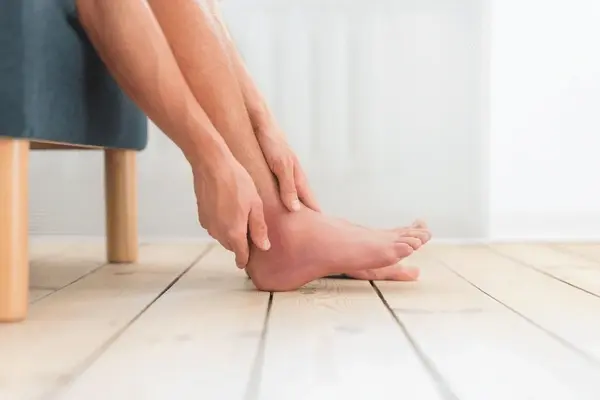
Swelling in the feet can make your shoes feel tight and may leave your feet feeling heavy, uncomfortable, or difficult to move. Sometimes swelling occurs after a long day of standing or sitting, while persistent swelling can be associated with an injury, a circulation problem, a medication, or another medical condition.
At Local Foot Doc, we do not assume that all foot swelling has the same cause. We ask about when the swelling started, whether one or both feet are affected, and what other symptoms you have noticed. Our examination helps us determine whether your feet need podiatric treatment or whether additional medical evaluation may be appropriate.

Why Your Feet May Swell
Swelling occurs when excess fluid collects in the tissues. The reason for this fluid buildup can vary considerably from one person to another.
Possible causes include:
Long periods of standing
Remaining upright for extended periods can contribute to temporary swelling.
Extended sitting
Limited movement may allow fluid to collect in the lower legs and feet.
Injury
Sprains, strains, and other injuries can cause localized swelling.
Venous problems
Poor blood flow through the veins can contribute to lower-leg and foot swelling.
Medications
Certain medicines can cause fluid retention as a side effect.
Medical conditions
Heart, kidney, liver, or other health problems can sometimes cause swelling.
Symptoms That May Accompany Swelling
The appearance and pattern of swelling can provide useful information during an examination. You may notice other changes along with the increase in size.
These may include:
Tight footwear
Shoes may feel unusually snug around the foot.
Skin changes
The skin may appear stretched or shiny over swollen areas.
Aching
Swollen feet may feel sore or heavy after activity.
Stiffness
Swelling can make normal foot movement less comfortable.
Tenderness
An injured or inflamed area may hurt when touched.
When Swelling Needs Attention
Some swelling is temporary, but certain symptoms should be assessed promptly. Sudden swelling, significant pain, redness, or warmth after an injury may require medical evaluation.
Swelling in only one leg or foot, particularly when it develops suddenly and is accompanied by calf pain, warmth, or shortness of breath, can require urgent medical attention.
We consider the full pattern of your symptoms rather than focusing only on how swollen the foot appears.
How We Evaluate Swollen Feet
We ask about your health history, medications, recent activities, injuries, and the timing of your symptoms. We examine the feet and ankles for swelling, skin changes, tenderness, circulation, and movement.
When appropriate, we may recommend additional testing or advise you to see another healthcare professional if the swelling may be related to a condition outside the foot and ankle.
Treatment Depends on the Cause
There is no single treatment for swollen feet because the appropriate approach depends on the cause of the swelling.
Possible recommendations include:
Rest and elevation
Raising the affected foot may help reduce temporary fluid buildup.
Activity changes
Gentle movement may be encouraged when prolonged inactivity contributes to swelling.
Compression
Compression may be appropriate for certain causes after proper evaluation.
Injury care
Sprains and other injuries may require specific treatment and rehabilitation.
Footwear adjustments
Roomier shoes can improve comfort when swelling makes footwear tight.
Medical coordination
Additional care may be recommended if an underlying health condition is suspected.
Supporting Your Feet at Home
Simple measures can sometimes make temporary swelling more manageable.
Elevate your feet
Raise your feet when resting if this has been recommended for you.
Move regularly
Avoid remaining in one position for long periods when possible.
Wear comfortable shoes
Choose footwear that does not press on swollen areas.
Follow medical advice
Use compression or other measures only as directed.
Locations We Serve
Local Foot Doc provides podiatric care at three locations serving Brooklyn and Queens.
Howard Avenue Brooklyn Office
Address: 802 Howard Ave 1st Floor, Brooklyn, NY 11212, United States
Phone: (718) 495-3668
Forest Hills Office
Address: 69-39 Yellowstone Blvd, Forest Hills, NY 11375, United States
Phone: (718) 575-3668
Astoria Office
Address: 23-18 Broadway, Long Island City, NY 11106, United States
Phone: (718) 545-0205
Why Choose Local Foot Doc?
At Local Foot Doc, we focus on understanding your symptoms rather than treating every foot problem in the same way. Our podiatrists take time to explain what we find, answer your questions, and help you understand the next steps.
Our mission is to provide high-quality podiatric care in a comfortable and relaxed environment. We believe that an informed patient can participate more confidently in decisions about their medical treatment.
Find Out What May Be Causing Your Swelling
Persistent or unexplained swelling deserves attention, especially when it affects your ability to walk or wear comfortable shoes. Our team can evaluate your feet and help determine the appropriate next step. Contact Local Foot Doc to arrange an appointment.
FAQs
Why are my feet swollen at the end of the day?
Standing or sitting for long periods can contribute to temporary fluid buildup, although recurring swelling may have other causes.
Should I be concerned if only one foot is swollen?
One-sided swelling can have several causes, including injury, and sudden swelling should be evaluated promptly.
Can I use compression socks for swollen feet?
Compression may help with certain causes of swelling, but you should receive appropriate medical guidance before using it.
When is foot swelling an emergency?
Sudden swelling accompanied by severe pain, significant redness or warmth, chest pain, or shortness of breath requires prompt medical attention.