

Foot Neuroma Treatment
Foot Neuroma Treatment Near You
A foot neuroma is a condition involving irritation or thickening of tissue around a nerve in the foot. It most commonly affects the area between the toes and may cause burning, tingling, numbness, or a sensation of something being stuck in your shoe. Symptoms can become more noticeable when you walk, stand, or wear shoes that put pressure on the front of your foot.
At Local Foot Doc, we take the time to understand your symptoms, identify the source of your discomfort, and determine what may be causing or worsening it. Our team evaluates your foot, discusses your daily activities and footwear, and develops a treatment plan based on your specific needs.
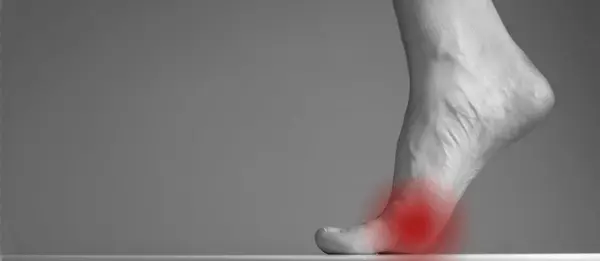
Understanding a Foot Neuroma
A foot neuroma can develop when a nerve is repeatedly compressed or irritated. Pressure from footwear, changes in foot mechanics, or activities that repeatedly stress the front of the foot may contribute to the problem.
Common factors include:
Tight footwear
Narrow shoes can increase pressure on the nerves between the toes.
High-impact activities
Running or jumping can place repeated stress on the front of the foot.
Foot structure
Certain foot shapes or mechanics may increase pressure in the affected area.
Repeated pressure
Prolonged standing or walking can aggravate nerve irritation.
Signs You May Notice
Symptoms can vary depending on which nerve is involved and the degree of irritation. You may notice discomfort that becomes more obvious during certain activities or while wearing particular shoes.
Common symptoms include:
Burning discomfort
You may feel a burning sensation in the ball of your foot.
Tingling
You may experience a pins-and-needles sensation near the toes.
Numbness
Reduced sensation may occur in nearby toes.
Sharp pain
Some patients experience sudden or shooting discomfort.
Pressure sensation
It may feel as though there is a pebble or a fold under your foot.
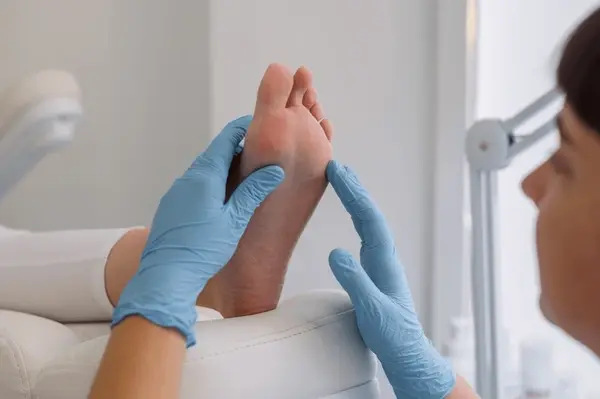
How We Evaluate the Problem
We begin by discussing when your symptoms started, what makes them worse, and whether certain shoes or activities affect your discomfort. We examine the foot for tenderness, swelling, nerve sensitivity, and other signs that may help identify the source of your symptoms.
A physical examination may provide enough information to guide your care. In some cases, imaging or additional testing may be recommended to rule out other conditions that can cause similar symptoms.
Treatment Approaches We May Recommend
Treatment depends on the severity of your symptoms and how the condition affects your daily activities. We generally begin with approaches designed to reduce pressure and irritation before considering more invasive options.
Treatment may include:
Footwear changes
Shoes with a wider toe box can reduce pressure on the affected nerve.
Activity adjustments
Temporarily changing aggravating activities can give irritated tissues time to settle.
Custom orthotics
Orthotic devices may help redistribute pressure across the foot.
Padding
Appropriate padding can reduce pressure around the painful area.
Medication
Certain medications may help manage pain when medically appropriate.
Injections
An injection may be considered when symptoms persist despite other measures.
Surgery
Surgery may be discussed for selected cases that do not improve with conservative treatment.
Steps You Can Take at Home
Small changes may help reduce pressure on the affected area while you follow your treatment plan.
Choose roomier shoes
Select footwear that does not squeeze your toes.
Limit painful activities
Reduce activities that consistently worsen your symptoms.
Follow your exercise plan
Complete stretches or exercises recommended by our team.
Use recommended padding
Follow instructions for any pads or supports provided during your care.
Locations We Serve
Local Foot Doc provides podiatric care at three office locations in Brooklyn and Queens.
Howard Avenue Brooklyn Office
Address: 802 Howard Ave 1st Floor, Brooklyn, NY 11212, United States
Phone: (718) 495-3668
Forest Hills Office
Address: 69-39 Yellowstone Blvd, Forest Hills, NY 11375, United States
Phone: (718) 575-3668
Astoria Office
Address: 23-18 Broadway, Long Island City, NY 11106, United States
Phone: (718) 545-0205
A Patient-Centered Approach to Foot Care
At Local Foot Doc, we want you to feel informed and comfortable throughout your care. Our podiatrists take time to explain what may be causing your symptoms, answer your questions, and discuss appropriate care in a comfortable environment.
We focus on compassionate podiatric care and patient education rather than simply treating a painful area. By maintaining an openpatient relationship, we help you understand your options and participate in decisions about your care.
Take the Next Step Toward Relief
Foot discomfort should not have to interfere with your normal activities or footwear choices. Our team can evaluate your symptoms and help determine whether a neuroma or another condition may be contributing to your pain. Contact Local Foot Doc to schedule an evaluation.
FAQs
Can a foot neuroma go away on its own?
Some mild symptoms may improve when pressure on the affected nerve is reduced, but persistent or recurring discomfort should be evaluated.
What types of shoes can worsen neuroma symptoms?
Yes. Tight, narrow, or poorly fitting shoes can put extra pressure on the front of the foot and may worsen neuroma symptoms.
Is numbness or tingling in the toes a sign of a neuroma?
Yes. Irritation of the affected nerve may cause tingling, burning, or numbness in the toes near the neuroma.
When should I see a podiatrist for foot pain?
Consider an evaluation if your foot pain persists, keeps coming back, causes numbness or tingling, or makes walking and everyday activities uncomfortable.