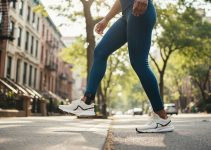
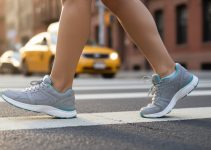
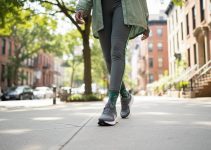
Did you know the average person visiting New York City walks between six and ten miles every single day? That is a staggering amount of repetitive impact for your joints to absorb on unforgiving concrete and asphalt. If you have spent an afternoon in Midtown only to end your day with sharp heel pain or aching arches, you know that our city sidewalks are relentless. Finding the best shoes for walking on NYC pavement isn’t just a matter of fashion; it’s a medical necessity to protect your long-term mobility. We understand how frustrating it is when narrow, stylish shoes leave your toes crowded and your feet exhausted before you even reach your destination.
We believe your footwear should function as a shock-absorbing prescription for the city’s unique architectural demands. In this 2026 guide, we’ll show you how to achieve pain-free mobility while maintaining the sophisticated style New Yorkers expect. You’ll discover our top-rated footwear picks curated by local podiatry experts, including the latest maximalist cushioning from brands like Hoka and Brooks. We’ll preview the specific models designed to prevent injuries like plantar fasciitis, ensuring you can reclaim your independence and enjoy every block from the Upper West Side to the Financial District.
Key Takeaways
- Understand how non-yielding concrete surfaces return significant impact force to your joints and why this necessitates specialized shock absorption.
- Identify the specific clinical features, such as high-energy-return foam and rocker-bottom geometry, that define the best shoes for walking on NYC pavement.
- Learn how to select the right footwear category for your gait, whether you require maximalist cushioning for joint protection or stability support for overpronation.
- Discover how to tailor your shoe choice to specific conditions like bunions or flat feet to ensure comfort and prevent long-term injury.
- Recognize when retail footwear requires the addition of custom orthotics to provide the precise medical support needed for a pain-free New York lifestyle.
The Science of NYC Pavement: Why Your Feet Hurt
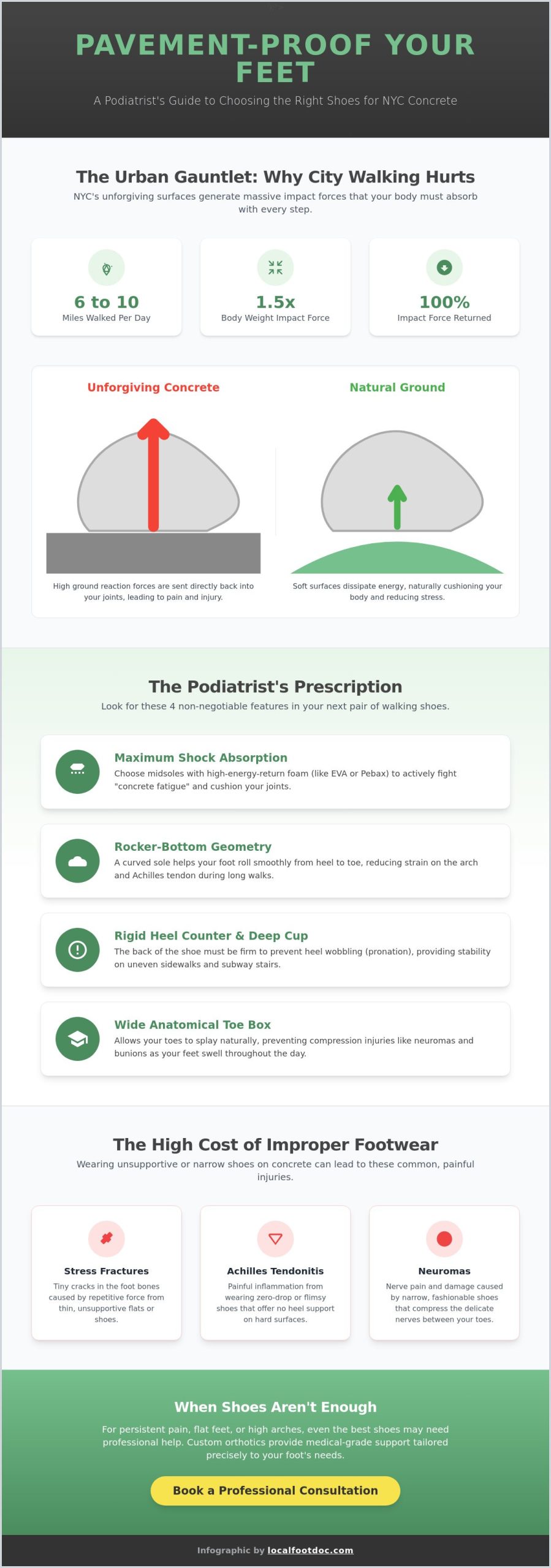
Walking across Manhattan isn’t just a commute; it’s a high-impact athletic event. When you step onto NYC pavement, you’re interacting with a surface that doesn’t give an inch. Concrete and asphalt are non-yielding materials, meaning they return 100% of the impact force directly into your feet, ankles, and knees. Every time your heel strikes the ground, you generate a ground reaction force that can reach 1.5 times your body weight. Over a typical ten-mile city day, your skeleton absorbs hundreds of tons of pressure. Finding the best shoes for walking on NYC pavement is your primary strategy for managing this relentless mechanical stress.
Ground Reaction Force and the Urban Gait
Your body is naturally designed to absorb shock through pronation, a movement where the arch flattens slightly to distribute weight. Hard urban surfaces often override this natural mechanism, forcing your joints to take the brunt of the strike. We frequently treat patients whose “fat pad,” the protective layer of tissue under the heel bone, has thinned out after years of pounding the sidewalk. This thinned tissue leads to a variety of “city foot” syndromes. It’s the reason what is plantar fasciitis is the number one complaint we hear from local walkers. When you evaluate the science of shoe construction, you’ll see that a high-quality midsole isn’t a luxury; it’s a necessary replacement for the cushioning the city environment strips away.
Common Injuries from Improper Urban Footwear
The terrain even varies by neighborhood, requiring different levels of support. Manhattan’s dense concrete requires maximum shock attenuation, while the uneven slate and cobblestones found in parts of Brooklyn demand better lateral stability to prevent ankle sprains. Without the best shoes for walking on NYC pavement, the repetitive stress of the city can lead to serious injuries:
- Stress Fractures: These tiny cracks in the metatarsal bones often happen when you power walk to the subway in thin, unsupportive flats.
- Achilles Tendonitis: This painful inflammation is a common result of wearing zero-drop shoes or flimsy sandals on hard city inclines.
- Neuromas: Narrow fashion shoes are a recipe for nerve pain in Times Square, as they compress the delicate nerves between your toes.
By understanding these physical demands, we can move beyond looking for a “comfortable” shoe and start looking for a piece of medical equipment that safeguards your mobility. We’ve seen how the right footwear choices can transform a painful commute into an opportunity for healthy, active living.
Essential Features of a Podiatrist-Approved NYC Walking Shoe
NYC is a unique laboratory for footwear. If you’re hunting for the best shoes for walking on NYC pavement, you need more than just a soft feel. You need engineering that mirrors the complexity of our city’s infrastructure. We focus on four non-negotiable features during our clinical evaluations to ensure your feet can handle the daily grind of the five boroughs.
First, maximum shock absorption is critical. We recommend midsoles made from EVA or Pebax foam. These materials don’t just compress; they offer high energy return, which helps fight the “concrete fatigue” that sets in after a few hours in Midtown. Second, a rocker bottom geometry is a game-changer for urban commuters. This curved sole design assists your foot in transitioning weight from heel to toe, reducing the strain on your arches during those long, flat treks across the island. Without the best shoes for walking on NYC pavement, even a short trip to the corner bodega can feel like an endurance test.
Third, look for a deep heel cup and a rigid heel counter. This is the structural back of the shoe. It prevents your heel from wobbling, which is essential when you’re navigating steep, metal-edged subway stairs or the uneven paving stones of the West Village. Finally, a wide toe box is vital. Your feet naturally swell as you approach that 10-mile daily average. If your shoes don’t allow for this splay, you’re inviting the type of pressure that often makes custom orthotics necessary to manage the resulting discomfort.
The Cushioning vs. Stability Debate
Many of our patients assume that “marshmallow” soft cushioning is the ultimate goal. However, excessive softness can be a liability on cracked Brooklyn sidewalks. If a shoe is too squishy, it lacks torsional rigidity; this means you can easily twist the shoe like a pretzel. We look for the “Goldilocks” zone: a shoe that’s firm enough to support your bone structure but soft enough to dampen the vibration of the street.
Outsole Durability and Traction
The city’s surfaces are abrasive. Cheap foam outsoles will literally grind away in a matter of weeks. We look for high-abrasion rubber with strategic lug patterns. These patterns aren’t for mud; they’re designed for traction on wet metal subway grates and slick marble building entrances. We call this the “Subway Test.” If you don’t feel secure descending a flight of stairs at Grand Central, the shoe isn’t fit for New York life.
Top 5 Shoe Categories for Walking on Concrete All Day
Selecting the best shoes for walking on NYC pavement requires matching the shoe’s engineering to your specific lifestyle and foot type. We’ve categorized the most effective options into five distinct groups to help you find your perfect fit. Whether you’re power walking to a meeting in the Financial District or taking a leisurely weekend stroll through Prospect Park, these categories represent the gold standard in urban footwear.
- The Maximalist Trainer: These shoes, like the Hoka Clifton 10 or New Balance Fresh Foam series, prioritize high stack heights to create a significant buffer between your feet and the ground.
- The Stability Walker: Designed for those who overpronate, these models from ASICS and Brooks provide structural support to keep your gait aligned on flat city streets.
- The Urban Hybrid: Often referred to as “dad shoes,” these options combine high-performance running technology with a versatile aesthetic that fits right into a West Village brunch or a casual office environment.
- The Commuter Sneaker: These are lightweight, often slip-on options like the Akk Lightweight walking shoes, perfect for the “last mile” transition from the subway platform to your desk.
- The Recovery Slide: Your recovery doesn’t end when you get home. High-quality slides provide necessary arch support on hardwood or tile floors, serving as an essential component of sports medicine for the urban athlete.
Maximalist Cushioned Runners (Hoka, New Balance)
The Hoka Bondi and Clifton models are famous for their oversized midsoles and meta-rocker geometry. This design is particularly effective for New Yorkers because it reduces the energy required to push off the ground. In residential neighborhoods like Forest Hills, we see many patients opting for the New Balance Fresh Foam X Kaiha Road v2. It offers a plush ride that feels consistent even after several miles. While high-stack shoes provide elite shock absorption, keep in mind they can occasionally feel less stable on the uneven slate or cobblestones found in parts of DUMBO.
Motion Control and Stability (Brooks, ASICS)
If you have flat feet, pure cushioning isn’t enough. The Brooks Adrenaline GTS 23 is a reliable “workhorse” that uses GuideRails technology to keep excess movement in check. Similarly, the ASICS Gel-Kayano 31 uses specialized gel inserts to dampen the sharp “thud” of concrete strikes. We recommend these stability models over pure maximalist shoes if you notice your footwear wears down unevenly on the inside edge. Choosing the best shoes for walking on NYC pavement often means balancing that soft feel with the rigid support your specific bone structure demands.
We’ve found that alternating between a stability shoe and a maximalist trainer can also help prevent overuse injuries. By changing the stress patterns on your feet, you give different muscle groups a chance to rest while you continue your active New York lifestyle.
Matching Your Shoe to Your Foot Condition
General cushioning is a vital starting point, but your specific anatomy determines which of the best shoes for walking on NYC pavement will actually prevent pain. We see many patients who invest in high-rated sneakers only to find they trigger new issues because the design didn’t account for their arch type or existing deformities. A shoe that works for a neutral runner might be disastrous for someone dealing with chronic instability or structural shifts.
Walking with Bunions in the City
If you’re dealing with a bony prominence at the base of your big toe, standard footwear becomes a source of constant friction. We recommend brands like Altra or Topo Athletic because they feature a foot-shaped toe box. This design allows your toes to splay naturally rather than being squeezed into a point. Seam-free, engineered knit uppers are critical for avoiding irritation, especially if you are in the post-operative phase of bunion surgery Queens. When a standard wide fit isn’t enough, look for specialized stretchable materials that accommodate the joint without adding pressure. This prevents the progression of the deformity while you navigate the city’s busiest corridors.
Support for Flat Feet and Overpronation
Flat feet often lead to premature fatigue after a long trek across the Brooklyn Bridge. Without a visible arch, your foot tends to roll inward excessively, straining the tendons and muscles of the lower leg. This is where diabetic foot care Brooklyn patients must be particularly careful; proper arch alignment is the first line of defense against skin breakdown and pressure sores. Modern stability shoes use “guide rails” to gently steer your foot into a neutral position rather than using the aggressive, hard plastic posts found in older models. This technology provides a more natural feel on the flat, hard surfaces of Manhattan.
For those with high arches, the challenge is different. Your feet lack the natural ability to dampen shock, making neutral cushioning essential to fill the gap under your arch. If you’re battling plantar fasciitis, a shoe with a stiff midsole is paramount. It prevents the plantar fascia ligament from overstretching with every step on the concrete. If your current footwear isn’t solving your discomfort, we offer specialized flat feet treatment and professional gait assessments to ensure your next pair of shoes is a perfect match for your anatomy.
We believe that understanding your foot type is the most important step in reclaiming your mobility. By matching the shoe’s structural features to your clinical needs, you can turn the city’s pavement from a source of pain into a path toward better health.
When Shoes Aren’t Enough: Professional NYC Foot Care
Even the best shoes for walking on NYC pavement eventually reach their limits. Retail footwear is designed for a generic foot shape, but the reality is that many New Yorkers have unique biomechanical needs that an off-the-shelf product can’t address. In a city where we average 6 to 10 miles of walking daily, small alignment issues quickly become major sources of chronic pain. We also have to consider the “500-mile rule.” While a suburban walker might get a year out of their sneakers, the constant abrasion of NYC concrete means you’ll likely need to replace your footwear every 3 to 6 months to maintain adequate shock absorption and structural integrity.
When you notice that your shoes are wearing down unevenly on the heel or the inner edge, it’s a sign that your gait is putting undue stress on your joints. If you’ve invested in high-quality brands and still end your day with throbbing arches or sharp heel strikes, your footwear isn’t the problem; your foot’s interaction with the ground is. We believe that professional intervention is the key to turning a painful commute back into a healthy, active part of your lifestyle.
Custom Orthotics: The Ultimate NYC Upgrade
If you’ve tried several of the top-rated brands mentioned in this guide and still experience discomfort, it’s time to consider custom orthotics. At Local Foot Doc, we use advanced 3D scanning and custom casting to create a precise map of your foot’s unique architecture. Unlike generic insoles you find at a drugstore, these medical devices are engineered to correct your specific gait abnormalities, such as overpronation or a lack of natural shock attenuation. A custom orthotic can turn a “good” retail sneaker into a “perfect” medical tool tailored to your body. Most of our patients find they can easily transition their orthotics between different pairs of city shoes, providing consistent support whether they’re in a maximalist trainer or a professional commuter shoe.
Advanced Treatments for Chronic Pain
Sometimes, the damage from years of pounding the pavement requires more than just better support. If you’re experiencing persistent sharp pain in your heel or arches, you may benefit from advanced clinical interventions. We offer specialized heel pain treatment, including EPAT (Shockwave therapy), which stimulates the body’s natural healing process without the need for downtime. For structural issues that have progressed beyond conservative management, such as painful bunions or hammertoes, we provide surgical options designed to get you back on your feet quickly.
Don’t wait until a minor ache turns into a mobility-limiting injury. If you notice persistent swelling, numbness, or a change in the shape of your foot, it’s a clear sign you should visit a podiatrist Forest Hills NY or Astoria. We’re here to partner with you in your recovery and help you maintain the active, independent lifestyle that makes living in New York so rewarding. Schedule a consultation at our Brooklyn or Queens offices today to start your journey toward pain-free mobility.
Reclaim Your Independence on New York Sidewalks
Navigating the relentless concrete of our city doesn’t have to result in chronic discomfort. We’ve explored how the right blend of shock attenuation, structural stability, and anatomical fit can transform your daily commute. While selecting the best shoes for walking on NYC pavement provides an essential foundation, remember that even the most advanced retail footwear has its limits when faced with unique biomechanical challenges. Our goal is to ensure you can continue to enjoy everything from a stroll through Astoria to a busy day in Midtown without the distraction of foot pain.
We are here to help you move beyond guesswork and find a solution tailored specifically to your gait. Our board-certified podiatrists bring over 20 years of NYC experience to our convenient locations in Forest Hills, Astoria, and Woodhaven. We specialize in custom orthotics designed for the high-impact urban lifestyle, ensuring your feet have the precise support they need to thrive. Take the next step toward a more active and comfortable life today. Book a Gait Analysis and Consultation at Local Foot Doc and let’s work together to restore your mobility and comfort.
Frequently Asked Questions
How often should I replace my walking shoes if I live in NYC?
You should replace your walking shoes every 300 to 500 miles, which for an active New Yorker often translates to every 3 to 6 months. The abrasive nature of city concrete and asphalt grinds down outsoles and compresses midsole foam much faster than softer surfaces. If you notice the tread is smoothing out or you feel a new “thud” with every step, it is time for a fresh pair to protect your joints.
Are expensive running shoes better for walking on concrete than walking-specific shoes?
High-performance running shoes are often the best shoes for walking on NYC pavement because they are engineered to absorb the high impact of running. This advanced technology provides superior shock attenuation and energy return compared to many basic walking shoes. We frequently recommend premium running models from brands like Brooks or Hoka for their ability to dampen the vibration of Manhattan’s non-yielding sidewalks.
Can I wear Allbirds or other minimalist shoes for long NYC walks?
We generally advise against wearing minimalist or “barefoot” style shoes for long distances on city streets. These shoes lack the necessary stack height and arch support to shield your feet from the intense ground reaction forces of pavement. While they are comfortable for quick errands in residential areas like Forest Hills, they don’t provide the structural protection needed for a 10-mile day of urban trekking.
What should I do if I have a bunion and need to walk 10,000 steps a day?
You must prioritize footwear with an anatomically shaped, wide toe box and a flexible, seam-free upper to prevent painful friction. This allows your forefoot to splay naturally without putting pressure on the prominent joint. If you find that even the most accommodating shoes don’t resolve your pain, we can explore clinical options like custom orthotics or bunion surgery to help you maintain your active lifestyle.
Does walking on NYC pavement cause permanent foot damage?
Walking on hard surfaces doesn’t inherently cause permanent damage, but doing so in unsupportive footwear can lead to chronic overuse injuries. Repetitive impact can thin the protective fat pad on your heel or lead to stress fractures over time. We focus on proper footwear and gait alignment to prevent these issues, ensuring your city walks remain a healthy form of exercise rather than a source of injury.
Should I buy shoes a half-size larger for city walking?
Yes, buying a half-size larger is a strategic move because your feet naturally swell after several miles of walking. This extra room prevents your toes from crowding at the front of the shoe, which is a common cause of ingrown toenails and black toenails. Make sure there is about a thumb’s width of space between your longest toe and the tip of the shoe for the best results.
Is it better to walk in sneakers or supportive sandals during NYC summers?
Sneakers remain the superior choice for long-distance support, but high-quality sandals with contoured footbeds and secure heel straps are acceptable for shorter commutes. You should avoid flimsy flip-flops that offer no arch support, as these can cause your toes to “claw” the shoe and lead to hammertoes. For a full day of walking from the subway to the office, a breathable mesh sneaker is your safest bet.
What are the best socks to prevent blisters while walking on NYC pavement?
The best socks are made from moisture-wicking synthetic blends or Merino wool rather than 100% cotton. Cotton holds onto moisture, which softens the skin and creates the perfect environment for friction and blisters. We recommend socks with seamless toe construction and light padding in high-impact areas to provide an extra layer of protection against the city heat and hard ground.